West Highland Way

West Highland Way
West Highland Way
Trekking experts per destination
Free cancellation up to eight weeks in advance
Quick personal advice

🥾 Walk Scotland’s Most Iconic Trail — Without the Stress of Planning, Even If It’s Your First Long-Distance Hike

The Scottish Highlands invite you to experience their rugged beauty along the iconic West Highland Way. Stretching from Milngavie to Fort William , this legendary trail leads you through rolling moors, serene lochs, and dramatic glens—offering a true taste of Scotland’s wild soul. Imagine hiking past ancient castles, pausing in quaint villages, and soaking up misty views over vast, untouched landscapes. After a day on the trail, warm up with hearty Scottish dishes like haggis, neeps, and tatties, and toast your adventure with a dram of whisky. With welcoming inns and rich history at every turn, this is Scotland at its finest.

We are Bookatrekking.com, and we will organize your West Highland Way adventure.

 8462
8462

WHAT IS INCLUDED?


✓ Balanced itinerary matched to availability
✓ Finding, booking and paying for the accommodations
✓ Breakfast in the hotels
✓ Comprehensive hiking guide with everything you need
✓ Standby hiking advice from our experts

West Highland Way - Medium:

Moderate | Best for a complete Highland experience at a relaxed pace

Walk the full 96 miles (154 km) from Milngavie to Fort William over 7 days. This version of Scotland’s most famous trail balances challenge and comfort, with cozy accommodations and well-paced daily hikes through lochs, moorlands, and glens.

Popular option

West Highland Way – Medium (9 Days)

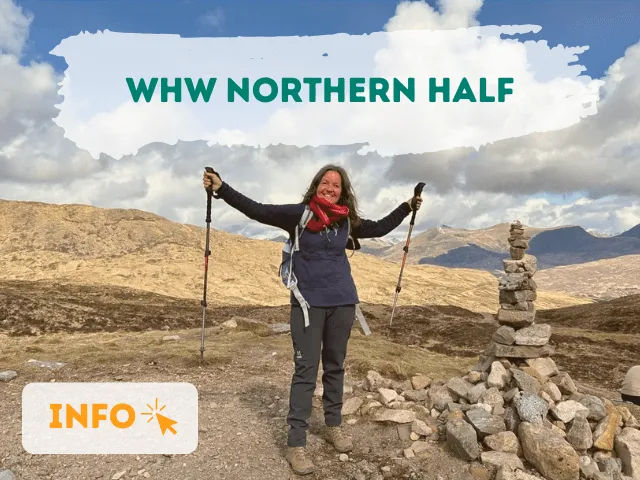
West Highland Way - Northern Half:

Moderate | Best for those seeking Highland drama in a shorter timeframe

This 6-day trek covers the final and most scenic section of the West Highland Way, from Tyndrum to Fort William. Expect 4 days of hiking across wild glens and under Ben Nevis, with warm, welcoming stays each night.

Popular option

West Highland Way – Northern Half (6 Days)

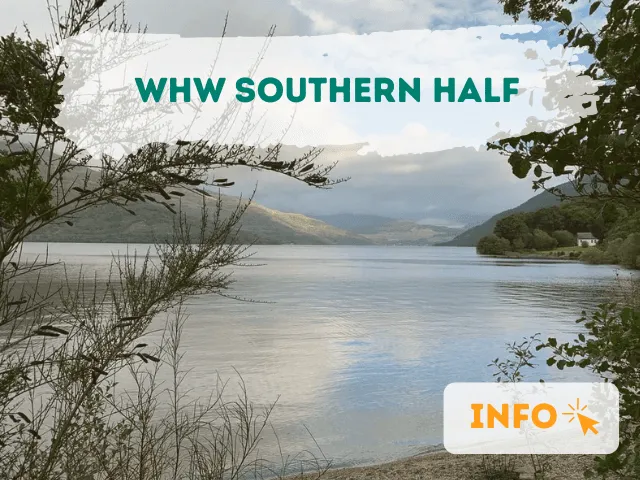
The West Highland Way – Southern Half:

Easy to Moderate | Best for a gentler taste of the Highlands

Walk the first four stages of the West Highland Way, from Milngavie to Tyndrum. This 6-day itinerary features daily hikes of around 6 hours through peaceful lochsides and rolling hills—perfect for those wanting a shorter introduction to Scotland’s most iconic trail.

Popular option

West Highland Way – Southern Half (6 Days)

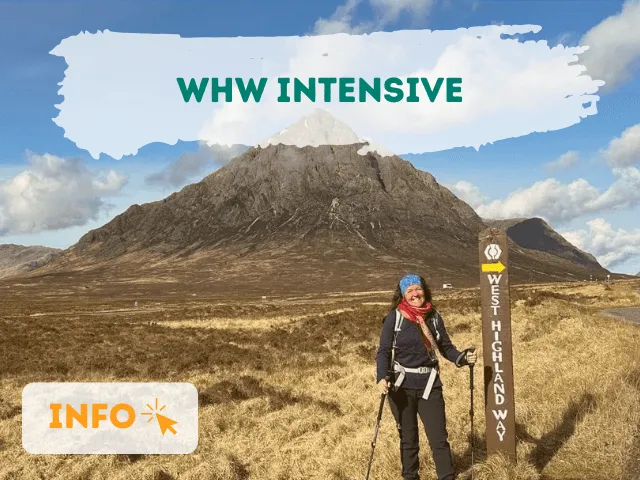
West Highland Way - Intensive:

Challenging | Best for experienced hikers wanting to cover more ground

Complete the full 154 km trail from Milngavie to Fort William in just 5 days of hiking. With longer daily distances and notable elevation gains, this trek is for those who like a challenge. Includes pre- and post-trek accommodation for a smooth start and finish.

Popular option

West Highland Way – Intensive (7 Days)

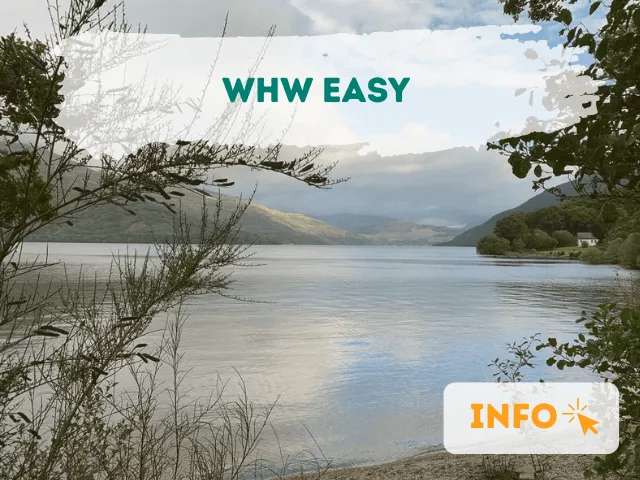
West Highland Way - Easy:

Easy | Best for a relaxed pace through iconic Highland scenery

Walk the full 154 km from Milngavie to Fort William in 10 easy stages. With daily walks of around 4 hours, this itinerary is perfect for a gentle, scenic experience. Includes accommodations before and after the trek for a stress-free start and finish.

Popular option

West Highland Way – Easy (12 Days)

What is the West Highland Way?

The West Highland Way is Scotland's first and most famous long-distance walking route. Stretching 154 kilometres (96 miles) from Milngavie, just north of Glasgow, to Fort William in the shadow of Ben Nevis, it takes most hikers between 5 and 10 days to complete.

Officially opened in 1980, the trail follows ancient drove roads, old military routes, and former coaching paths through some of the most spectacular scenery in the Scottish Highlands. Each year, over 30,000 walkers set out on the West Highland Way — making it one of Europe's most popular long-distance trails. And yet, once you pass Loch Lomond and head into the open moorland, it rarely feels crowded.

The route gains around 3,650 metres of elevation in total, but there are no technical sections. The highest point is the Devil's Staircase at 548 metres, a steady climb rewarded with panoramic views of Glencoe and the Mamores. The terrain varies from gentle lochside paths to rocky highland tracks, keeping every day interesting.

Whether you're an experienced hiker or tackling your first multi-day walk, the West Highland Way offers the perfect combination of challenge, scenery, and infrastructure. Villages with pubs and accommodation are spaced along the route, and the trail is well-waymarked throughout. Not sure if it's right for you? Read our section on fitness and difficulty, or check the best time to walk.

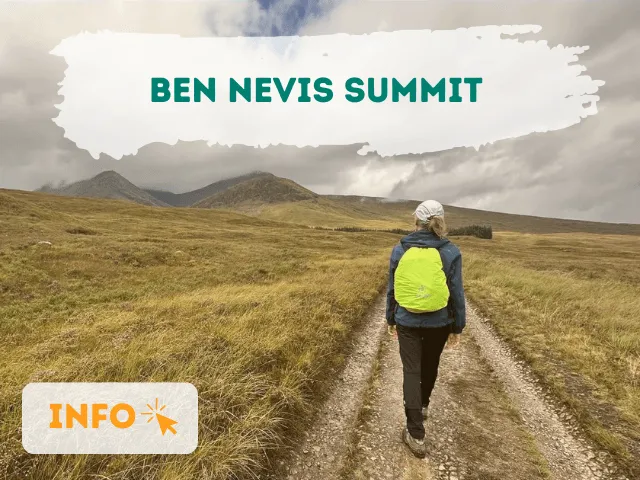
Ben Nevis Summit Hike:

Challenging | Best for hikers aiming to conquer the UK’s highest peak

Take on the iconic 1,344-meter ascent of Ben Nevis, starting from Glen Nevis. This rewarding route offers sweeping Highland views and a real sense of achievement. Includes hotel stays before and after your summit day, so you can rest easy on both sides of the climb.

Popular option

Ben Nevis Summit (4 Days)

Route and stages

The West Highland Way runs north from Milngavie to Fort William, passing through ever-changing landscapes as you head deeper into the Highlands. Most walkers divide the route into 7 to 10 stages, depending on fitness and pace.

A typical itinerary breaks down as follows:

StageFromToDistanceCharacter
1MilngavieDrymen19 kmGentle start through farmland
2DrymenRowardennan23 kmForest paths, Loch Lomond views
3RowardennanInverarnan22 kmRocky lochside, most technical day
4InverarnanTyndrum20 kmOpen glen, entering the Highlands
5TyndrumInveroran15 kmQuiet stretch, old drove road
6InveroranKingshouse15 kmRannoch Moor, wild and remote
7KingshouseKinlochleven14 kmDevil's Staircase, highest point
8KinlochlevenFort William24 kmGrand finale with Ben Nevis views

The first two days follow gentle paths through farmland and along the eastern shore of Loch Lomond. The terrain becomes more rugged from Inverarnan onwards, with the remotest section crossing Rannoch Moor between Inveroran and Kingshouse. The final stretch from Kinlochleven to Fort William is one of the most rewarding, with sweeping views of the Mamores and Ben Nevis coming into sight.

Shorter options are available too. The southern half (Milngavie to Tyndrum, ~84 km) suits those with less time, while the northern half (Tyndrum to Fort William, ~70 km) offers the wildest scenery. Faster walkers can complete the full route in 5 intense days.

FAQ

  • Is The West Highland Way For Me?

  • Tips for Hiking the West Highland Way

Reviews

Highlights

Loch Lomond

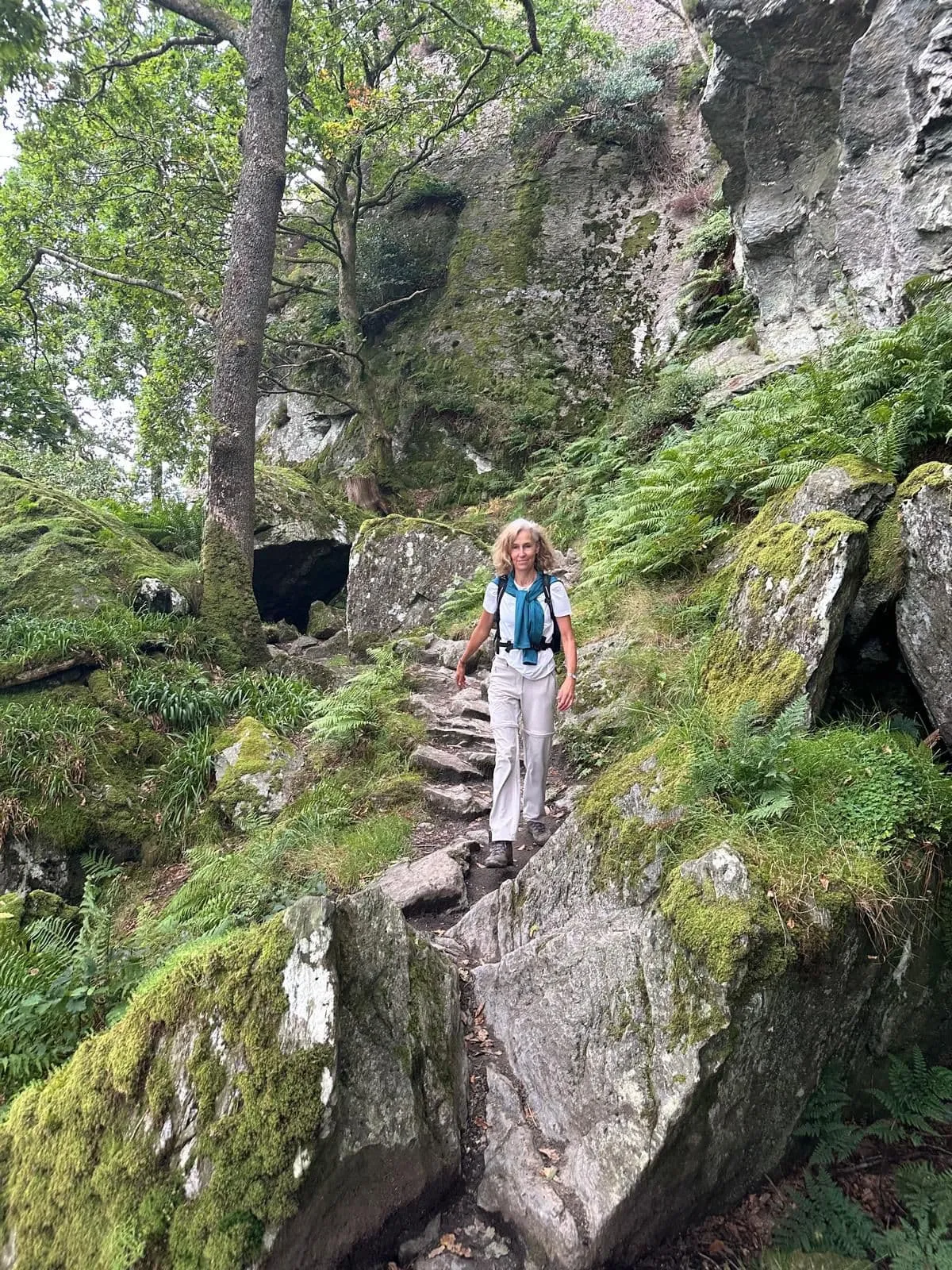
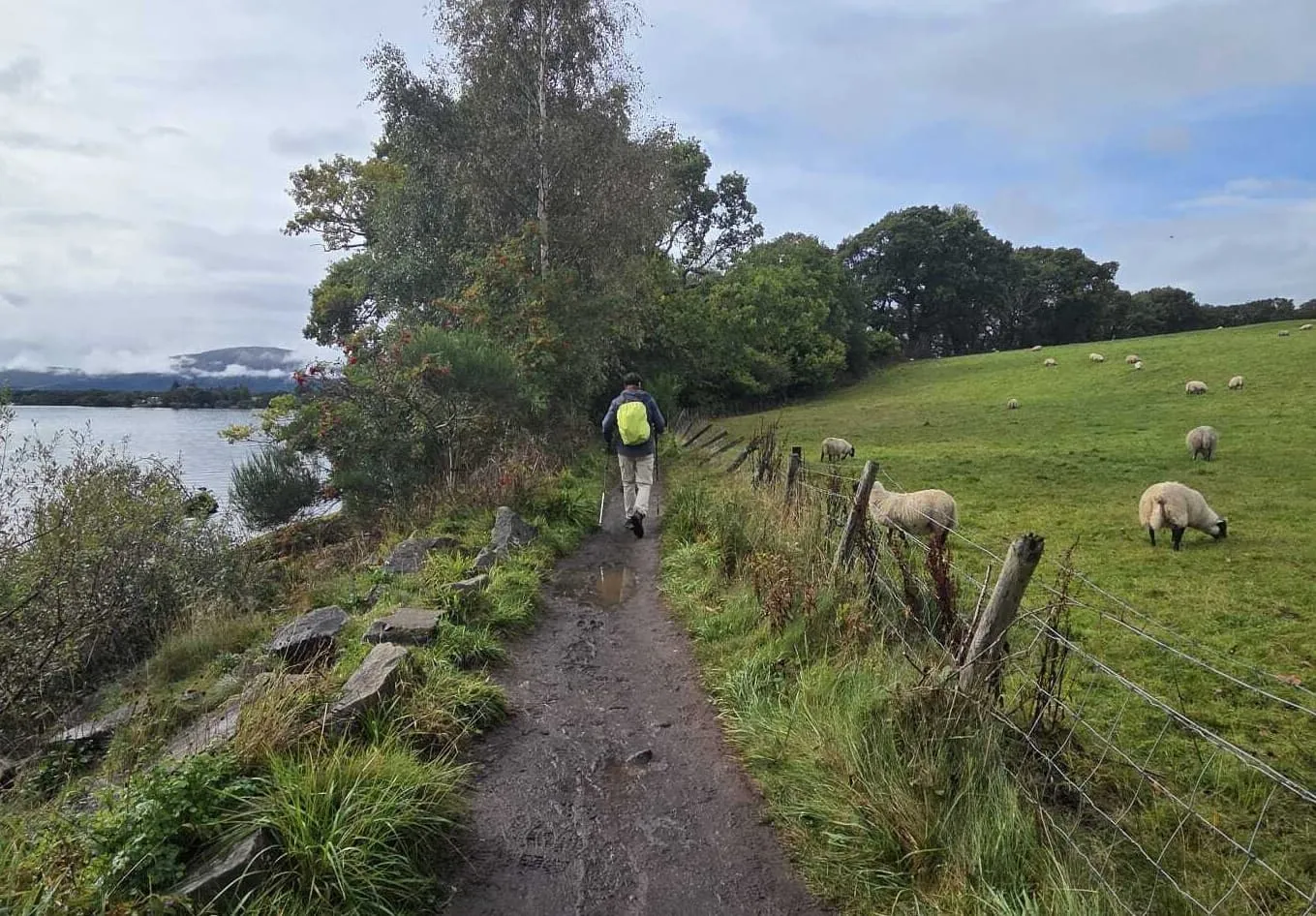
The trail hugs the eastern shore of Loch Lomond, Britain's largest freshwater lake by surface area. This section takes you through ancient oak woodland, along rocky shorelines, and past small sandy beaches — with the Arrochar Alps rising across the water. It is one of the most picturesque stretches of the entire walk.

Rannoch Moor

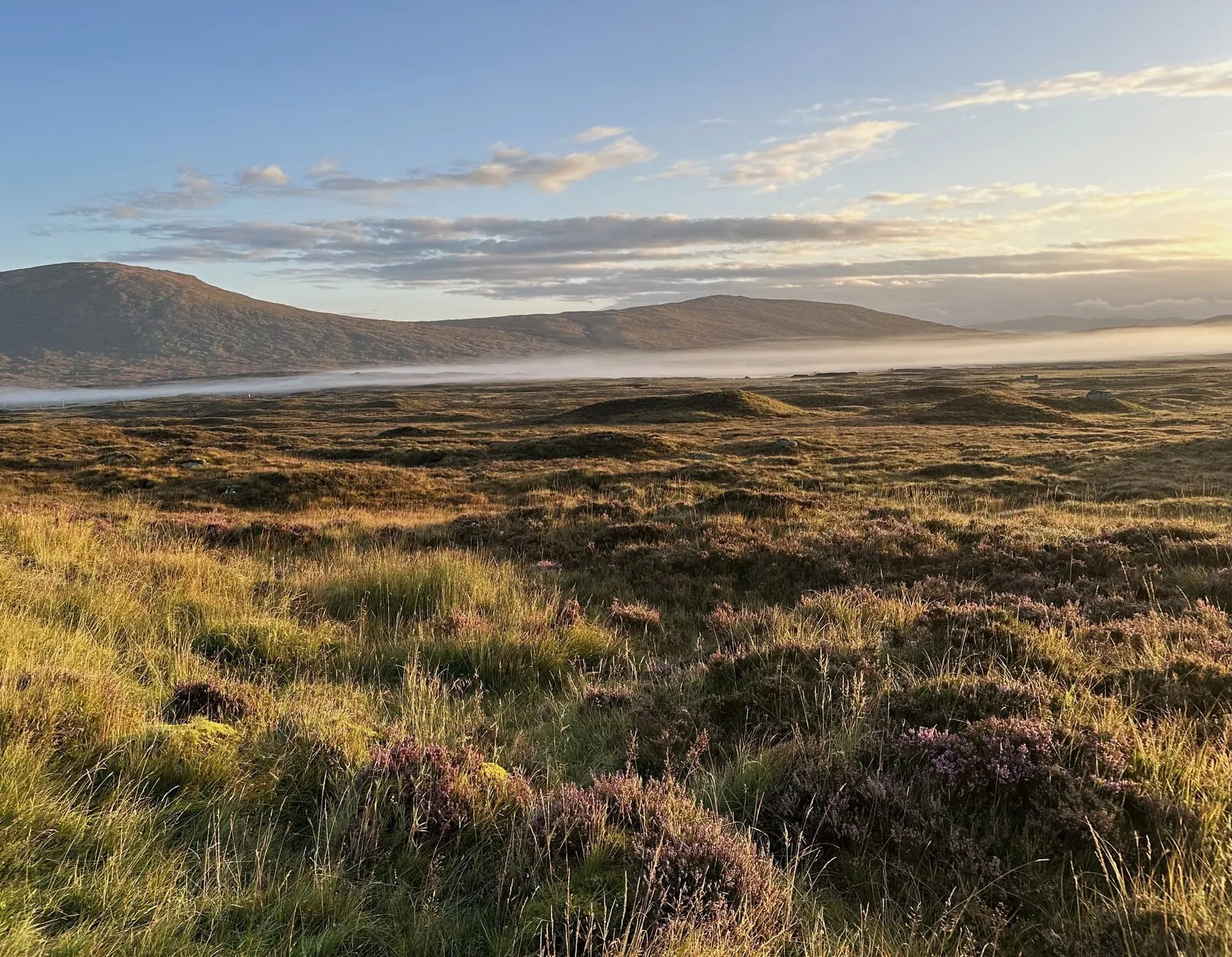
One of Europe's last great wildernesses. This vast peat bog stretches over 100 square kilometres of open moorland — no trees, no houses, just heather, water, and sky. On a sunny day, it is magical. On a misty day, it is epic. Either way, crossing Rannoch Moor is an unforgettable experience.

Devil's Staircase

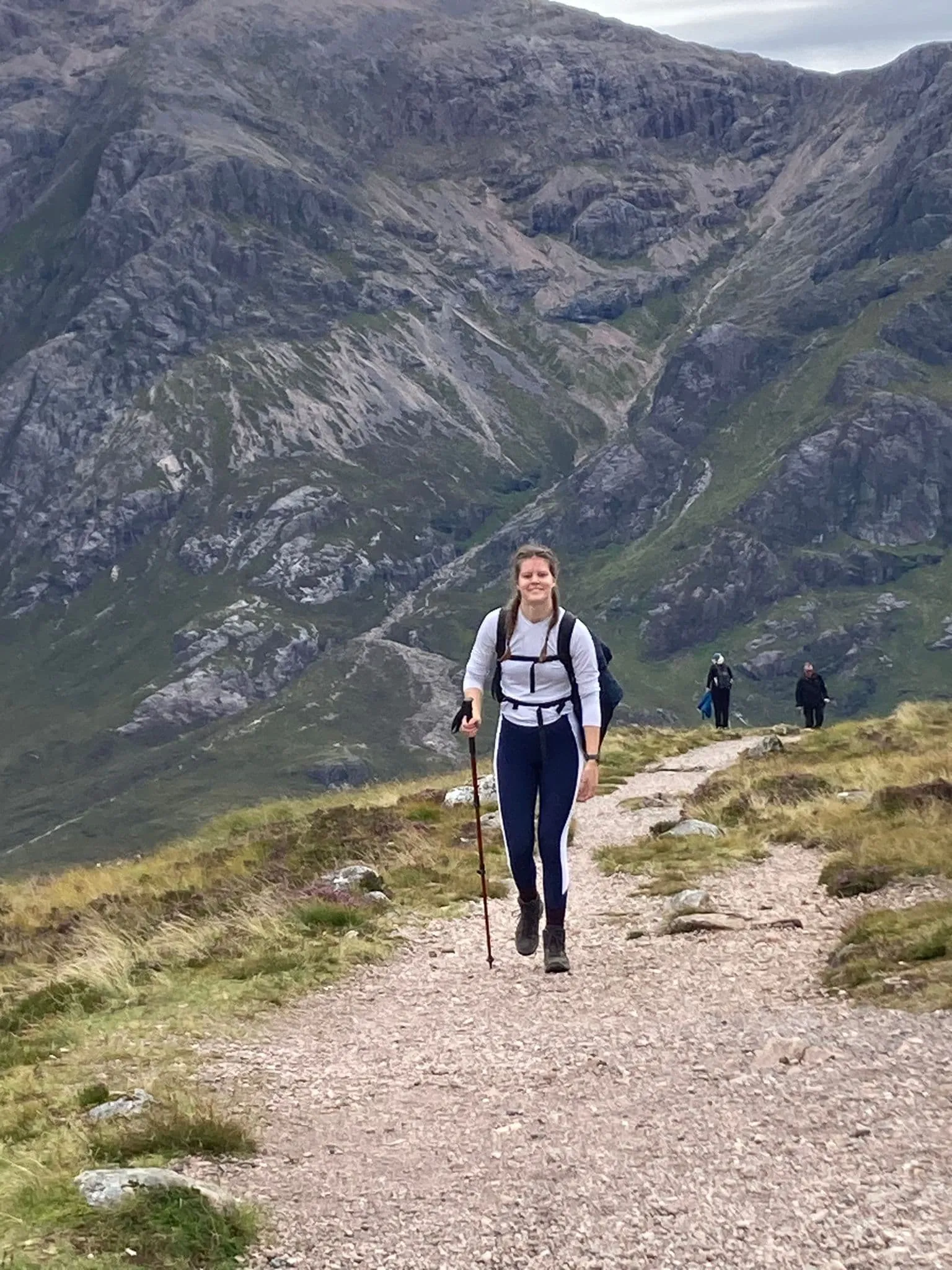
The highest point on the West Highland Way at 548 metres. This old military road zigzags up from Altnafeadh and rewards you with a stunning panorama across Glencoe and the surrounding peaks. Despite the ominous name, the climb is very manageable and takes most walkers about an hour.

Glencoe

Often described as the most dramatic glen in Scotland, Glencoe needs little introduction. Towering ridges, plunging waterfalls, and a haunting history combine to create a landscape that stays with you long after the walk is over. The trail skirts the northern edge of the valley, offering elevated views of this iconic setting.

Ben Nevis

The West Highland Way finishes in Fort William, right at the foot of Ben Nevis — the highest mountain in the British Isles at 1,345 metres. Many walkers add an extra day to summit Ben Nevis as a fitting finale to their Highland adventure.

Is the West Highland Way right for me?

Short answer: probably yes. The West Highland Way is one of the most accessible long-distance hikes in Europe, and that is precisely why it is so popular. You do not need mountaineering skills or specialist equipment — just reasonable fitness and a good pair of walking boots.

Most sections follow well-maintained paths, tracks, and old roads. There are no scrambles, no exposed ridges, and no river crossings without bridges. The daily distances are manageable, especially if you choose a relaxed itinerary of 8 to 10 days. Check our route and stages overview to see what a typical day looks like.

That said, the West Highland Way should not be underestimated. The total distance is 154 km with around 3,650 metres of cumulative elevation gain. Some days involve 6 to 8 hours of walking, and the weather in Scotland can change rapidly. Rain, wind, and low visibility are possible at any time of year — which is exactly what makes it an adventure.

If you can comfortably walk 15 to 20 kilometres on hilly terrain, you will enjoy the West Highland Way. Children from around 12 years old who have some hiking experience can also complete the route. If you are unsure about your fitness, choosing a longer itinerary with shorter daily stages is always a smart option. Take a look at our available packages to find the right pace for you.

Accommodation on the West Highland Way

One of the great advantages of the West Highland Way is the range of accommodation along the route. From cosy B&Bs and country inns to hostels and bunkhouses, there is something for every budget and preference.

Most walkers stay in B&Bs or small guesthouses, which offer comfortable beds, hot showers, and a hearty Scottish breakfast to fuel the day ahead. These are often family-run and located in or near the villages along the trail. Booking in advance is strongly recommended, especially during the peak season (May to September), as the most popular stops fill up quickly.

Hostels and bunkhouses provide a more budget-friendly option, particularly in remote areas like Inveroran and Kingshouse. The Kingshouse Hotel, one of Scotland's oldest licensed inns, is a legendary stop for West Highland Way walkers — perfectly positioned after crossing Rannoch Moor.

Wild camping is permitted along most of the route under Scotland's right to roam legislation — except along the eastern shore of Loch Lomond between Drymen and Rowardennan during the camping management zone season (March to September), where a permit is required.

With a self-guided walking holiday, all accommodation is arranged for you in advance. Your bags are transferred from stop to stop, so you only carry a daypack on the trail. This lets you enjoy the walk without worrying about availability or logistics.

When is the best time to walk the West Highland Way?

The West Highland Way can be walked from early spring through late autumn, but the best months are April to May and September. These shoulder seasons offer pleasant temperatures, fewer crowds, and the landscape at its most atmospheric — think blooming heather in spring and golden tones in early autumn.

Summer (June to August) brings the longest daylight hours, with up to 18 hours of light in June. However, this is also peak season, which means busier trails and fuller accommodation. More importantly, summer is midge season. These tiny biting insects thrive in warm, humid conditions and can be a real nuisance, particularly in sheltered glens and near water. Check our packing list for essential midge protection.

May is the most popular month for the West Highland Way, and for good reason. The midges have not yet arrived in full force, the days are long, and the hills are green. September offers similar conditions with the added bonus of autumn colours and quieter trails.

Scottish weather is famously unpredictable — locals joke about experiencing four seasons in one day. Rain is possible in any month, so waterproof clothing is non-negotiable regardless of when you go. Average temperatures range from 8–15°C in spring and autumn, and 12–20°C in summer.

How to get to the West Highland Way

The West Highland Way starts in Milngavie (pronounced "Mul-guy"), a small town just 16 kilometres north of Glasgow city centre. Glasgow is well-connected by air and rail, making it easy to reach from across the UK and Europe.

Glasgow Airport receives flights from most major European cities, and Edinburgh Airport is about an hour away by bus or train. From Glasgow city centre, regular trains run to Milngavie in around 25 minutes from Glasgow Queen Street station — departures are frequent throughout the day.

At the end of the walk, Fort William is connected to Glasgow by both train and bus. The scenic West Highland Line railway takes around 4 hours and is regularly named one of the most beautiful train journeys in the world — a fitting way to reflect on your adventure. ScotRail and Citylink coaches both operate this route.

If you are flying in from abroad, we recommend arriving in Glasgow the day before your walk starts. This gives you time to settle in, pick up any last-minute supplies from our packing list, and start fresh the next morning. With a self-guided package, transfers and logistics are taken care of, so you can focus entirely on the walk.

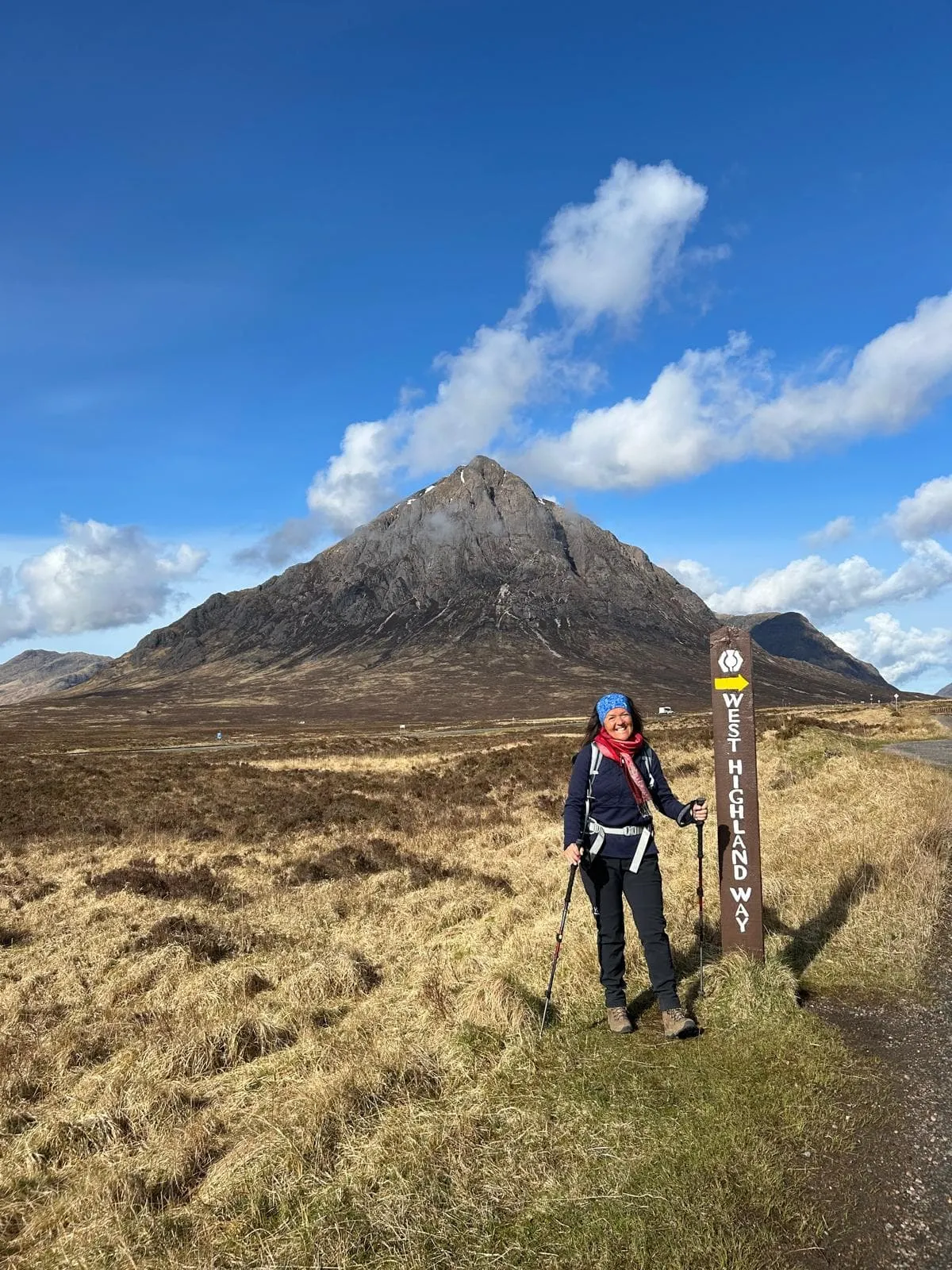
The West Highland Way is one of the best-waymarked trails in the UK. The route is signed throughout with the distinctive thistle-in-a-hexagon marker, making it straightforward to follow even without a map — though carrying one is always recommended.

In clear weather, navigation is rarely an issue. The path is well-trodden and obvious for most of its length. However, on Rannoch Moor and the higher sections around the Devil's Staircase, low cloud or mist can reduce visibility significantly. In these conditions, a basic understanding of map reading adds valuable confidence.

Many walkers use a combination of a printed guidebook and a GPS app on their phone. Popular options include the Ordnance Survey maps (Explorer sheets 347, 348, 364, and 377), the official Harvey West Highland Way map, or digital routes on apps like Komoot or OS Maps. Just remember to bring a power bank — phone batteries drain fast when using GPS in cold weather.

With a Bookatrekking self-guided package, you receive detailed route descriptions and navigation support, so you always know what to expect on the day ahead.

Packing list for the West Highland Way

Clothing & Protection

Waterproof jacketBreathable and lightweight — essential in any season
Waterproof trousersQuick to put on over walking trousers
Walking bootsBroken-in boots with good ankle support
Moisture-wicking layersBase layers and fleece — dress in layers for changing conditions
Warm hat & glovesEven in summer at higher elevations

Gear & Essentials

Daypack (25–30L)With rain cover — your main bag is transferred
Walking polesHighly recommended for descents and tired legs
Water bottle (1–2L)Refill opportunities are limited on remote stages
First aid kitBlister plasters, painkillers, tape
Power bankFor phone/GPS — no charging points on the trail

Scotland-Specific

Midge repellentSmidge brand is the local favourite — essential June to August
Head netLightweight and invaluable on still evenings
GaitersKeep mud and water out of your boots on boggy sections
Sunscreen & sunglassesYes, the Scottish sun can surprise you

How long does it take to walk the West Highland Way?

Most walkers complete the 154 km trail in 6 to 9 days. A relaxed itinerary of 8 to 10 days allows for shorter daily distances of 15 to 20 km, while experienced hikers can finish in 5 intense days. The most popular option is around 7 to 8 walking days.

Do I need to be very fit to walk the West Highland Way?

You need a reasonable level of fitness, but you do not need to be an athlete. If you can comfortably walk 15 to 20 km on hilly terrain, you will manage well. The path is well-maintained with no scrambling or technical sections. Choosing a longer itinerary with shorter daily stages makes it accessible to most people.

What is the best time of year to walk the West Highland Way?

The best months are May and September. May offers long days, green hills, and fewer midges. September brings autumn colours and quieter trails. June to August is warmer but brings more midges and busier paths. April and October are possible but expect cooler temperatures and shorter days.

What are midges and how do I deal with them?

Midges are tiny biting insects common in the Scottish Highlands from June to August, especially in sheltered, damp areas. They do not carry diseases but their bites are itchy and annoying. A good repellent (Smidge is the local favourite), a head net for evenings, and choosing exposed or breezy rest spots will keep them manageable.

Can I walk the West Highland Way solo?

Absolutely. Many walkers tackle the trail solo and it is perfectly safe. The route is well-waymarked, and you will pass other walkers throughout the day. With a self-guided package, your accommodation and luggage transfers are pre-arranged, so you have full support even when walking alone.

Do I need to carry all my luggage?

Not with a self-guided walking holiday. Your main bag is transported from accommodation to accommodation each day, so you only carry a light daypack with water, snacks, and waterproofs. This makes a huge difference to your comfort and enjoyment on the trail.

Is wild camping allowed on the West Highland Way?

Yes, wild camping is permitted under Scotland's right to roam legislation. The exception is the eastern shore of Loch Lomond between Drymen and Rowardennan from March to September, where a camping management zone requires a permit. Leave no trace and camp responsibly.

Can I walk just part of the West Highland Way?

Yes. The southern half (Milngavie to Tyndrum, ~84 km) and the northern half (Tyndrum to Fort William, ~70 km) are both popular shorter options. The southern half is gentler and passes Loch Lomond, while the northern half offers the wildest Highland scenery including Rannoch Moor, the Devil's Staircase, and Glencoe.