Hiking in Spain: Solar Eclipse 2026

Hiking in Spain: Solar Eclipse 2026
Trekking experts per destination
Free cancellation up to eight weeks in advance
Quick personal advice

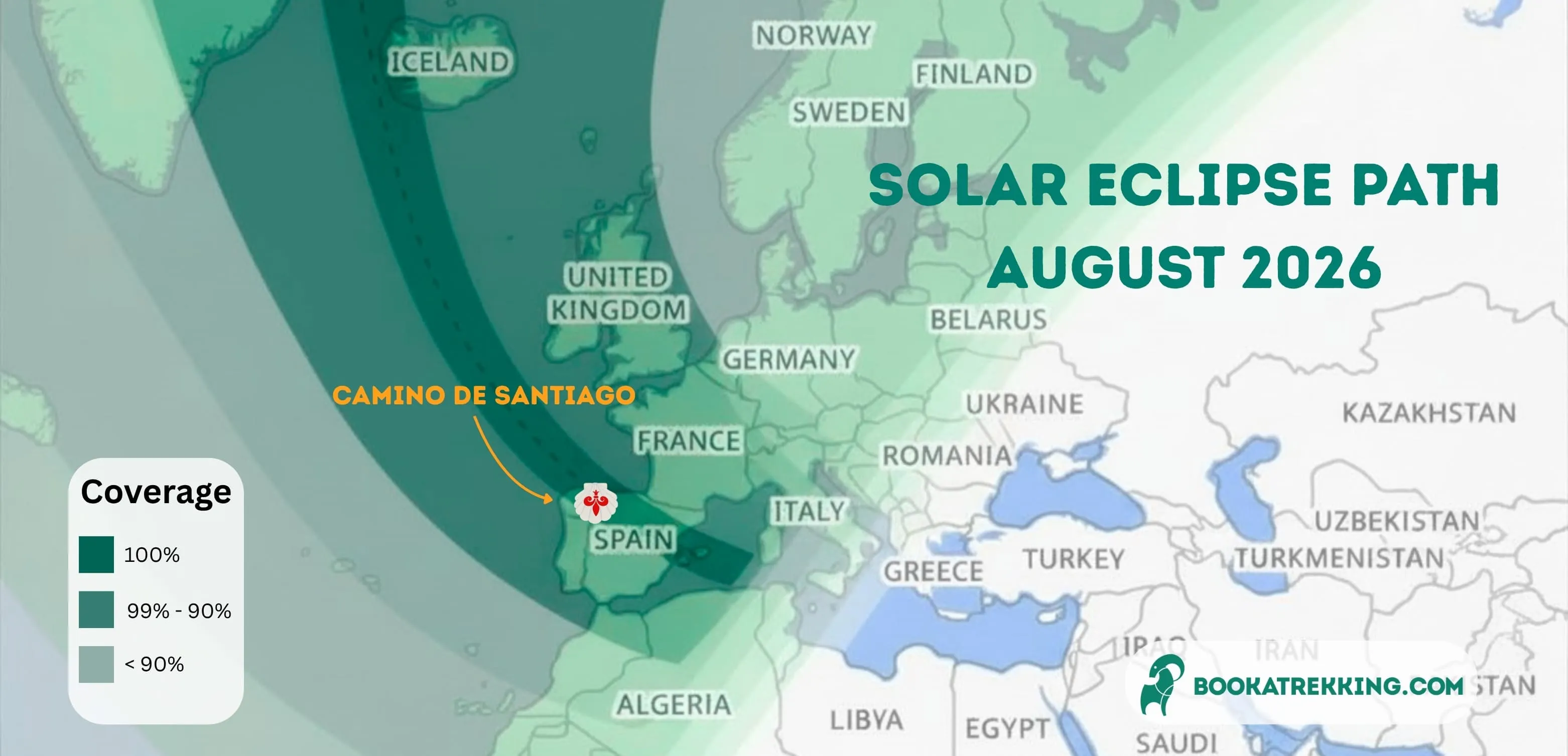
On August 12, 2026, a total solar eclipse will cross the Iberian Peninsula — the first to do so in over 120 years. The path of totality sweeps from Galicia in northwest Spain southeastward through León, Burgos, Zaragoza, and the Balearic Islands, before continuing into the Mediterranean. For hikers and trekkers, this is a once-in-a-lifetime opportunity: the eclipse path passes directly through some of Europe's most iconic long-distance hiking routes, including the Camino de Santiago.

The eclipse occurs close to sunset (around 20:28–20:33 CEST), meaning the sun will be low on the horizon — so where you watch matters just as much as whether you're in the path of totality. By combining official eclipse data with our on-the-ground knowledge of these routes, we’ve identified the areas that offer both full coverage and the best chances for clear visibility. These geographical and climatic factors make careful location choice essential for an optimal eclipse experience.

Total Solar Eclipse

Eclipse Hiking 2026

12 August 2026 — Northern Spain — 20:28 CEST

---
Days
:
--
Hours
:
--
Minutes
:
--
Seconds
bookatrekking.com

Ranking the Best Hiking Trails for the 2026 Eclipse

Not all trails in the eclipse path offer the same viewing experience. Our analysis considers three factors: eclipse coverage percentage, the likelihood of clear visibility based on sun elevation and surrounding terrain, and how many stages of your trek take place within the path of totality — increasing your chances of being in the right place when the eclipse occurs.

Camino signpost
#1 Best Choice

Camino Francés: Sarria to Santiago

8 days · ~115 km · Galicia, Spain

Locations in Totality Zone: 5 of 8 Coverage: 100% Total Visibility: Highest Chances

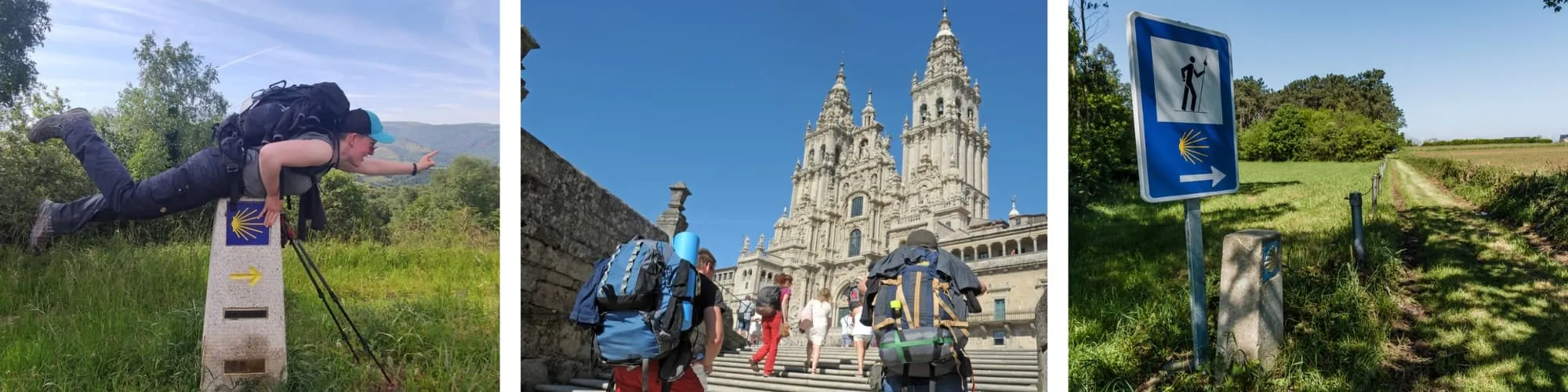
The final 115 kilometres of the Camino Francés are the most popular. Walking through traditional Galician villages, the route offers some of the best viewing conditions for the eclipse, with several locations within the totality zone.

View Camino Francés trek →

Camino de Santiago waymarker
#2 Great Choice

Camino del Norte: Baamonde to Santiago

7 days · ~121 km · Galicia, Spain

Locations in Totality Zone: 4 of 7 Coverage: 100% Total Visibility: Great Chances

The quieter alternative of the Camino del Norte offers excellent conditions for viewing the eclipse, particularly in the early stages. Starting in Baamonde, it combines great viewing opportunities with lush coastal landscapes.

View Camino del Norte trek →

Camino pilgrim route
#3 Strong Option

Camino Portugués: Tui to Santiago

8 days · ~121 km · Galicia, Spain

Best Eclipse Position: Closer to Santiago Coverage: 99% Partial Visibility: Good Chances

Passing through historic towns, vineyards and wooded trails, the culturally rich Camino Portugués is a great alternative. As you approach Santiago, the eclipse coverage reaches 99%, offering a calmer route without compromising on the spectacle.

View Camino Portugués trek →

Santiago de Compostela Cathedral
#4 Strong Option

Coastal Camino Portugués: Baiona to Santiago

8 days · ~132 km · Galicia, Spain

Best Eclipse Position: Closer to Santiago Coverage: 99% Partial Visibility: Good Chances

This scenic coastal route from Baiona offers Atlantic views and beaches, as well as traditional stages of the Camino Portugués. With eclipse conditions improving to around 99% coverage near Santiago, this is a less crowded alternative with beautiful sea views.

View Coastal Camino Portugués trek →

Why the Camino Francés Is the #1 Eclipse Hiking Trail

The Camino Francés from Sarria to Santiago is an 8-day self-guided hike covering around 115 km through the green hills of Galicia. It’s the most popular section of the Camino — and in August 2026, one of the best places in Europe to experience a total solar eclipse.

Five of the eight days take place within the path of totality, giving you excellent chances of witnessing the eclipse. You’ll pass through Portomarín, Palas de Rei, and Melide — all in the heart of the totality zone — before finishing in Santiago de Compostela. The trek includes accommodation, luggage transfer, and a navigation app. With average walking times of around 4 hours per day, this route is suitable for all fitness levels and ideal for combining the Camino experience with a rare astronomical event.

Eclipse Day tip: If August 12 falls between Sarria and O Pedrouzo in your itinerary, you’ll be well positioned. As you’ll already be at your accommodation, look for a nearby spot with elevation and a clear, open horizon.

Why the Camino Francés Is the #1 Eclipse Hiking Trail

What Most Eclipse Maps Don’t Tell You

This is one of the key findings from our research. While many hiking routes fall within the path of totality, that does not automatically make them good eclipse locations. On paper, they may show 100% coverage — but in reality, factors like weather, terrain, and sun position can significantly reduce your chances of seeing it.

Take Iceland, for example. It lies within the path of totality, but August typically brings a high chance of cloud cover — limiting visibility despite perfect alignment. In the Mallorca and Ibiza, the eclipse occurs just before sunset. With the sun extremely low on the horizon, surrounding terrain is likely to block the view — meaning it may not be visible at all. Similar issues occur in mountainous regions like the Picos de Europa, where high peaks can obstruct the sun at low elevation.

In short: Being in the path of totality is not enough. Clear horizons, favourable terrain, and realistic weather conditions are essential.

What Most Eclipse Maps Don’t Tell You

Planning Tips for Eclipse Hikers

When Should I Start My Trek for the 2026 Solar Eclipse?

The total solar eclipse will take place on August 12, 2026, in the late evening (around 20:28–20:33 CEST), so timing your trek is key. With this in mind, you’ll want to plan your itinerary so that you reach one of the best viewing areas on that exact day. Along the Camino Francés, locations such as Melide, Palas de Rei, and even Santiago de Compostela lie within the zone of totality and offer excellent conditions to experience the eclipse. For example, starting your trek between August 7–10 will typically place you in this section of the route on August 12 — the big day.

What Do I Need to Bring to Safely Watch the Eclipse?

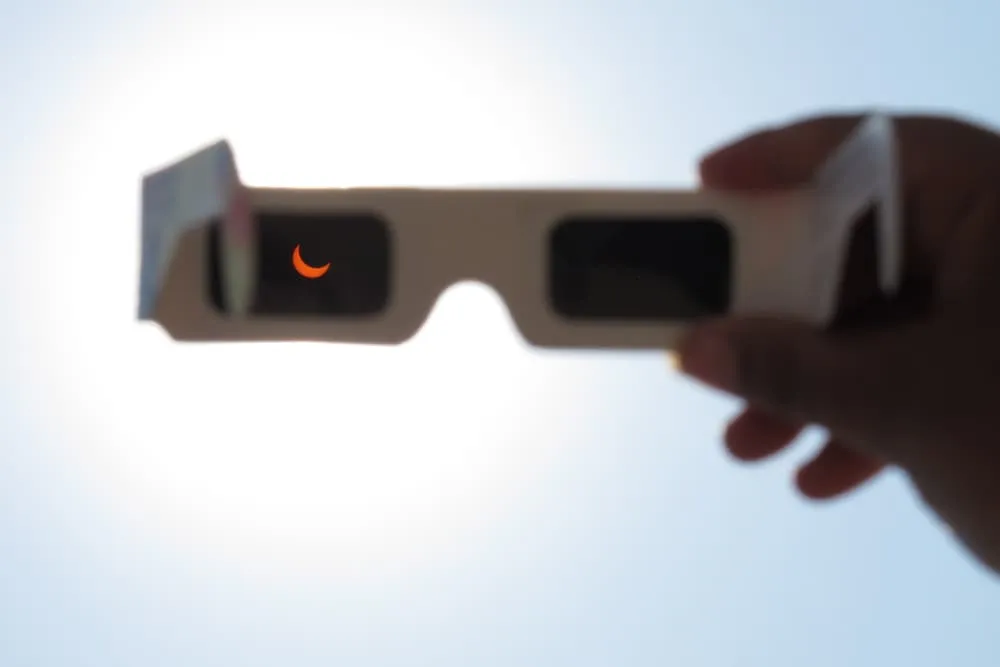
Certified solar eclipse glasses (ISO 12312-2) are essential for watching the partial phases before and after totality. During the brief moments of totality itself, you can safely look at the corona with the naked eye — but only when the sun is completely covered. Never look directly at a partially eclipsed sun without proper eye protection.

How Early Should I Book My Camino Trek?

As early as possible. Accommodations along the Camino in Galicia for mid-August 2026 are in extremely high demand due to the eclipse. Once you submit your booking request, our team will check availability with our local partners and confirm your reservation as quickly as possible. We strongly recommend booking early to secure the best options, as availability will become increasingly limited closer to the date.

What Are the Weather Conditions Like in Galicia in August?

August in Galicia is generally warm and dry, with temperatures around 20–28°C. Cloud cover is always a possibility, but statistically, mid-August offers some of the best weather of the year. Inland locations like Melide or Palas de Rei typically provide better viewing conditions than the coast.

Don't miss this once-in-a-lifetime event, a rare opportunity to experience a total solar eclipse from one of Europe’s most iconic hiking routes. → Browse all Camino treks