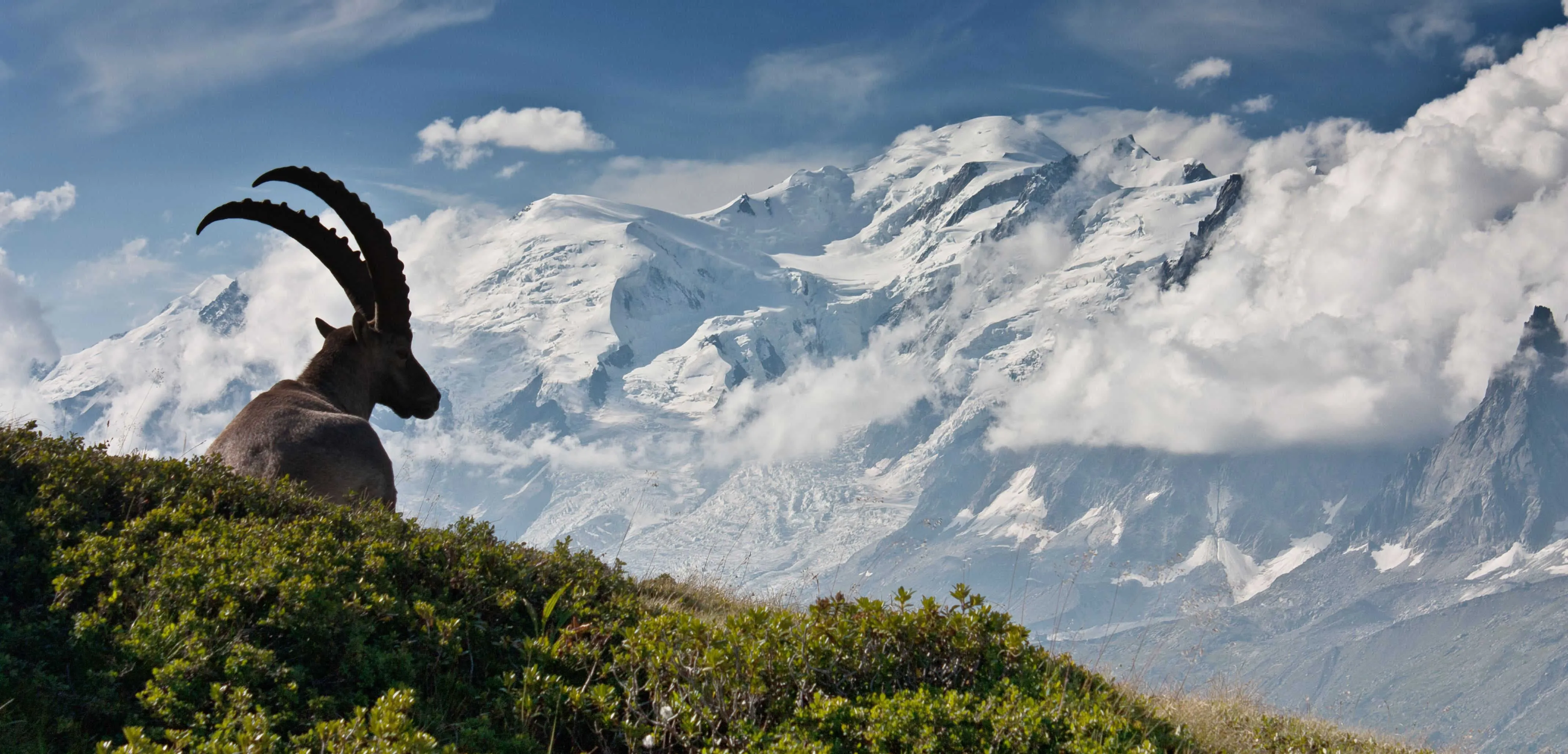
France’s biodiversity is closely linked to its geography. Within a relatively small area, the country contains several distinct mountain systems.
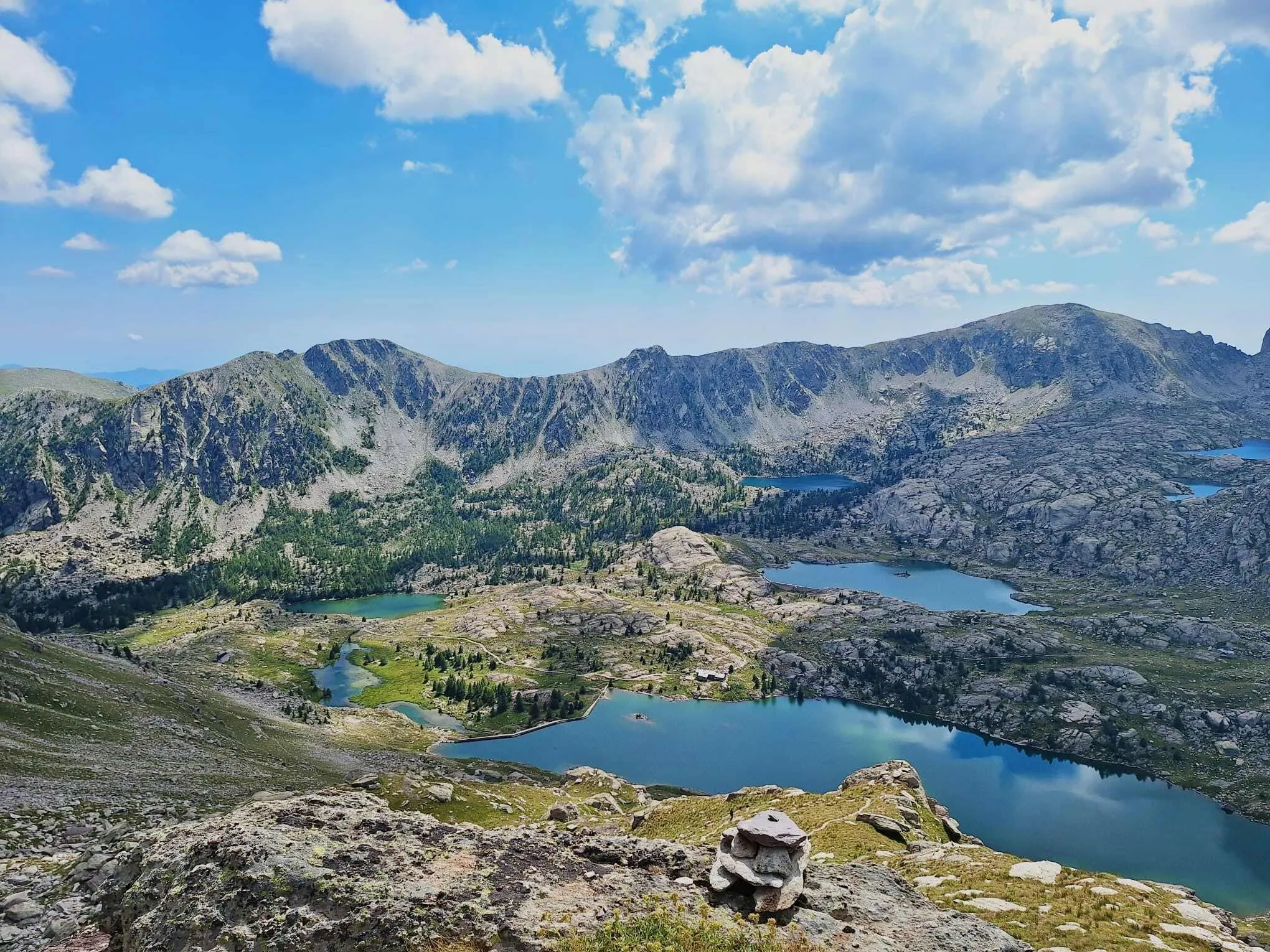
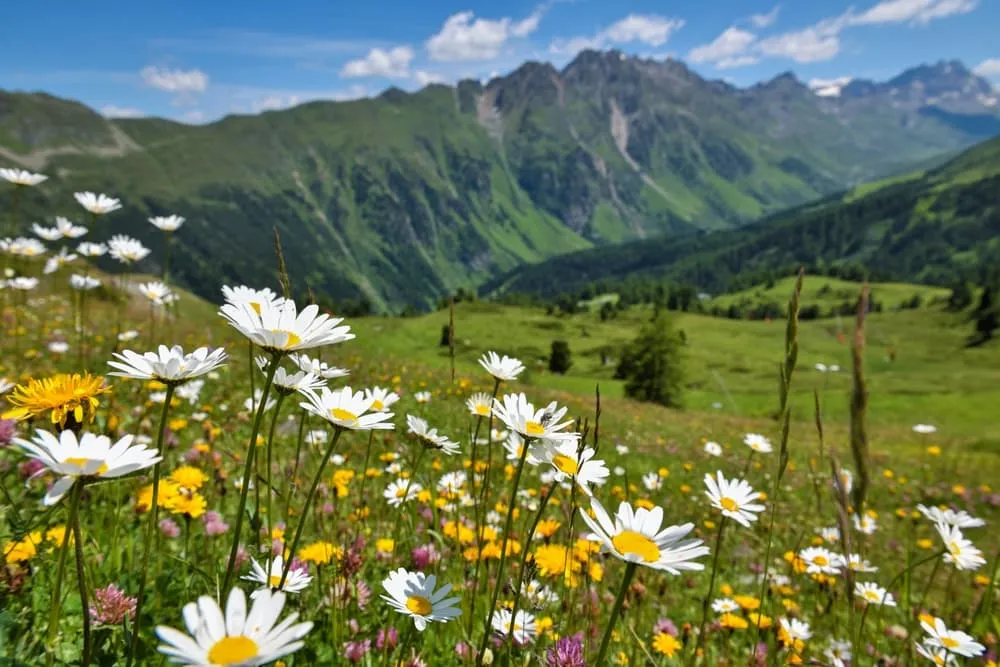
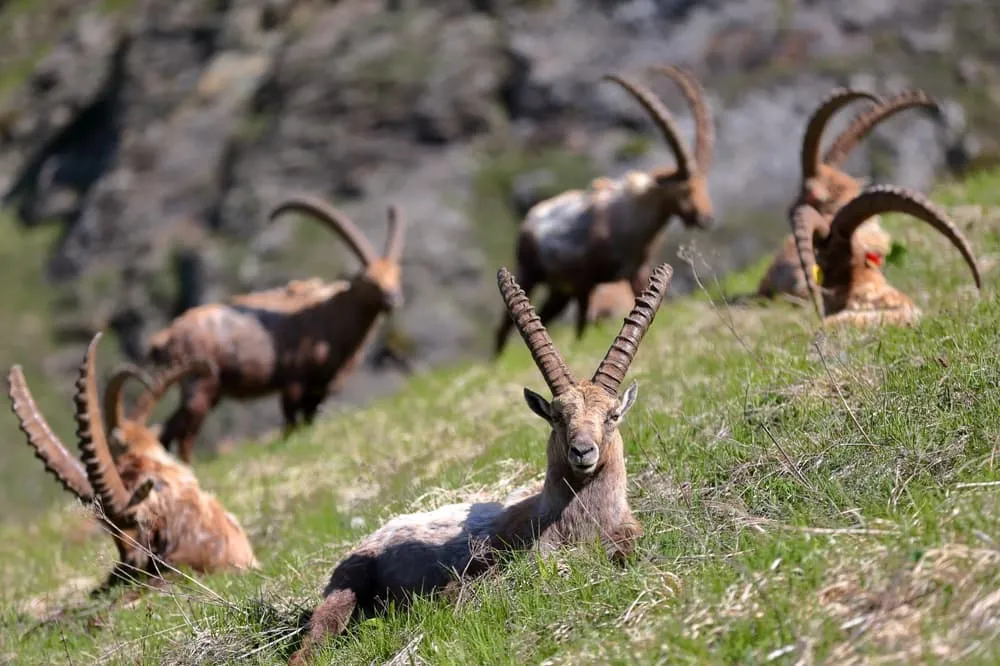
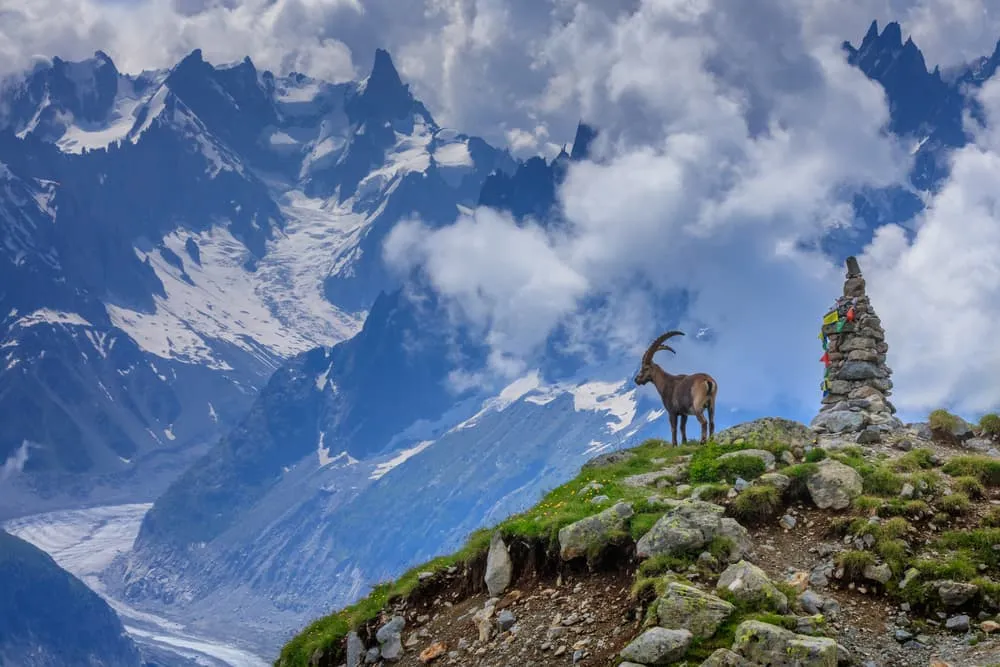
The French Alps dominate the east, forming one of Europe’s highest mountain ranges. Their steep elevation gradients create a sequence of natural zones, from valley forests to high alpine tundra.
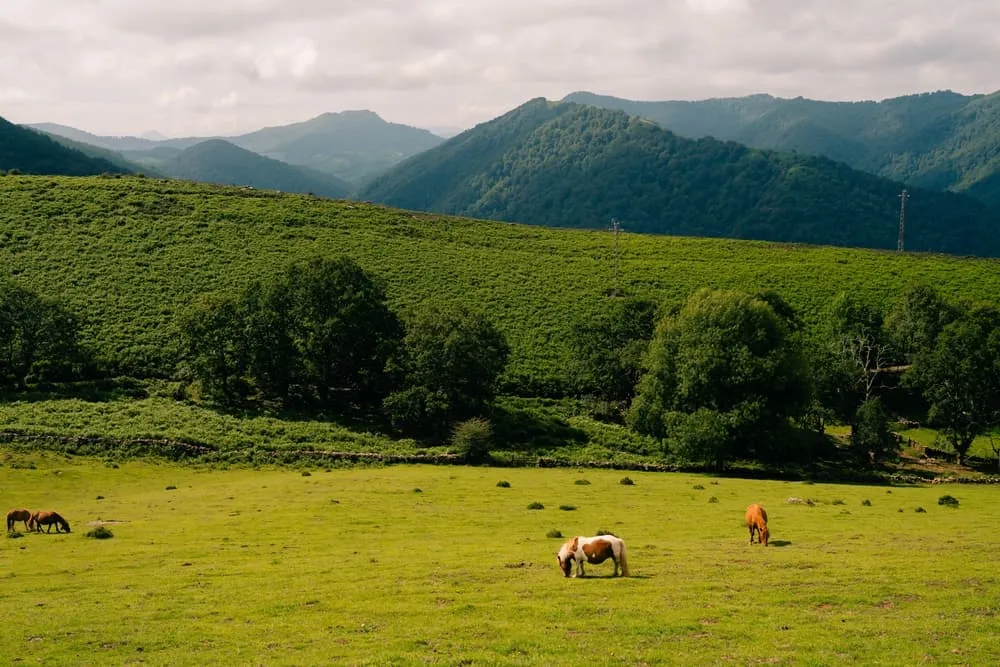
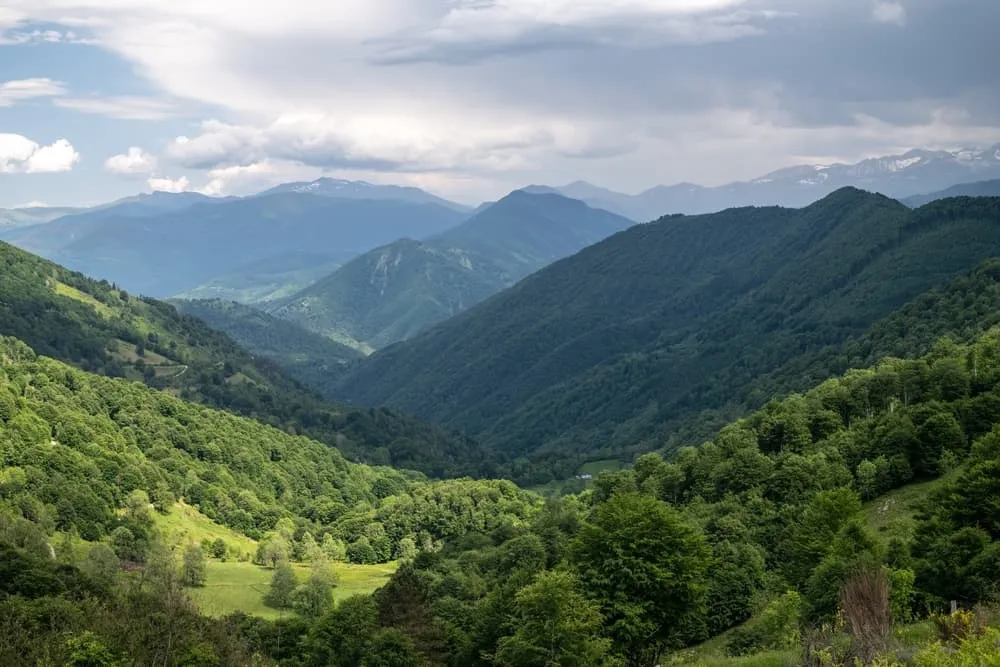
To the south, the Pyrenees form a natural border with Spain. These mountains sit at the meeting point of Atlantic and Mediterranean climates, producing an especially diverse environment.
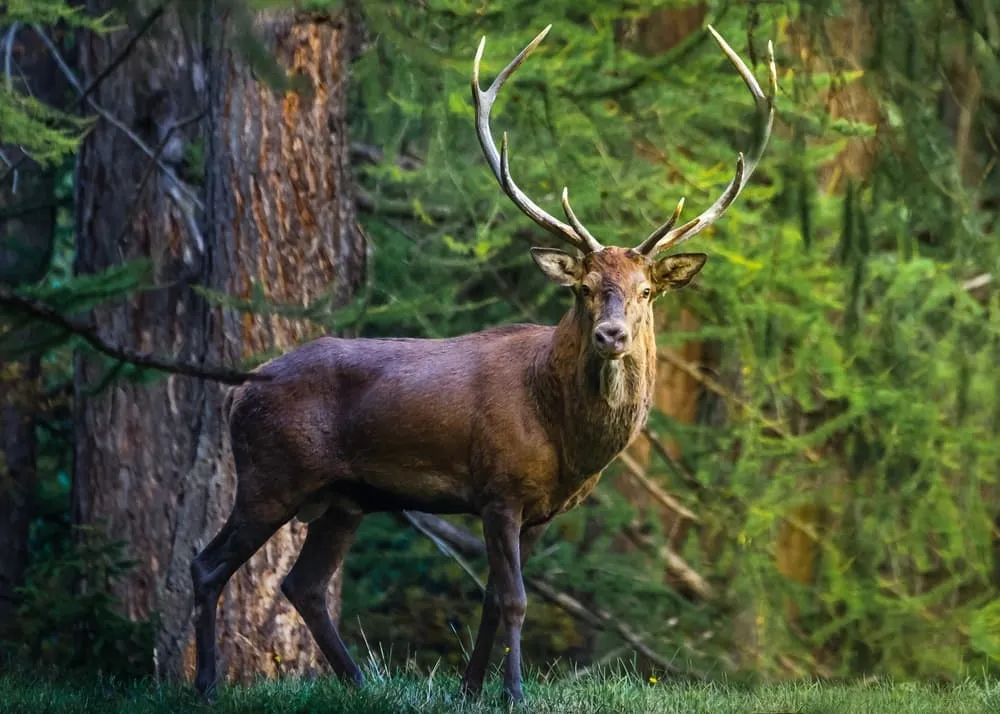
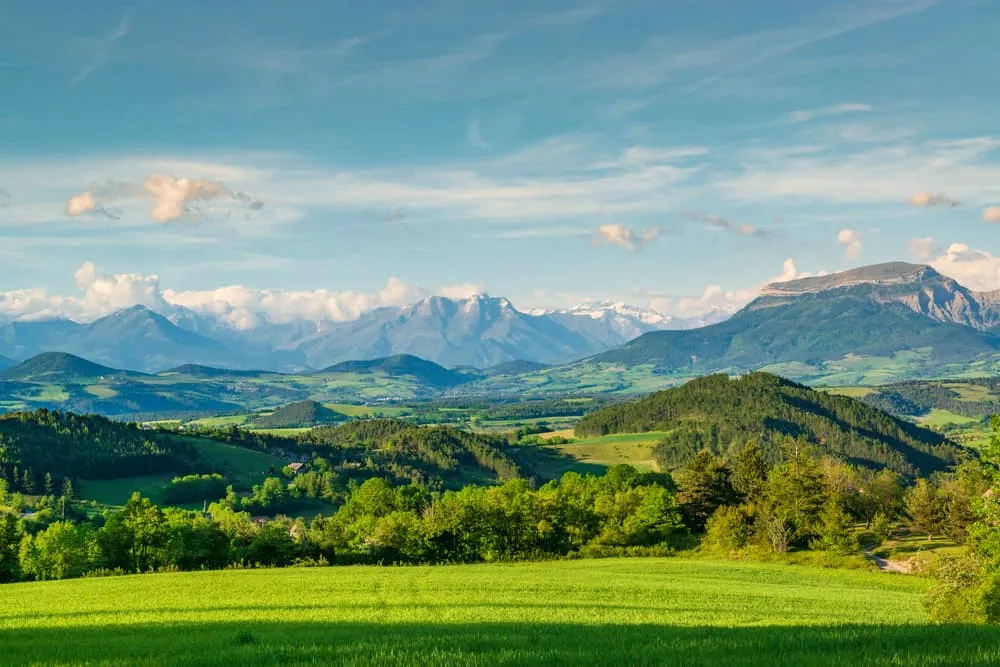
Further north and west lies the Massif Central, an ancient volcanic landscape with rolling mountains, high plateaus, and deep valleys. While lower than the Alps or Pyrenees, these mountains host rich grasslands and forests filled with wildlife.
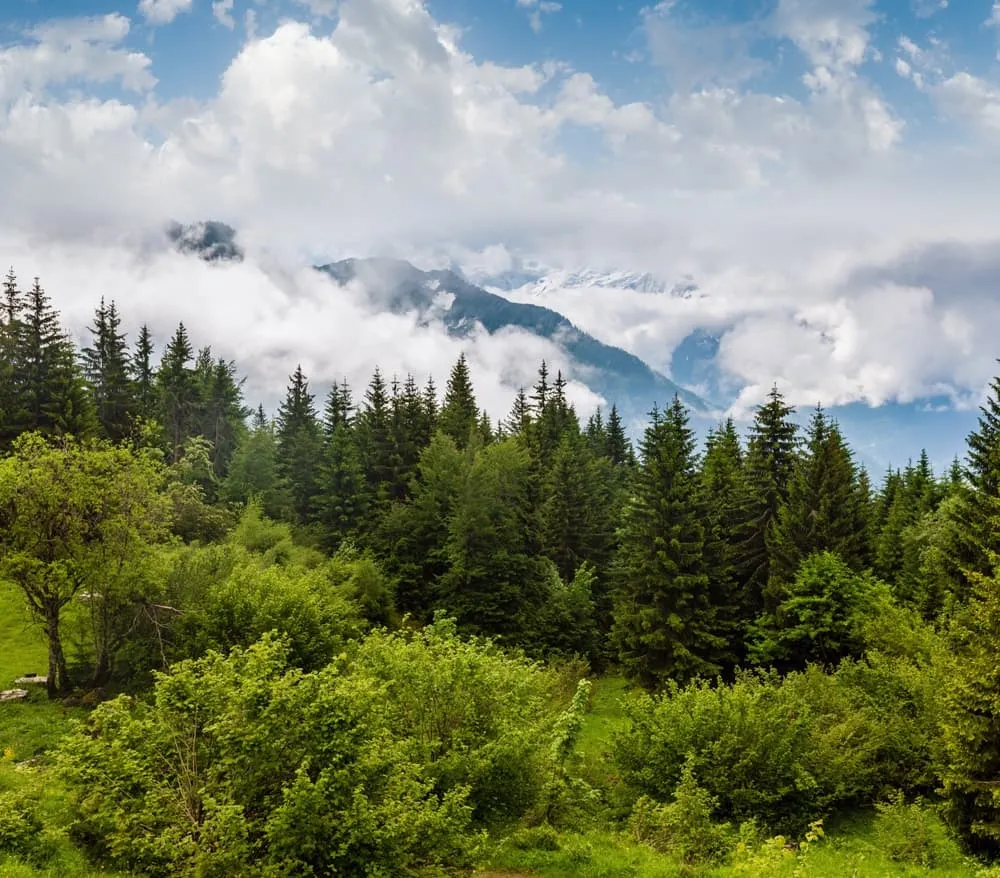
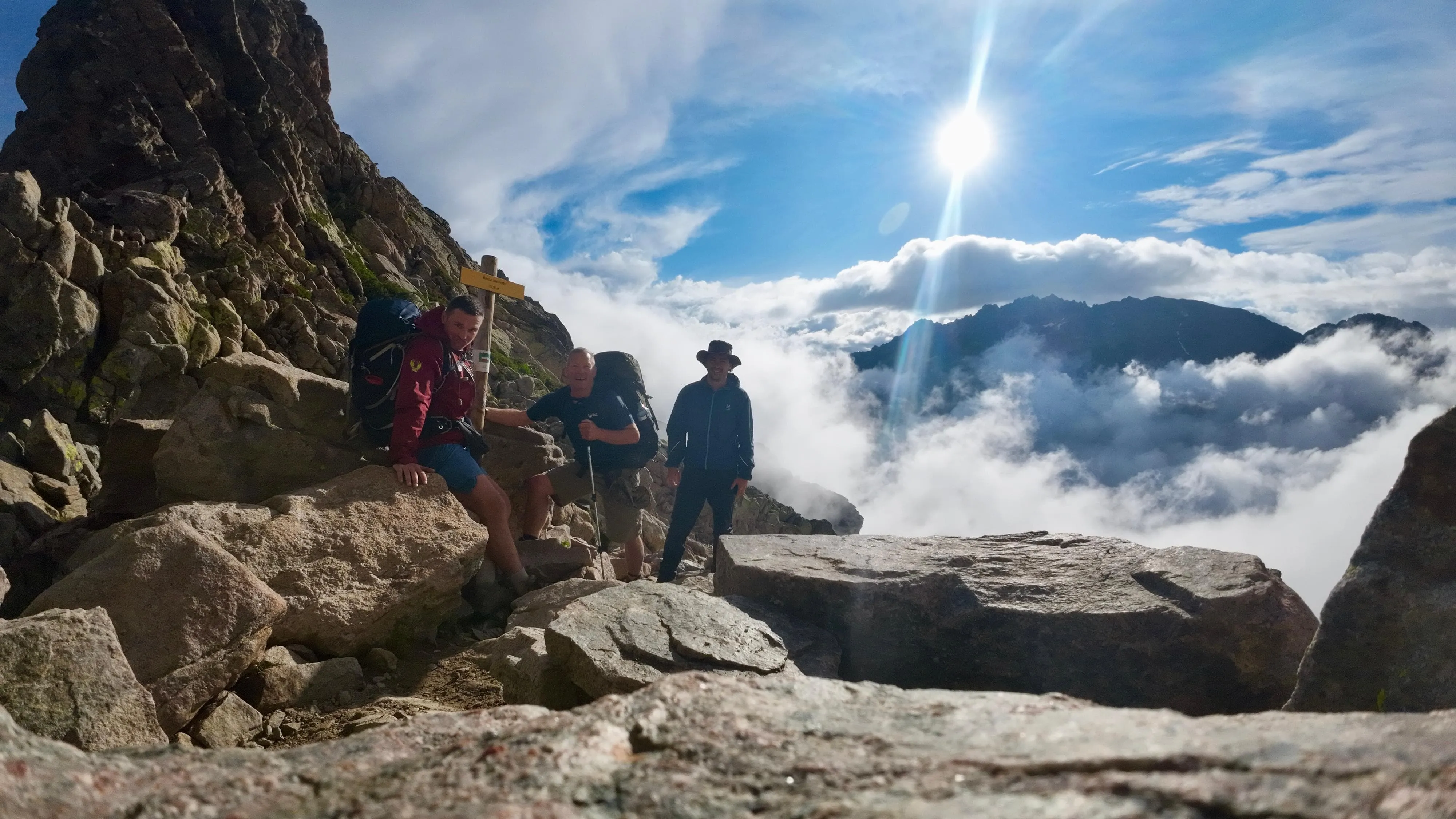
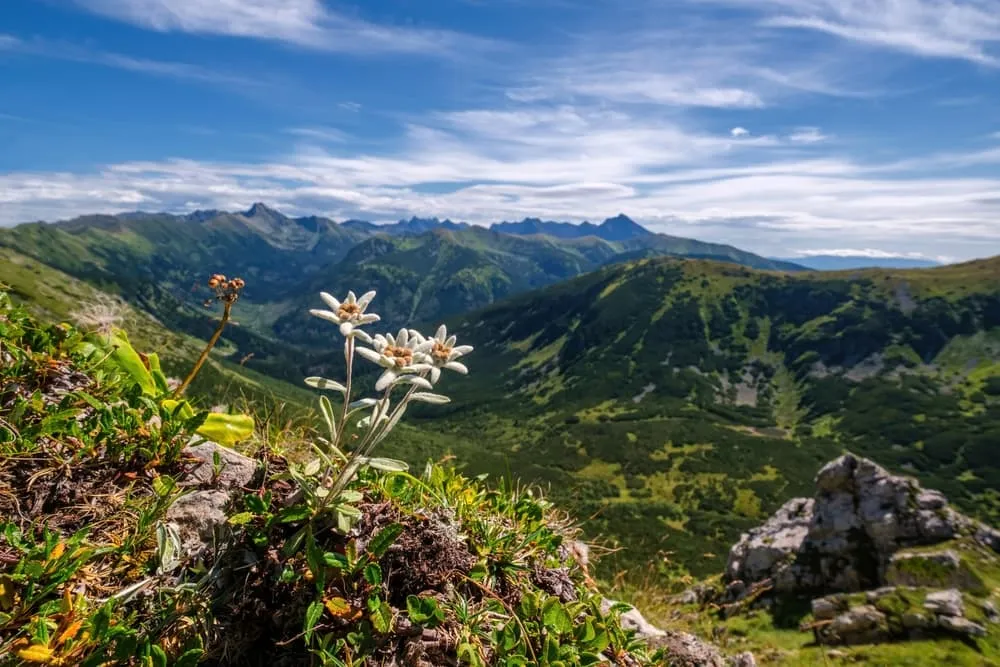
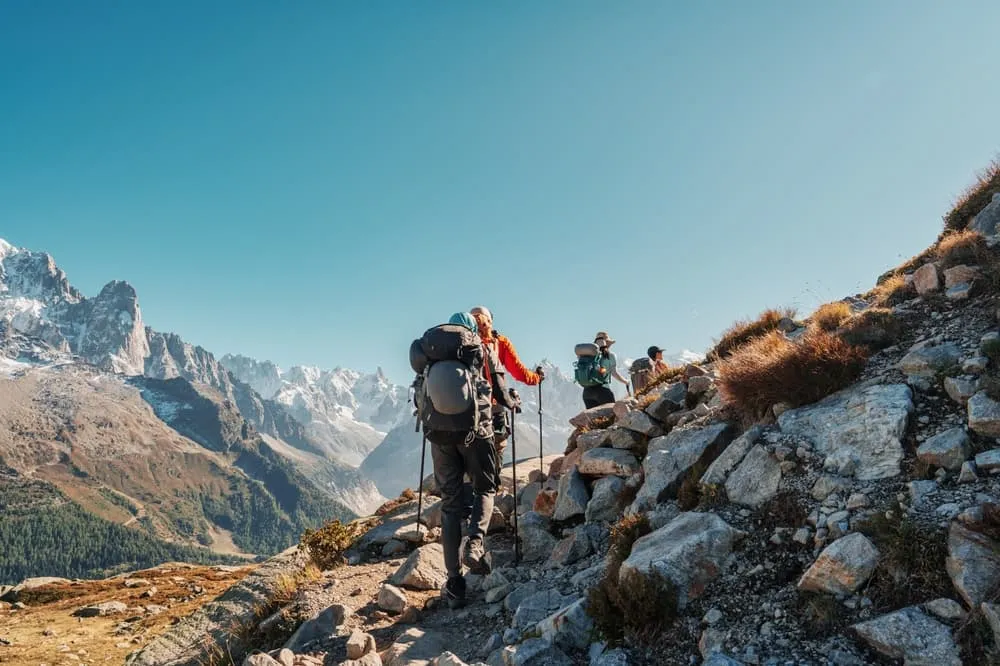
Across all these regions, altitude plays a decisive role. As hikers climb higher, temperatures drop, wind exposure increases, and vegetation gradually changes. What begins as a walk through forests can end above the tree line, where only the toughest alpine plants survive.