

Weekend Hiking Trips

Weekend Hiking Trips
Trekking experts per destination
Free cancellation up to eight weeks in advance
Quick personal advice

Two or three days away, a real point-to-point walk, and no planning to do yourself

A weekend hiking trip is a shortened multi-day walk, not a day trip that loops back to the car. You set off in a new direction each morning, sleep somewhere different each night, and finish somewhere that feels like a proper end point rather than the place you parked. Two to three walking days, one or two nights on the route, and your luggage travelling ahead of you by road.

It suits anyone with a few free days rather than a free week: a first taste of hut life before committing to a whole trek, a weekend away with a partner or a small group, or a way back into walking after a long break. We book every bed along the route, arrange the luggage transfer between them, and give you offline navigation, the GPX track for each stage and a weather forecast per hut in the app. You walk with a day pack.

If two days leave you wanting more, the 3-day hut-to-hut tour is the same format with one extra walking day.
What's included in your weekend hike

✓ Every night booked and paid for along the route
✓ Luggage moved between overnight stops, so you carry a day pack
✓ Half board in the mountain huts: dinner and breakfast
✓ Offline navigation and the GPX track for every stage in the Bookatrekking app
✓ A weather forecast per hut, on the coordinates of where you sleep — not a regional one
✓ Route documentation and the practical detail of how the trip runs
✓ Our team reachable while you are on the trail

You arrange your own travel to the start and back from the finish, lunches along the way, and your personal kit. Half board is standard in mountain huts; in valley hotels it varies by route. Prices and available start dates are on each trip page.

Expert tip

How to choose a weekend hiking trip

Be honest about how much of the weekend is actually walking. Two days sounds generous, but with travel the evening before and a departure on the last afternoon you often have one and a half real walking days. Pick stages you can enjoy rather than ones that stretch you, and treat travel and walking as separate blocks of time — two hours in the car in the morning plus four hours on the trail is a longer day than it looks on paper.

Check the return connection before you book. In many mountain areas the last bus from a finishing point goes mid-afternoon on a Sunday, and that single detail decides which route is realistic. Book earlier than feels necessary, too: weekend beds in the popular huts are the first to go, and a search two weeks out in high summer usually finds nothing.

Where to go for a two day hike

The Dolomites do short formats better than anywhere else in the Alps. Each of these is a two day hike: one walking day out, a night in a rifugio and one day back, on sections of routes that normally take a week — so you get the scenery of a long trek without the holiday allowance.

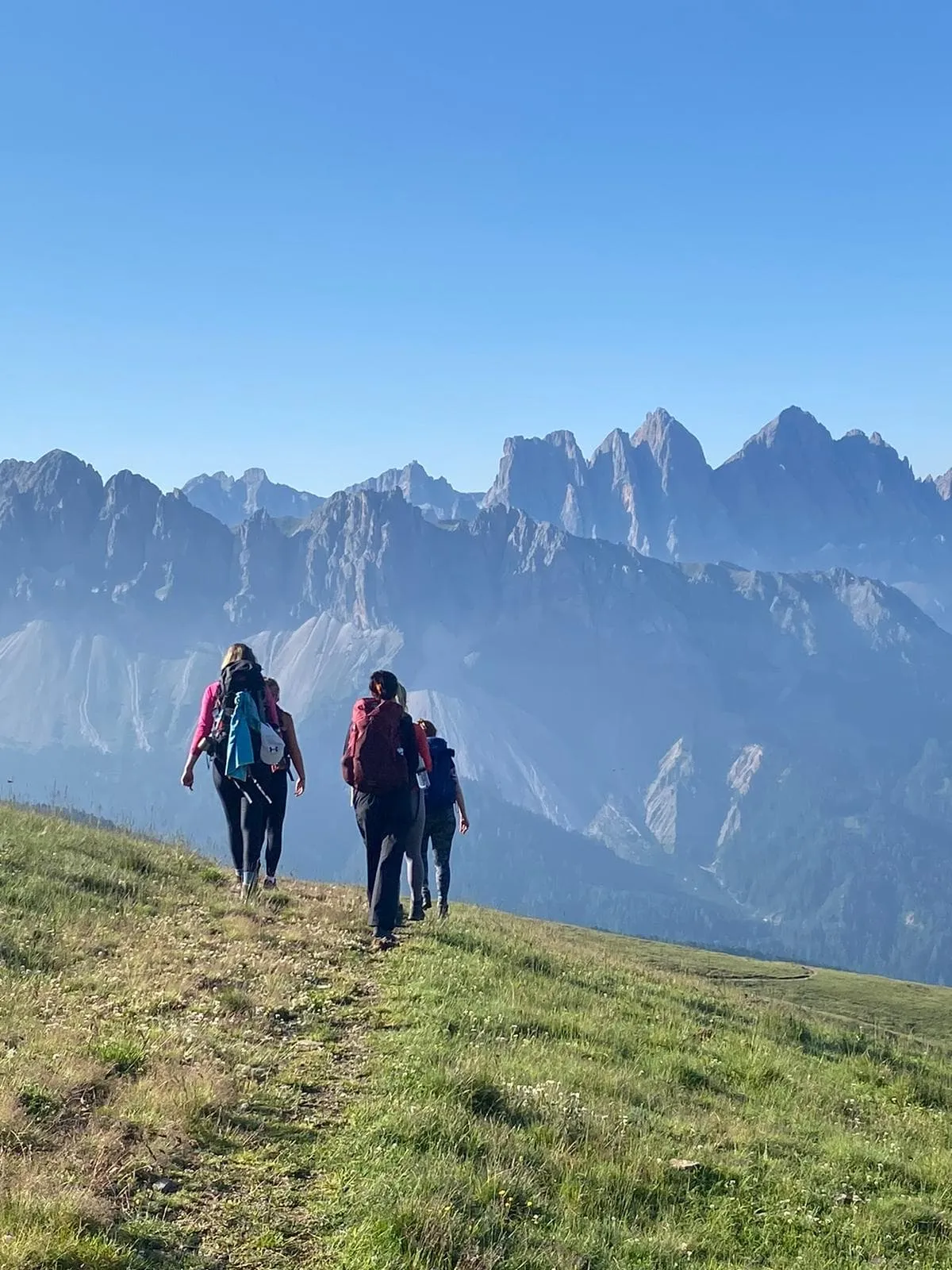
Lagazuoi and Lago di Braies are the two best-known openings of the Alta Via 1: the climb from the green water of the lake up to Rifugio Biella, or the tunnels and terraces of the Lagazuoi massif with one of the most famous rifugios in Italy at the top. Cadini di Misurina and Seceda trade the famous name for quieter paths and the same limestone. Staying the night is the whole point: the viewpoints that are shoulder to shoulder at midday are empty at seven in the evening and again at seven in the morning, when the cable cars are still shut.

 6677
6677

If this is your first time sleeping in the mountains, or you are bringing children, start gentler. These routes stay on well-made paths without exposure, the daily stages stay short enough to leave room for a long lunch or a swim, and the overnight stops are comfortable rather than spartan.

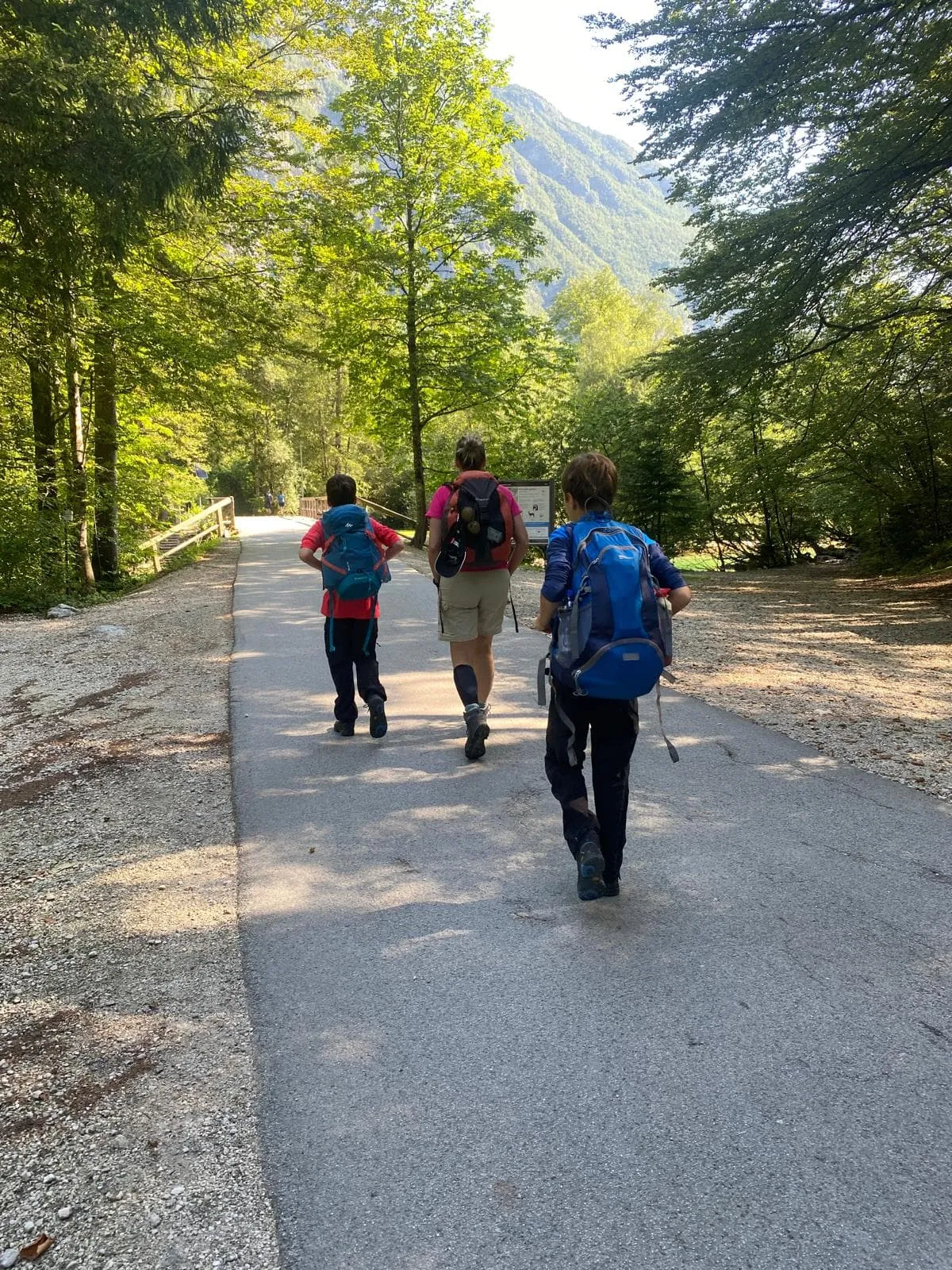
The Partnachklamm route works from Garmisch with a gorge that children remember for years. Famiglia Alta Via 1 is a family-shaped version of the Dolomites classic, and the Triglav Lakes Loop in Slovenia gives you a proper mountain valley with huts that are used to walkers who are not yet mountaineers. The step up from a low-mountain walk to an alpine hut tour is bigger than it looks on paper — there is no reason to take it in one go.

 6584
6584

Can you stretch the weekend by a day? Three days changes the trip completely: you get a middle day with no travel in it at either end, and that is almost always the best walking of the lot. The logistics stay the same and so does the luggage transfer; you simply sleep twice instead of once.

The three-day versions of these weekend hiking trips run from the gentle to the genuinely demanding. Lago di Braies to Lagazuoi links both Alta Via 1 highlights into one route, the Dolomiti Highlights Trek crosses the Puez-Odle park from Bressanone to Ortisei, and the Mini Tour du Mont Blanc takes the steepest Swiss stretch of the most famous circuit in the Alps. Short Alta Via 2 adds via ferrata sections for walkers who want their weekend to have some bite.

 12243
12243

Hiking weekend: low mountains or Alps?

The Alps are not the only answer, and for a lot of weekends they are not the best one. The deciding factor is usually travel time: a region you can reach in two hours gives you far more walking than one that costs you a morning in each direction.

Low mountain ranges have a much longer season than the high Alps and no hut calendar to work around. The Moselle means vineyards rising straight out of the river, narrow slate paths above the water and villages that are genuinely quiet in the evening. The Eifel combines volcanic craters, maar lakes and mixed woodland on trails that stay walkable deep into autumn. The Harz has mining towns and lonely upland moors; the Sauerland has surprisingly wild ravine valleys along the Rothaarsteig; the Black Forest is gentler and more wooded in the north, with views towards the Alps in the south. None of these need a fear-of-heights conversation.

The pre-Alps and the Allgäu are where most people have their first alpine night: huts with half board, trails above the treeline, but without the exposure of the high ridges. Berchtesgaden and Chiemgau add comfortable huts and well-signposted paths, which makes them forgiving for a first attempt.

Austria and Switzerland are the step up. Austria combines Tyrolean and Salzburg scenery with a hut culture that is hard to find anywhere else — family-run, regional cooking, dormitories or shared rooms as part of the deal. Read more in our Walking in Austria article. Switzerland, and the Bernese Oberland in particular, is spectacular but has longer and more demanding approaches that reward prior experience.

Hiking weekend: low mountains or Alps?

How a weekend hiking trip works

You choose a route and a start date. We book every night along it, from the first to the last, and arrange the transfer of your main bag between stage end points so you walk with a day pack holding water, rain gear, a warm layer and lunch.

What you get in the app matters more on a short trip than on a long one. Offline navigation and the GPX track per stage mean you are not dependent on signal, and the weather forecast is per hut — pinned to the coordinates of the building you will sleep in, not the region it sits in. Over two days that difference is the difference between setting off an hour earlier and getting caught out.

What you arrange yourself: travel to the start and home from the finish, lunches on the trail, and your own kit. If something goes wrong while you are out, our team is reachable.

Before you book your walking weekend

A hiking weekend has a few honest limits, and they are all easier to handle before you book than on the Saturday morning.

Travel eats the weekend. Set off early and arrive at midday and you have lost half a walking day before you start. The return matters as much as the outbound. Bus connections in mountain regions thin out on Sunday afternoons; know how you are getting away from the finishing point.

Huts have seasons. Outside them the trail may be open but the beds are not, and luggage transfer cannot run either. Opening dates differ per hut, even on the same route. Weather hits harder over two days. There is no rest day to move a stage to, so a single bad day is a bigger share of the trip — which is exactly why the forecast per hut is a planning tool and not a nice extra.

Book earlier than feels necessary. Weekend beds fill first, particularly in July and August and around public holidays. And do not overload the day pack just because the main bag is being moved: a heavy day pack changes how you walk long before it tires you out.

When to go on a 2 day hike

The shoulder season is the strongest argument, as long as the huts on your route are open: quieter trails, easier availability, clearer air and no midday heat. Late-season daylight shapes the stage planning, so expect earlier departures and shorter afternoons.

Low mountain routes with valley accommodation start earlier in spring and run far later into autumn — the Sauerland, Harz, Black Forest and Eifel are perfectly feasible in November if you are equipped for the conditions. Alpine hut routes depend entirely on the hut calendar, and some of them work well right into October.

What to expect on a hut-to-hut weekend

Valley accommodation usually means a single or double room with your own bathroom. A mountain hut means a dormitory or a shared room, a hut sleeping bag liner (standard practice, and compulsory in most huts), and half board with dinner and breakfast at fixed times. Facilities can be basic, especially in the remote huts, and privacy is limited.

That is not a drawback so much as the point: huts are sociable places where everyone eats together, compares notes on the next day's stage, and turns in early because the morning starts early. For a lot of walkers the evening in the hut is the part of the weekend they remember.

Frequently asked questions

  • How many days is a walking weekend?

    Two or three walking days, with one or two nights on the route. Two days means one night away and a point-to-point walk that fits into a normal weekend. Three days adds a middle stage with no travel in it, which is usually the best day of the trip.

  • Do I need experience for a two-day hut tour?

    For the gentler routes, no. You need to be comfortable walking four to six hours on consecutive days. For alpine terrain, sure-footedness on rocky or wet ground matters more than fitness, so if you have never walked above the treeline, start with a route marked as easy rather than the most famous one.

  • What do I carry if my luggage is transferred?

    A day pack: water, rain gear, a warm layer, lunch and whatever you want during the day. Your main bag travels by road to the next overnight stop. Overloading the day pack is the most common mistake on a short tour — it changes how you walk long before it tires you out.

  • Do I need a sleeping bag for a mountain hut?

    Not a sleeping bag, but a hut sleeping bag liner. It is standard practice and compulsory in most huts. Bedding is provided; the liner is yours. In valley hotels you need nothing at all.

  • When is the best time for a walking weekend?

    The shoulder season, if the huts on your route are open: quieter trails, easier availability and no midday heat. Alpine huts have a limited season and close outside it, so check the dates for your route before fixing a weekend. Low mountain routes with valley accommodation run far longer into autumn and start earlier in spring.

  • Is a walking weekend suitable for children?

    Yes, on the right route. Short stages, no exposure and a comfortable overnight stop make the difference. We mark which trips work with children, and the family routes keep the walking days short enough that the day still has room in it for a swim or a long lunch.

  • How far in advance should I book?

    Earlier than feels necessary. Weekend beds in the popular huts are the first to fill, and in high summer or around public holidays a search two weeks out often finds nothing. If your dates are fixed, book the route around the beds rather than the other way round.

  • What happens if the weather turns?

    Over two days there is no rest day to move a stage to, so the forecast matters more than on a long trip. The app gives you a forecast per hut, on the coordinates of where you sleep, updated daily. If a stage becomes unsafe our team is reachable while you are out and helps you find the sensible alternative.

Our three favourite weekend hikes

1) Best of Alta Via 1: Lago di Braies — 2 days

The opening of the most famous high route in the Dolomites, from the green water of Lago di Braies up to a hut under the Croda del Becco. One climb, one night, one descent, and you have walked a piece of the Alta Via 1 without taking a week off. Eight kilometres and just under 500 metres of ascent on the first day: a real mountain day without being a punishing one.

2) Seceda Mini Hut-to-Hut Trek — 2 days

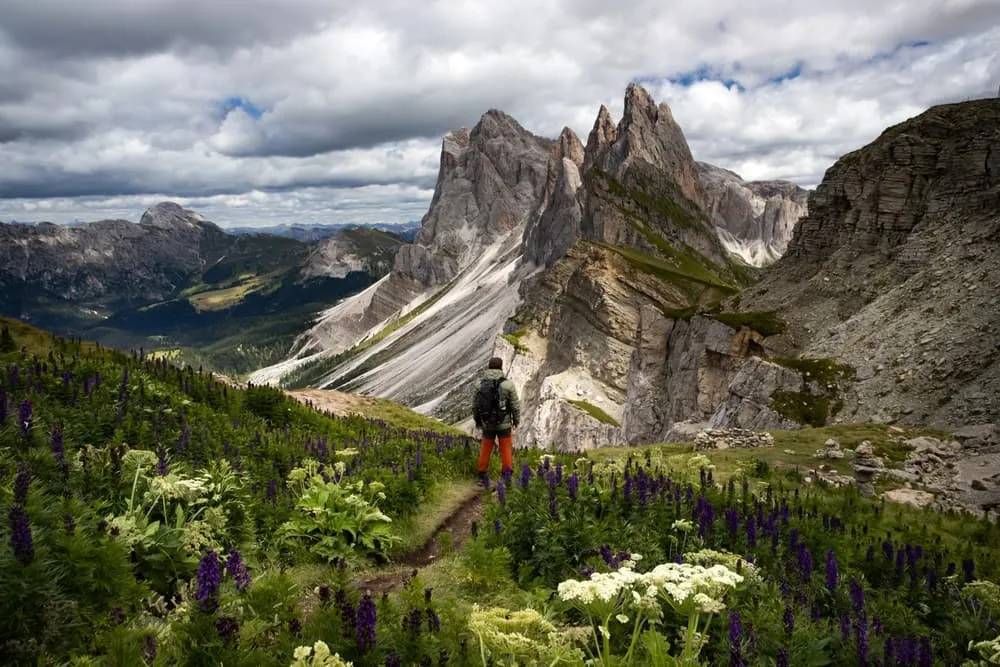
The tilted ridge of Seceda is one of the most photographed places in the Alps, and almost everyone sees it on a day ticket between eleven and three. Staying the night puts you on the ridge in the evening light and again in the morning, before the first cable car has run. Ten kilometres and 775 metres of ascent across the two days, linking the Puez and Odle groups.

3) Mini Tour du Mont Blanc — 3 days

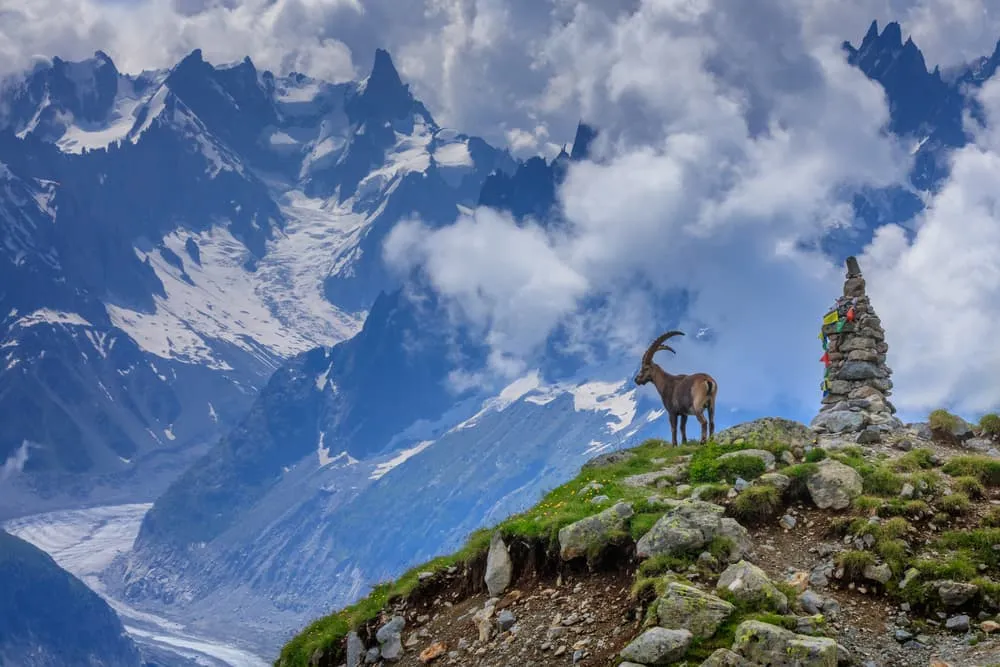
Three days on the best-known circuit in the Alps, with the Mont Blanc massif in view the whole way. This is the steepest Swiss section, so it is the one to pick if you want your weekend to feel earned: high passes, wild terrain, and a middle day with no travel at either end — which is where a short trip starts to feel like a real one.