


Where and When to See the Northern Lights in the Nordic Countries

Where and When to See the Northern Lights in the Nordic Countries
Trekking experts per destination
Free cancellation up to eight weeks in advance
Quick personal advice

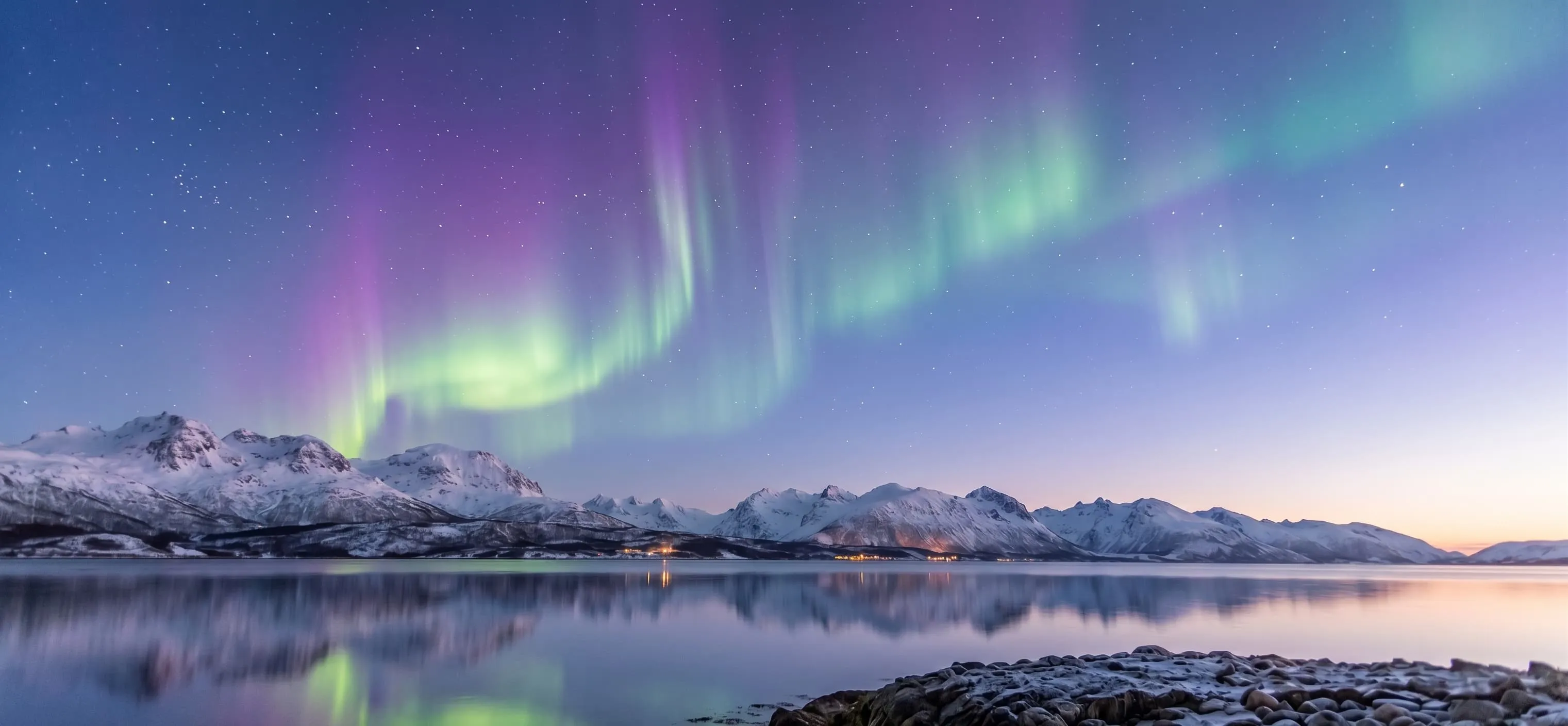
The Northern Lights are one of the few natural events people plan an entire trip around. A green glow that appears over the Arctic on dark, clear nights, sometimes for a few minutes, sometimes for hours, and never quite the same twice.

The Nordic countries are the easiest place in the world to go and stand underneath them. Norway, Sweden, Finland and Iceland all sit in or near the band where the aurora appears most often, and each one offers a different landscape to watch from, different weather and different odds. What follows is a look at where to go in each of them, when the season actually runs, and what you can honestly expect to see once you are there.
Northern Lights Treks  14091
Northern Lights Treks 14091

What is the auroral oval, and where does Lyngen sit in it?

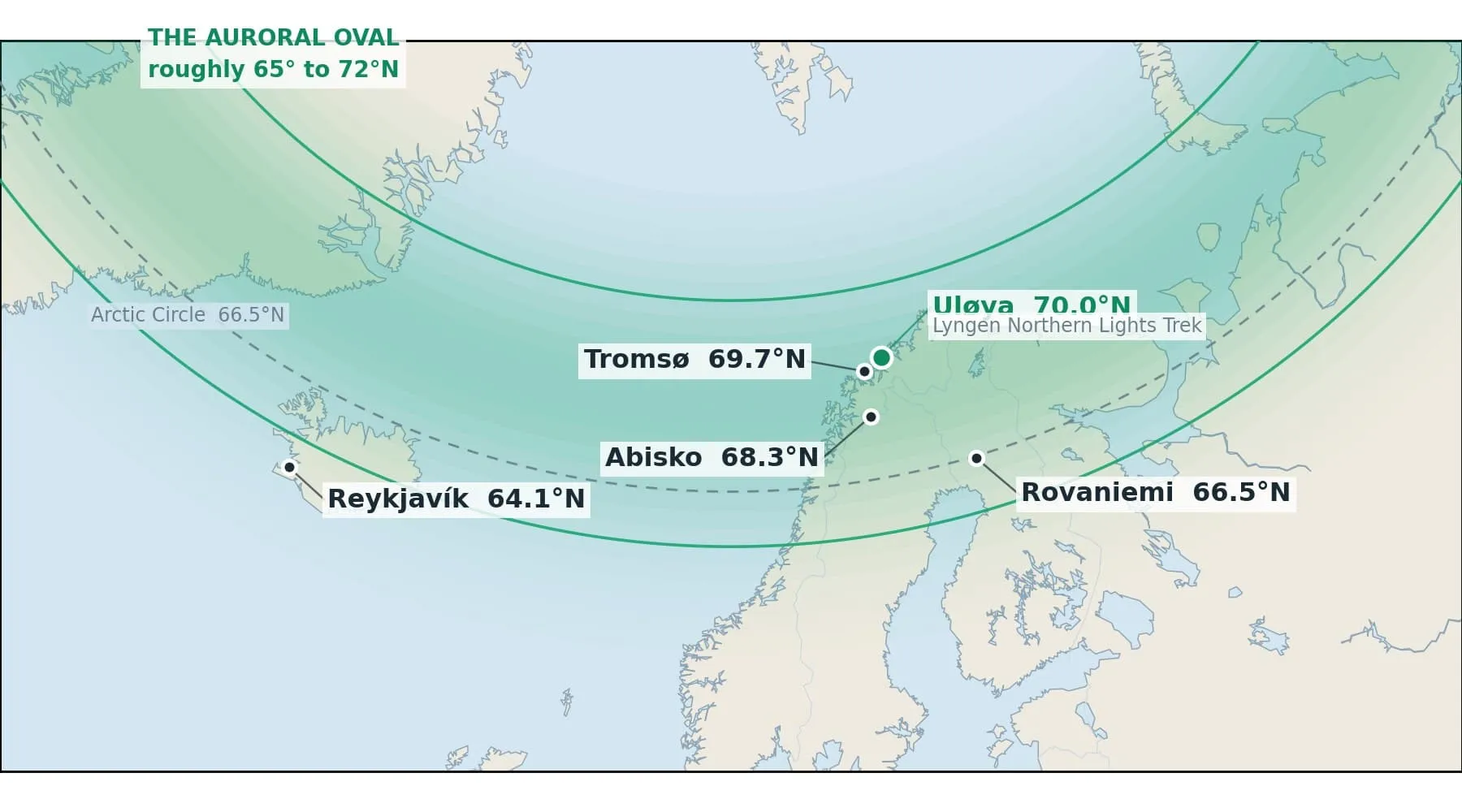
The aurora forms a ring around the magnetic pole known as the auroral oval. On an ordinary night that ring sits roughly between 65 and 72 degrees north. Inside it, modest solar activity is enough to put something in the sky.

Uløya, the island in the Lyngenfjord where our Northern Lights trek is based, sits at 70.0 degrees north. That puts it where the aurora is most often directly overhead rather than low on the northern horizon, and where it takes less solar activity to show anything at all.

Further north is not automatically better, since the oval is a ring and not a cap. Around 69 to 70 degrees is the part of the band that sits under it on most nights.

What is the auroral oval, and where does Lyngen sit in it?

Where to Go: Norway, Sweden, Finland and Iceland

Four countries, four different trade-offs.

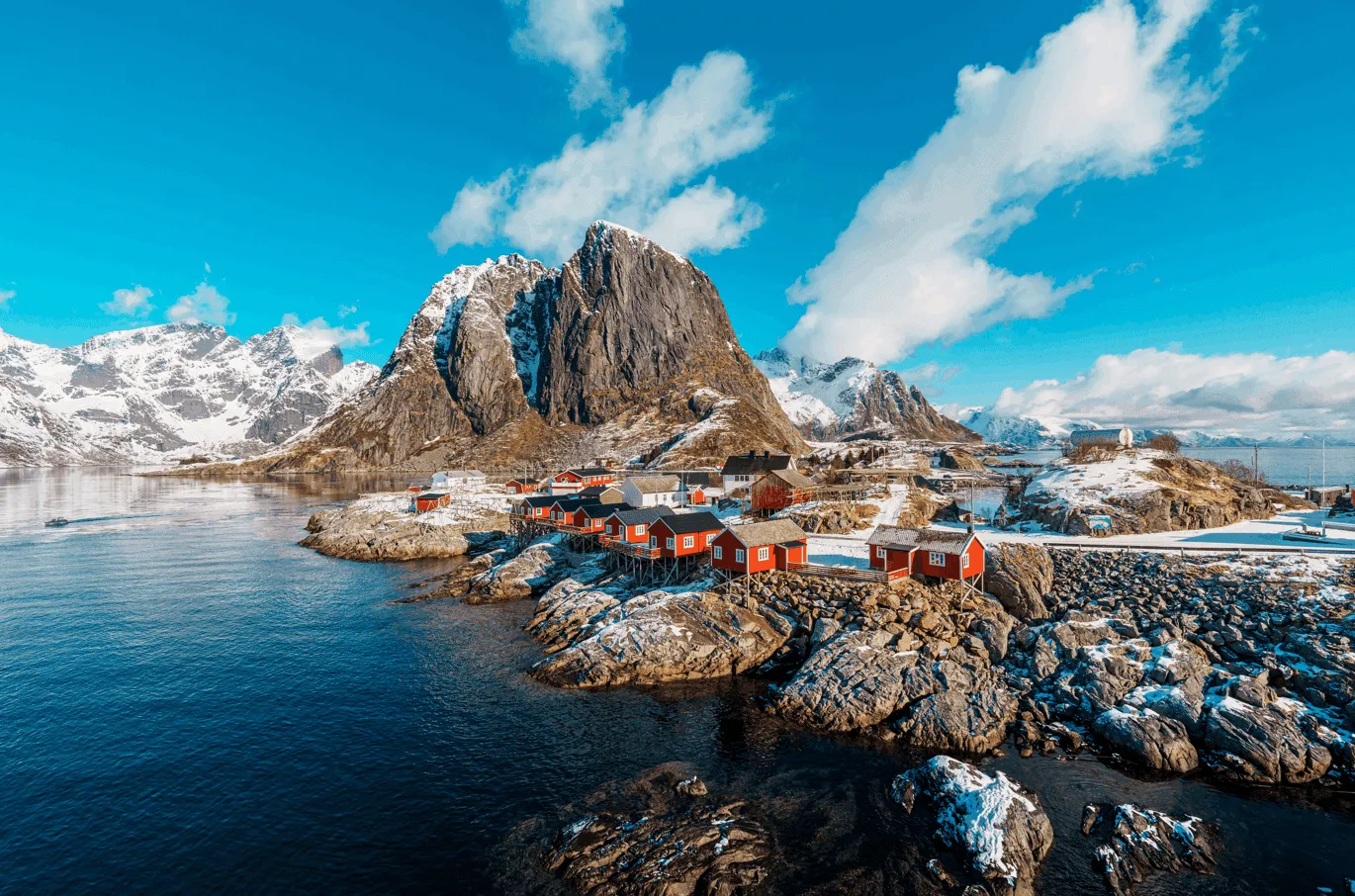
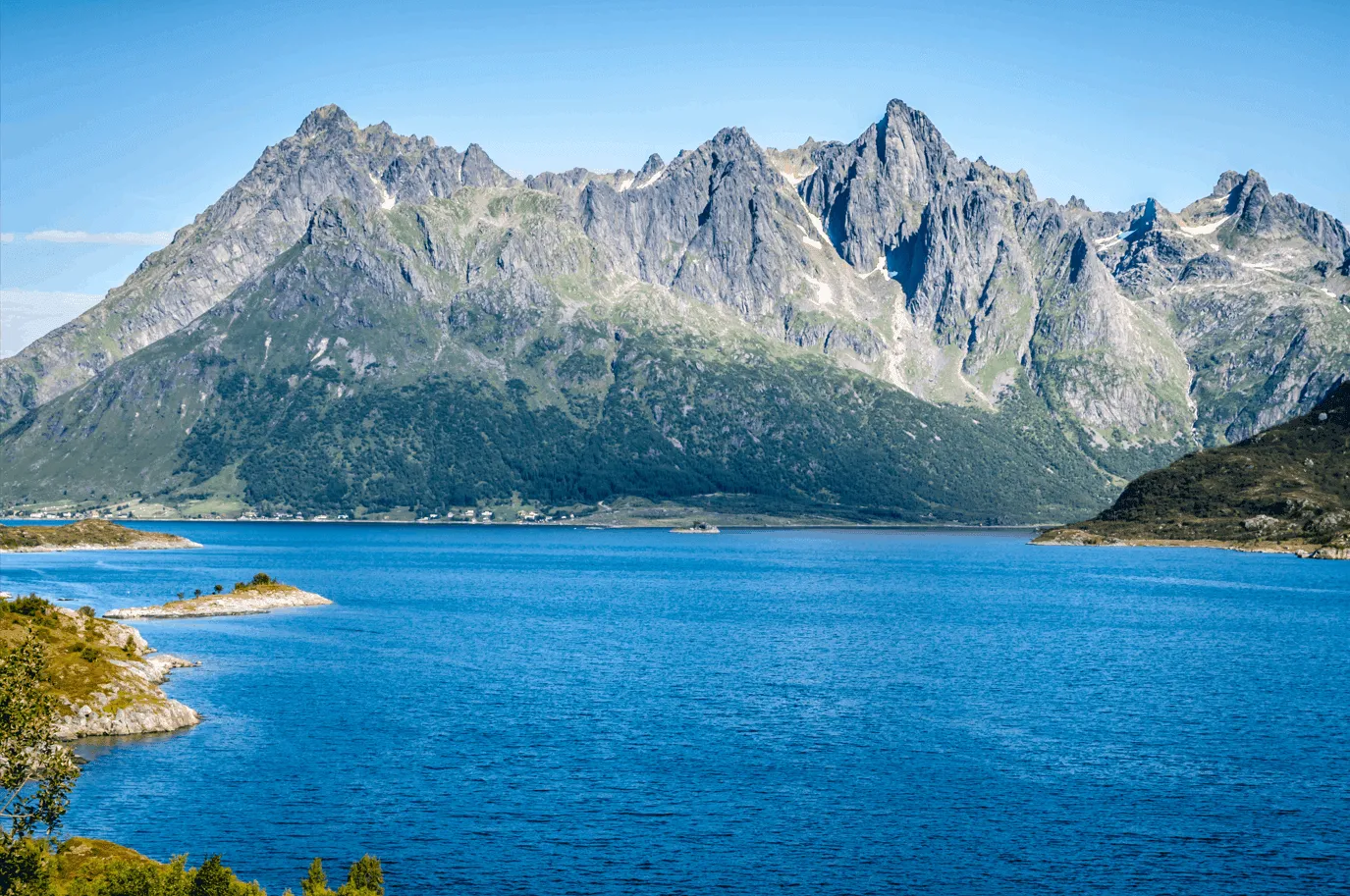
Norway gives you the aurora with scenery underneath it: fjords, islands and peaks dropping into the sea. Tromsø is the easiest base to reach but it is a city, so tours drive you out of it. Quieter options sit within a couple of hours, including the Lyngen Alps, Senja and Lofoten. The Gulf Stream keeps this coast mild for its latitude, and the trade is cloud.

Sweden has Abisko, where westerly air drops its moisture on the mountains over the border and leaves a rain shadow behind. The result is a gap in the cloud above Lake Torneträsk that locals call the blue hole, and one of the driest spots in the country. The night train from Stockholm takes you there.

Finland is flatter, colder and further from the sea, which means fewer clouds and open horizons over frozen lakes. Rovaniemi is where most people land but sits at the southern edge of the good zone. Saariselkä, Inari and Kilpisjärvi put you deeper into the oval. Minus 20 is an ordinary January night inland.

Iceland sits below the oval at 64 degrees north, so it needs stronger activity than northern Scandinavia. What it gives you instead is black beaches and glacier lagoons in the frame, and an island small enough to drive away from cloud. Skip Reykjavík for Þingvellir or the south coast.

When is the best time to see the Northern Lights?

The aurora season runs from late September to late March, set by darkness rather than by the sun. If you want to hike as well as watch, October is the best month of it. The nights are already dark enough for the lights, and the mountains are still walkable. From mid-November the snow settles in and the trails disappear under it.

Will I definitely see the Northern Lights?

No, and no honest operator will tell you otherwise. The aurora needs two things at once: solar activity, and a clear sky. Inside the auroral oval the first is dependable through the season, so cloud is what actually decides your trip. The single biggest thing you can do about that is give yourself more nights.

Uløya sits at 70 degrees north directly under the oval, so activity is reliable in October, and cloud is the variable. What this trip gives you is seven nights instead of one, which is the single biggest thing that improves your odds.

What happens if it is cloudy?

You are on an island, so there is nowhere to drive to look for clear sky. A cloudy evening is a night off. That is the honest trade for having seven nights rather than one, and for never spending an evening in a minibus.

Do you wake us up if the aurora appears at night?

Most activity falls between 20:00 and midnight, so usually there is no need. If a late display is expected, your guide wakes everyone.

About Us

At Bookatrekking.com, you will find the trek that will make your life unforgettable. Whether you want to explore the Inca Trail or climb Kilimanjaro. Bookatrekking.com has a wide and varied range of first-class treks. No false promises are made here. Transparent prices and bookings are fixed instantly. Find, compare, book and trek!
Read more about us
About Us
About Us

Also Interesting