Where Valleys Shape Identity: Life and Traditions in the Pyrenees

Where Valleys Shape Identity: Life and Traditions in the Pyrenees
Trekking experts per destination
Free cancellation up to eight weeks in advance
Quick personal advice

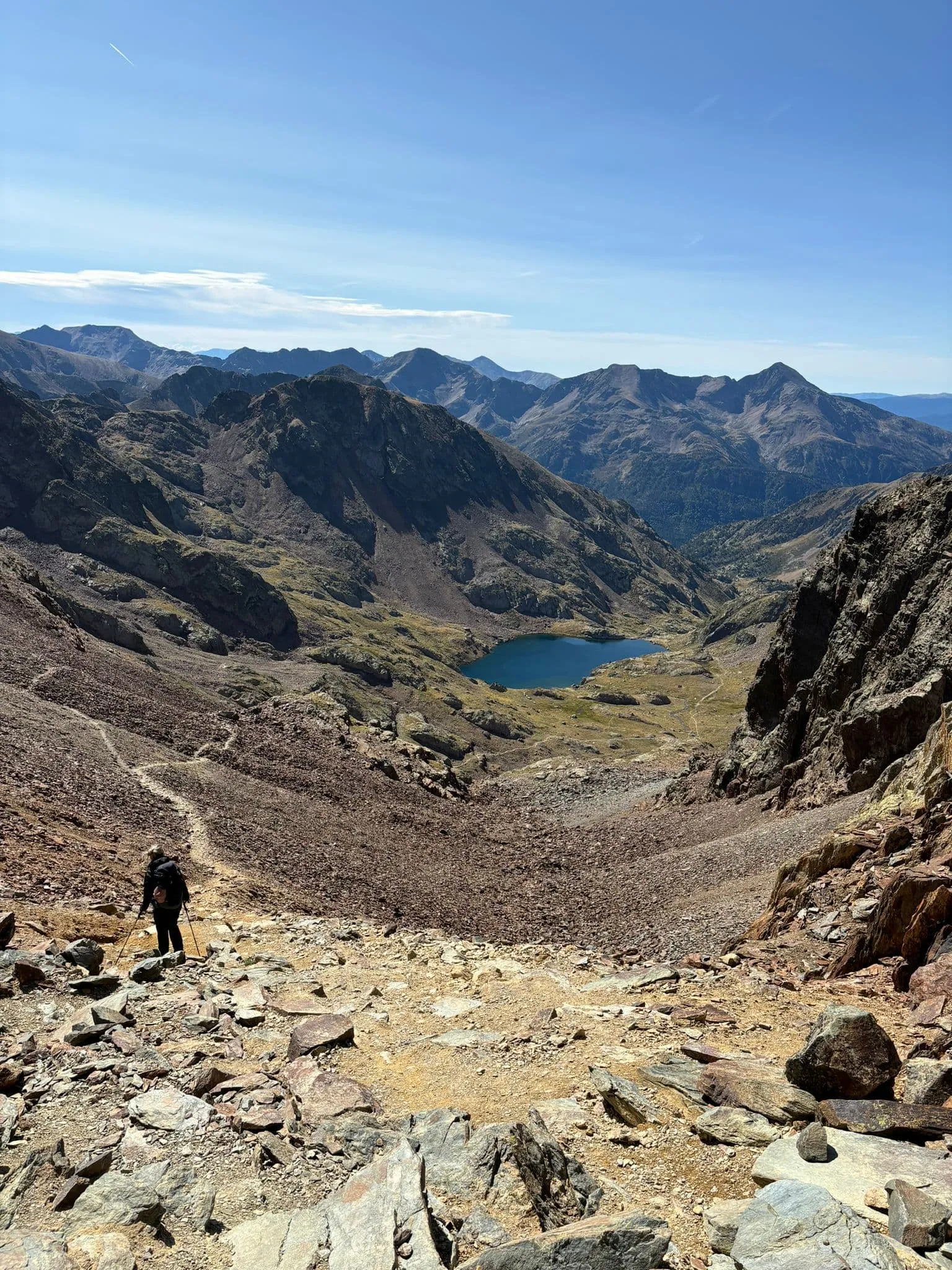
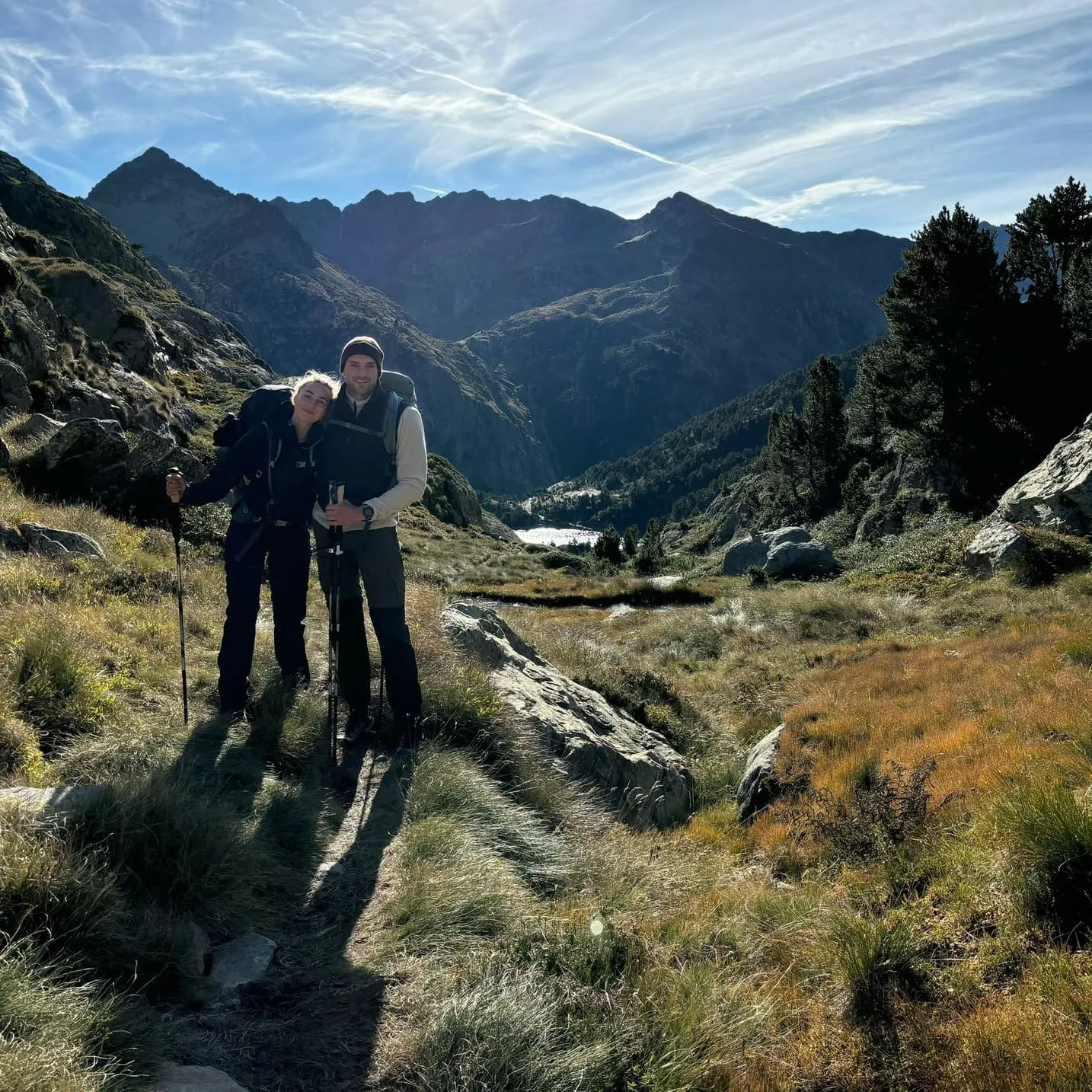
Hiking in the Pyrenees, you quickly notice that the landscape is not the only thing that changes from valley to valley. Languages shift. Food changes. Even the atmosphere in mountain huts feels different. Cross a single pass and you may find yourself in a place that feels culturally worlds apart from where you started that morning.

This is no coincidence. The Pyrenees are not one cultural region, but a mosaic shaped by isolation, borders, and centuries of mountain life. When hiking in the Pyrenees, you are not just crossing mountains, you are crossing cultures.
La Porta del Cel 12789

Mountains That Shaped Independent Worlds

For centuries, life in the Pyrenees was defined by distance, altitude, and winter. Travel between valleys was slow and often dangerous, and snow could cut communities off for months at a time. As a result, people depended heavily on their immediate surroundings and their neighbours.

This isolation allowed cultures to develop independently. Customs, languages, and social structures evolved locally rather than being imposed from distant political centres. Even today, that history is visible in strong regional identities and a clear sense of “our valley” and “our people.” For trekkers, this means that crossing a mountain pass often feels like entering a new cultural space, not just a new landscape.

The Basque Pyrenees: An Ancient Identity

In the western Pyrenees, particularly on the Spanish side and parts of southwestern France, Basque culture remains a powerful presence. The Basque language, Euskara, is one of the oldest living languages in Europe and has no known linguistic relatives. Its survival is closely tied to the remoteness of the mountains.

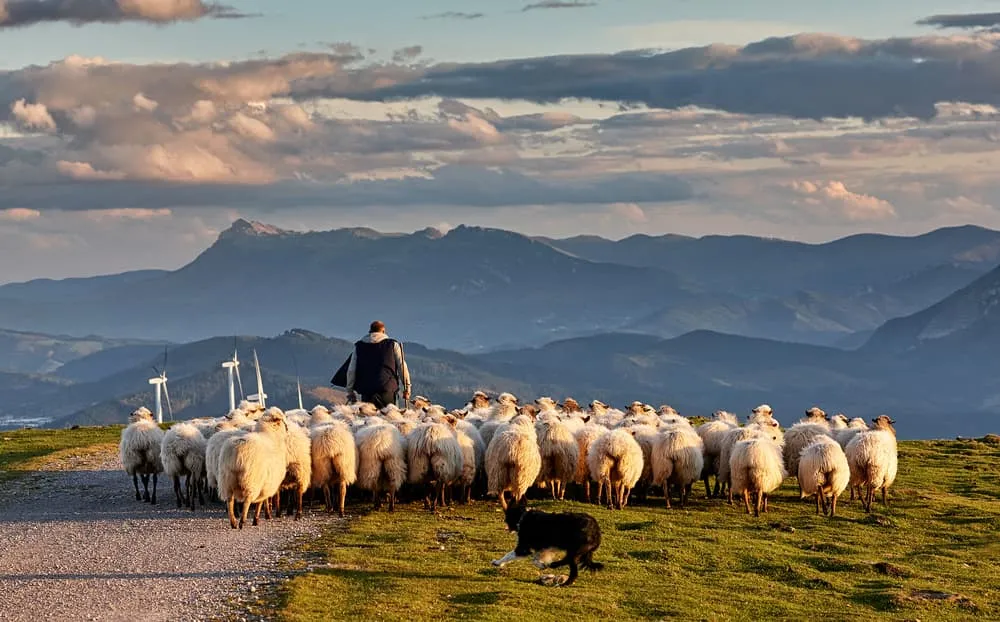
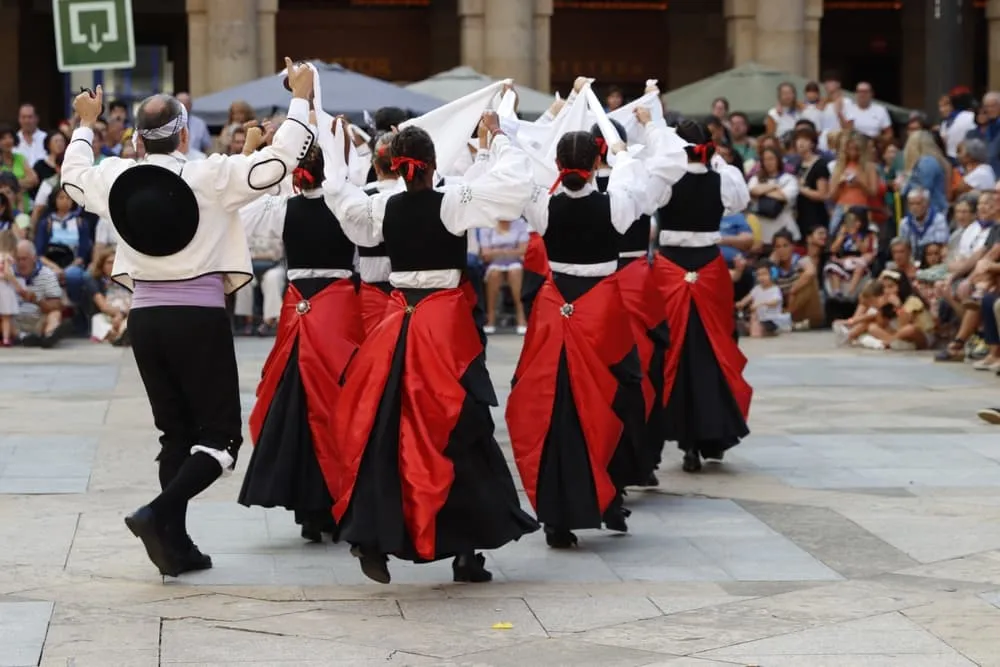
Basque traditions are deeply connected to rural life. Shepherding, sheep’s milk cheese production, and communal farming shaped daily routines for generations. Traditional sports such as stone lifting and wood chopping reflect this physically demanding mountain lifestyle.

For hikers, Basque identity is visible in village architecture, distinctive place names, local festivals, and a strong emphasis on communal meals. The sense of cultural continuity here is striking.

The Basque Pyrenees: An Ancient Identity

Occitan Valleys and the Language of the Mountains

Moving east into parts of the French Pyrenees, you enter regions where Occitan was traditionally spoken. Once widespread across southern France, Occitan survived longest in mountain areas, where outside influence arrived slowly.

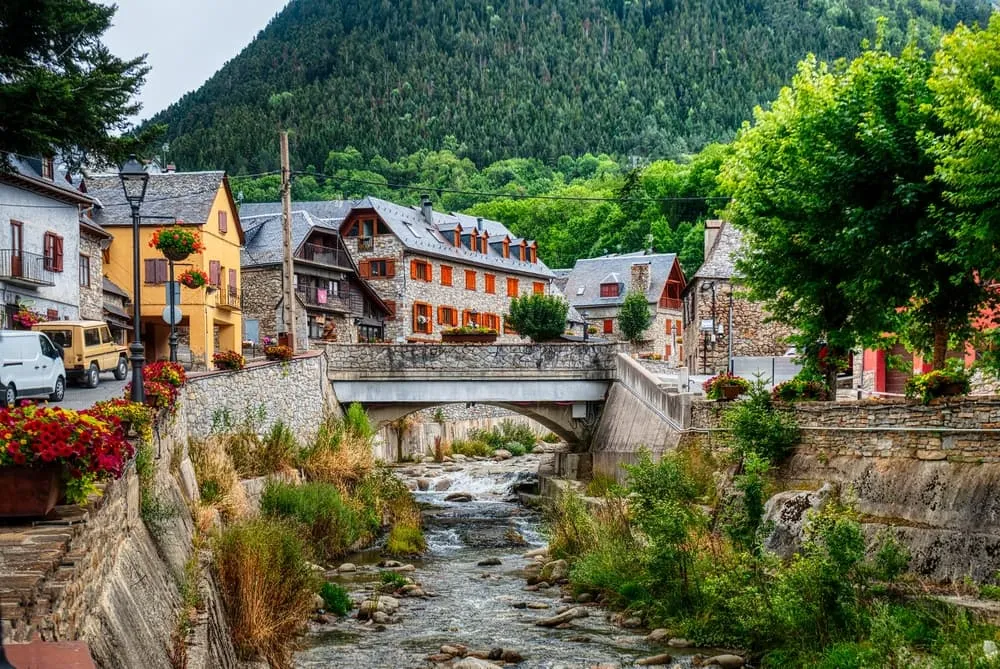
In the Val d’Aran, on the Spanish side of the border, a local variety known as Aranese is still officially recognised and actively preserved. Road signs, schools, and public life reflect this linguistic identity.

Occitan culture is closely linked to pastoral traditions and the seasonal movement of livestock between low valleys and high summer pastures. Folk music, dance, and festivals tied to the agricultural calendar remain important. These valleys often feel quieter and more understated, with a strong attachment to land and tradition rather than display.

Occitan Valleys and the Language of the Mountains

The Catalan Pyrenees: Mountain Pride and Mediterranean Roots

Further east, in the eastern Pyrenees and much of Andorra, Catalan culture dominates. While Catalonia is often associated with coastal cities, its mountain regions have their own distinct identity shaped by altitude and self-reliance.

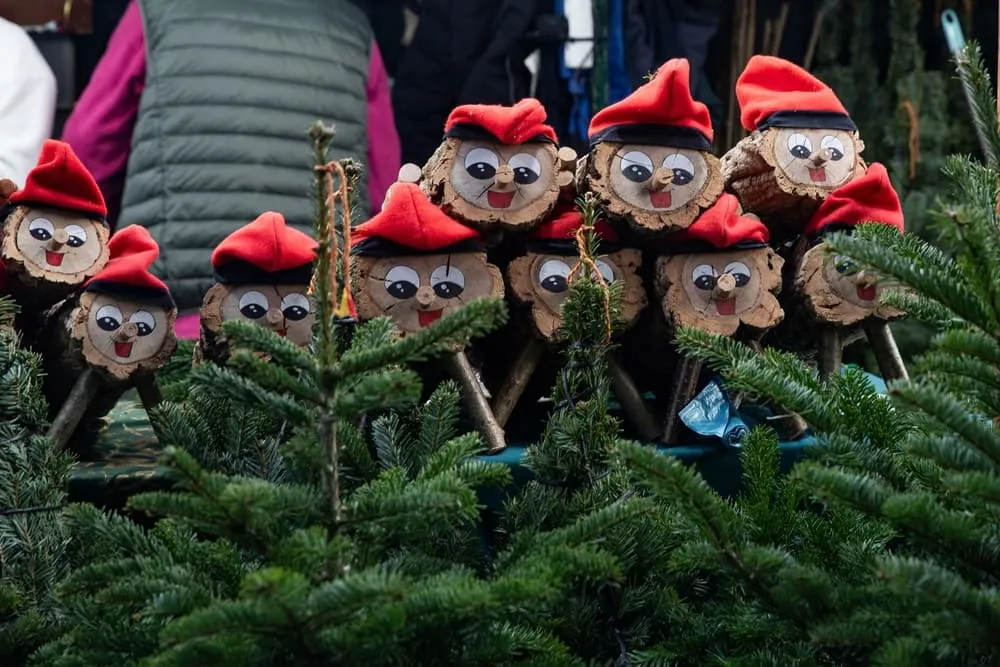
Here, language is a strong marker of belonging. Catalan is widely spoken and visible in signage, menus, and daily life. Village festivals, seasonal dishes, and communal gatherings reinforce a shared mountain identity. Even seasonal traditions can feel wonderfully distinctive, like the beloved Caga Tió (or Tió de Nadal), the smiling wooden “Christmas log” that families “feed” in the days before Christmas and which, in local folklore, delivers sweets and small gifts.

Compared to the western Pyrenees, food and architecture gradually reflect Mediterranean influences, with olive oil, lighter stews, and sunnier stone villages. For hikers, this shift is subtle but noticeable as the landscape opens and the climate becomes drier.

The Catalan Pyrenees: Mountain Pride and Mediterranean Roots

Why So Many Languages Survived Here

The survival of multiple languages in the Pyrenees is not accidental. Mountains slow down change. Political borders shifted over centuries, but local communities often continued speaking their own languages regardless of who ruled from afar.

Because the Pyrenees were never fully integrated into a single cultural or economic system, linguistic diversity endured. What trekkers experience today is the result of this long resistance to homogenisation.

In many villages, language is still tied to identity, history, and belonging. Hearing different languages along the trail is not unusual, it is part of the Pyrenean experience.

Strong Identities Rooted in the Valleys

Language is only one expression of identity. Architecture, traditions, and daily life also reflect deep ties to place.

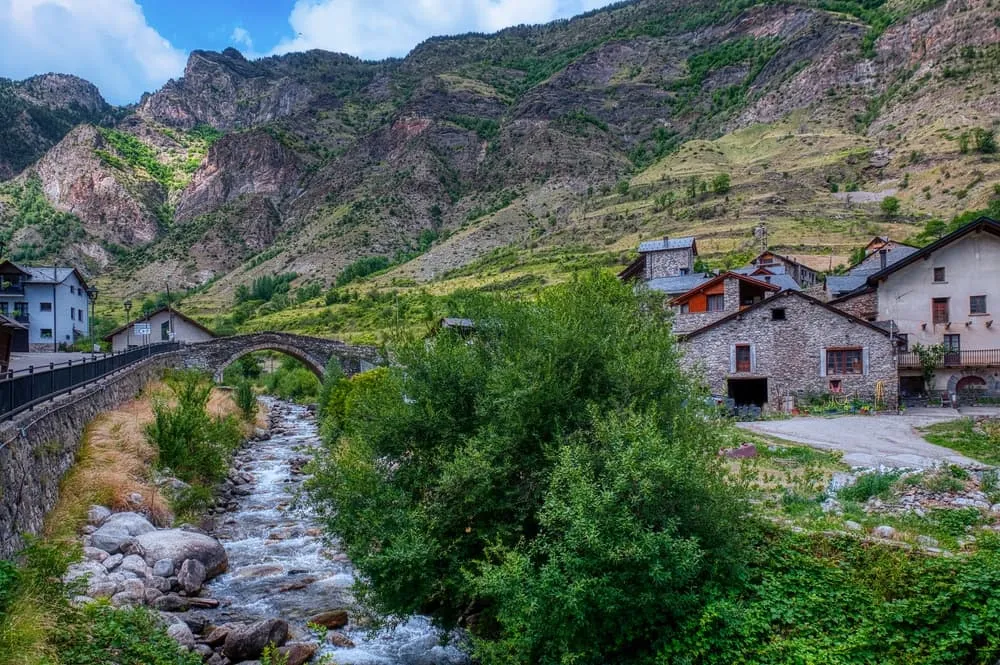
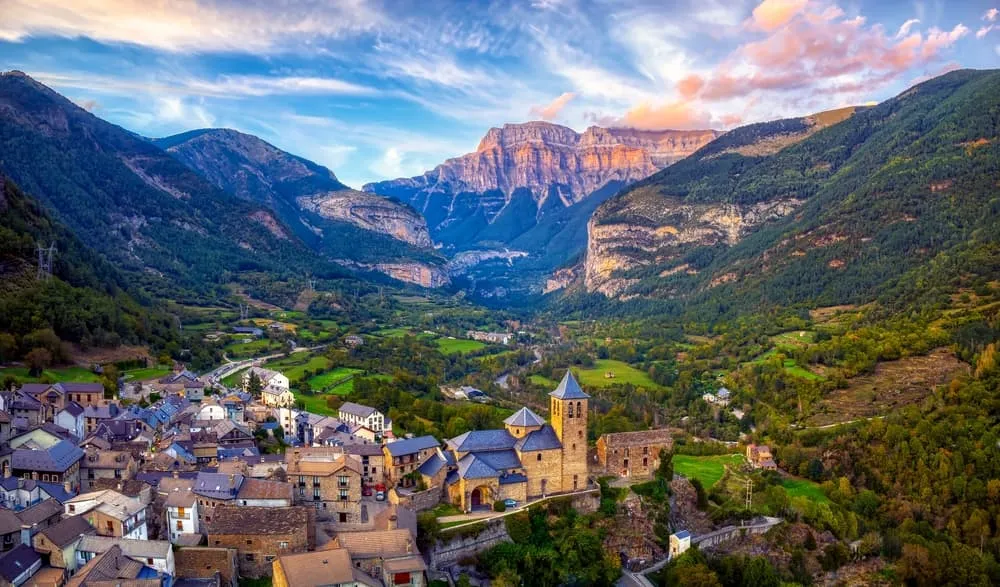
Stone villages cling to hillsides. Churches and farmhouses are built from local materials, adapted to climate and terrain. Festivals follow agricultural rhythms that have changed little over time. Many communities still maintain a strong sense of independence and pride in their heritage.

This attachment to place is something hikers often feel, even if they cannot immediately explain it. It is present in the way people speak about their valley, their food, and their mountains.

Strong Identities Rooted in the Valleys

Food Shaped by Altitude and Isolation

Pyrenean cuisine tells the same story as the mountains themselves. It is practical, hearty, and shaped by what could be produced locally. For centuries, people relied on what they could grow, raise, or preserve. Long winters and difficult access meant food needed to be nourishing and long-lasting. Fresh ingredients were precious, and nothing was wasted.

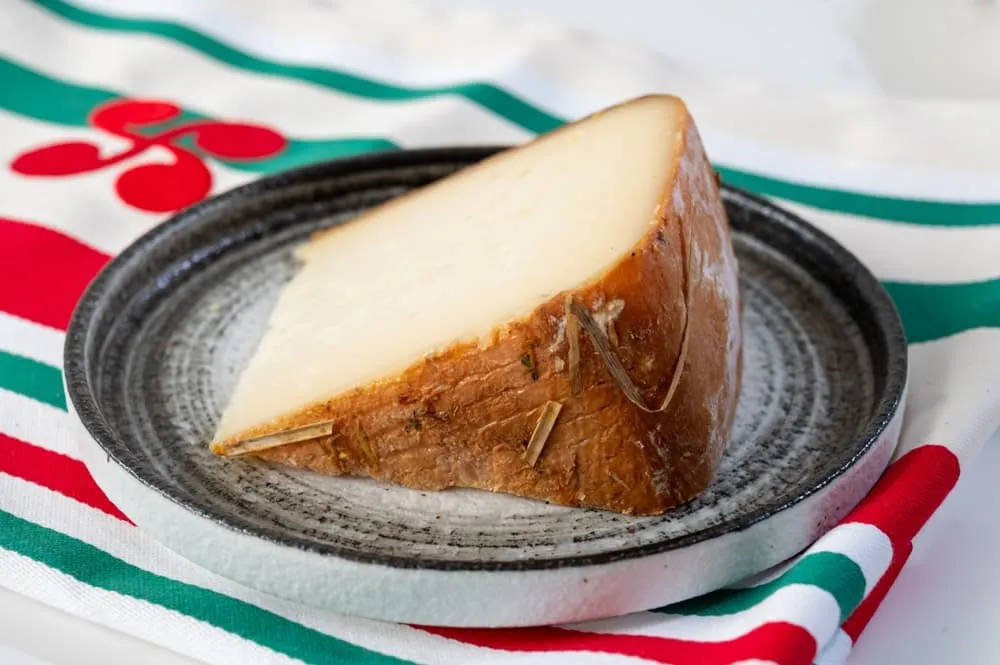
Traditional dishes across the Pyrenees are simple but deeply satisfying: slow-cooked stews, soups thick with vegetables and beans, potatoes combined with cabbage and pork, and meals designed to restore energy after long days of physical work. Sheep’s milk cheese plays a central role across much of the range, produced in high pastures during summer and valued for its ability to be stored and transported.

Food Shaped by Altitude and Isolation

Typical Dishes You’ll Encounter on the Trail

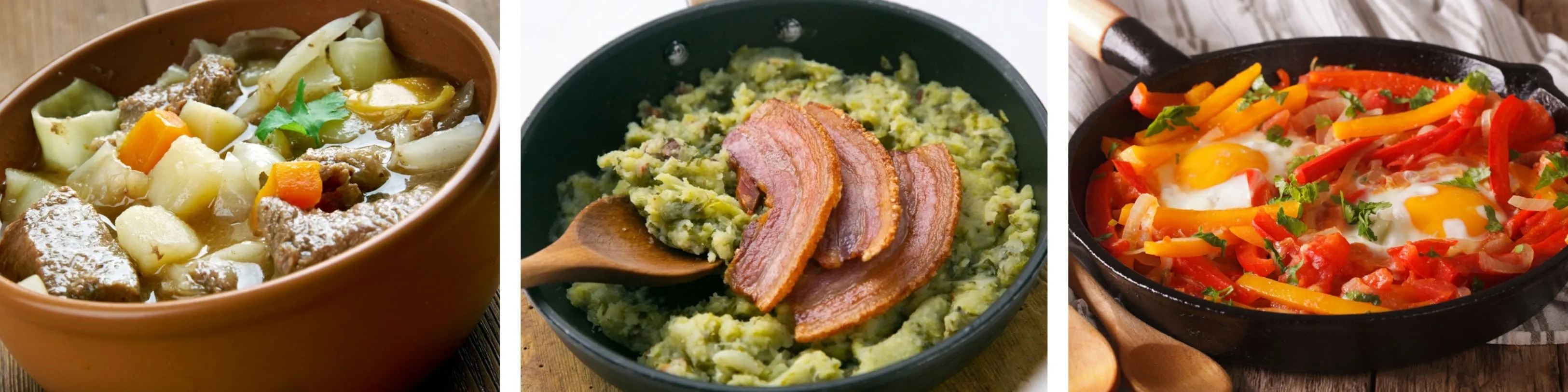
While recipes vary by region, hikers often encounter dishes such as garbure, a rich soup from the western Pyrenees made with vegetables, beans, and meat, or trinxat, a comforting mix of potato, cabbage, and pork from the eastern side. Across the range, traditional cooking reflects what the land provides and what mountain life demands: nourishment, simplicity, and flavour.

Typical dishes you may come across in the Pyrenees include:

  • Garbure – a hearty cabbage and bean soup often enriched with duck confit or ham, especially common in Béarn and the French Pyrenees.
  • Trinxat – mashed potato and cabbage fried with pork, typical of the Catalan Pyrenees.
  • Axoa – a mildly spiced veal stew from the Basque region, traditionally prepared for village celebrations.
  • Piperade – a Basque dish of peppers, tomatoes, and onions, sometimes served with eggs or ham.
  • Olla aranesa – a rich mountain stew from the Val d’Aran, made with meat, vegetables, and legumes.
  • Sheep’s milk cheeses such as Ossau-Iraty or Roncal, often served with bread or quince paste.
  • Cured meats and sausages including chorizo and mountain ham, valued for their ability to be preserved.
Typical Dishes You’ll Encounter on the Trail

In mountain villages and refuges, meals tend to be filling rather than refined. Portions are generous, flavours are honest, and the focus is on warmth and energy rather than presentation. After a long day on the trail, this kind of food makes perfect sense.

Culture Inside the Mountain Huts

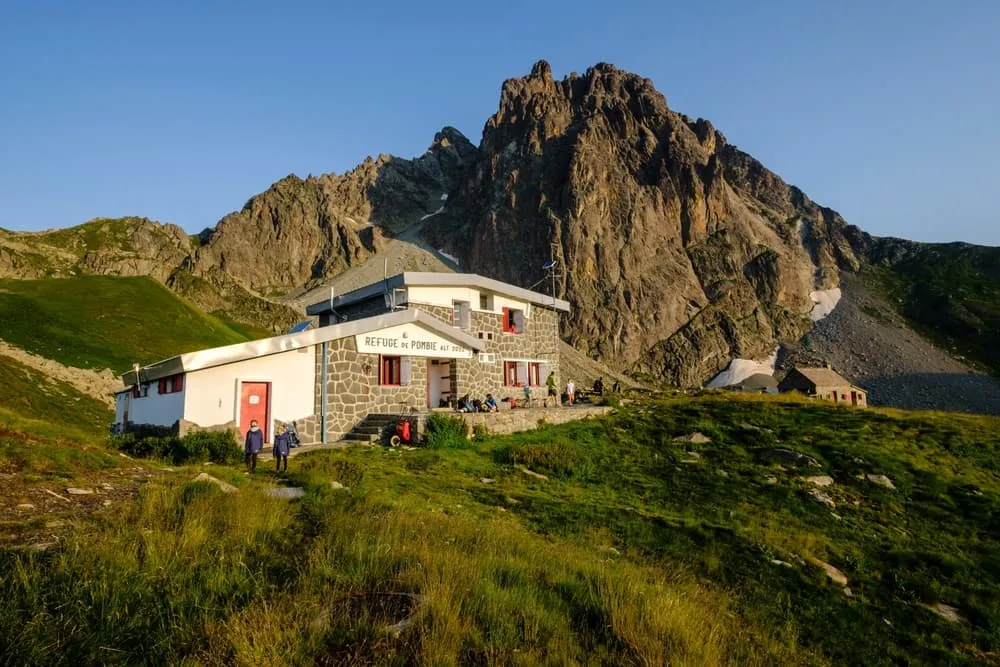
Nowhere is Pyrenean culture more tangible for trekkers than in the mountain huts. While huts across the range share the same basic purpose, their atmosphere reflects local traditions.

In some areas, evenings are quiet and early, shaped by pastoral routines. In others, long shared dinners turn into lively conversations around communal tables. Meals often feature local cheeses, soups, and stews, reinforcing the connection between landscape and plate.

Unlike some Alpine huts, Pyrenean refuges often feel more rustic and less standardised. Each one carries the personality of its valley.

Culture Inside the Mountain Huts

A Cultural Journey on Foot

Trekking the Pyrenees is not just about the landscapes. It is about the people, languages, and traditions that the mountains helped protect. Every meal, every village, and every sign in a different language is a small reminder that this range has always been more than a border. Walk slowly, stay curious, and you will find that the Pyrenees reveal themselves in far more ways than just the views.

About Us

At Bookatrekking.com, you will find the trek that will make your life unforgettable. Whether you want to explore the Inca Trail or climb Kilimanjaro. Bookatrekking.com has a wide and varied range of first-class treks. No false promises are made here. Transparent prices and bookings are fixed instantly. Find, compare, book and trek!
Read more about us
About Us
About Us

Also Interesting