Culture of the Alps: Traditions, Huts, and Mountain Life

Culture of the Alps: Traditions, Huts, and Mountain Life
Trekking experts per destination
Free cancellation up to eight weeks in advance
Quick personal advice

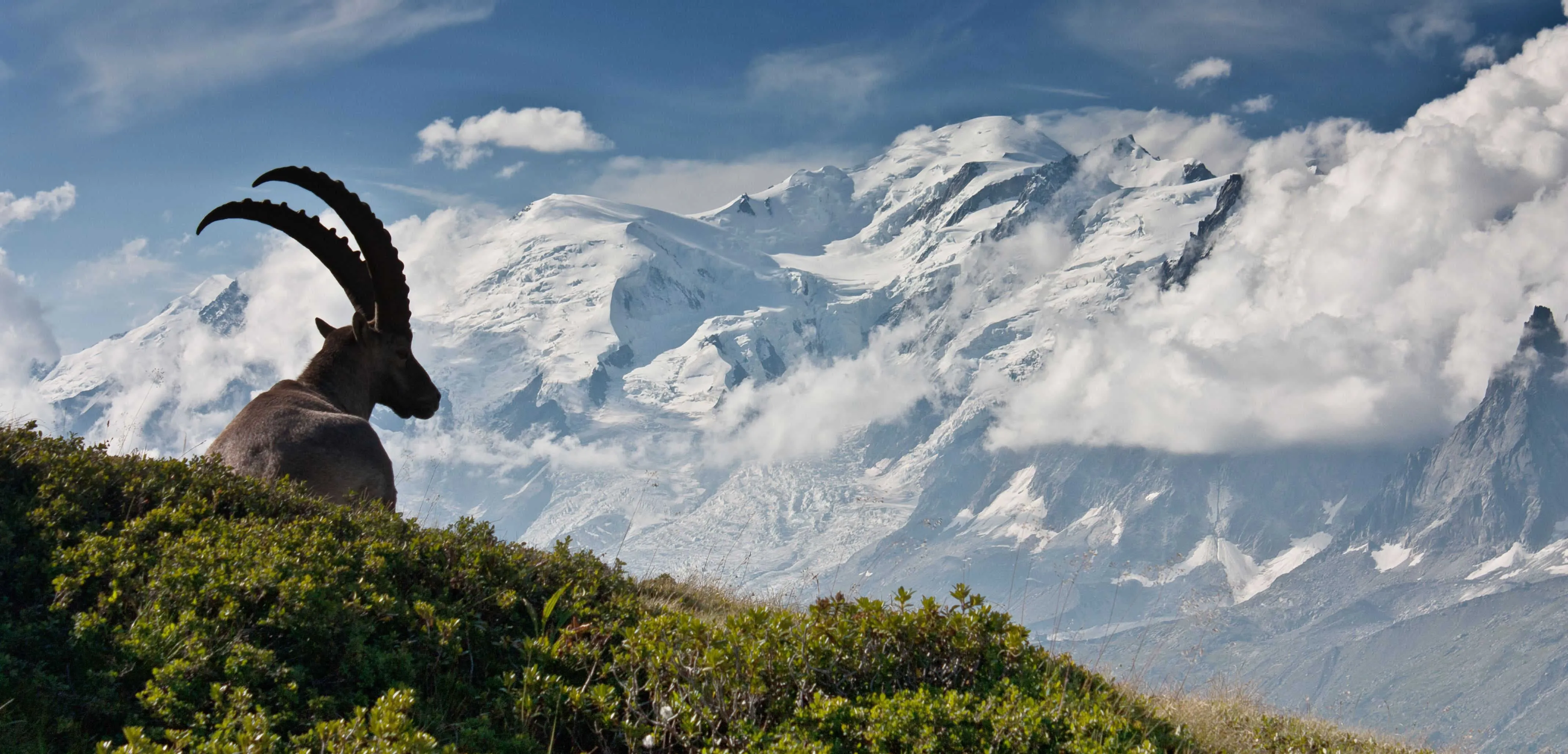
The Alps are far more than a dramatic backdrop of soaring peaks and glacier-carved valleys. They are a living cultural landscape, shaped by centuries of people adapting to altitude, weather, and isolation. Stretching across eight countries, the Alpine arc has long been a crossroads of trade, migration, and ideas, and that history is still visible in the villages, valleys, and mountain passes you walk through today.

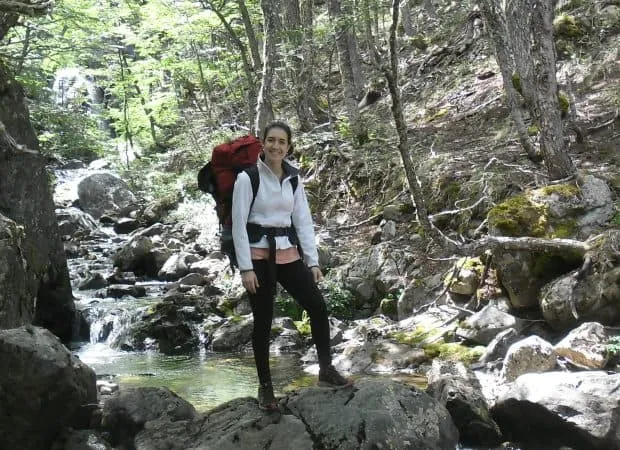
For trekkers, this means the Alps are never “just scenery.” The trails follow old routes used by shepherds and merchants, huts reflect regional food and hospitality, and every valley has its own rhythm of language, architecture, and tradition. Walk for a few days and you’ll feel it: hiking in the Alps is as much a cultural journey as it is a physical one.
 12724
12724

A Patchwork of Languages and Peoples

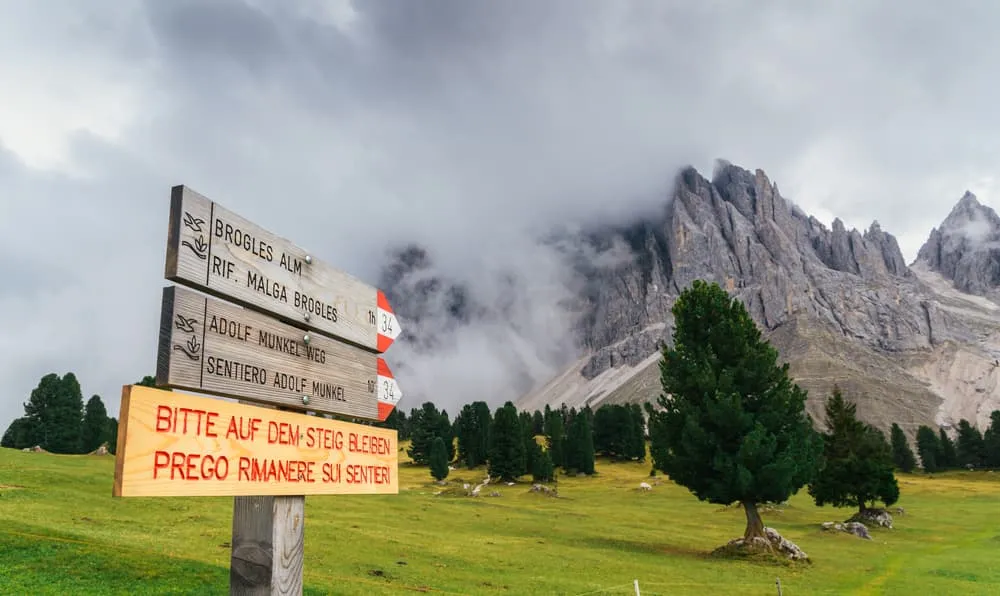
One of the most fascinating aspects of the Alps is how quickly cultures change from one valley to the next. High ridges and deep valleys once limited contact between communities, allowing distinct identities to develop in close proximity. As a result, the Alps are one of Europe’s most linguistically diverse regions.

In the space of just a few hiking days, trekkers may encounter several languages, including:

  • German in the Bernese Oberland or Tyrol
  • French in Haute-Savoie or Valais
  • Italian in the Aosta Valley or South Tyrol
  • Romansh in remote parts of Graubünden
  • Ladin in the Dolomites

These languages are often accompanied by strong local dialects, folk traditions, and regional pride. Borders in the Alps are cultural as much as political, and they are felt most clearly on foot.

For trekkers, this diversity shows up in everyday details. Greetings change from Grüezi to Buongiorno to Bonjour, architecture shifts from dark wooden chalets to stone-built farmhouses, and even meal times and café culture vary from valley to valley.

A Patchwork of Languages and Peoples

Life with the Seasons

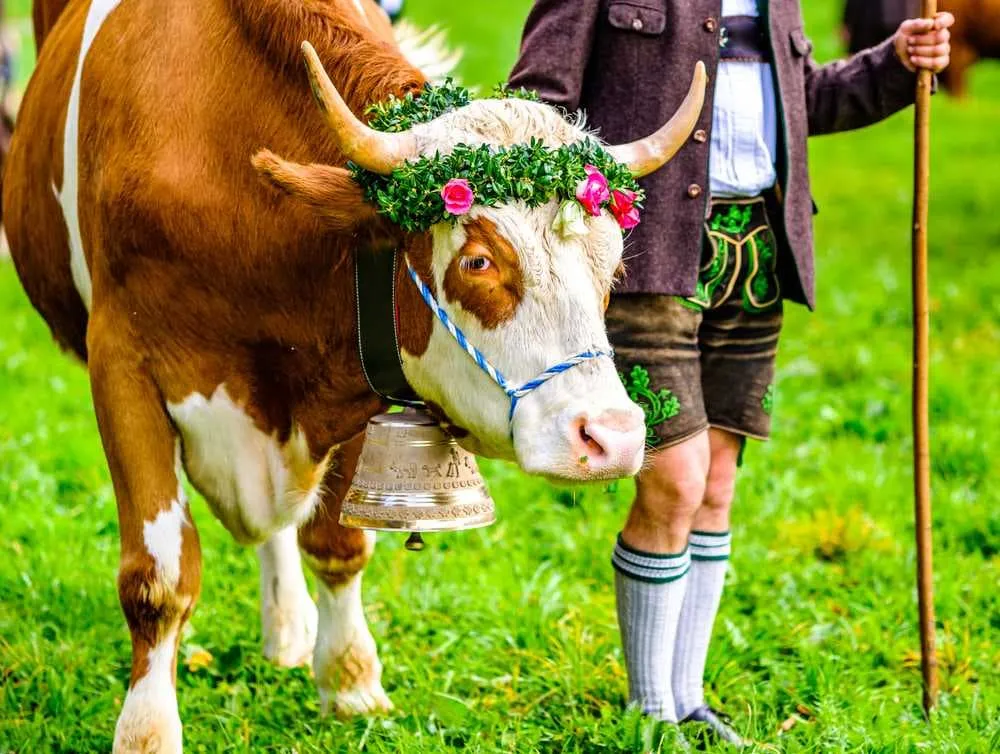
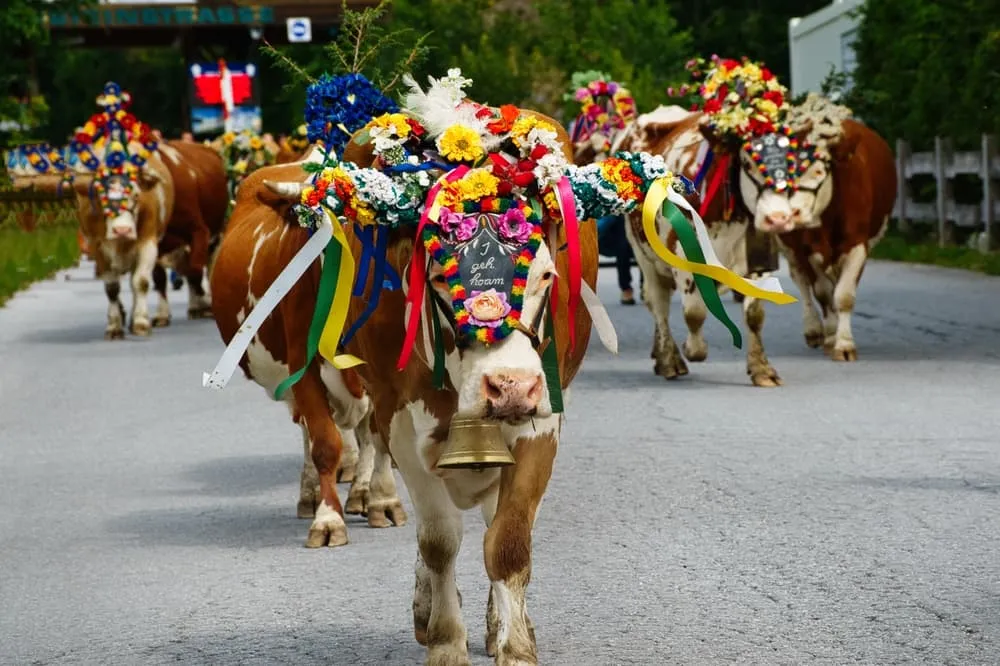
Mountain life in the Alps has always been shaped by the seasons. Short summers and long winters demanded careful planning, flexibility, and cooperation. One of the most enduring expressions of this rhythm is transhumance: the seasonal movement of livestock to high alpine pastures in summer and back to the valleys in autumn.

During the warmer months, cows, sheep, and goats graze on nutrient-rich alpine meadows, often above 2,000 meters. This practice produces high-quality milk and cheese while also helping to maintain open landscapes and biodiversity.

These migrations are still celebrated today:

  • Austria: The Almabtrieb sees cows decorated with flowers, ribbons, and bells as they are led through villages to traditional music.
  • Switzerland: The désalpe marks the end of summer with cheese markets, folk dancing, and local food.
  • Italy: Similar traditions take place around alpine pastures known as malghe, often accompanied by village celebrations.

For trekkers, encountering one of these moments offers a rare glimpse into a way of life that is still lived, not staged.

Life with the Seasons

The Mountain Hut Tradition

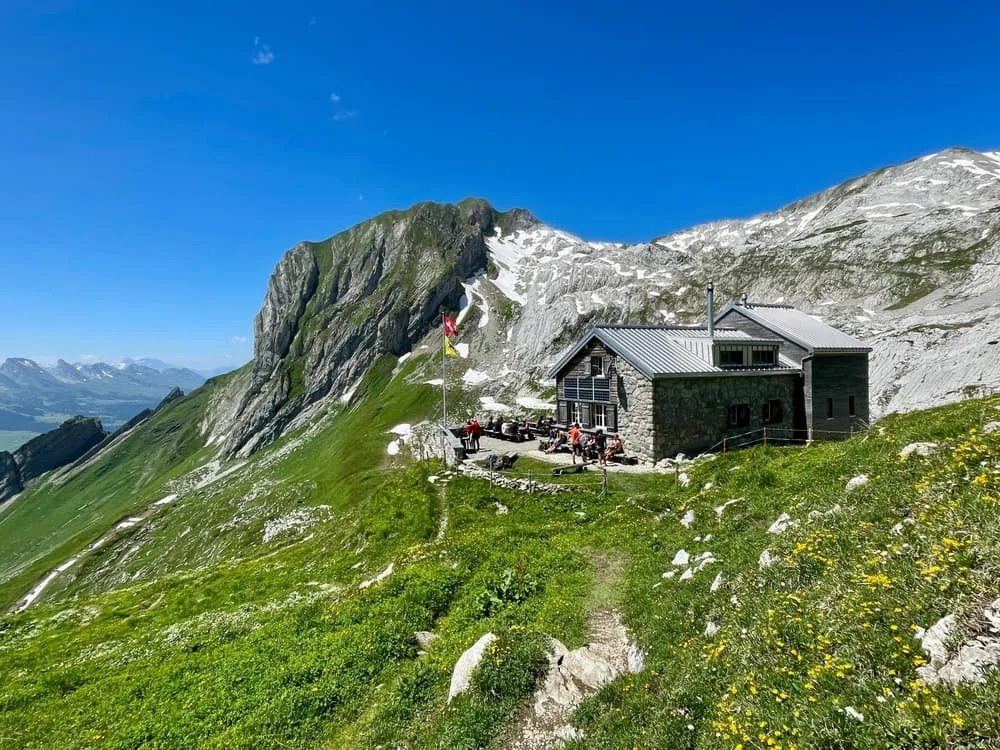
The Alps are famous for their extensive network of mountain huts, known as Rifugi, Refuges, Hütten, or Koče depending on the country. Originally built as shelters for shepherds and early mountaineers, they are now a defining part of the alpine trekking experience.

Mountain huts are more than just places to sleep. They are social hubs where routes are discussed, weather forecasts are shared, and stories are exchanged over long communal tables. Evenings follow a familiar rhythm: boots off at the door, a hearty meal, and an early night before a dawn start.

  • Austria: Cozy wooden interiors with Käsespätzle and apple strudel.
  • Switzerland: Panoramic terraces, rösti, and simple cheese dishes.
  • France: Rustic stone refuges serving tartiflette and blueberry desserts.
  • Italy: Polenta, speck, pasta, and local wines after long climbs.

For many trekkers, sharing a meal with strangers and waking to first light on the peaks becomes one of the most memorable parts of the journey.

The Mountain Hut Tradition

Food and Alpine Self-Sufficiency

Alpine cuisine developed out of necessity. Long winters and limited access to supplies meant communities relied on food that could be preserved, stored, and produced locally. Cheese, dried meats, dense breads, and hearty soups became staples that are still central to mountain life today.

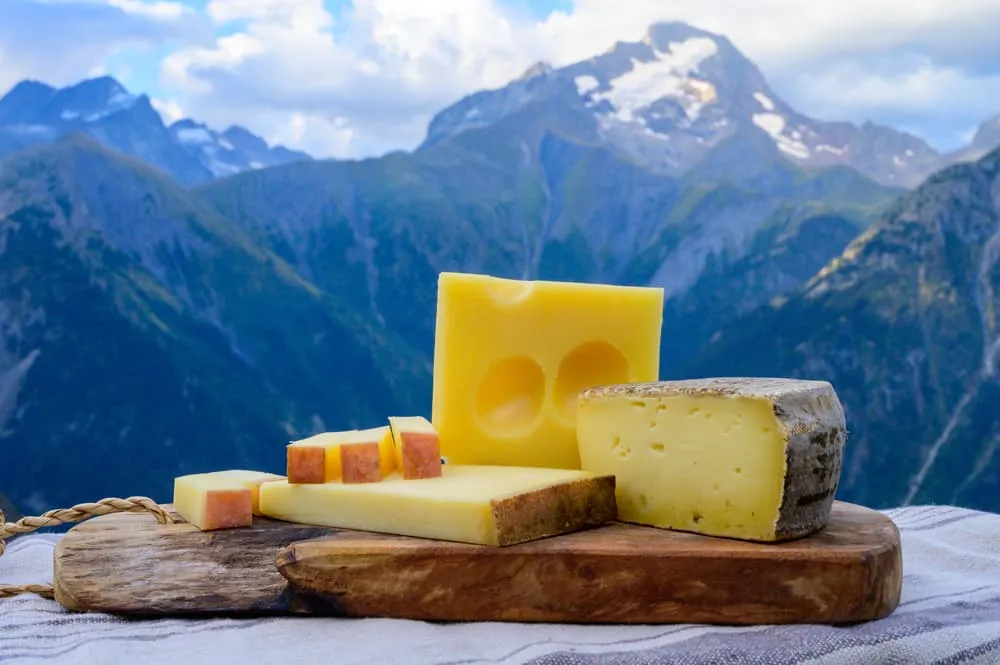
Cheese plays a particularly important role. Summer milk from high pastures is transformed into durable products such as Gruyère, Beaufort, Bergkäse, or Bitto, allowing communities to store and trade food throughout the year.

For trekkers, alpine food is more than fuel. Eating local dishes in huts and villages creates a direct connection to the landscape and supports the small economies that keep mountain regions alive.

Food and Alpine Self-Sufficiency

Festivals and Local Traditions

The cultural calendar of the Alps is filled with festivals that mark seasonal changes, harvests, and local heritage. Many of these events remain deeply rooted in community life rather than tourism.

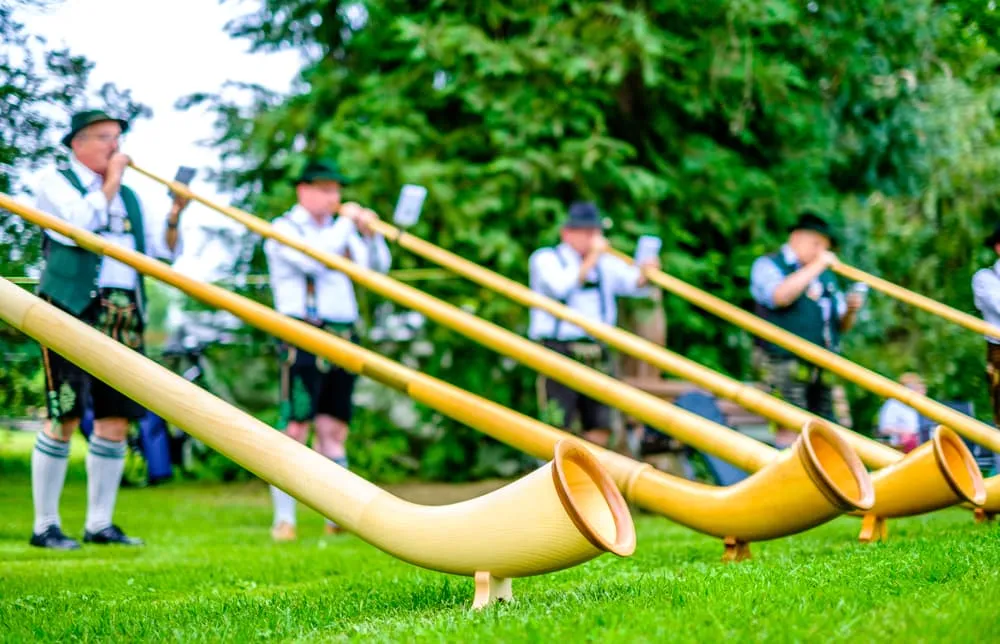
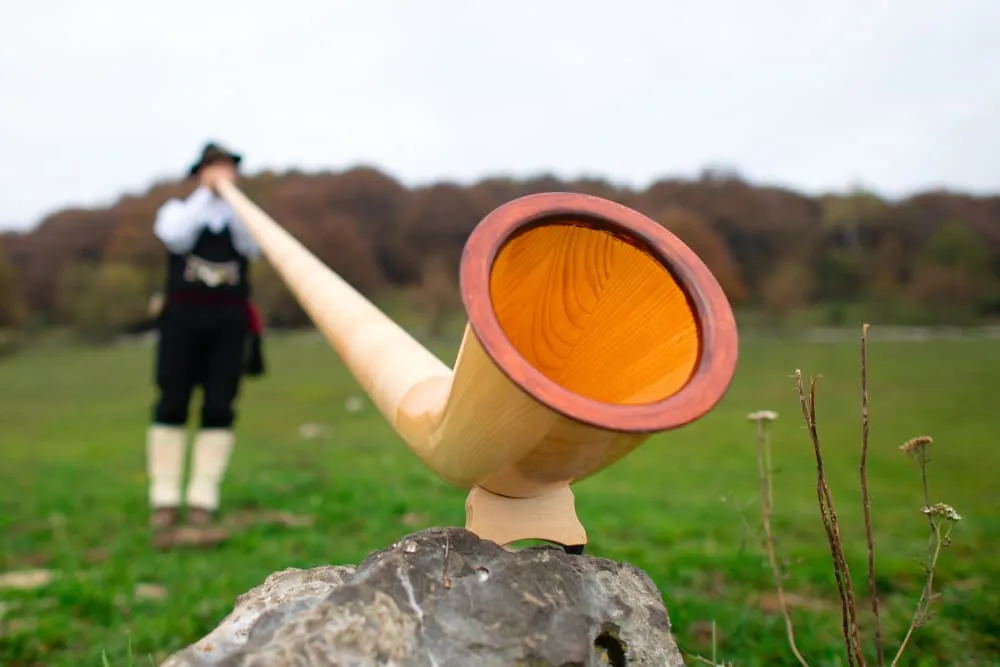
  • Yodeling and alphorn festivals in Switzerland and Austria, where music once carried messages across valleys.
  • Cheese fairs in regions such as Beaufort, Gruyère, and the Tyrol, celebrating traditional production methods.
  • Handicraft markets featuring woodcarving, wool garments, and herbal remedies.
  • Mountain guide celebrations in places like Chamonix, honoring the profession that shaped alpine exploration.

For trekkers, arriving in a village during a local festival often feels like stepping briefly into everyday alpine life.

Festivals and Local Traditions

A Living Heritage

What makes the Alps remarkable is the way ancient traditions continue to exist alongside modern mountain life. While villages adapt to tourism, climate change, and shifting economies, the core relationship between people and the landscape remains strong.

Trekking through the Alps means sharing trails with shepherds, passing centuries-old farmhouses, and staying in huts that still function as lifelines in high terrain. Culture here is not confined to museums or festivals; it is lived daily, shaped by work, weather, and the land itself.

For many trekkers, this cultural heartbeat is just as powerful as the peaks and passes. Experiencing it adds depth and meaning to every step, turning a hike through the Alps into something far richer than a scenic journey alone.

About Us

At Bookatrekking.com, you will find the trek that will make your life unforgettable. Whether you want to explore the Inca Trail or climb Kilimanjaro. Bookatrekking.com has a wide and varied range of first-class treks. No false promises are made here. Transparent prices and bookings are fixed instantly. Find, compare, book and trek!
Read more about us
About Us
About Us

Also Interesting