Walking Holidays Europe: 20 Routes by Season

Rintsje Bosch
Rintsje Bosch
Rintsje Bosch
01 Oct 2026 • 20 min read
Walking Holidays Europe: 20 Routes by Season
Trekking experts per destination
Free cancellation up to eight weeks in advance
Quick personal advice

When it comes to walking holidays, Europe gives you more choice than any other continent. Summer glaciers in the Alps, Atlantic coast paths open in January, ancient pilgrimage roads you can start any week of the year. The problem is not finding a route. It is choosing the right one for your season, your available days and your fitness level.

This page does something different from a standard top-20 list. Every route comes with the key facts from our own itinerary data, an honest difficulty rating and a clear note on when it runs. Seventeen of the twenty routes are bookable through Bookatrekking as a self-guided package: we arrange the accommodation along the route, and you walk at your own pace with the Bookatrekking app showing the route per stage and the current weather forecast for each hut or guesthouse. Three routes — Coast to Coast, Biokovo and Mount Elbrus — are not currently in our range, and we say so clearly.

Difficulty follows four levels, used consistently across all twenty routes: Easy (flat or gently rolling, accommodation in villages), Moderate (long days or steady climbs, no technical terrain), Challenging (significant daily elevation in mountain terrain), Demanding (alpine terrain, sure footing required, sometimes chains or scrambling).

Use this seasonal split as your first filter:

Summer mountains (roughly mid-June to mid-September): Tour du Mont Blanc, Stubaier Höhenweg, Alta Via 1, Palaronda, Alta Via del Granito, Kesch Trek, Triglav, Porta del Cel and the GR20. These are the routes to book in winter, because the huts fill up first.

Spring to autumn: the GR221 on Mallorca, the Dingle Way, the West Highland Way, the Moselsteig and Mount Olympus.

October to April, the southern flank: Madeira, the Canary Islands, the Fisherman's Trail in Portugal and the Camino de Santiago, which you can walk all year.

For a full explanation of how a self-guided walking holiday works, see our dedicated guide.

1. Tour du Mont Blanc: Three Countries in One Summer Hike

When: mid-June to late September · Days: 10 (or split into a Western half of 5 days and an Eastern half of 6 days) · Level: Challenging · Best for: fit walkers who want the most famous Alpine circuit · Book: Full Tour du Mont Blanc (10 days)

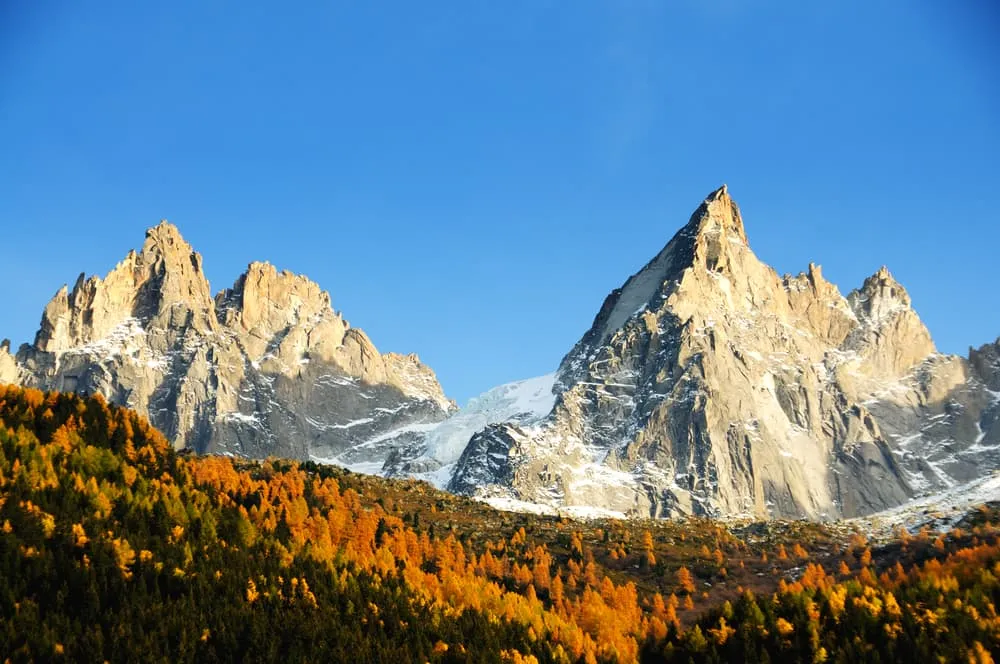
The Tour du Mont Blanc circles the Mont Blanc massif through France, Italy and Switzerland — three countries, one continuous trail. The classic starting point is Chamonix on the French side, though you can also begin in Courmayeur on the Italian side.

Our Full Tour du Mont Blanc covers 162.7 km over ten walking days, with around 9,760 metres of total ascent. The longest stage is 22.3 km, and the final day back into Chamonix involves a section with ladders. July and August have the least snow and the most reliable hut openings. Outside those months, many huts close and logistics become complicated. The second half of August tends to be quieter without sacrificing the weather.

The TMB is one of the most popular multi-day hikes in Europe, and hut space is genuinely limited. If you are planning a summer trip, booking during the winter months is strongly advised. If you are looking for your first multi-day hike in Europe, consider the Kesch Trek (section 6) or the Palaronda (section 20) instead. The TMB rewards walkers who are comfortable with days of more than nine hours and significant daily ascent.

1. Tour du Mont Blanc: Three Countries in One Summer Hike

2. Coast to Coast, Northern England: The Classic on Your Doorstep

When: no Bookatrekking dates · Days: route-dependent · Level: Moderate · Best for: British walkers who want a long walk without flying · Book: not in our range

The Coast to Coast runs 192 miles from St Bees on the west coast of northern England to Robin Hood's Bay on the east. The route passes through three national parks — the Lake District, the Yorkshire Dales and the North York Moors — and was first described by Alfred Wainwright in his 1972 guidebook, A Coast to Coast Walk.

It is one of the best-known long-distance walks in Europe for British walkers, precisely because it is on the doorstep. If you would like a comparable British or Irish route fully arranged, the West Highland Way (section 13) and the Dingle Way (section 11) are both bookable through Bookatrekking.

2. Coast to Coast, Northern England: The Classic on Your Doorstep

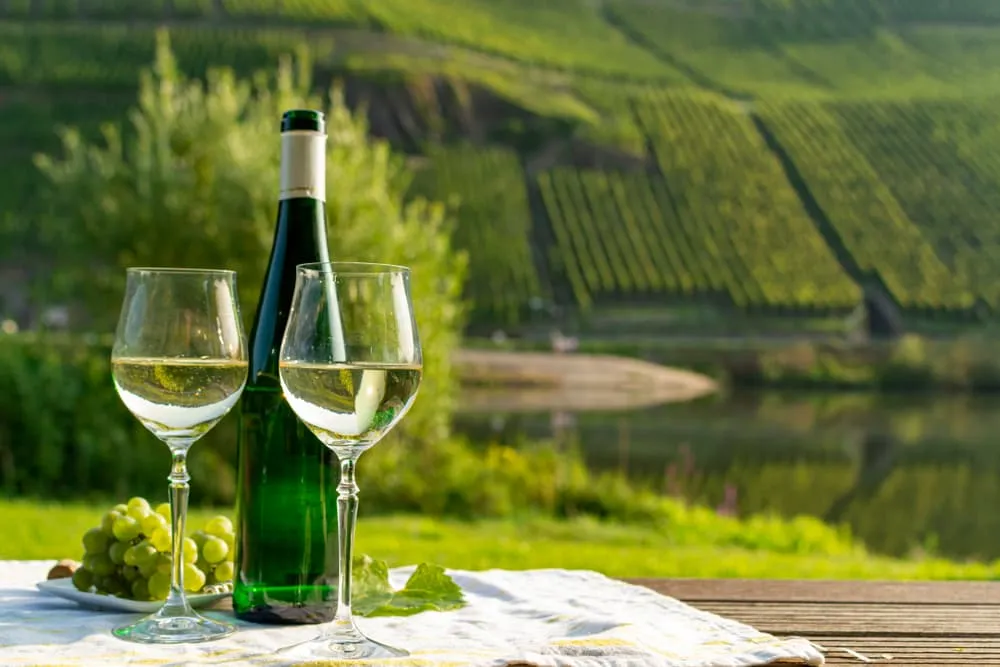
3. Moselsteig, Germany: Wine-Country Walking from Spring to Autumn

When: April to mid-October · Days: 5 to 6 per section · Level: Moderate · Best for: walkers who like long, easy-going days that end in a wine village · Book: available in three sections — Perl to Trier, Neef to Cochem, and Löf to Koblenz

The Moselsteig follows the Moselle River from the Luxembourg border to Koblenz. Trier, where our Perl to Trier section ends, is also the endpoint of the Eifelsteig, making a combined trip possible. The real draw is the landscape: vine-covered slopes above the river, medieval wine towns and a glass of Riesling at the end of every day.

Our Perl to Trier section runs over six days, of which four are walking days, covering 83.8 km. The longest stage is 22.9 km, and you climb around 400 metres per day. In winter, some of the steeper sections can be muddy and slippery. July and August bring Riesling festivals throughout the valley, though a good glass of wine is available at any time of year. For anyone looking for a multi-day hike in Europe without mountain experience, the Moselsteig is one of the most accessible options on this list.

3. Moselsteig, Germany: Wine-Country Walking from Spring to Autumn

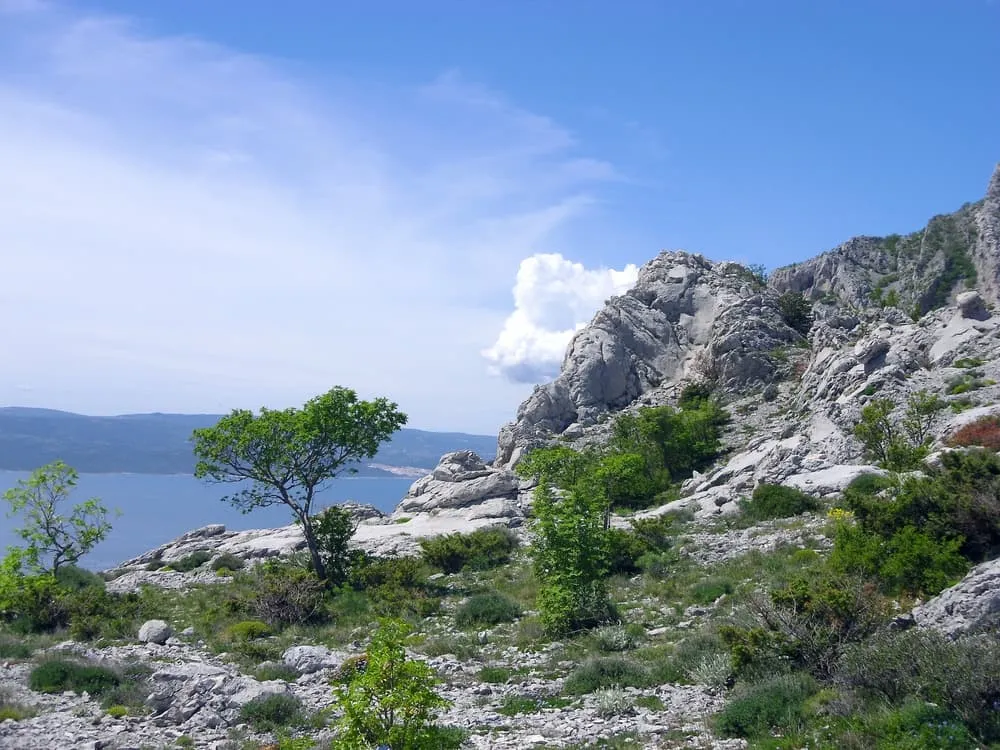
4. Biokovo and the Croatian Coast: Mountains Above the Adriatic

When: no Bookatrekking dates · Days: day walks or your own itinerary · Level: Moderate · Best for: a beach holiday with real mountain days · Book: not in our range

The Biokovo Mountains rise directly above the town of Makarska. The summit of Vošac (1,421 m) is just 2.5 km from the town. Further along the ridge, Sveti Jure at 1,762 m is the highest point in the range. The entire 196 km² area is a protected natural park, home to more than 1,500 plant and animal species. Biokovo is part of the Dinaric Alps that run along the Dalmatian coast, and the mountains combine well with island-hopping on the Adriatic.

For more ideas on hiking in this part of Europe, read our guide to hiking in Croatia.

4. Biokovo and the Croatian Coast: Mountains Above the Adriatic

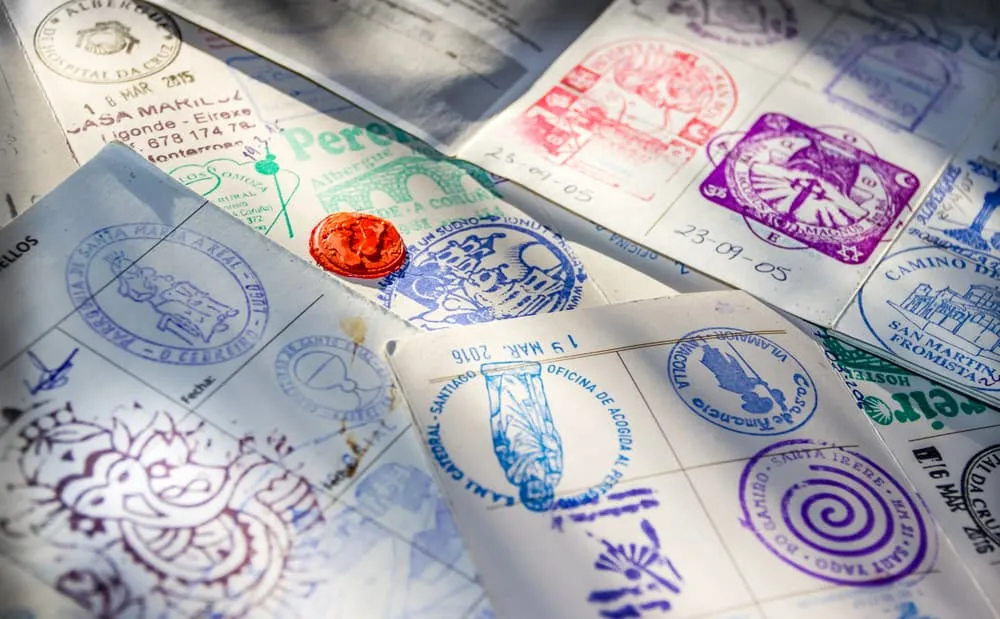
5. Camino de Santiago and the Fisherman's Trail: Walking Holidays in Europe All Year Round

When: all year · Days: 7 to 8 (the final stretch to Santiago) · Level: Easy · Best for: first-timers, culture lovers and walkers who like company on the way · Book: Camino Francés from Sarria, Camino Portugués from Tui, the coastal Camino Portugués from Baiona or Camino del Norte from Baamonde

The Camino de Santiago is one of the oldest pilgrimage routes in the world. Walk through vineyards, stop in small villages and meet like-minded pilgrims on the way to Santiago de Compostela. The Camino Francés is by far the most popular route, but the Portuguese, English and Finisterre routes have also gained many walkers in recent years.

Our Camino Francés from Sarria covers 117.1 km over eight days, with the longest stage at 25.0 km. The Camino Portugués from Tui is 122.5 km over eight days, with a longest stage of 26.0 km. Both are gentle in terrain and ideal as a first walking holiday in Europe.

Further south, and worth considering for the winter months, is the Fisherman's Trail on the Portuguese Atlantic coast.

When: all year, quietest outside the summer holidays · Days: 13 · Level: Moderate · Best for: a long coastal walk in the shoulder seasons and winter · Book: Full Fisherman's Trail (13 days)

The Fisherman's Trail runs along the Atlantic coast from Porto Covo to Lagos, covering 218.9 km over eleven walking days. The longest stage is 23.0 km, and total ascent is around 3,140 metres — modest for a route of this length. The trail is available in a northern and a southern half for shorter trips. For the 2027 season, the route is open for almost the entire year. This is one of the best walking holidays in Europe for anyone who wants a long coastal route in autumn, winter or spring.

5. Camino de Santiago and the Fisherman's Trail: Walking Holidays in Europe All Year Round

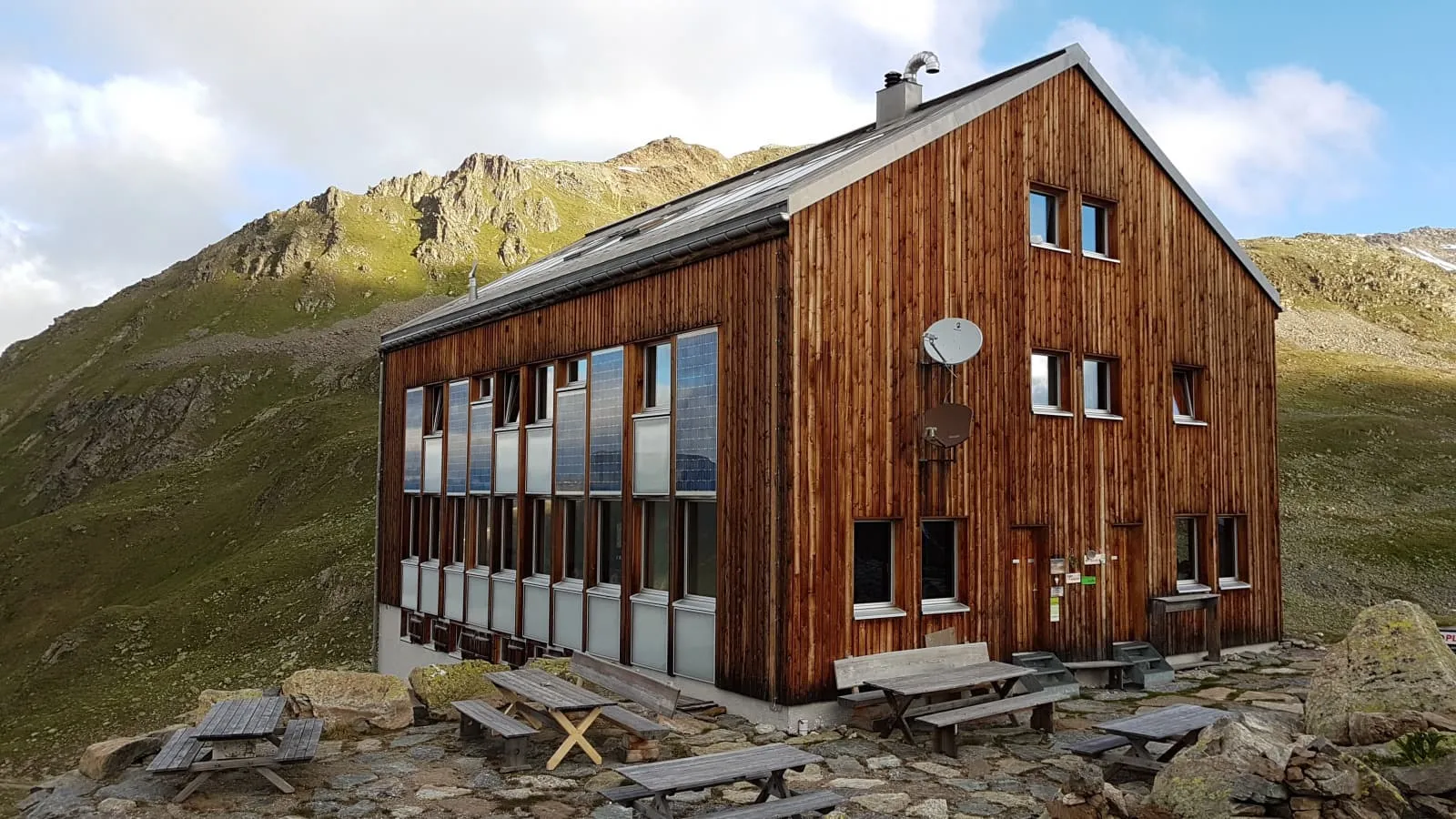
6. Kesch Trek, Switzerland: Self-Guided Walking Holidays in Europe for Beginners

When: July to mid-September · Days: 3 to 6 · Level: Moderate · Best for: your first hut-to-hut trek · Book: Kesch Trek (several versions available)

The Kesch Trek runs through the heart of Graubünden, between the Flüela Pass and the Albula Pass. Wild valleys, rugged peaks and glaciers make up the landscape — the kind of terrain that feels properly alpine without requiring alpine experience.

Our four-day Kesch Trek from Davos to Bergün covers 57.3 km with approximately 2,210 metres of ascent. The longest day is the final one at 23.8 km, mostly downhill over the Albula Pass. If you prefer shorter days, the Easy Beginner Kesch Trek spreads the route over five days and 51.0 km, with the longest stage at just 13.0 km.

The Kesch Trek works as an introduction to hut-to-hut hiking in Europe because the hut distances are manageable, the terrain is not technical and the total elevation is contained. It runs only in summer, when the mountain huts are open. If the TMB feels like too big a first step, this is the route to choose instead.

6. Kesch Trek, Switzerland: Self-Guided Walking Holidays in Europe for Beginners

7. Pieterpad, the Netherlands: Flat, Long and Open All Year

When: all year · Days: 3 to 5 per section · Level: Easy · Best for: flat walking, a short break and walkers who want no mountains at all · Book: available in three sections — North, Middle and South

The Pieterpad is the best-known long-distance walk in the Netherlands. It runs 498 km from Pieterburen in the northern province of Groningen all the way south to the top of Sint-Pietersberg (109 m) near Maastricht. You can walk it in either direction, and in any season. Most stages are reachable by public transport, though buses between small villages can be infrequent. Always check timetables before you set out. If you are travelling by car, park at your end point and take public transport to the start.

Bookatrekking offers the Pieterpad in sections of three to five days, including accommodation. Of all the long-distance walks in Europe on this page, the Pieterpad is the flattest and the most accessible.

7. Pieterpad, the Netherlands: Flat, Long and Open All Year

8. Mount Olympus, Greece: Hut to Hut to the Home of the Gods

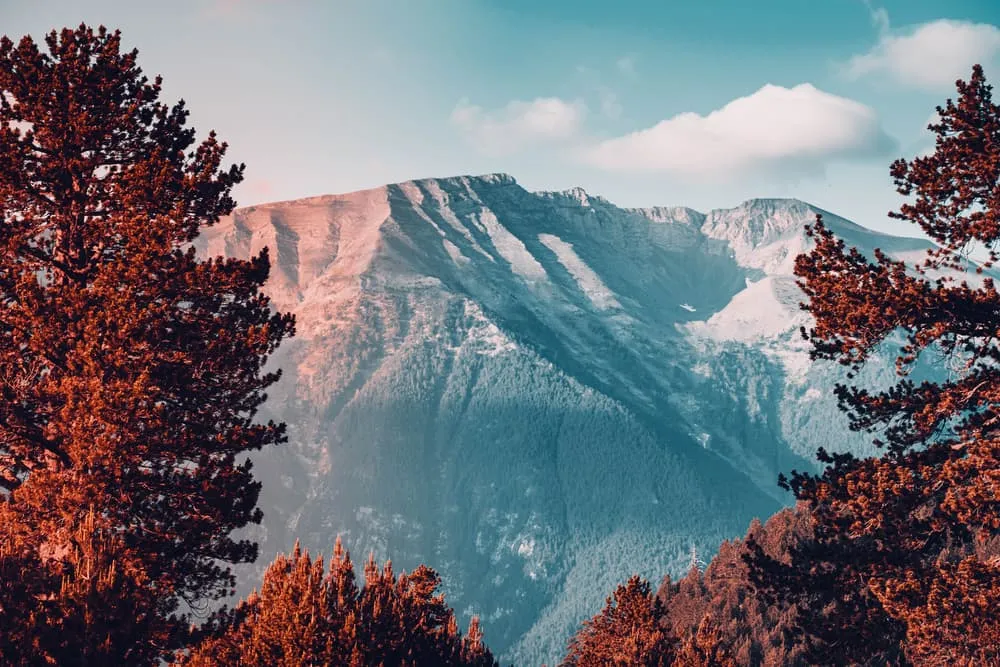
When: late May to early November · Days: 4 (6 with accommodation before and after) · Level: Challenging · Best for: walkers who want real mountains with Greek mythology · Book: Mount Olympus Full Experience

Mount Olympus is the highest peak in Greece, with the Mytikas summit reaching 2,917 m. According to Greek mythology, the mountain was home to the twelve Olympian gods. The area was declared the first national park in Greece in 1938 and is known for exceptional biodiversity alongside its history.

Our four-day route starts and ends in Litochoro and covers 39.8 km. The first day is the hardest, with approximately 1,710 metres of ascent. This is a strong choice in spring and autumn, when the Alpine huts in Austria and Switzerland are closed and you still want a proper mountain experience. For more ideas on hiking holidays in Greece, read our guide to walking and hiking holidays in Greece.

8. Mount Olympus, Greece: Hut to Hut to the Home of the Gods

9. Stubaier Höhenweg, Austria: Nine Days, Eight Huts, Big Glaciers

When: late June to mid-September · Days: 9 (also available as 3 and 5-day versions) · Level: Demanding · Best for: experienced hikers with a head for heights · Book: Full Stubaier Höhenweg (9 days)

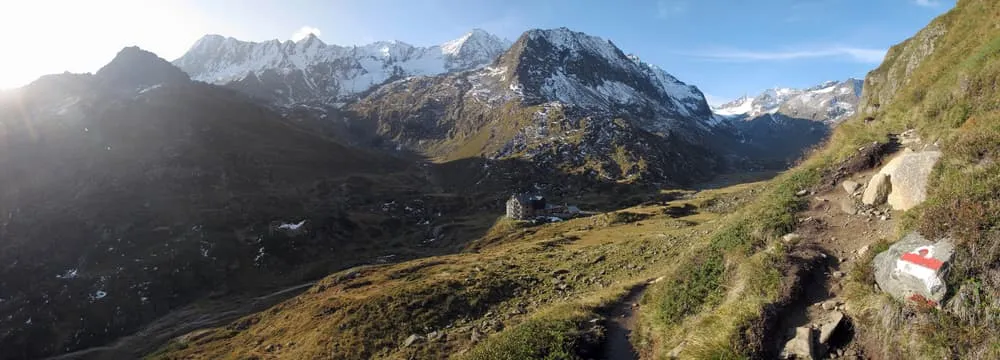
The Stubaier Höhenweg is a circular route around the Stubai Valley, starting and finishing in Neustift, linking eight huts from the Starkenburger Hütte to the Innsbrucker Hütte. Our route covers 78.6 km over nine walking days with approximately 5,770 metres of total ascent. The longest stage is 15.5 km.

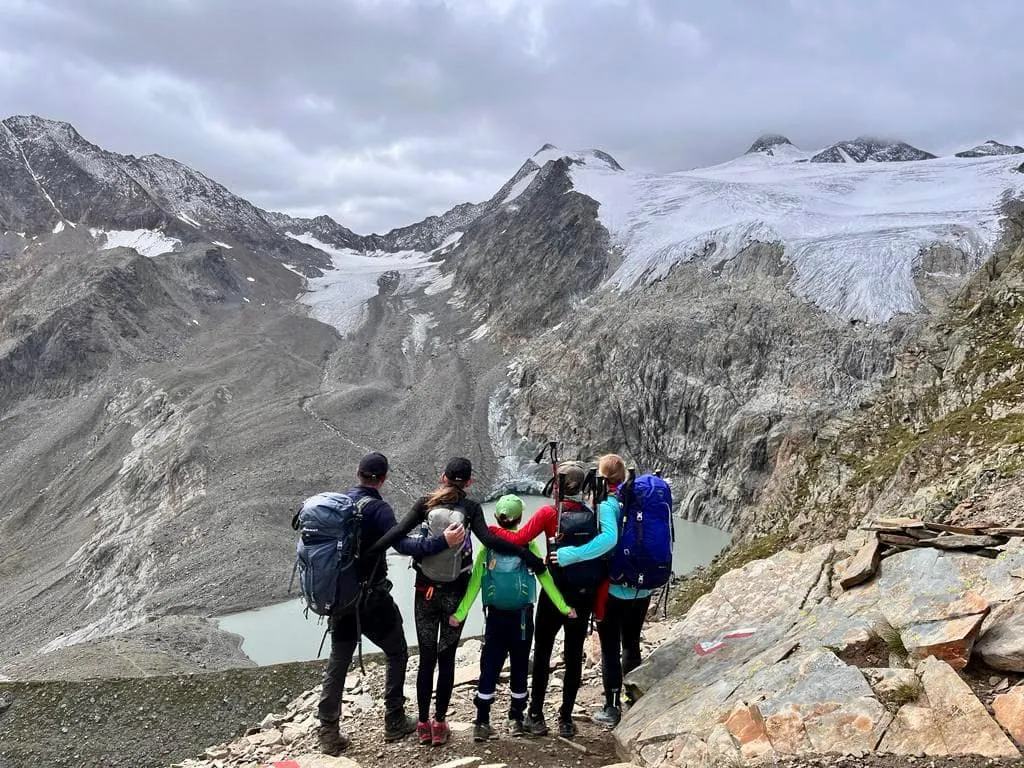
This is a black-rated mountain trail through fully alpine terrain. Sure footing, endurance and no fear of heights are baseline requirements. The terrain — not the daily distance — is what makes this one of the hardest hiking holidays in Europe on this list. The highlight is the section between the Dresdner Hütte and the Bremer Hütte, where the route passes many glaciers. If you need to cut a day short, you can descend to the valley from every hut. The valley is easily reached via Innsbruck.

9. Stubaier Höhenweg, Austria: Nine Days, Eight Huts, Big Glaciers

10. GR221 Mallorca: A Spring Walking Holiday in the Mediterranean

When: February to late September · Days: 12 (7-day short version available) · Level: Moderate · Best for: walkers who want mountains, sea views and a terrace at the end of the day · Book: Full Mallorca Trail (GR221, 12 days)

The GR221 traverses the Serra de Tramuntana from Port d'Andratx to Pollença, passing through Valldemossa, Deià, Sóller and Lluc. Our route covers 135.1 km over ten walking days with approximately 5,510 metres of ascent. The longest stage is 20.0 km.

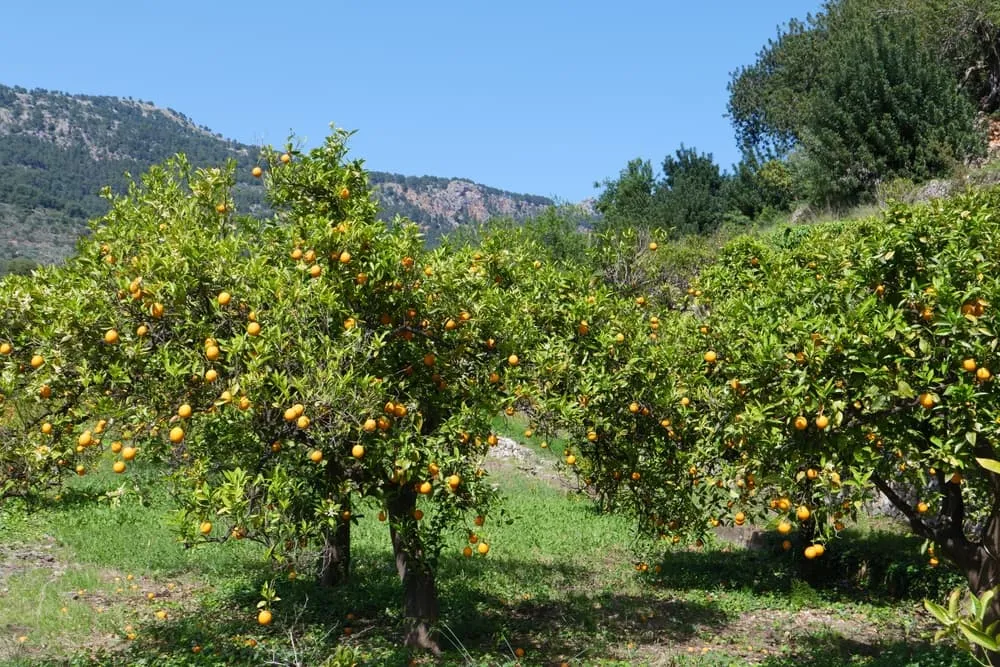
Walking between almond and orange trees with sea views and the occasional sound of goats is the daily rhythm. There are no technical difficulties and the route suits anyone with a reasonable fitness level. We divide the stages differently from the official GR221 division to keep the daily distances comfortable. Note that in our calendar the GR221 is closed from October to January. It reopens in February, making it one of the best spring walking holidays in Europe. For more routes in the region, see walking holidays in Spain.

10. GR221 Mallorca: A Spring Walking Holiday in the Mediterranean

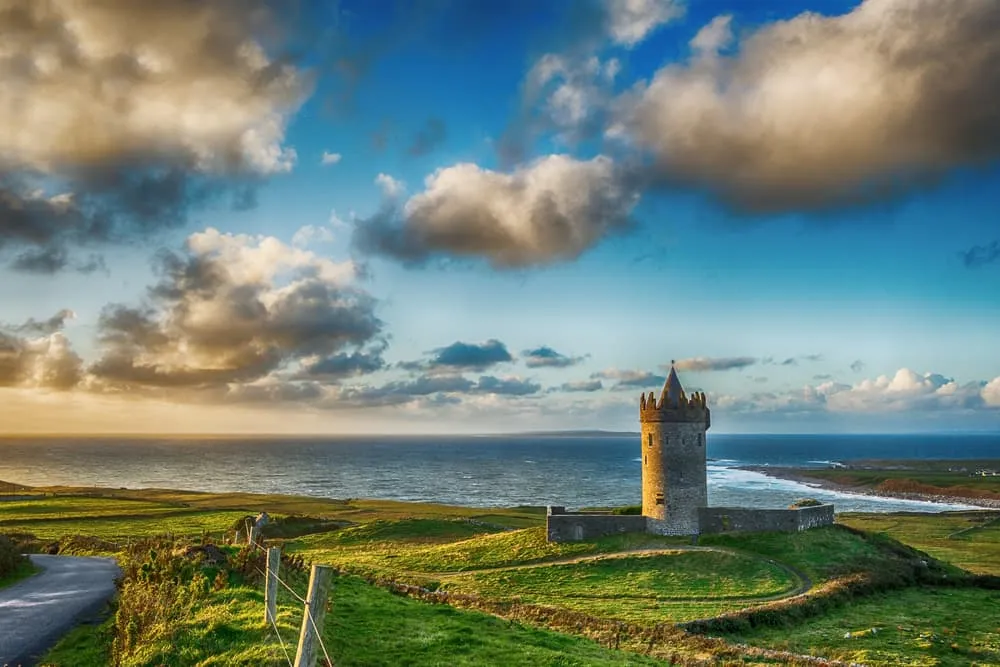
11. Dingle Way, Ireland: Atlantic Coast Walking from March to November

When: mid-March to early November · Days: 11 (5-day short version available) · Level: Moderate · Best for: coast, villages and pubs instead of huts · Book: Classic Dingle Way

The Dingle Way is a circular route beginning and ending in Tralee, County Kerry. Our full version covers 185.6 km over nine walking days, with daily distances ranging from 16.7 to 25.3 km. Elevation is modest on most days, with the notable exception of the stage from Ballydavid to Cloghane.

The route takes in the foothills of Slieve Mish, the Atlantic cliffs at Slea Head, the standing stones and beehive huts of the Dingle Peninsula and the golden beaches of the Maharees. Every overnight stop is a village or small town. Accommodation ranges from hotels in Dingle to bed-and-breakfasts and pubs in the quieter stretches. For anyone who prefers a village bed to a mountain hut, this is one of the most enjoyable multi-day hikes in Europe.

11. Dingle Way, Ireland: Atlantic Coast Walking from March to November

12. Alta Via 1, Dolomites: The Classic, and Why You Book It First

When: mid-June to September · Days: 8 (also available as 3 to 6-day sections) · Level: Challenging · Best for: walkers who want the most famous high route in the Dolomites · Book: Full Alta Via 1

"Alta Via" means high route. The numbered system works like a road network across the Italian Alps, and Alta Via 1 is the route that takes in the greatest highlights of the Dolomites from one end of the range to the other. It begins at Lago di Braies, which is easily reached from Cortina d'Ampezzo. Our Full Alta Via 1 covers 116.4 km over eight days, with the longest stage at 18.3 km. For a detailed breakdown of every stage, read our complete Alta Via 1 guide.

The Alta Via 1 is the route in our portfolio that fills up fastest. For the 2027 season, many departure dates are already well booked. Check the product page for availability. If your preferred dates are taken, the Alta Via del Granito (section 16) offers a quieter experience and the Palaronda (section 20) is the best short alternative in the Dolomites.

13. West Highland Way, Scotland: Milngavie to Fort William

When: April to early November · Days: 7 to 12 (Intensive, Medium or Easy pace) · Level: Moderate · Best for: a fully organised long walk without leaving Britain · Book: West Highland Way Medium (9 days)

The West Highland Way runs from Milngavie near Glasgow to Fort William, walked from south to north through Loch Lomond National Park, across the wilderness of Rannoch Moor and on to within sight of Ben Nevis. Our Medium version covers 157.7 km (approximately 98 miles) over seven walking days. The longest day is 30.2 km from Tyndrum to Kingshouse.

The route is well-marked and popular — you will rarely feel alone on the trail. There are hostels, B&Bs, bunkhouses and hotels at regular intervals. You can reach the start by bus or train to Glasgow, and the easiest return from Fort William is by train.

13. West Highland Way, Scotland: Milngavie to Fort William

14. Triglav and the Julian Alps, Slovenia: Lakes, Huts and Big Views

When: late June to mid-September · Days: 3 to 6 · Level: Challenging · Best for: walkers who want Alpine scenery away from the big names · Book: Mount Triglav National Park Adventure

More than half of Slovenia is forested and much of the country is mountainous. The Julian Alps contain some of the most diverse biodiversity in Europe, and the glacial lakes — deep green, clear and cold — are unlike anything in the more crowded Alpine ranges.

Our four-day Mount Triglav National Park Adventure starts and ends at Lake Bohinj, passing through the Mostnica Gorge and the Valley of the Triglav Lakes. The route covers 39.2 km, with the first day involving approximately 1,330 metres of ascent. For walkers who want to stand on the summit of Triglav itself, there is a separate three-day Triglav ascent itinerary. The national park version gives you the scenery without the summit demands.

14. Triglav and the Julian Alps, Slovenia: Lakes, Huts and Big Views

15. GR20, Corsica: The Toughest Hiking Holiday in Europe

When: mid-June to late September · Days: 15 (Northern half 9 days, Southern half 7 days) · Level: Demanding · Best for: experienced mountain walkers who want the hardest long-distance trail on this list · Book: GR20 Full Version, north to south (15 days)

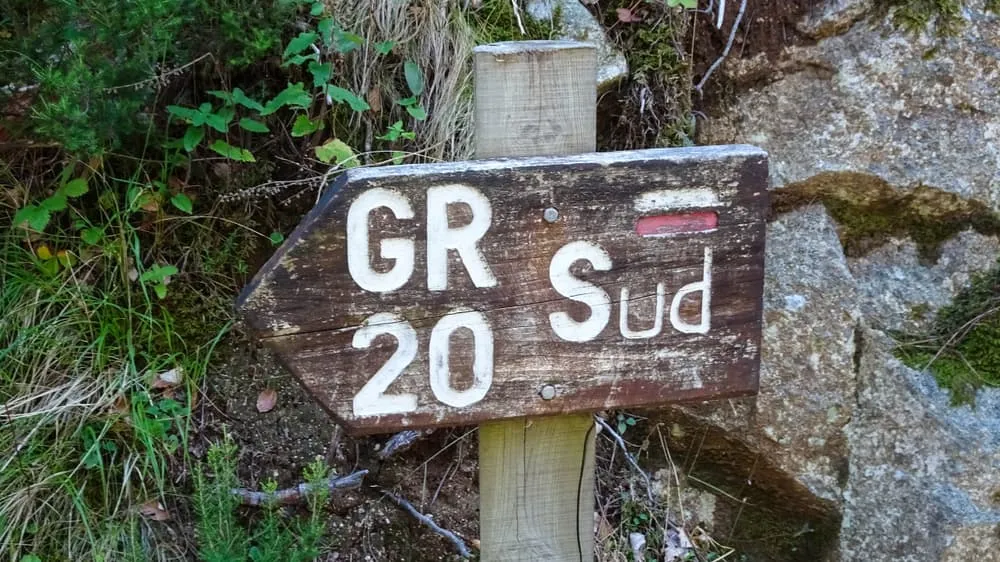
The GR20, also known as fra li Monti, crosses Corsica from Calenzana in the north to Conca in the south, with Vizzavona as the midpoint between the two halves. Our full route covers 184.6 km over fifteen days with approximately 11,110 metres of total ascent. The longest stage is 23.7 km.

This is not a route for beginners. The northern section involves scrambling, fixed chains and a ladder. You need mountain experience, the ability to read a map and navigate from route descriptions, and a head for exposed terrain. It is one of the most demanding hiking holidays in Europe, and also one of the most rewarding. If you are considering it, read our GR20 guide with every stage before you book.

15. GR20, Corsica: The Toughest Hiking Holiday in Europe

16. Alta Via del Granito: The Quiet Alternative in the Dolomites

When: mid-June to mid-September · Days: 3 or 4 · Level: Challenging · Best for: a short, quiet hut trek, or a plan B when the Alta Via 1 is full · Book: Classic Alta Via del Granito

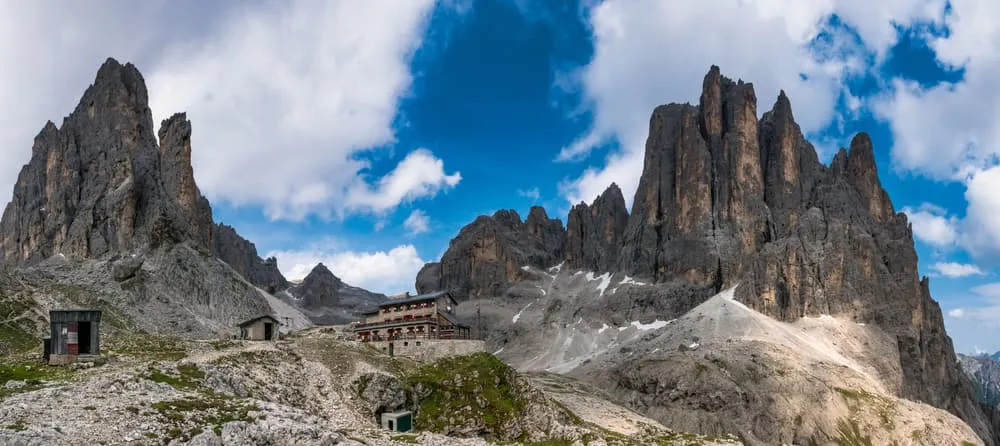
The Alta Via del Granito is a circular traverse of the granite Cima d'Asta group in the Lagorai chain, geographically still part of the Dolomites. The route follows ancient paths and former military roads from the First World War, connecting the two mountain huts in the group across high pastures and ridgelines.

Our three-day Classic starts from Malga Sorgazza and covers 32.0 km. Two days each involve more than 1,000 metres of ascent; the third day is almost entirely downhill. The route is well known among Italian hikers but has stayed largely outside the mainstream international trekking world, which means the rifugio experience is genuinely local. If your Alta Via 1 dates are no longer available, this is the route to look at first.

16. Alta Via del Granito: The Quiet Alternative in the Dolomites

17. Canary Islands and Madeira: Winter Walking Holidays in Europe

When: all year · Days: 7 · Level: Moderate · Best for: winter sun with real walking · Book: La Gomera Trail (GR131/GR132, 7 days)

When the Alpine huts close in September and the idea of hiking holidays in Europe seems like something to plan for next summer, the southern flank is just getting started. The Canary Islands and Madeira are the best winter walking holidays in Europe, and they are nothing like a beach package.

On La Gomera, the Garajonay National Park is the centrepiece. Our La Gomera Trail covers 77.1 km over four walking days and one rest day. The longest stage is 26.9 km from Hermigua back to San Sebastián. There is also a La Palma Trail (6 days) and a Lanzarote Trail (7 days) for those who want a different island.

For something steeper and greener, Madeira is the stronger choice.

When: all year · Days: 5 (7 with accommodation before and after) · Level: Challenging · Best for: steep green mountains above the Atlantic · Book: Madeira Trail (5 days)

Our Madeira Trail runs from Machico to Ribeira da Janela: 81.5 km over five days with approximately 4,460 metres of total ascent. Day two passes Pico Ruivo. The final two stages are long at 22.5 and 23.0 km respectively. La Gomera is the gentler choice; Madeira is the more demanding one. Both are genuine winter walking holidays in Europe with no compromises on scenery.

17. Canary Islands and Madeira: Winter Walking Holidays in Europe

18. Porta del Cel, Pyrenees: Catalonia's Highest Hut-to-Hut Trek

When: mid-June to mid-September · Days: 4 (5 with a night after the final stage) · Level: Demanding · Best for: experienced hut-trekkers who want big days · Book: La Porta del Cel

Porta del Cel is Catalan for "heaven's gate", and the name is apt. The route is a circular trek from Tavascan through the Parc Natural de l'Alt Pirineu, the largest natural park in Catalonia. It passes the Pica d'Estats, the highest summit in the Catalan Pyrenees. Those familiar with the Carros de Foc will recognise the terrain and the style of hut-to-hut travel.

Our route covers 59.2 km over four days with approximately 4,560 metres of total ascent. Daily walking times range from seven to nine hours. This is not a route to attempt as your first hut-to-hut experience. If you have several multi-day hikes behind you and your kit is sorted, the Porta del Cel is a serious and satisfying challenge.

18. Porta del Cel, Pyrenees: Catalonia's Highest Hut-to-Hut Trek

19. Mount Elbrus: Europe's Highest Peak Is a Climb, Not a Walking Holiday

When: no Bookatrekking dates · Days: expedition · Level: beyond this scale · Best for: mountaineers collecting the Seven Summits · Book: not in our range

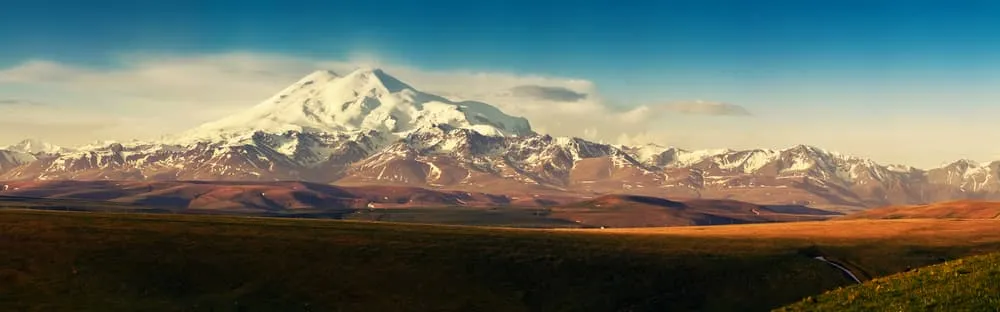
Europe does not end at the borders of the EU. The Caucasus is partly European, and within it, Elbrus rises to 5,642 m, making it the highest peak in Russia, the Caucasus and Europe, and one of the Seven Summits. Reaching the summit requires mountaineering skills and equipment. This is not a walking holiday. Anyone who wants high-altitude mountain scenery as a hiking experience will find the Tour du Mont Blanc (section 1) a far more suitable choice.

19. Mount Elbrus: Europe's Highest Peak Is a Climb, Not a Walking Holiday

20. Palaronda Trek: The Best Short Hut-to-Hut Hike in the Dolomites

When: late June to mid-September · Days: 4 (also available as 3 and 5 days, or 6 with accommodation before and after) · Level: Moderate · Best for: a first Dolomites trek, or an Alta Via 1 alternative · Book: Palaronda Trek

The Pale di San Martino is the largest massif in the Dolomites, located between eastern Trentino and Veneto. Its highest point is the Cima della Vezzana at 3,192 m. The Palaronda Trek circles the massif from San Martino di Castrozza.

Our four-day version covers 35.6 km with approximately 2,950 metres of total ascent. The longest stage is 10.1 km. Daily walking time rarely exceeds five hours, which leaves genuine time to rest in the hut, eat well and look at the view. This is the friendliest introduction to hut-to-hut trekking in the Dolomites, and a sensible alternative for anyone whose Alta Via 1 date is no longer available. The terrain is Dolomite, the huts are real rifugios, and the scenery is exactly what you came to Italy for.

20. Palaronda Trek: The Best Short Hut-to-Hut Hike in the Dolomites

Booking Walking Holidays in Europe: How It Works and Your Questions

Arranging a walking holiday in Europe yourself is entirely possible. Your flights, your huts, your luggage, your route navigation: everything can be handled independently. But finding the right rifugio for a specific night on the Alta Via 1, booking a B&B in a small Kerry village or confirming luggage transport on a Scottish route takes time and local knowledge.

When you book a self-guided trip through Bookatrekking, we handle the accommodation along the route as a single package. You get access to the Bookatrekking app with the route per stage and the current weather forecast for each hut or guesthouse based on its exact coordinates. You walk at your own pace. For a full explanation of what is organised on a self-guided walking holiday, and what you do yourself, visit our dedicated page.

One practical note on timing: the summer mountain routes — particularly the Alta Via 1, the Tour du Mont Blanc and the Stubaier Höhenweg — fill up first, and the best departure dates go in winter. The southern routes (Madeira, the Canary Islands, the Fisherman's Trail and the Camino) can often be arranged with shorter notice.

Which European countries are best for walking?

It depends on your season. In summer, France, Italy, Switzerland and Austria offer the best conditions for mountain walking — the Tour du Mont Blanc, the Dolomites, the Kesch Trek and the Stubaier Höhenweg run roughly from mid-June to mid-September. In spring and autumn, Spain, Greece and Ireland are excellent choices. In winter, Portugal (Madeira and the Fisherman's Trail) and the Canary Islands are the strongest options for walking holidays in Europe.

What is the best walking tour in Europe?

For summer, the Tour du Mont Blanc is the strongest all-round choice: 162.7 km over ten days across France, Italy and Switzerland. For winter, the Fisherman's Trail or Madeira. The honest answer is that "best" depends on your available days, your fitness and your preferred season. Use the seasonal split at the top of this page as your starting point.

What is the most beautiful hiking trail in Europe?

There is no single answer. The Alta Via 1 in the Dolomites is unmatched for dramatic limestone scenery. The GR20 in Corsica is the rawest and most remote. Madeira offers a combination of green mountains and ocean that is unique on the continent. For a broader selection, see our pick of the best hikes in Europe.

Where in Europe is the best place for a 3-day walking holiday?

The Alta Via del Granito in the Dolomites (32.0 km, Challenging) is designed as a three-day circular route and is ideal for a short summer hut trek. The Stubaier Höhenweg is also available as a three-day version. For a flat option with no mountains at all, one section of the Pieterpad in the Netherlands works well. Three days is enough for a complete circular hut route, but not for any of the long-distance trails on this list.

Where can I go for a 4-day walking holiday in Europe?

Four good options at different levels: the Palaronda Trek in the Dolomites (35.6 km, Moderate), the Kesch Trek in Switzerland (57.3 km, Moderate), the Mount Olympus circuit in Greece (39.8 km, Challenging) and the Porta del Cel in the Pyrenees (59.2 km, Demanding). Check the difficulty rating before choosing — the terrain varies considerably across these four routes.

What are some good long-distance walks in Europe?

The longest routes on this page: the Fisherman's Trail (218.9 km, all year), the Dingle Way (185.6 km, spring to autumn), the GR20 (184.6 km, summer), the West Highland Way (157.7 km, spring to autumn) and the GR221 on Mallorca (135.1 km, February to September). Each suits a different season and a different fitness level.

What is the longest hiking trail in Europe?

Of the routes on this page, the Pieterpad in the Netherlands is the longest at 498 km. Beyond individual routes, the national long-distance networks — the French Grande Randonnée, the Spanish Gran Recorridos, the Portuguese Grande Rota and the Dutch lange-afstandswandelpaden — connect into a continent-wide network that could keep you walking for years.

What are some good walking holidays in Europe for seniors?

Choose by daily distance, total elevation and accommodation type rather than age. The Pieterpad, the Moselsteig, the final stages of the Camino de Santiago and the Easy version of the West Highland Way (12 days) all offer overnight stops in villages or towns rather than mountain huts and modest daily elevation. None of these require technical terrain or a head for heights.

Where can I go on a winter walking holiday in Europe?

Madeira, La Gomera and the other Canary Islands, the Fisherman's Trail in Portugal and the Camino de Santiago are all walkable in winter. The Alpine huts are closed in winter. The GR221 on Mallorca reopens in February. For a bookable winter option, the Madeira Trail is the most demanding and the most scenically rewarding winter walking holiday in Europe on this list.

Do I need a guide, or can I walk self-guided in Europe?

Every route on this page that we sell is self-guided: no group leader, no fixed pace, accommodation booked in advance and the route available on the Bookatrekking app. More demanding routes such as the GR20 and the Stubaier Höhenweg require mountain experience and navigation skills, but not a professional guide. For a clear explanation of what is and is not included, read self-guided walking holidays explained.


About Us

At Bookatrekking.com, you will find the trek that will make your life unforgettable. Whether you want to explore the Inca Trail or climb Kilimanjaro. Bookatrekking.com has a wide and varied range of first-class treks. No false promises are made here. Transparent prices and bookings are fixed instantly. Find, compare, book and trek!
Read more about us
About Us
About Us

Also Interesting