Flora and Fauna of Austria: Wildlife and Nature in the Austrian Alps

Flora and Fauna of Austria: Wildlife and Nature in the Austrian Alps
Trekking experts per destination
Free cancellation up to eight weeks in advance
Quick personal advice

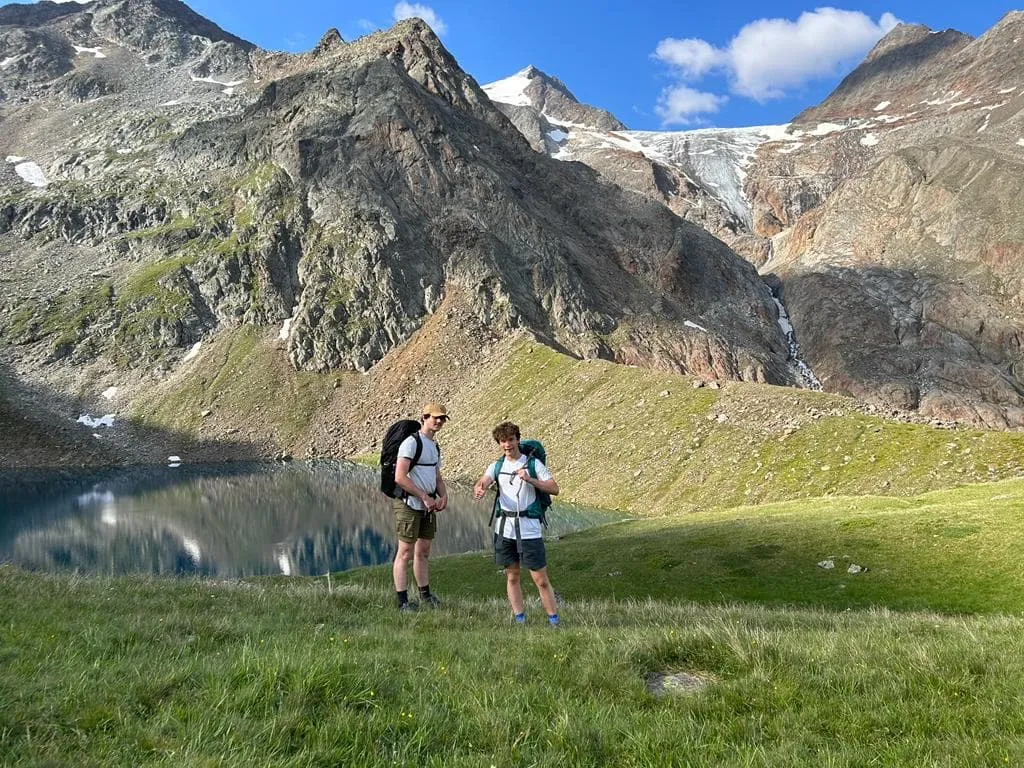
The higher you climb in the Austrian Alps, the more the landscape changes. Forests slowly disappear, and open meadows and rocky slopes take their place. What may seem quiet at first is actually a mountain world full of life.

The Austrian Alps are home to plants and animals that have adapted to steep terrain and long winters. From wildlife moving across high cliffs to flowers blooming during the short summer, nature here follows its own rhythm. If you want to experience this change from valley forests to alpine terrain yourself, Hut-to-Hut Hiking in Austria lets you explore it step by step.
Into the Austrian Alps: Life Above the Treeline

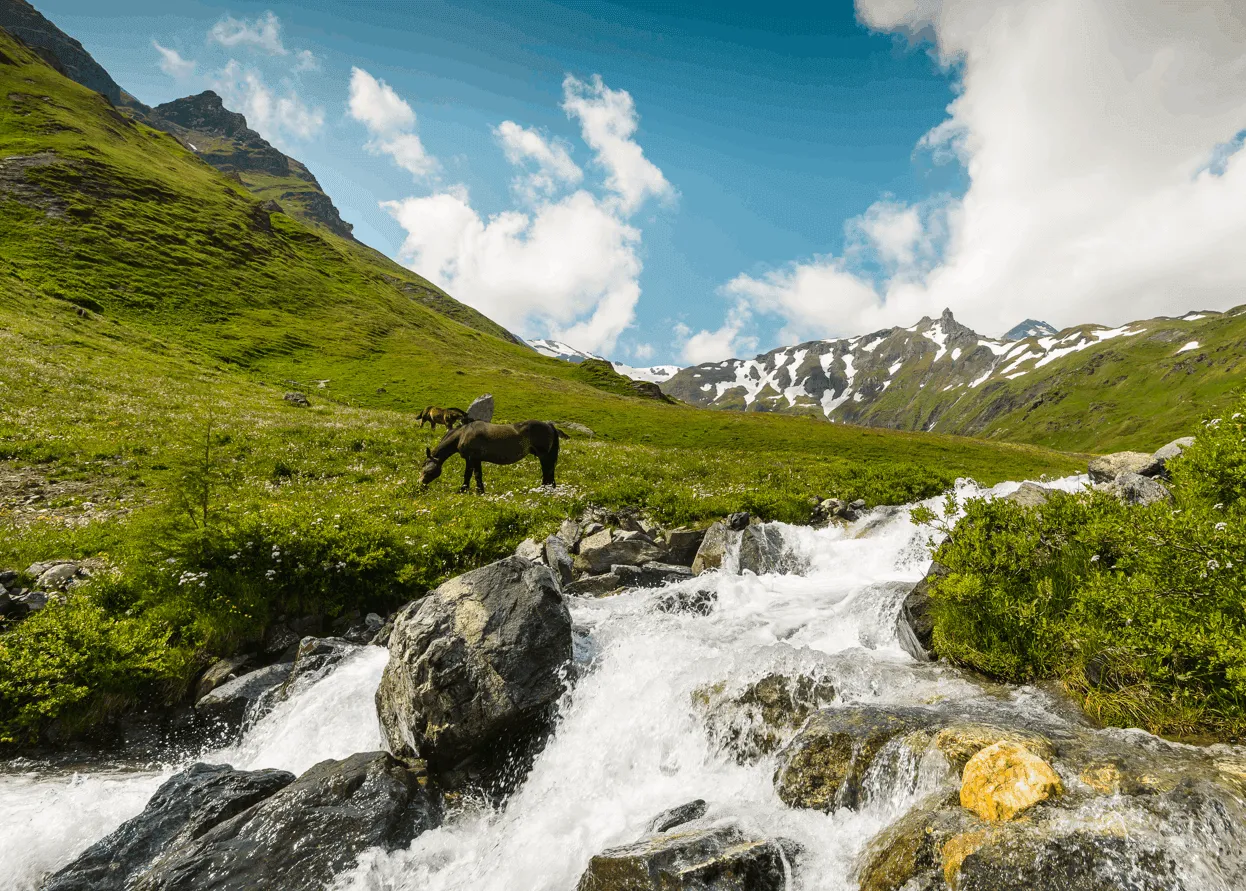
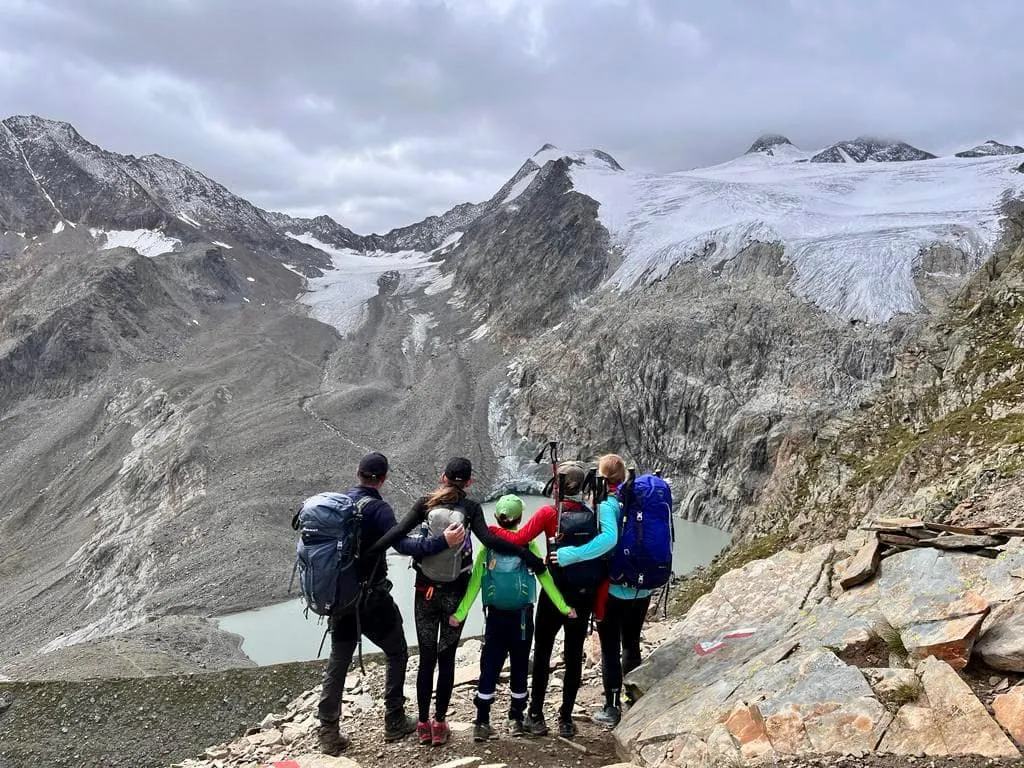
In the Austrian Alps, the treeline marks a clear natural boundary. Above this point, trees can no longer grow because of low temperatures, strong winds, and a short growing season. Forests give way to alpine grasslands, low shrubs, and exposed rock. This high-altitude zone forms its own ecosystem, separate from the valleys below. Conditions are tougher here, and only species that can handle cold, wind, and limited shelter are able to survive.
Into the Austrian Alps: Life Above the Treeline

Ibex and Chamois: Specialists of Steep Terrain

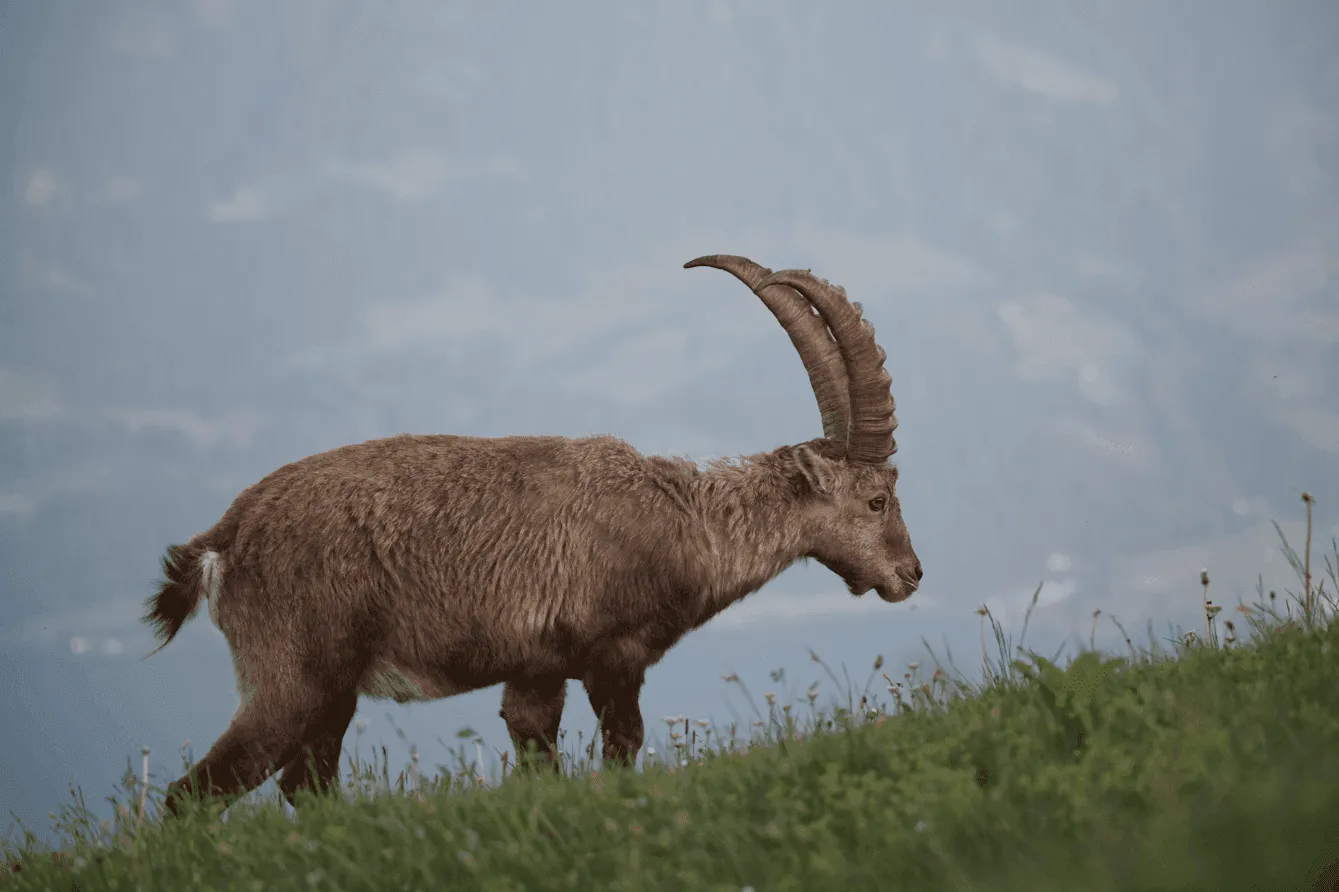
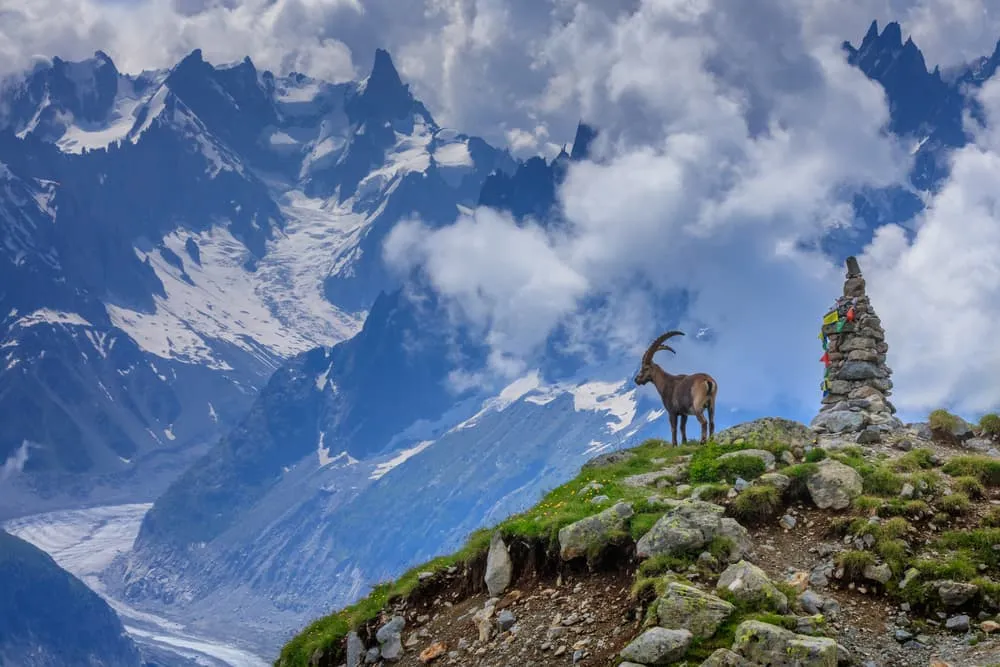
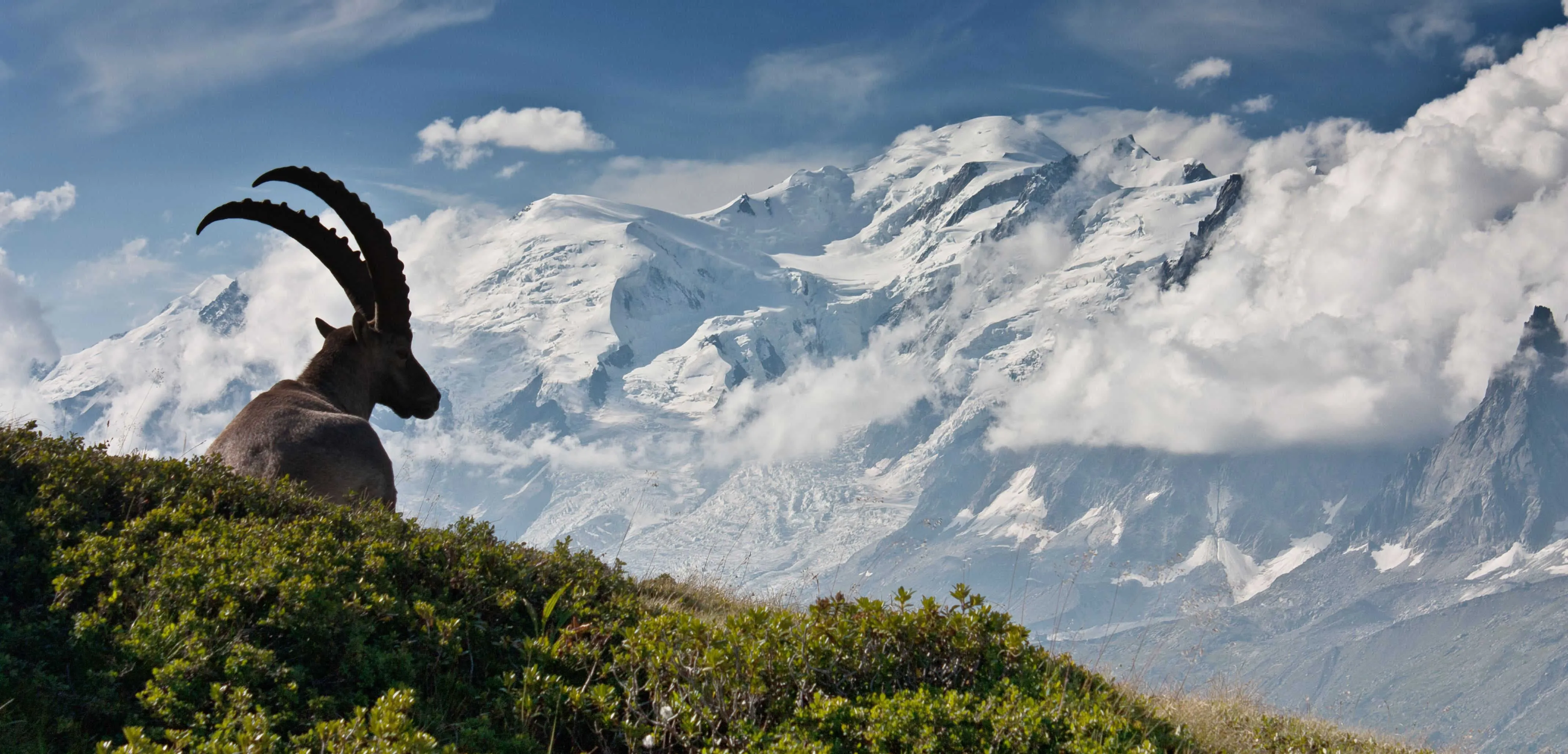
The Alpine ibex and the chamois are two of the most well-known mountain animals in Austria. Both species are built for steep and rocky terrain. Their strong legs and specially shaped hooves give them excellent grip, allowing them to move safely across cliffs and narrow ledges. Ibex are larger and known for their long, curved horns, while chamois are smaller and move quickly across open slopes. They spend much of their time at higher elevations, where alpine grasses and herbs provide food and the rugged terrain offers protection.
Ibex and Chamois: Specialists of Steep Terrain

Marmots and Other Alpine Mammals

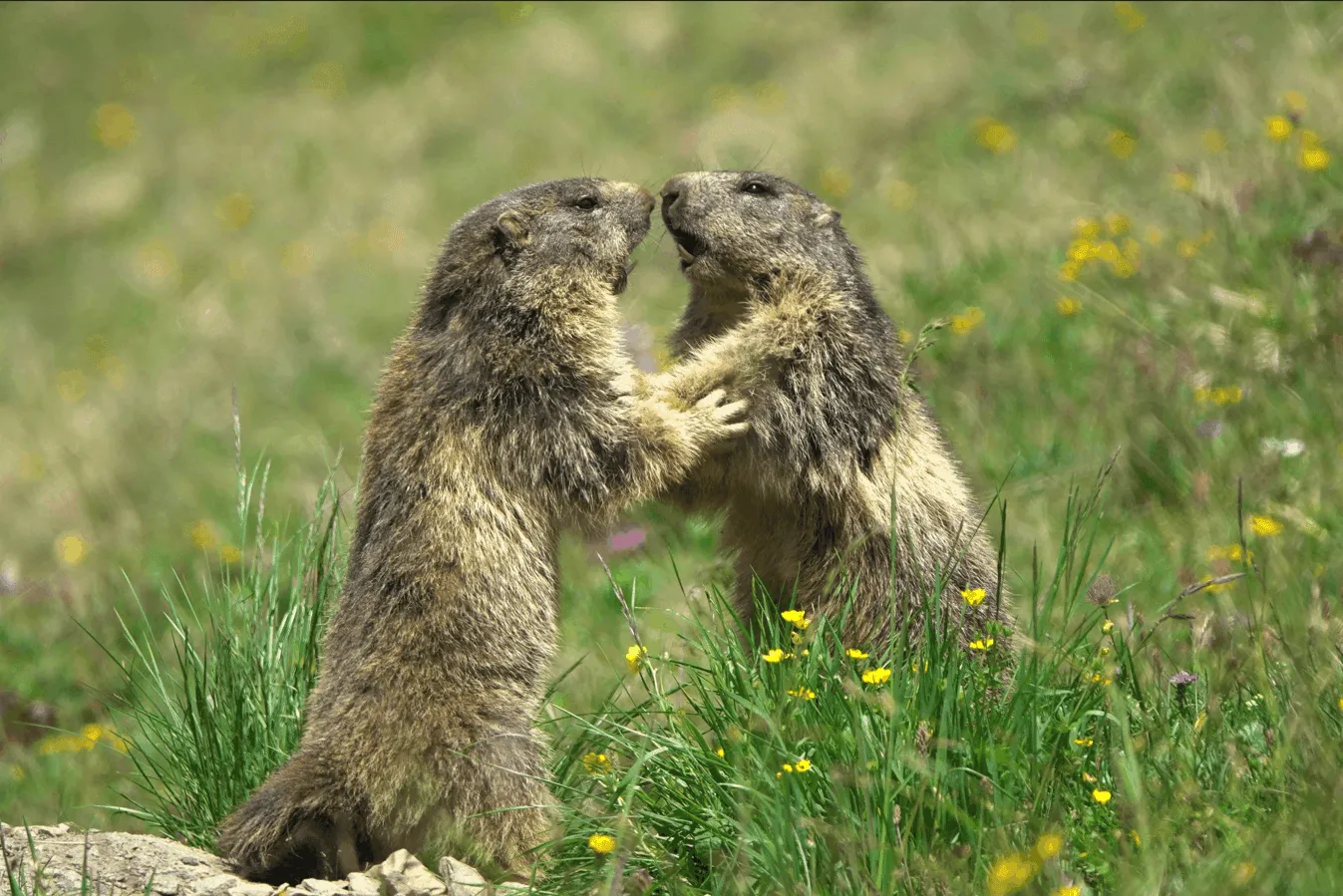
Alpine marmots are a common sight in the Austrian Alps, especially in open grasslands above the treeline. These large ground squirrels live in burrows and are known for their loud warning whistles, which alert others when danger is near. Marmots spend the short summer months feeding on grasses and plants to build up fat reserves for winter. When temperatures drop, they hibernate underground for several months. Other mammals, such as mountain hares and foxes, also live in alpine areas, adjusting their behavior and diet to match the seasons and limited food supply.
Marmots and Other Alpine Mammals

Birds of the Alps: Golden Eagles and Bearded Vultures

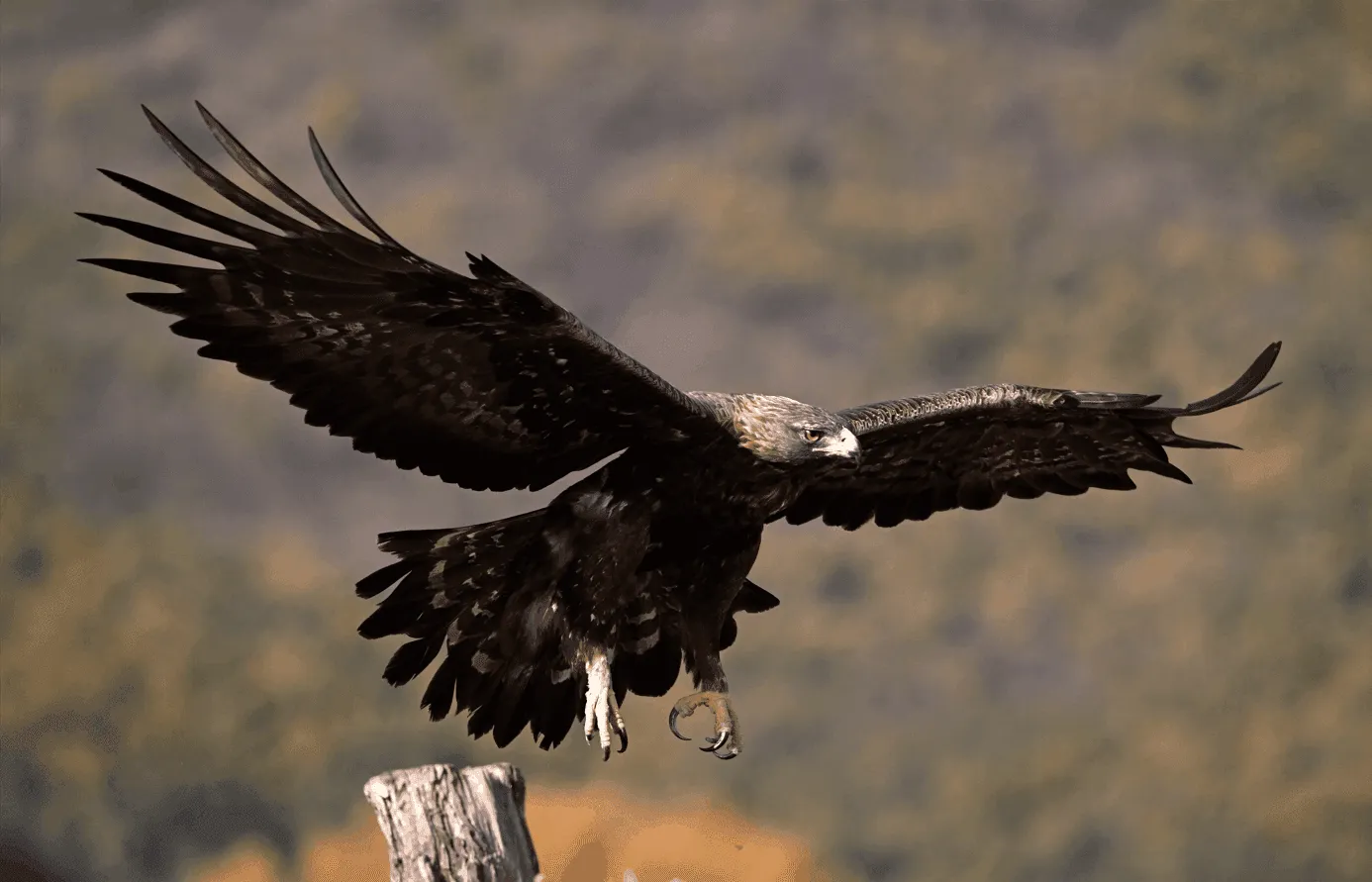
Large birds of prey are an important part of the alpine ecosystem in Austria. The golden eagle is one of the most impressive, with a wide wingspan and strong eyesight that helps it spot prey from high above the valleys. It hunts small mammals and birds, often using the mountain slopes to its advantage. The bearded vulture, once extinct in the region, has been successfully reintroduced in parts of the Alps. Unlike most birds of prey, it mainly feeds on bones, which it drops from the air to break them open. These birds play an important role in maintaining balance in the mountain environment.
Birds of the Alps: Golden Eagles and Bearded Vultures

Alpine Farming and Grazing Traditions

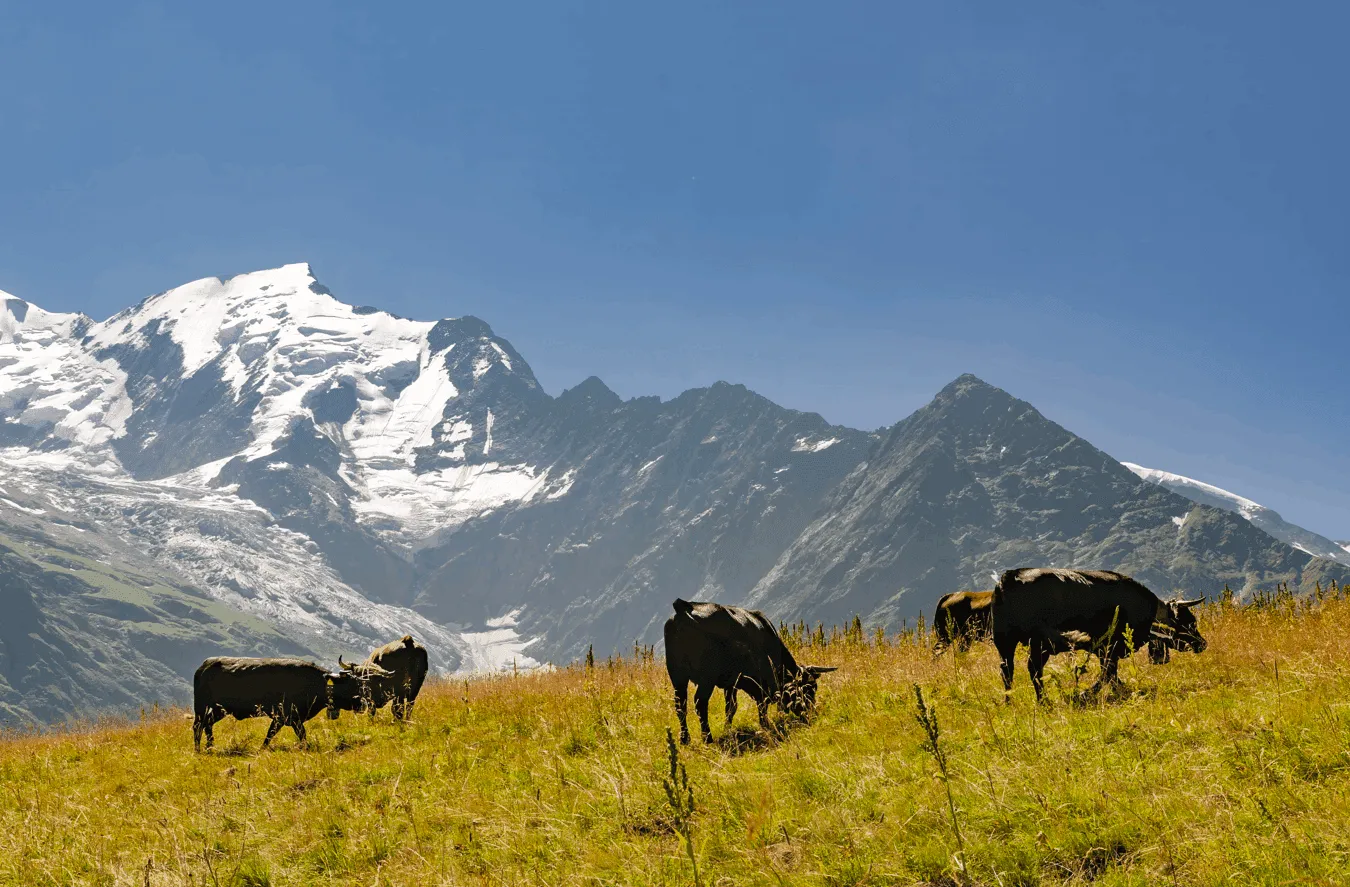
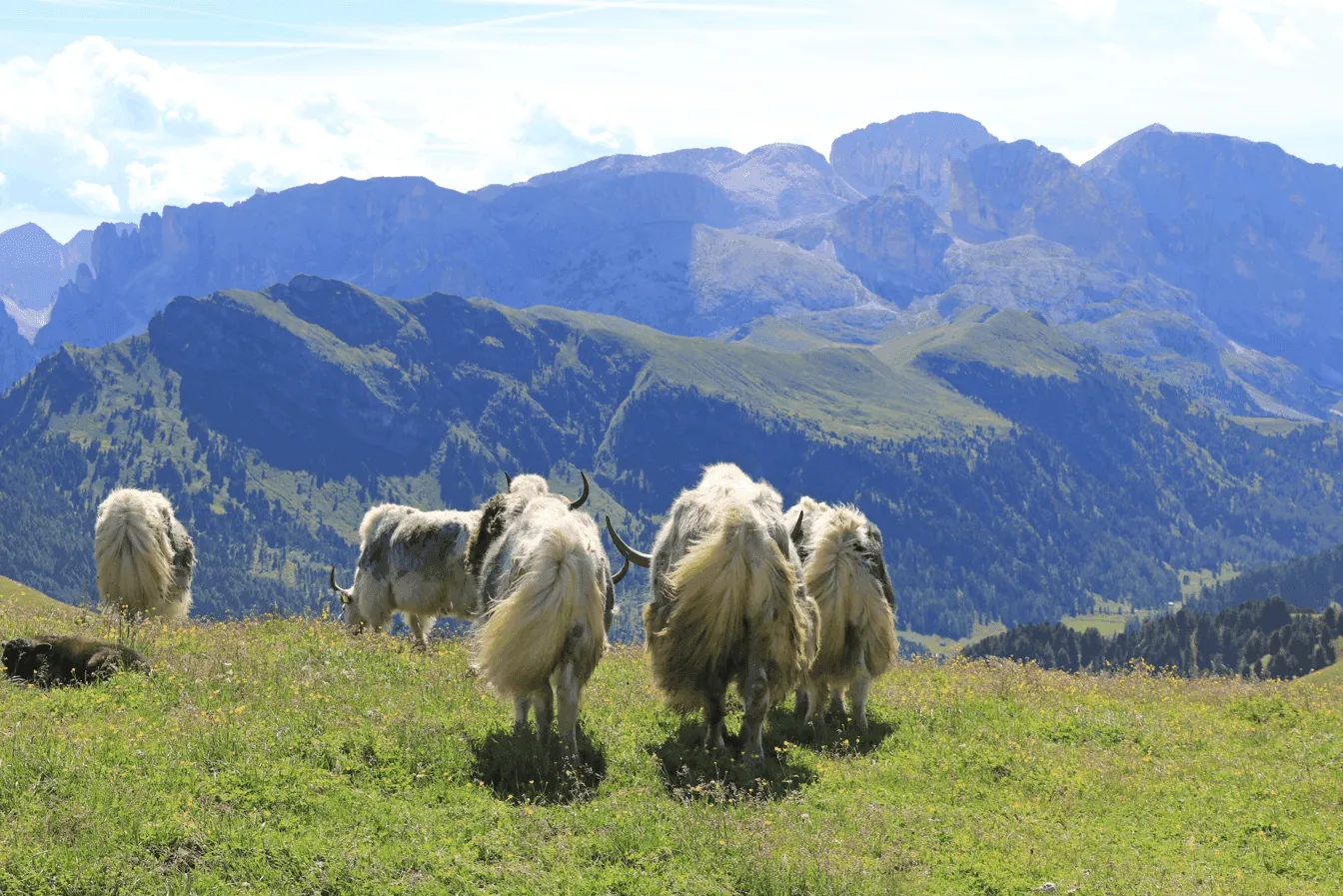
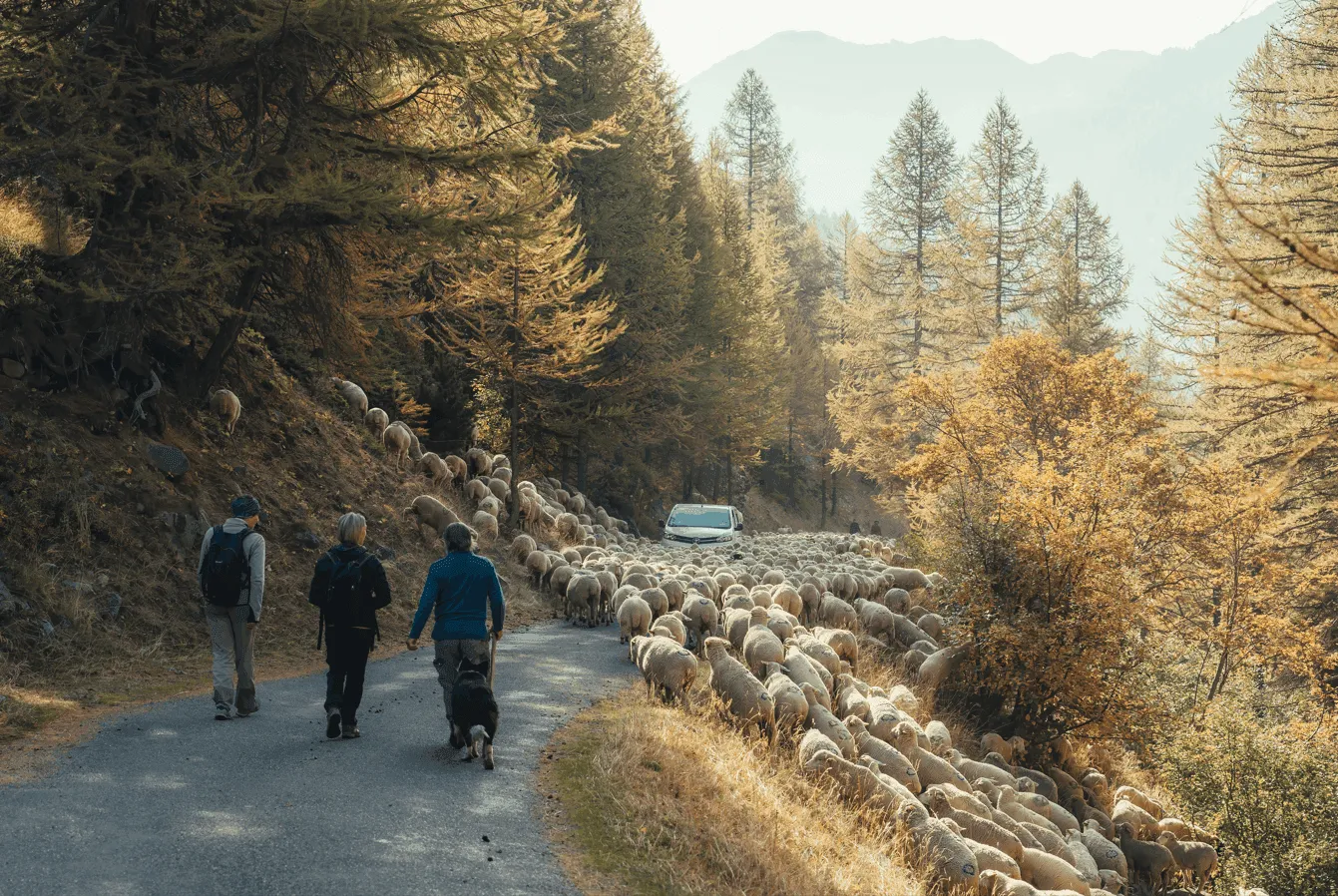
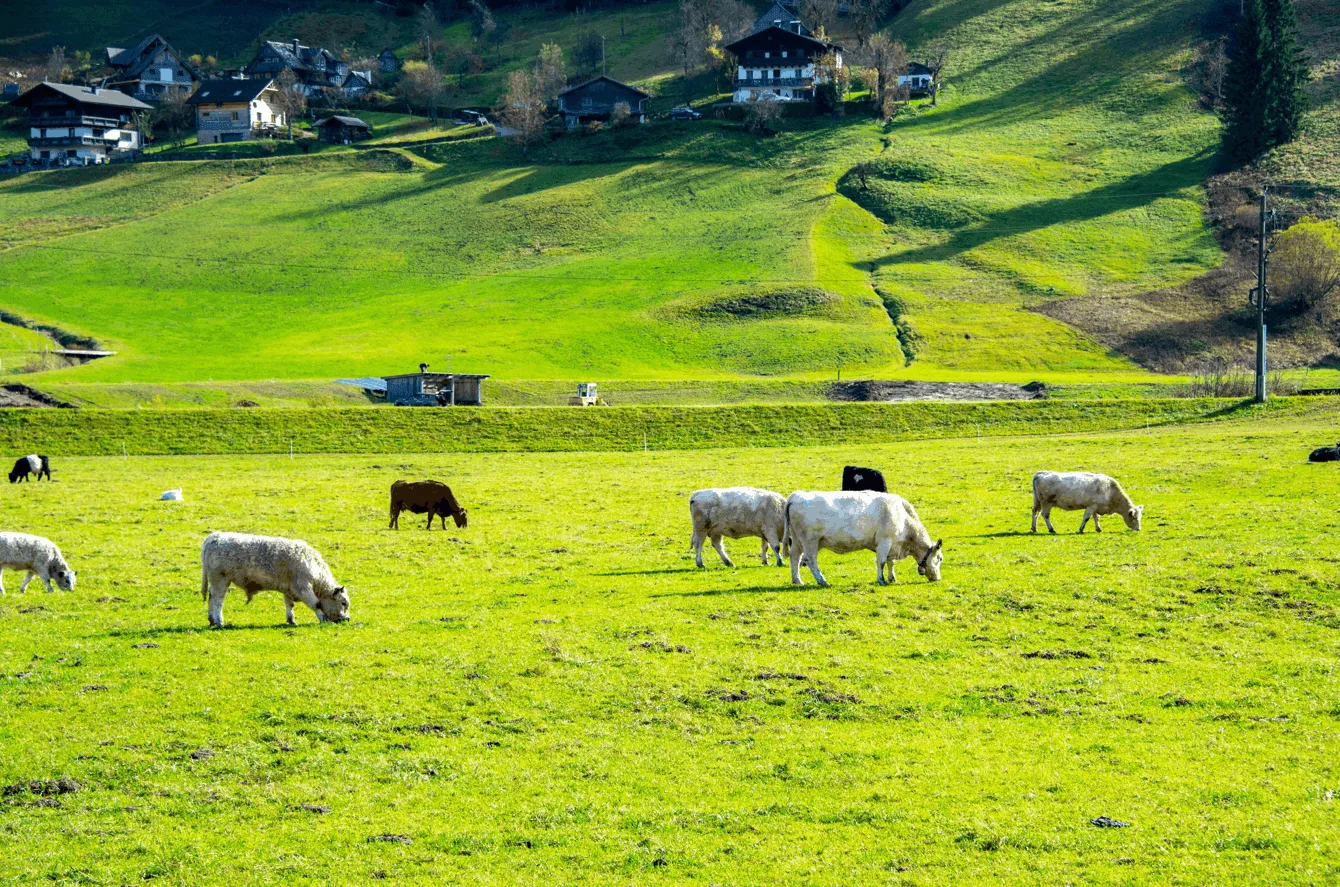
Not all life in the Austrian Alps is wild. For centuries, alpine meadows have been used for seasonal farming. During summer, cattle, sheep, and goats are moved to higher pastures where fresh grass is available. This tradition, known as alpine transhumance, helps farmers make use of mountain landscapes that are unsuitable for crops. The grazing animals also shape the environment by keeping meadows open and preventing forests from spreading higher. Many of these pastures are still in use today and are an important part of both the rural economy and the cultural identity of the Alps.
Alpine Farming and Grazing Traditions

Alpine Flowers: Edelweiss, Gentian, and More

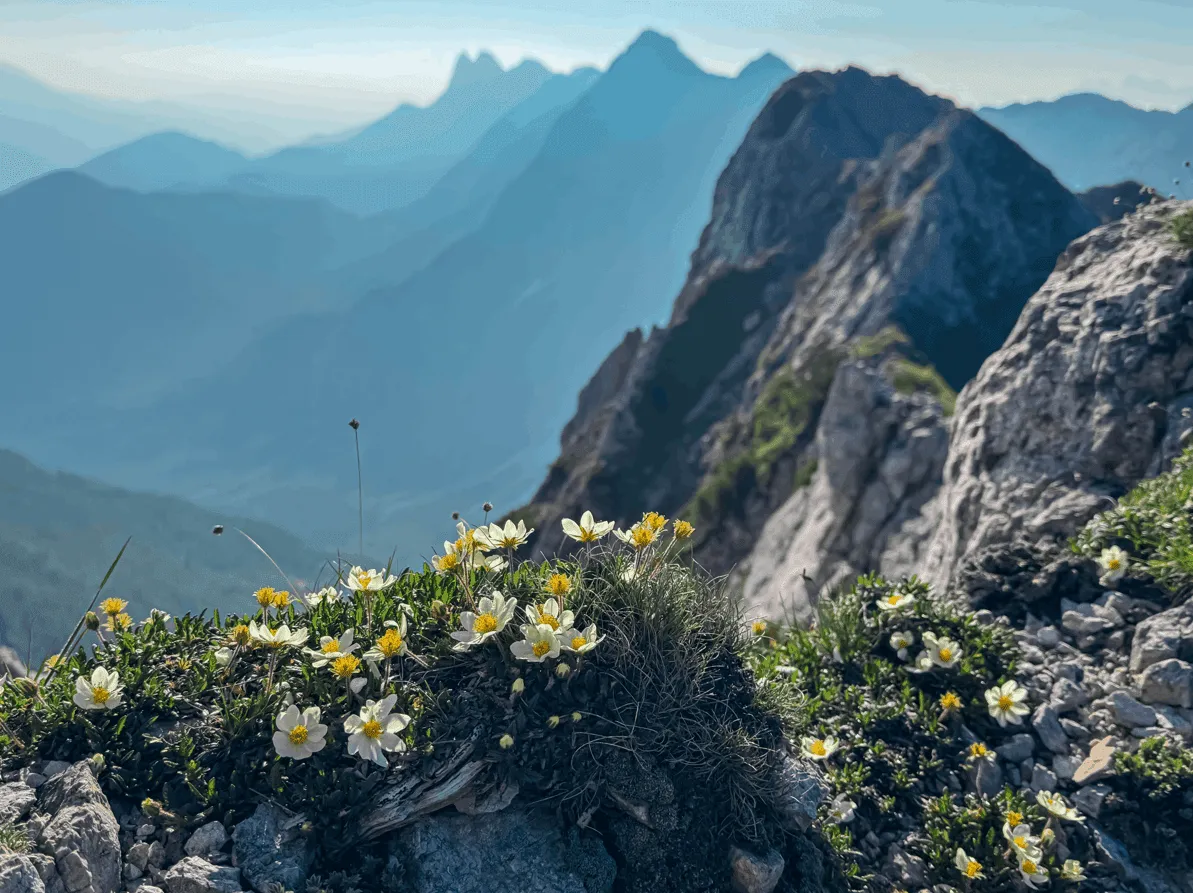
The Austrian Alps are also known for their alpine flowers. During the short summer, meadows and rocky slopes fill with color. Edelweiss is one of the most famous species and has become a symbol of the Alps. Gentians, with their bright blue petals, are another common sight at higher elevations. These plants grow low to the ground to protect themselves from wind and cold temperatures. Many have deep roots and small leaves, which help them survive in thin soil and strong sunlight.
Alpine Flowers: Edelweiss, Gentian, and More

Forests of Austria: From Beech to Spruce

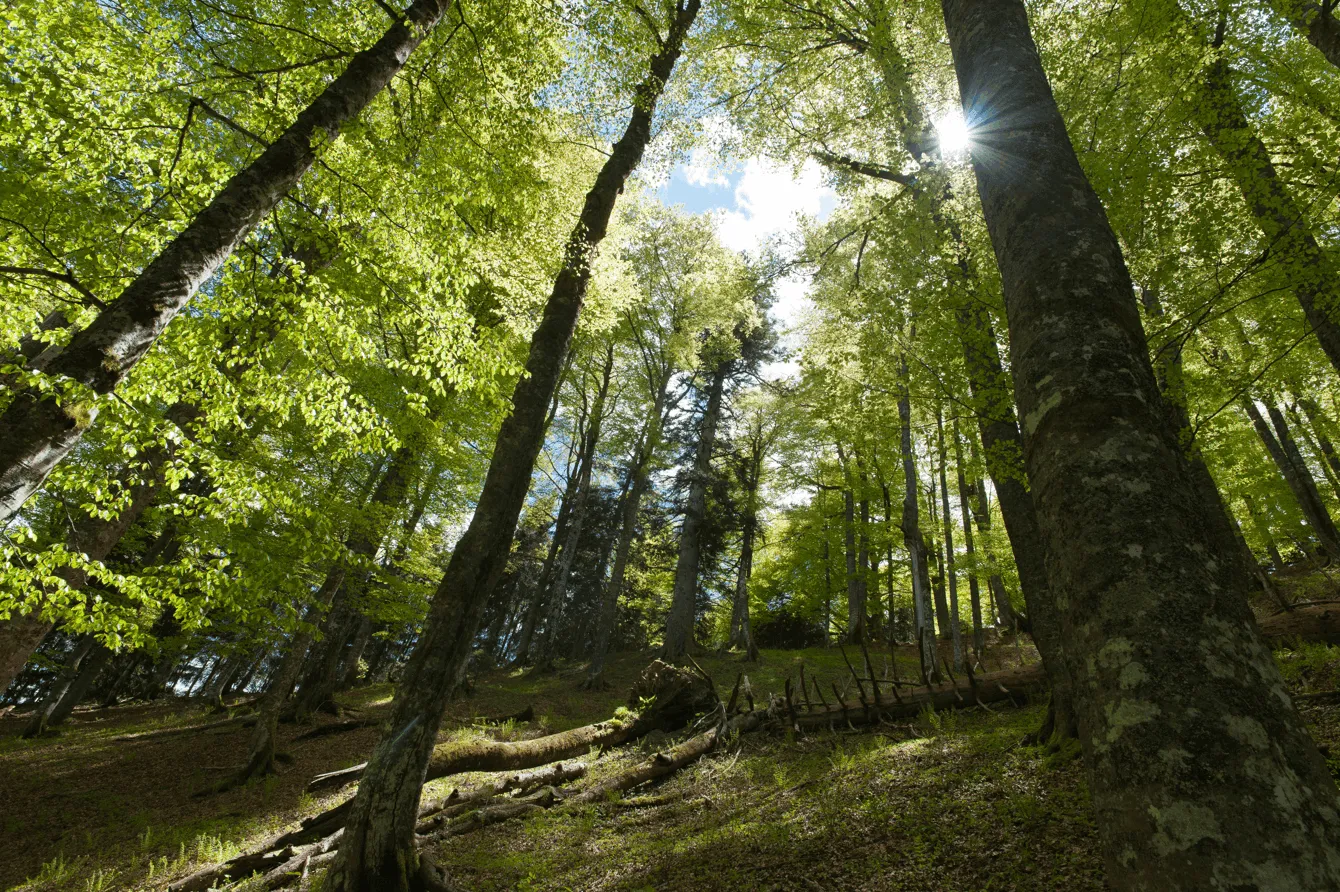
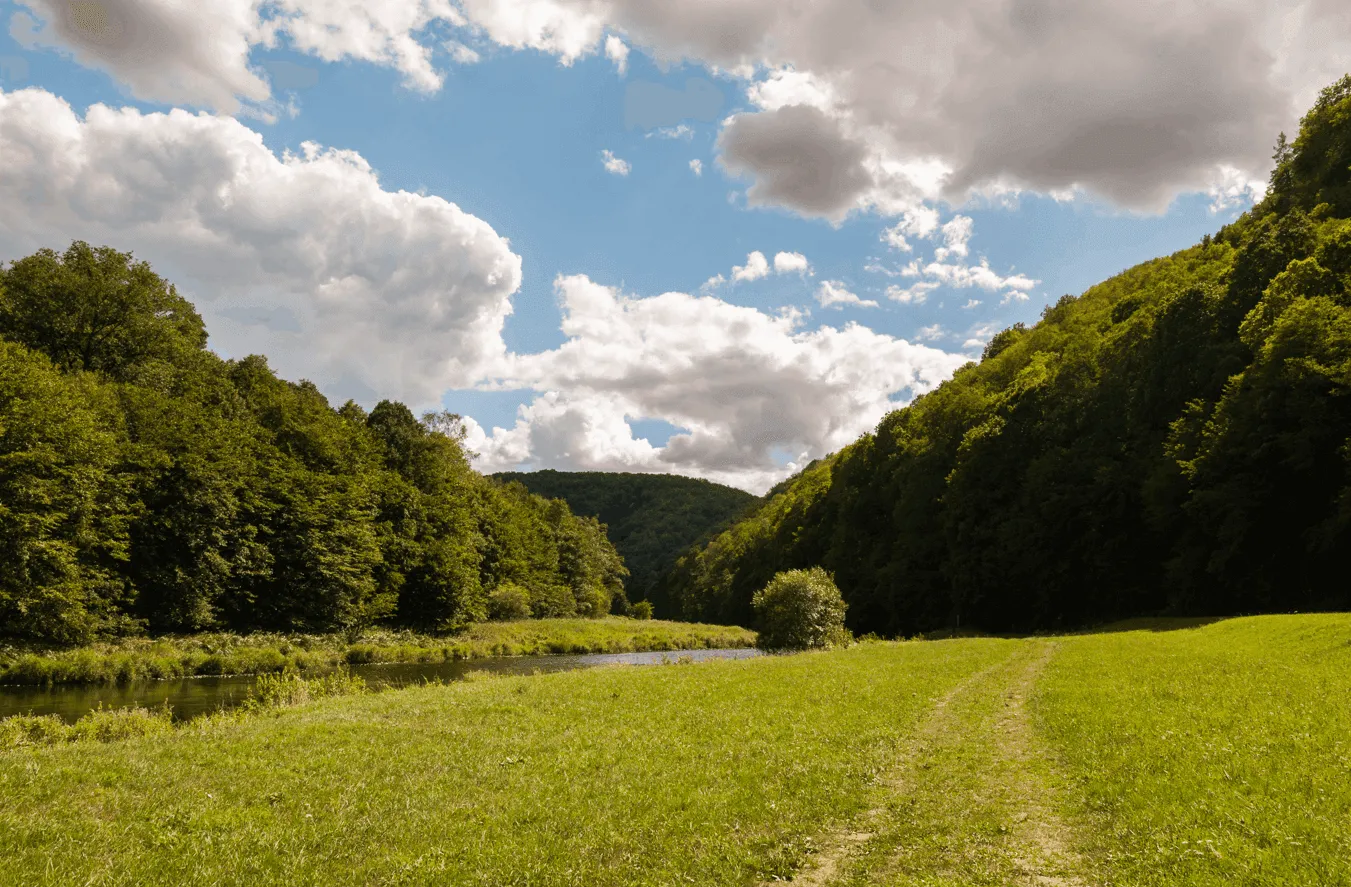
Below the alpine zone, forests cover a large part of Austria’s landscape. At lower elevations, deciduous trees such as beech and oak are common. As you move higher, these forests gradually change into coniferous woodland dominated by spruce, fir, and larch. These trees are well suited to colder temperatures and heavier snowfall. Austria’s forests provide habitat for many animal species, including deer, foxes, and numerous bird species. They also play an important role in protecting soil, regulating water, and supporting biodiversity across the country.
Forests of Austria: From Beech to Spruce

How Alpine Plants and Animals Adapt

Life in the Austrian Alps requires specific adaptations. Many animals grow thicker fur as winter approaches, while others change their behavior to conserve energy. Some species, like marmots, hibernate for several months to survive periods with little food. Alpine plants also show practical adaptations. They often grow close to the ground to avoid strong winds and reduce heat loss. Small leaves, deep roots, and short growing cycles help them make the most of the brief summer season. These strategies allow plants and animals to survive in an environment where conditions can change quickly.
How Alpine Plants and Animals Adapt

National Parks and Protected Areas in Austria

Austria has several protected areas that help preserve its alpine ecosystems. The largest is Hohe Tauern National Park, which covers a wide area of high mountains, glaciers, and valleys. Other protected landscapes include Gesäuse National Park and the Donau-Auen National Park along the Danube River. These areas protect habitats for rare plants and animals and limit human impact in sensitive zones. Conservation programs, wildlife monitoring, and reintroduction projects, such as that of the bearded vulture, support long-term biodiversity in the country.
National Parks and Protected Areas in Austria

Responsible Wildlife Encounters

Wildlife in the Austrian Alps can sometimes be seen while hiking, but it is important to keep a safe and respectful distance. Many animals are sensitive to noise and sudden movement, especially during breeding season or before winter. Staying on marked trails helps protect fragile plants and prevents disturbance to habitats. Feeding wild animals should always be avoided, as it can change their natural behavior. By following local guidelines and respecting nature, visitors can help ensure that Austria’s alpine ecosystems remain healthy for the future.
Responsible Wildlife Encounters

Nature and Culture in the Austrian Alps

In Austria, nature and daily life in the Alps are closely connected. Mountain villages, seasonal farming, and hiking traditions have developed alongside the natural landscape. Alpine pastures are still used in summer, and many trails follow old routes between valleys and mountain huts. Tourism also plays an important role, but it depends on maintaining healthy ecosystems and well-managed landscapes. The Austrian Alps are not only a natural environment, but also a cultural region where people and nature continue to shape each other.

About Us

At Bookatrekking.com, you will find the trek that will make your life unforgettable. Whether you want to explore the Inca Trail or climb Kilimanjaro. Bookatrekking.com has a wide and varied range of first-class treks. No false promises are made here. Transparent prices and bookings are fixed instantly. Find, compare, book and trek!
Read more about us
About Us
About Us

Also Interesting