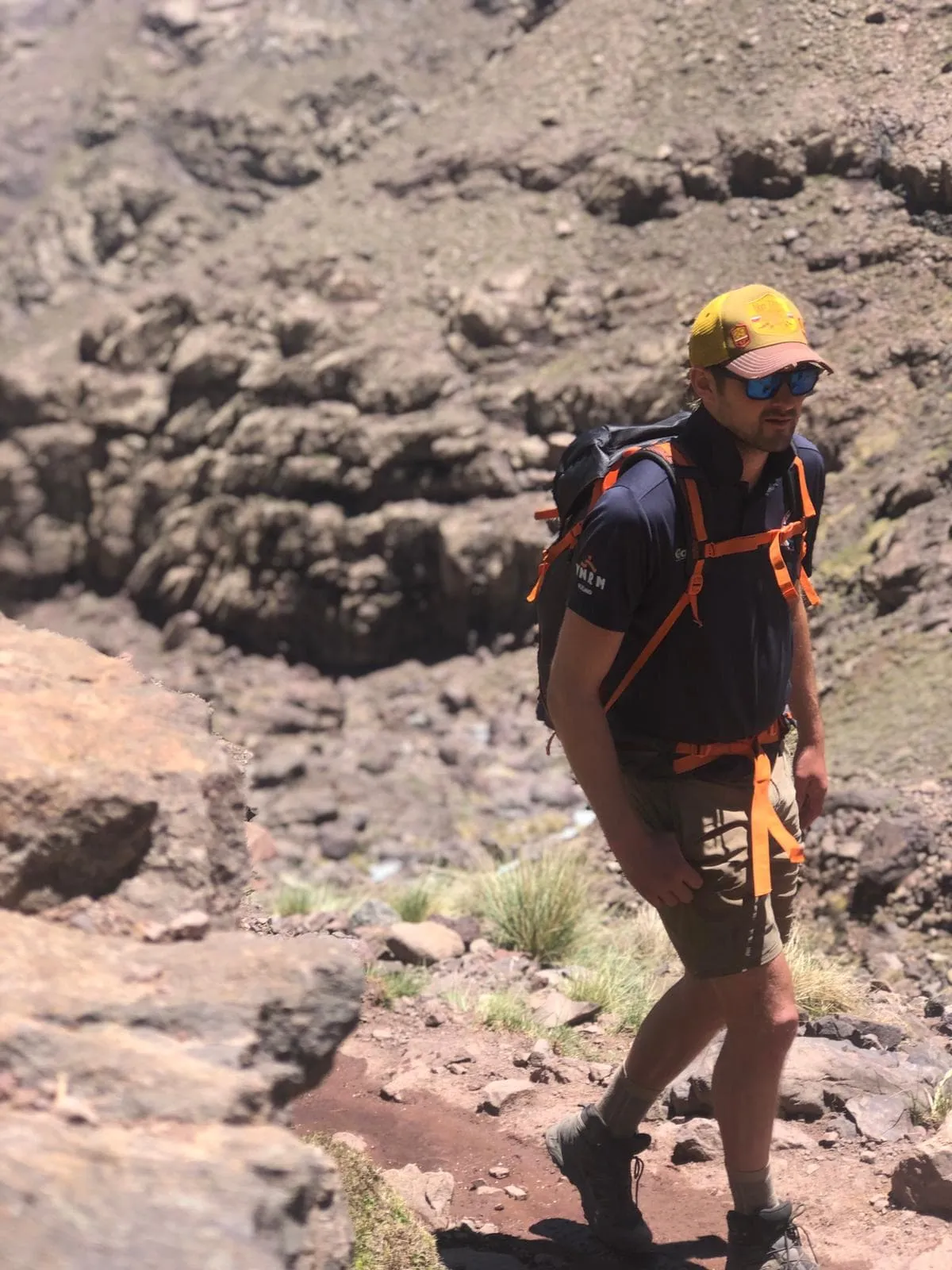
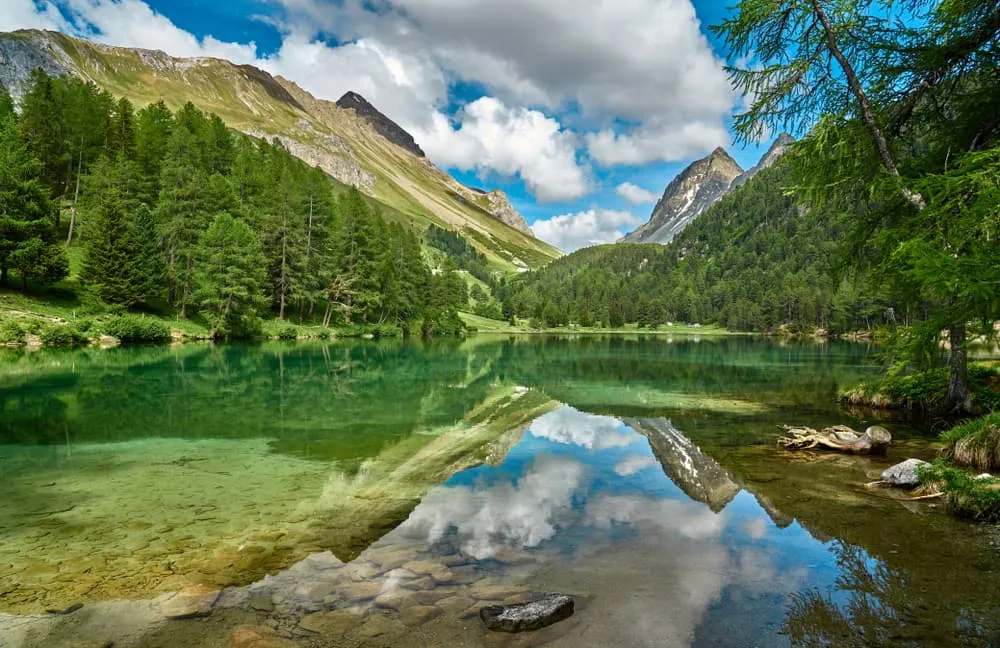
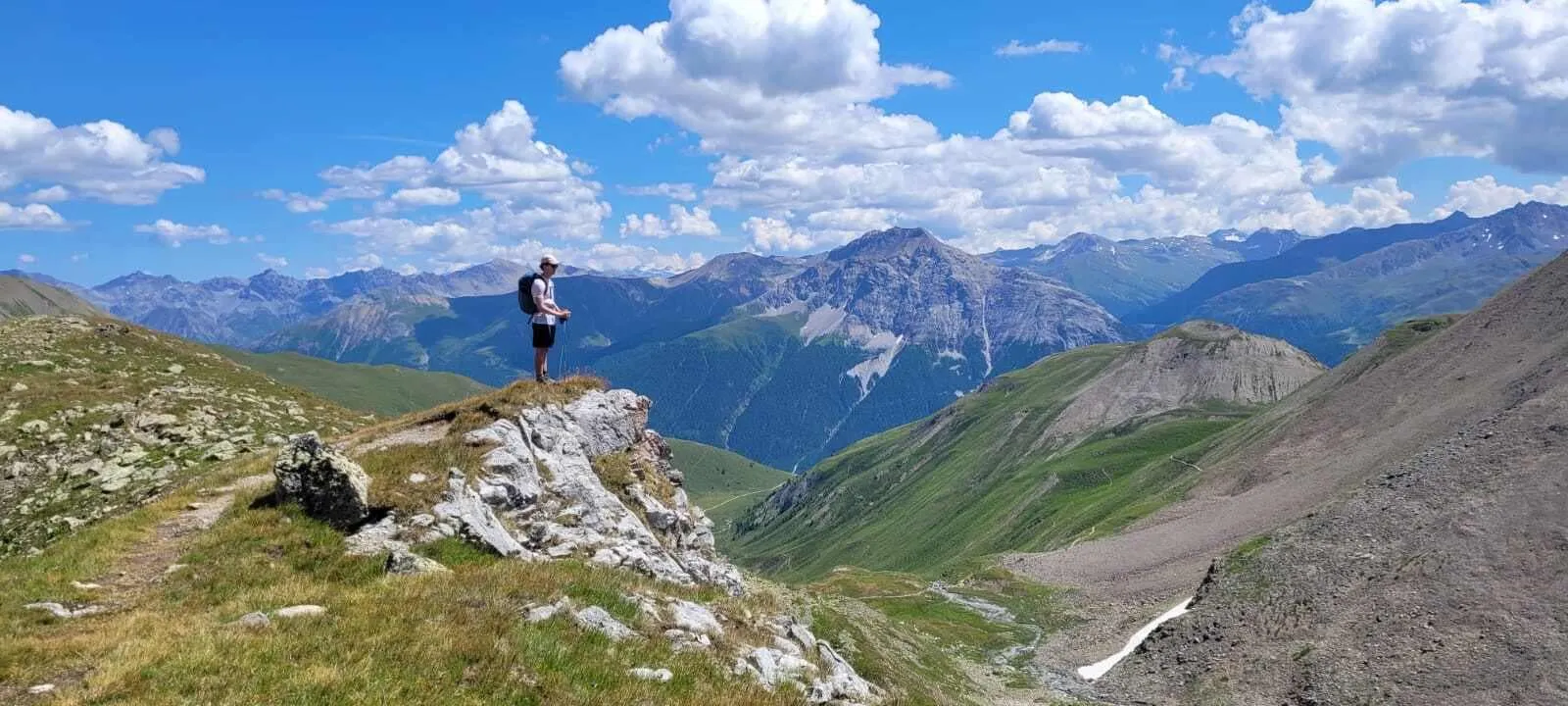
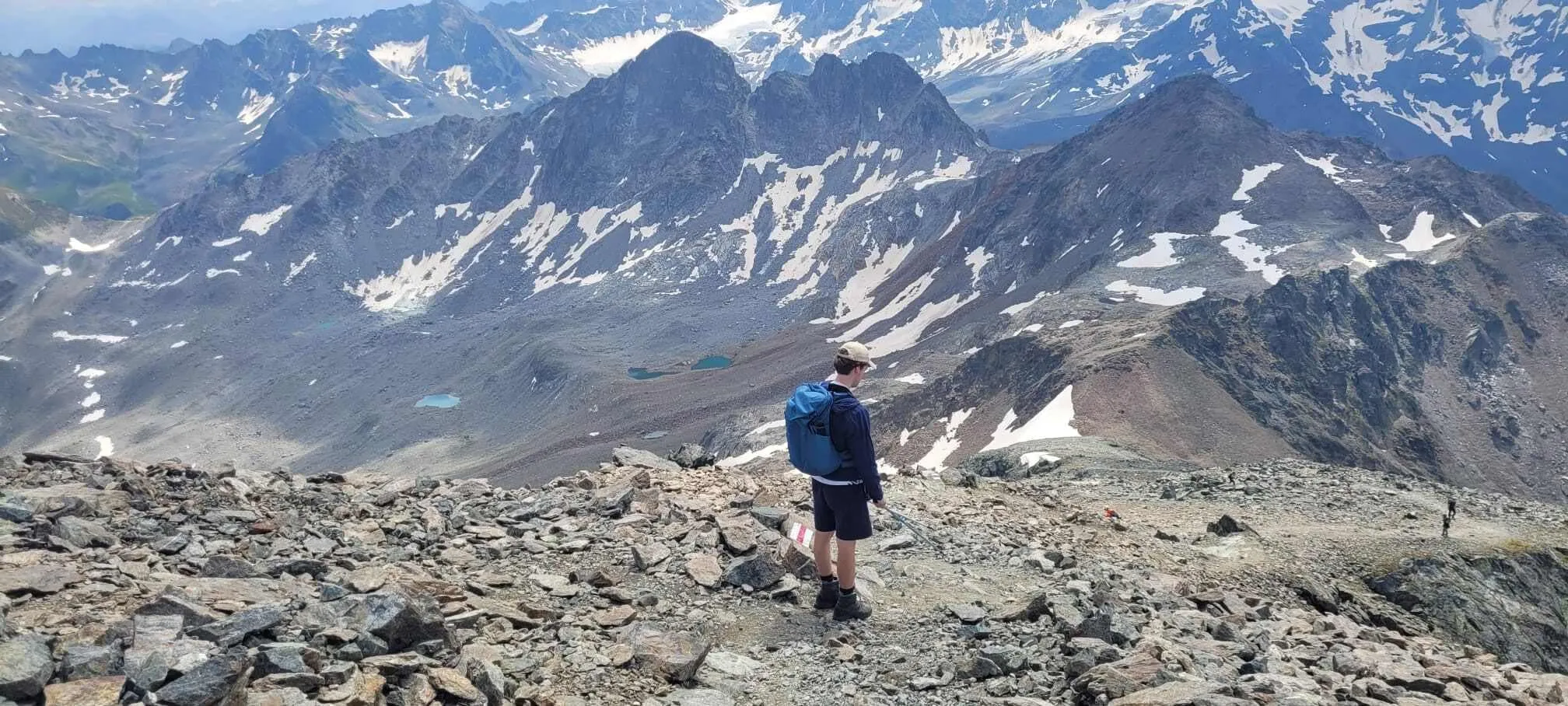
Upper Engadin: the lake district around St. Moritz, Sils and Silvaplana
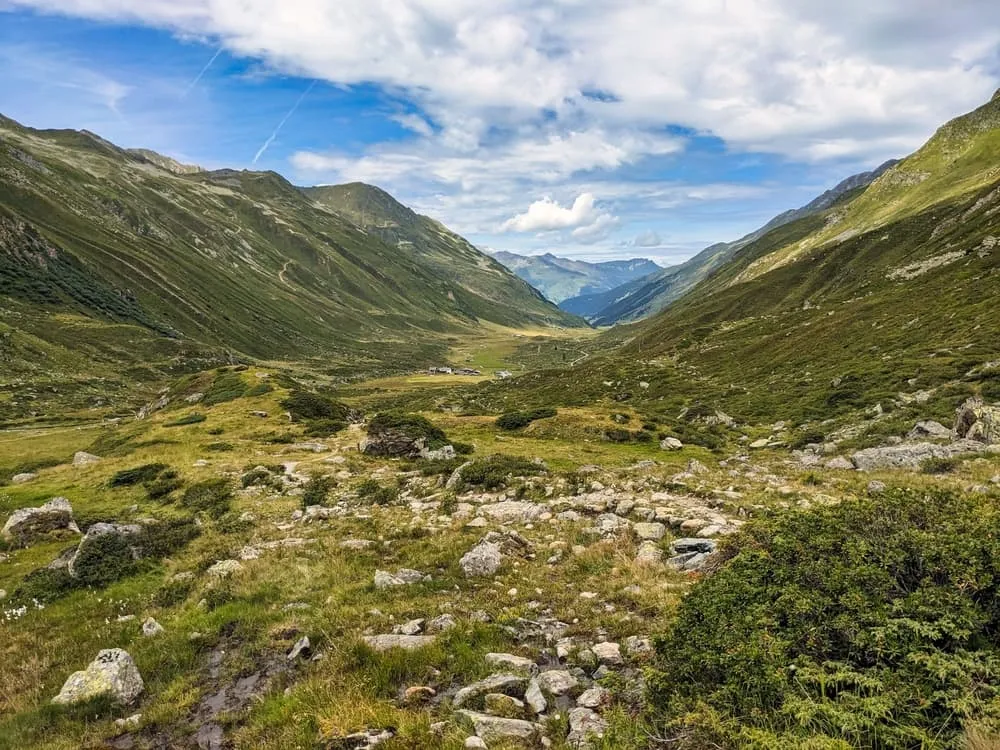
The chain of lakes between Maloja and Celerina is the heart of the Upper Engadin. Four lakes sit so close together that lakeside walks from one to the next are almost entirely level. The Via Engiadina, the classic Engadin high route, runs from Scuol to Maloja, touching the finest viewpoints above the lake district along the way. Walks around St. Moritz mean, in practice: joining the panoramic trail from the Corviglia or Corvatsch mountain stations, looking down on the lake from Muottas Muragl, or taking a peaceful valley walk in the car-free Val Fex. Families will find themed trails with wooden sculptures and stream crossings starting right from the edge of the villages. Hiking in the Upper Engadin means plenty of open space and little technical difficulty on the valley trails, but real respect for the altitude on the mountain paths. If you want glaciers and the Bernina skyline as a backdrop, you're better placed here than in the Lower Engadin.
Bernina: Val Roseg, Morteratsch and the world of ice above Pontresina
Pontresina is base camp for anything to do with glaciers. The Val Roseg is a flat, car-free side valley that leads straight into the Bernina range: a broad gravel track between larches and Swiss pines, with the Tschierva Glacier as a backdrop. The Morteratsch Glacier is reached via a waymarked trail with stone markers showing where the glacier once stood decades ago. The Lej da Staz, a small forest lake between St. Moritz and Pontresina, links the two villages on a pleasant walk. Basing yourself between St. Moritz and Pontresina makes good sense: lakes and high routes from St. Moritz, glacier country and the Val Roseg from Pontresina. Diavolezza's cable car opens up the high mountains for anyone who doesn't want a long climb. Compared with the Upper Engadin, the Bernina side is more glacier-focused and a notch more demanding.
Lower Engadin and the Swiss National Park
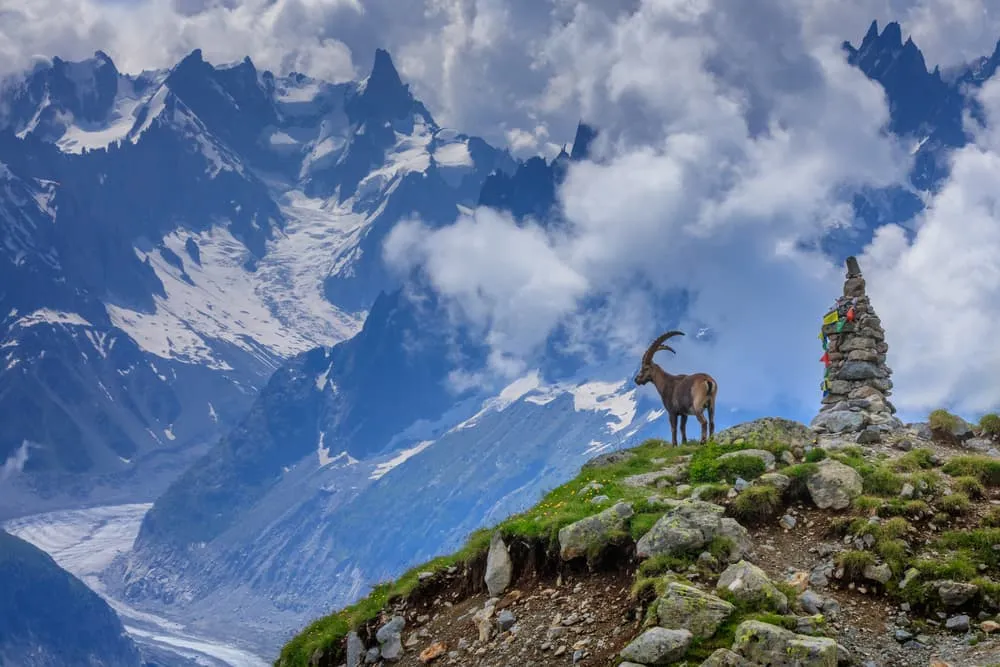
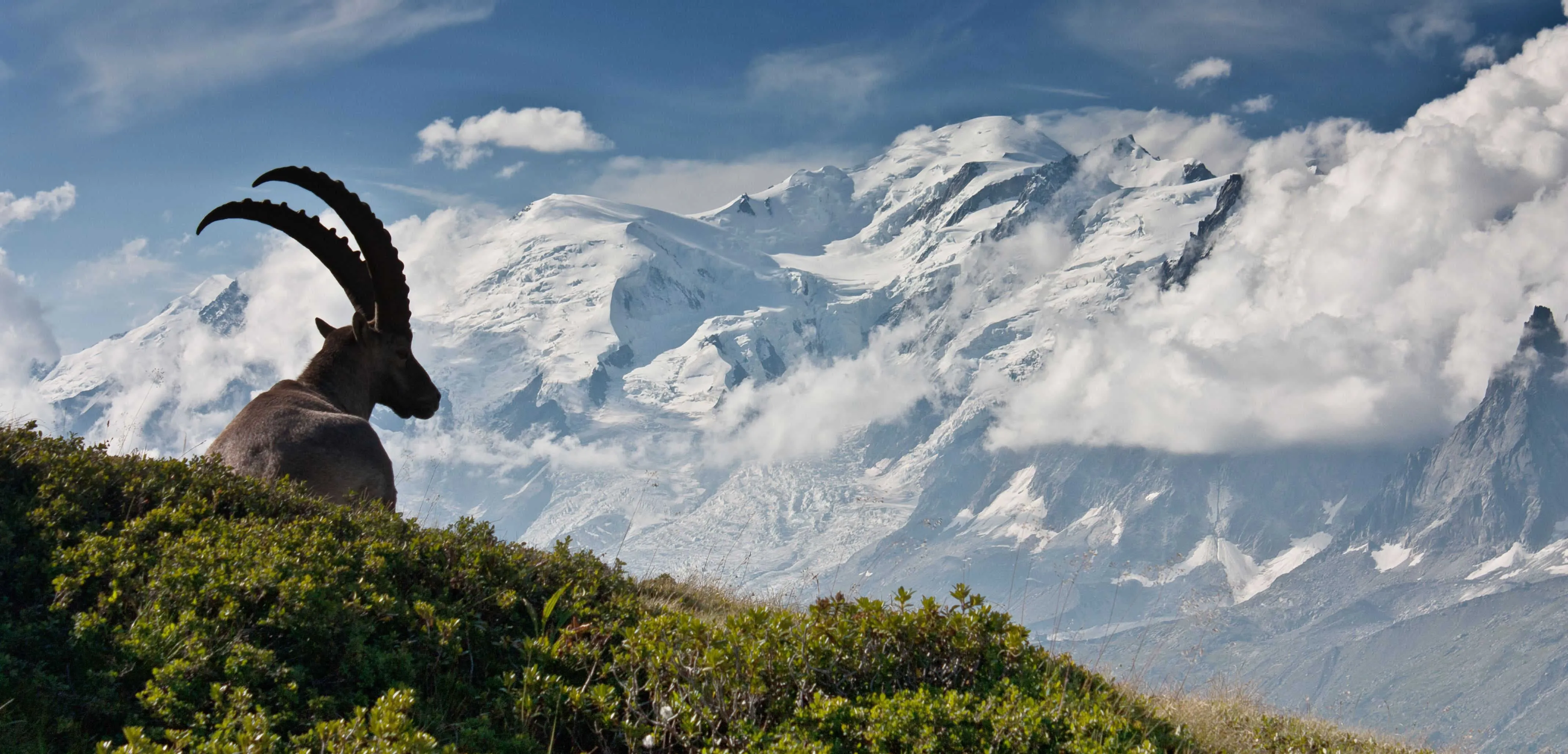
The Lower Engadin around Scuol, Guarda and Ardez is the quieter valley: narrower, greener, with Romansh villages perched on sunny terraces. Zernez is the gateway to the Swiss National Park, the oldest national park in the Alps. Clear rules apply within the park and shape its whole character: you stay on the marked trails, dogs aren't allowed, you don't collect anything and you don't leave the path. This isn't a list of prohibitions so much as the principle that has turned the Val Trupchun and Val Mingèr into one of the wildest wildlife-watching landscapes in Switzerland. In the Val Trupchun you walk through one of the densest ibex and red deer populations in the Alps. S-charl, at the southern edge of the park, leads over the Ofenpass into the Val Müstair. Compared with the Upper Engadin, the Lower Engadin is quieter, more village-focused and less geared towards infrastructure — ideal if you want to avoid the high-season crowds.
Albula: Bergün, Preda and the high valleys between the Engadin and Davos
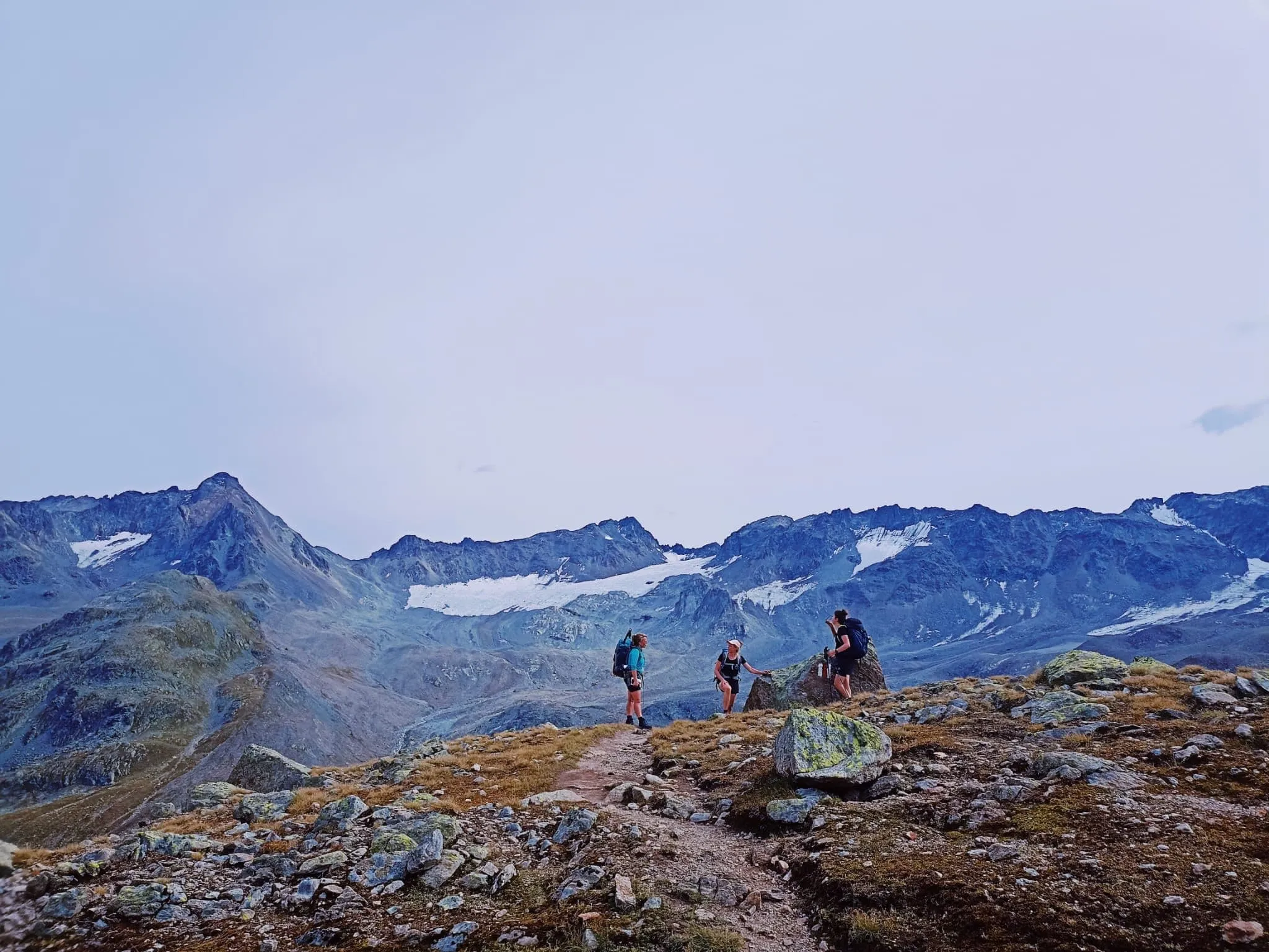
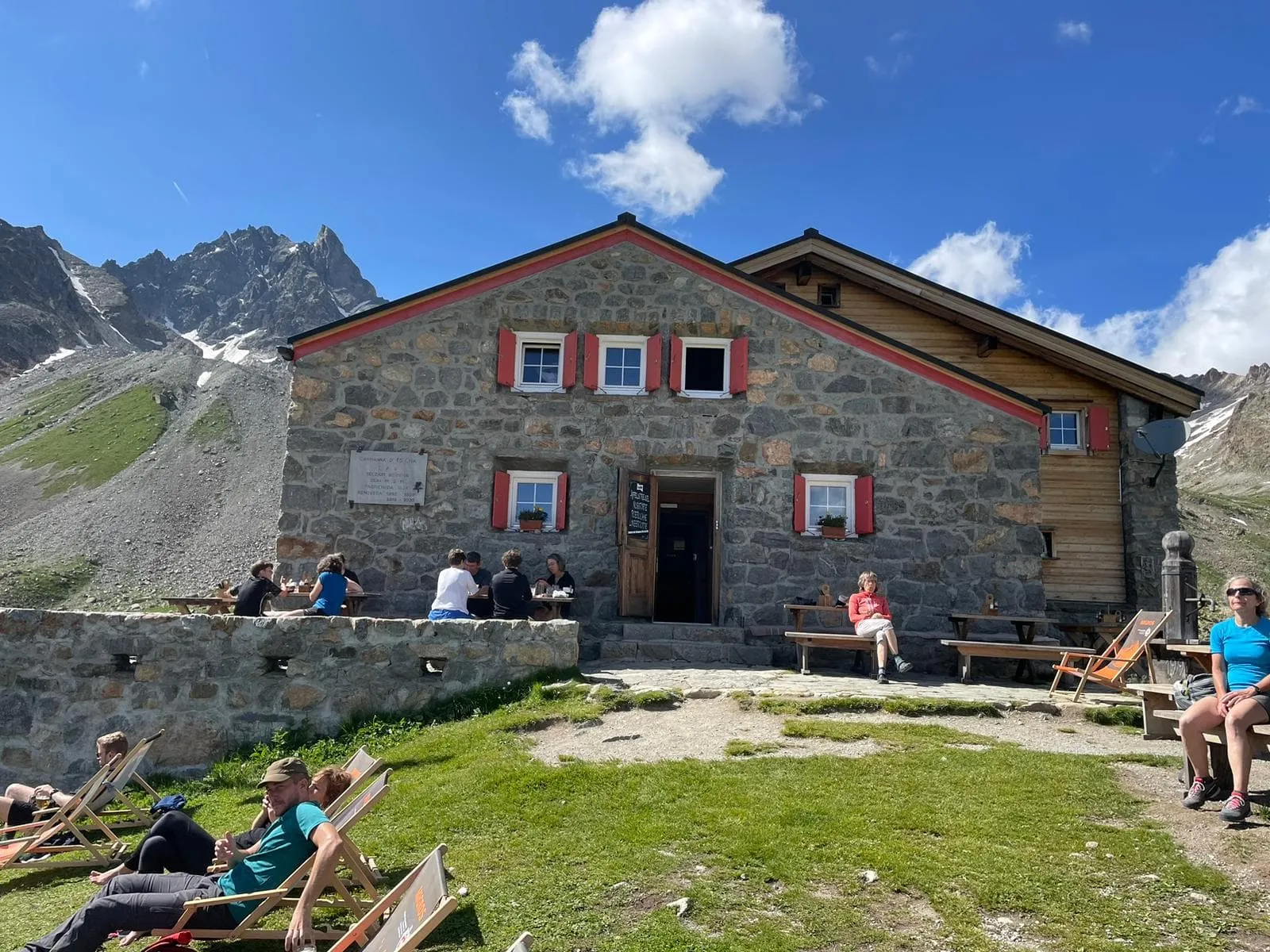
The Albula valley is the quiet western entrance to the Engadin system: Bergün sits at the foot of the famous Albula Railway loops, where the UNESCO World Heritage Rhaetian Railway threads spectacular viaducts and spiral tunnels through the valley. Away from the tracks, quiet high valleys open up around the Piz Kesch, better suited to multi-day hut treks in Graubünden than the busier main valleys. This is also where our own hut-to-hut trek begins — more on that in sections 4 and 5. Compared with the Upper Engadin, the Albula valley is far less touristy and offers crossings that see no crowds even on peak-season weekends.
Val Müstair: the quiet valley behind the Ofenpass
The Val Müstair lies behind the Ofenpass on the south-eastern edge of Graubünden and is the biggest insider tip in the whole Engadin system. The Convent of St John in Müstair is a UNESCO World Heritage Site, making the village a cultural anchor point set within a mountain landscape. The Biosfera Val Müstair protects larch meadows, dry grassland and the crossings into South Tyrol. Anyone who travels through the valley finds themselves in a different Switzerland: smaller, quieter, with direct contact to South Tyrolean villages on the other side of the Reschen Pass. For anyone seeking the finest walks in the Engadin and Graubünden while avoiding the well-trodden route, the Val Müstair is the answer.