
Samaria Gorge Hike: Route, Opening Times, Tickets and Tips

Samaria Gorge Hike: Route, Opening Times, Tickets and Tips
Trekking experts per destination
Free cancellation up to eight weeks in advance
Quick personal advice

The Samaria Gorge is the best-known gorge walk on Crete. It sits inside a national park in the White Mountains of southwest Crete, dropping from the Omalos plateau at about 1,250 m down to the Libyan Sea at Agia Roumeli: roughly 13 km inside the park plus about 2 km to the village. The gorge is open roughly from May to October. This guide covers the route step by step, how hard it really is, opening times, tickets and closures, and the choice most guides skip: a rushed day trip with a boat deadline, or sleeping in Agia Roumeli and walking on the next morning. If you want the second option with accommodation already arranged, the Short Crete Trail builds the gorge into a six-day self-guided trip along the south coast.

Samaria Gorge hike: what to expect

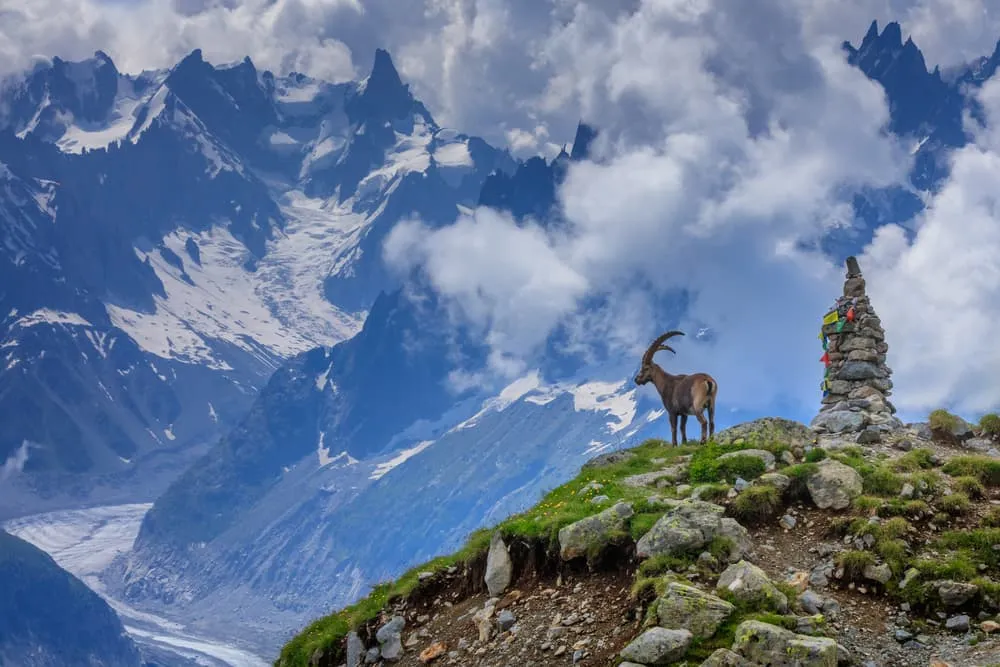
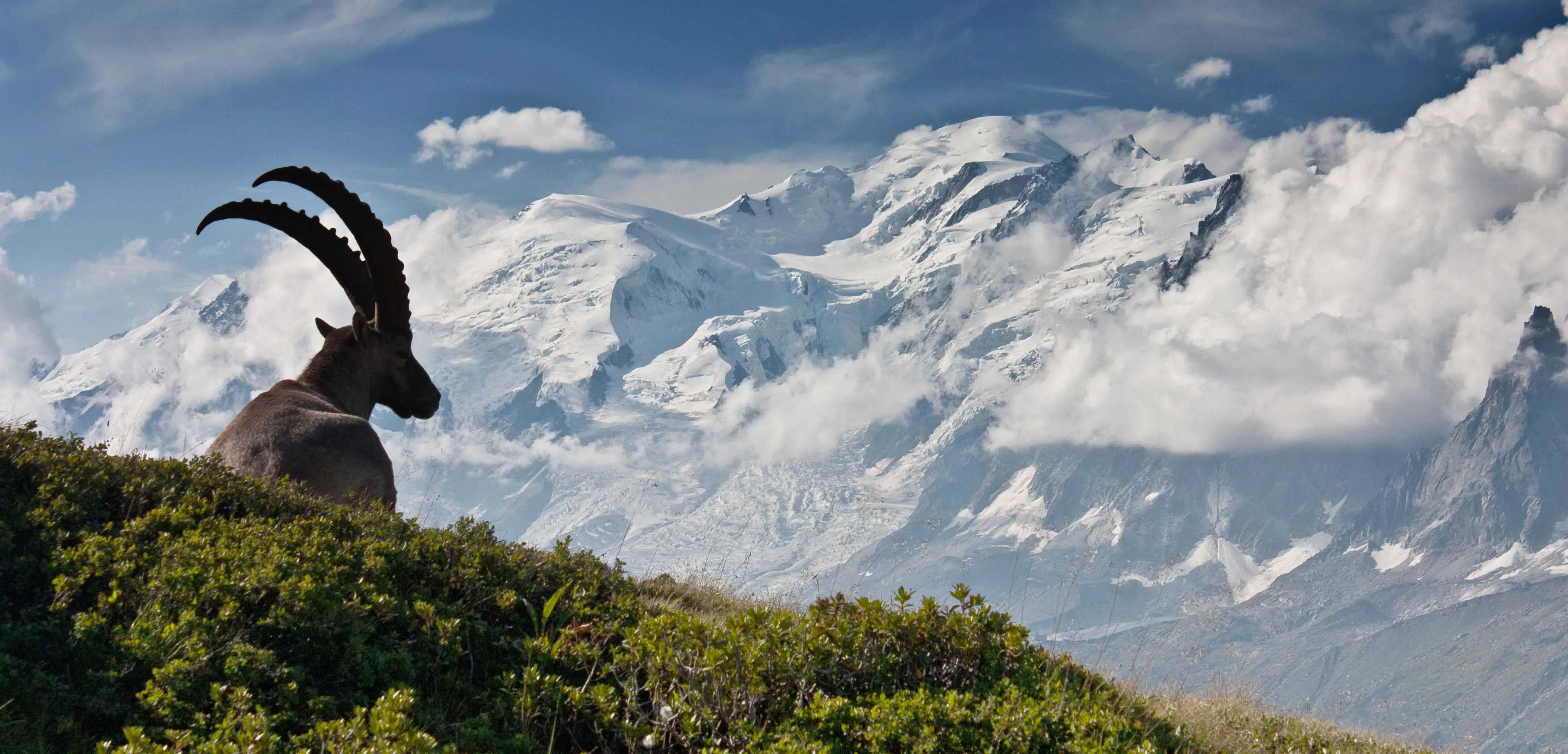
The Samaria Gorge lies inside the Samaria National Park, created in 1962 primarily to protect the kri-kri, the Cretan wild goat. The gorge cuts through the Lefka Ori (White Mountains) in the regional unit of Chania, running from the high plateau all the way down to the coast.

The walk is one-way and almost entirely downhill. You pass through open mountain terrain, forest, the ruins of the abandoned village of Samaria (vacated in 1962 when the park was established), and then the dramatic narrowing of the gorge as the rock walls close in around you. At the end you reach the small coastal village of Agia Roumeli on the Libyan Sea.

Because there is no road into Agia Roumeli, your return requires either a boat or continuing on foot along the coast. The gorge suits hikers with a reasonable level of fitness who are comfortable walking long distances on uneven ground. It is not a technical route, but it is not a casual stroll either.

Where is the Samaria Gorge and how do you get to Omalos?

The Samaria Gorge is in the southwest of Crete, in the regional unit of Chania. Chania airport (CHQ) is the closest airport. If you fly into Heraklion (HER), allow two to three hours to reach Chania by bus or taxi.

The walk starts at Xyloskalo, on the Omalos plateau. To get there from Chania, the most common options are:

  • Public bus: KTEL operates early-morning buses from Chania bus station to Omalos during the season. Timetables change per season.
  • Organised day trip: many tour operators run day trips from Chania and other resorts and bring you back in the evening.
  • Taxi: a practical choice if you miss the early bus or are travelling in a small group.
  • Your own car: possible, but the walk is one-way. You arrive at Xyloskalo and end at Agia Roumeli, which means you need separate transport back to your car.

The Samaria Gorge route from Xyloskalo to Agia Roumeli

The Samaria Gorge walk begins at the Xyloskalo trailhead on the edge of the Omalos plateau. A steep, zigzagging path descends sharply through the forest in the first part of the walk: this is the steepest section of the whole route and it sets the tone immediately for your knees and ankles.

After the initial descent the path levels slightly and enters the forested middle section of the gorge. The rock walls grow higher on both sides and the vegetation becomes denser. Several stream crossings on stepping stones break up the trail; in summer many of these dry up, but the stones remain uneven.

Around the midpoint you reach the ruins of the village of Samaria. The stone houses were abandoned in 1962 when the national park was created and the last residents left. It is worth pausing here before the gorge narrows again.

Beyond the village the walls close in steadily. The path becomes stonier and the gorge tighter until you reach its narrowest point, the Gates, before the exit of the national park.

From the park exit there are about 2 km to the village of Agia Roumeli and the sea. Our route description for this stage measures 14.3 km in total with 90 m of ascent and 1,230 m of descent, with a pure walking time of about 3 hours 30 minutes. Most walkers, including stops for food, rest and photographs, need five to seven hours for the full day.

The Gates: the narrowest point of the gorge

The Gates (locally called the Portes, meaning doors) mark the narrowest section of the Samaria Gorge. The rock walls here rise to almost 300 m and the path narrows to about 4 m across. Walking through them is a striking moment: you are briefly moving through a slot in the rock with the sky a thin strip above you. The Gates come near the end of the gorge, shortly before the national park exit.

How difficult is the Samaria Gorge hike?

The Samaria Gorge hike is moderate in grade: not technical, but long and physically demanding in a specific way. Almost the entire route is downhill, which sounds easier than it is. The continuous descent on loose stones and uneven ground places significant strain on the knees and ankles rather than the lungs. Hiking poles are strongly recommended for the descent.

The terrain is rocky throughout. Several stream crossings require care, particularly if water levels are higher in May or after rain. In summer the lower sections of the gorge can become very warm by mid-morning, adding to the physical effort.

Our route description gives a pure walking time of about 3 hours 30 minutes. In reality, most walkers need five to seven hours for the full day, accounting for rest stops, the Gates, and the final stretch to Agia Roumeli.

Hikers who should think carefully before attempting the full gorge: those with existing knee or ankle problems, anyone who has not walked on rough terrain recently, and anyone who cannot manage several hours on their feet in the heat. The gorge is not suitable for young children on the full route. If you are walking in July or August, the heat in the lower gorge from mid-morning onward is a real factor: starting early is not a suggestion, it is a practical necessity.

In 2026 the park handed out free helmets at both entrances: optional, but recommended.

Samaria Gorge opening times, season and tickets

The gorge is generally open from 1 May to 31 October each year, though the exact dates depend on weather, water levels and maintenance. In 2026 the gorge opened on 19 May, after maintenance and safety inspections following the winter. The closing date can also shift if autumn rains arrive early and make the path unsafe.

Samaria Gorge opening times: the park entrance opens in the early morning. To complete the full walk you must enter by the early afternoon. Our route description uses 1 pm as the cut-off for the full hike. The exact times can vary, so check the official park information before you travel.

Closures during the season: the gorge also closes on individual days when conditions are dangerous. Heavy rain, high water in the riverbed, and strong wind are the most common reasons. On 14 June 2026, for example, the gorge closed due to a strong-wind forecast. Since 2025 a weather warning system monitors critical points inside the gorge. Always check the official park information on the morning you plan to walk.

Samaria Gorge tickets and entrance fee

An entrance ticket is required to hike the Samaria Gorge. You can buy it online in advance on the official ticket website of the park authority NECCA (samaria-tickets.necca.gov.gr) or pay at the entrance on the day. In 2025 a standard day ticket cost 10 euros per adult. Visitors under 18 enter free. Prices can change, so check the current fee on the official NECCA ticket site before you go. The gorge entrance ticket is not included in our package; you arrange and pay for it separately.

When is the best time to hike the Samaria Gorge?

May and June offer the most comfortable conditions for hiking the Samaria Gorge in Crete. The days are long, the gorge is not yet at peak capacity, and the landscape is green after the winter rains. Early September and October are similarly pleasant as temperatures ease and the day-trip crowds thin out.

July and August are the busiest months. Organised day trips from resorts across Crete arrive in large numbers at Xyloskalo. The lower gorge becomes very warm by mid-morning and the path is at its most crowded. If you do hike in summer, starting at the earliest possible entry time is the practical way to get ahead of the heat and the groups.

October brings shorter days and a higher risk of closures. The gorge can shut quickly after autumn rain, sometimes without much warning. If you plan a trip in October, build flexibility into your schedule and check the official park updates regularly.

The first and last weeks of the season carry the highest closure risk, both from late winter weather and early autumn storms. Mid-May to mid-September is usually the most reliable window for the full walk.

Day trip or overnight stay in Agia Roumeli?

This is the decision most Samaria Gorge guides skip. Both options are valid; they suit different kinds of hikers.

Day trip: you travel from Chania to Omalos in the early morning, hike the gorge during the day, and catch the afternoon boat from Agia Roumeli to Chora Sfakion, then a bus back to Chania. This gives you the gorge in a single day without extra accommodation. The trade-off is a fixed deadline: you need to reach the boat in time, which creates mild pressure at the end of a long walk.

Overnight in Agia Roumeli: if you sleep in Agia Roumeli, the dynamic changes completely. Once the afternoon boats leave, the village becomes very quiet. You walk at your own pace without a deadline, swim at the beach, eat at a local restaurant, and start the next morning fresh. From Agia Roumeli you can continue on foot along the south coast, which is what the next stage of our Short Crete Trail does.

The overnight option suits hikers who want to explore the south coast rather than return the same evening to the north of the island.

After the gorge: getting back from Agia Roumeli

There is no road into or out of Agia Roumeli. Your options after hiking the Samaria Gorge are:

  • Boat east to Chora Sfakion (Sfakia): the most common return route for day-trippers. From Chora Sfakion buses run back to Chania, on a timetable that changes per season.
  • Boat west to Sougia or Paleochora: fewer departures, but an option if you are continuing along the south coast in that direction.
  • On foot along the coast: the coastal path east from Agia Roumeli leads to Loutro and Chora Sfakion. This is a multi-hour walk on its own and suits those who are extending their trip.

Boat timetables vary by season and can change at short notice. Check current schedules locally when you arrive. There is no road access for private vehicles.

Can you walk the Samaria Gorge without a tour?

Yes. The route is well-marked and straightforward to follow as an independent hiker. You travel to Omalos by public bus or taxi, buy your ticket at the entrance or online in advance, walk the gorge, and arrange your own return by boat from Agia Roumeli. Many people complete the gorge independently every day during the season. Plan your return before you set off.

Hiking the Samaria Gorge on our Short Crete Trail

If you want to hike the Samaria Gorge as part of a longer route along the south coast, the Short Crete Trail (6 days) is Bookatrekking's self-guided option for exactly that.

The trip is graded Intermediate. It covers 53.9 km across four walking days, starting in Chania and ending in Chora Sfakion. Here is how it fits together:

  • Day 1: arrival in Chania, hotel included.
  • Day 2: travel to Omalos independently (bus or taxi, not included) and hike the Samaria Gorge to Agia Roumeli, 14.3 km, overnight in Agia Roumeli.
  • Day 3: Agia Roumeli to Loutro along the south coast, 21.7 km and about 900 m of ascent with the optional Aradena Gorge variant; without that variant the stage is about 6 km shorter.
  • Day 4: Loutro to Chora Sfakion, 7.0 km, a shorter coastal stage.
  • Day 5: through the Imbros Gorge to Imbros, then back to Chora Sfakion by bus or taxi (not included), 10.9 km.
  • Day 6: departure after breakfast.

What is included: five nights in hotels, inns and guesthouses in private rooms with en-suite bathroom where possible; breakfast where available; and our trekking app with route descriptions, hiking maps and offline GPS navigation. What is not included: travel to Chania and home from Chora Sfakion, transport from Chania to Omalos, the gorge entrance ticket, lunches and dinners, and travel insurance. There is no luggage transport: you carry your own bag throughout.

The trip starts from 585 euros per person when two people travel together. The trip calendar opens on 1 April, but the gorge usually opens only in May: plan your start date from mid-May to October and check the opening before you travel.

The Imbros Gorge on day 5 is a good complement to Samaria: shorter, greener and usually quieter, running between the village of Imbros and the coast near Chora Sfakion. For a full overview of the other gorges on the island and what to expect from the south coast, see our hiking guide to Crete's gorges and south coast.

What to bring and practical tips for the gorge

What to carry:

  • Sturdy hiking boots or trail shoes with good grip, especially for the loose stones on the descent. Trainers are not recommended: the terrain is uneven for several kilometres and the grip matters.
  • Trekking poles, especially for the steep initial descent and the stream crossings.
  • Enough water for a full day. There are no guaranteed refill points, particularly later in the summer when the streams dry up.
  • Sun protection: sunscreen, a hat and sunglasses. The lower gorge has limited shade from mid-morning.
  • Snacks and food for the day. Agia Roumeli at the end has places to eat.
  • A small, light daypack. You only need what you carry for the day.

Practical tips:

  • Start as early as the park allows. This is especially important in July and August: the lower gorge gets very warm, and starting early puts you through the exposed sections before the heat peaks.
  • Check for closures the day before and on the morning. The gorge can close with short notice after rain or wind. The official park website posts announcements.
  • Buy your ticket online in advance on the NECCA ticket site (samaria-tickets.necca.gov.gr) if you want to save time at the entrance, particularly in peak season.
  • Pace yourself on the last few kilometres. The stretch from the park exit to Agia Roumeli is flat and easy, but after five or more hours on rocky terrain, tired legs make even flat ground feel long.

For the full picture of hiking in Crete, including all the other gorges, the White Mountains and the south coast, visit our complete guide to hiking in Crete. And if you are weighing up different walking destinations across Greece, our guide to walking holidays in Greece covers five favourite routes on the mainland and the islands.

Frequently asked questions about the Samaria Gorge

  • How long does it take to hike the Samaria Gorge?

    Most walkers need five to seven hours for the full Samaria Gorge walk, including stops for rest, food and the scenery. The pure walking time on the route is about three hours thirty minutes. The total distance is roughly 13 km inside the national park, plus about 2 km of flat track to the village of Agia Roumeli at the end.

  • How difficult is the Samaria Gorge hike?

    The Samaria Gorge hike is moderate: not technically demanding, but long and almost entirely downhill on rocky ground. The main challenge is the strain on knees and ankles from the continuous descent and uneven terrain. Hikers with existing knee problems should consider whether the full route is suitable for them. Good footwear and trekking poles make a significant difference.

  • What time does Samaria Gorge open?

    The Samaria Gorge opens early in the morning, usually around 7 am, though the exact time can vary. Entry for the full walk closes in the early afternoon; our route description uses 1 pm as the cut-off. Always check the official park information before you travel.

  • How much does an entrance ticket to the Samaria Gorge cost?

    In 2025 an entrance ticket to the Samaria Gorge cost 10 euros per adult. Visitors under 18 enter free. You can buy the ticket online in advance through the official NECCA ticket website (samaria-tickets.necca.gov.gr) or pay at the park entrance on the day. Check the current price on the official site before you go, as fees can change between seasons.

  • Why is Samaria Gorge closed?

    The Samaria Gorge closes for two main reasons. First, it is closed outside the season, roughly from November to April, because winter rain and high water make the path unsafe. Second, it can close on individual days during the season when heavy rain, high water in the riverbed, or strong wind create safety risks. Always check the official park website or contact the park authority on the morning you plan to hike.

  • Is there a day trip to Samaria Gorge from Chania?

    Yes. Organised day trips from Chania and other resorts in Crete run throughout the season. Alternatively, you can travel independently: take the early-morning KTEL bus from Chania to Omalos, hike the gorge, and return by boat from Agia Roumeli to Chora Sfakion and then by bus to Chania. The full day trip, including travel both ways, takes most of the day.

  • Which gorge is better for hiking, Samaria or Imbros?

    The two gorges suit different goals. The Samaria Gorge is longer and more dramatic, with higher walls, the iconic Gates and a bigger sense of scale: it takes most of the day. The Imbros Gorge is shorter, greener and quieter, and can be done in a few hours. If you have time, walking both is a good option: they complement each other well and cover different terrain.

  • How do you get back after hiking the Samaria Gorge?

    There is no road out of Agia Roumeli. The standard return is by boat: either east to Chora Sfakion, where buses run to Chania, or west to Sougia or Paleochora. Timetables change each season, so check current schedules locally. The alternative is to continue on foot along the south coast path, which connects Agia Roumeli to Loutro and Chora Sfakion over a longer walk.

Packing List for the Crete Trail

It doesn't matter where you are trekking or for how long: carrying the right equipment with you is paramount. For a hiking trip in the mountains, a good is backpack essential. Its size will depend on how many days you will be spending in the mountains, the season, and the clothes you will be taking with you. We have prepared a packing list with some essential clothing that you should include and some extras that you may find useful:
  • Essentials

  • Extras

Safe Hiking Tips for the Crete Trail

When hiking, it is wise to be aware of a few points. Even if this is not your first time, you should never underestimate the mountains. Good tour planning and compliance with the regulations in the mountains will significantly increase safety. To ensure that your hiking adventure is a safe and enjoyable experience, here below you can find a list of 8 recommendations for safe hiking in the mountains:
  • Know your limits

    Hiking the Crete Trail is the perfect outlet to escape from daily life. It is an endurance sport along with a beautiful nature experience with a positive effect on body and mind —as long as one is in good shape and has a realistic picture of one's possibilities and limits—. Never overestimate yourself or underestimate the route. Don't overdo it! Always choose the slower option and take more time for your plans. Hiking under time pressure is not fun and at too fast a pace it can be dangerous. Be wise!

  • Plan carefully

    Good planning is half the work! Hiking maps, literature, the Internet and expert advice are invaluable when planning the route of the Crete Trail and enable you to determine the length, altitude difference, difficulty and conditions of the hike. When planning group treks, the itinerary should always be planned for the weakest member of the group! The weather in the mountains can change incredibly quickly and rain, wind and cold all increase the risk factor. For this reason, always check the weather forecast beforehand and contact our trekking experts to find your way before you start.

  • Be fully equipped

    Equipment is everything. In the most extreme case, it makes the difference between life and death, and in any case, it definitely makes the difference between having fun and having a bad time. Food and water, sunscreen and waterproof and warm clothes must always be in your backpack, as well as a first aid kit and a mobile phone with a full battery (in case there is an emergency). However, packing light makes hiking easier, so don't take too much extra luggage with you. Your equipment should always be suitable for the terrain you'll be hiking on in the Crete Trail.

  • Wear suitable footwear

    Good walking shoes protect your feet and provide a better fit. Shoes with a good fit, with non-slip soles, water-resistant and lightweight are a must for additional walking pleasure during the Crete Trail. Trail running shoes are great for a weekend in the mountains, but on longer hikes or more technical trails, you'll want at least A/B hiking boots. That means it is recommended wearing high mountain shoes that are water-repellent with extra ankle support to prevent sprains.

  • Stay on marked trails

    Crete Trail has endless marked hiking trails, which are controlled and maintained and should not be deviated from. It may be tempting, but it's not a good idea to take shortcuts or alternative routes through unmarked terrain. It increases the risk of disorientation and you're more likely to get lost and have accidents or fall in the mountains. Even steep slopes of packed old snow are often underestimated and dangerous. Are you in doubt? Better don't do it. For easy navigation, most of our treks come with the Bookatrekking app: it shows your route for each day and your own position on the map, and once downloaded, everything also works offline. As a backup, make sure to bring a hiking guide or a paper map with you. FYI, 75% of stumbles occur due to carelessness on marked paths or roads, not in open terrain!

  • Take regular breaks

    Remember you're on a hiking trip. Timely and regular breaks not only provide welcome relaxation but also make it possible to enjoy the Crete Trail. The body needs a regular food and drink intake to maintain performance and concentration. Our advice is that if you have little time, it's better to follow the short itinerary than to speed up the long one.

  • Stay reachable

    If you are hiking solo or in small groups it is advisable to inform people back home about your plans, what route you are taking and when you plan to return. Even small incidents can lead to unpleasant emergencies so make sure you are available at all times. Bring a charged phone containing at least the phone numbers of immediate family members, your accommodations en route and the emergency phone numbers operating on the Crete Trail.

  • Respect nature

    Leave no rubbish behind, prevent noise, stay on the marked trails, do not disturb wildlife or grazing animals, and respect protected areas.

Where Can I Book the Crete Trail?

At Bookatrekking.com you can book the self-guided Crete Trail and many other treks. We take care of all the details for you, including arranging accommodations and providing you with relevant information well in advance of your trek. Find our offers here. Our easy-to-use platform allows you to browse and compare different trekking options and to find the perfect fit for your interests, abilities, and budget.

If you have any questions about a specific trek or need help choosing the right one for you, our team of trekking experts is here to assist you. Simply reach out to us and we will be happy to provide you with personalized recommendations and advice to help you plan the trekking adventure of a lifetime.

About Us

At Bookatrekking.com, you will find the trek that will make your life unforgettable. Whether you want to explore the Inca Trail or climb Kilimanjaro. Bookatrekking.com has a wide and varied range of first-class treks. No false promises are made here. Transparent prices and bookings are fixed instantly. Find, compare, book and trek!
Read more about us
About Us
About Us