Traditional Food in the Austrian Alps: What to Eat on the Trail

Traditional Food in the Austrian Alps: What to Eat on the Trail
Trekking experts per destination
Free cancellation up to eight weeks in advance
Quick personal advice

You don’t really notice how hungry you are until you stop walking. You drop your backpack, sit down on a wooden bench, and catch the smell of something warm coming from the kitchen. Around you, boots come off and jackets drip dry while plates start appearing on the tables. After a long day of trekking in Austria, this simple routine feels more than enough.

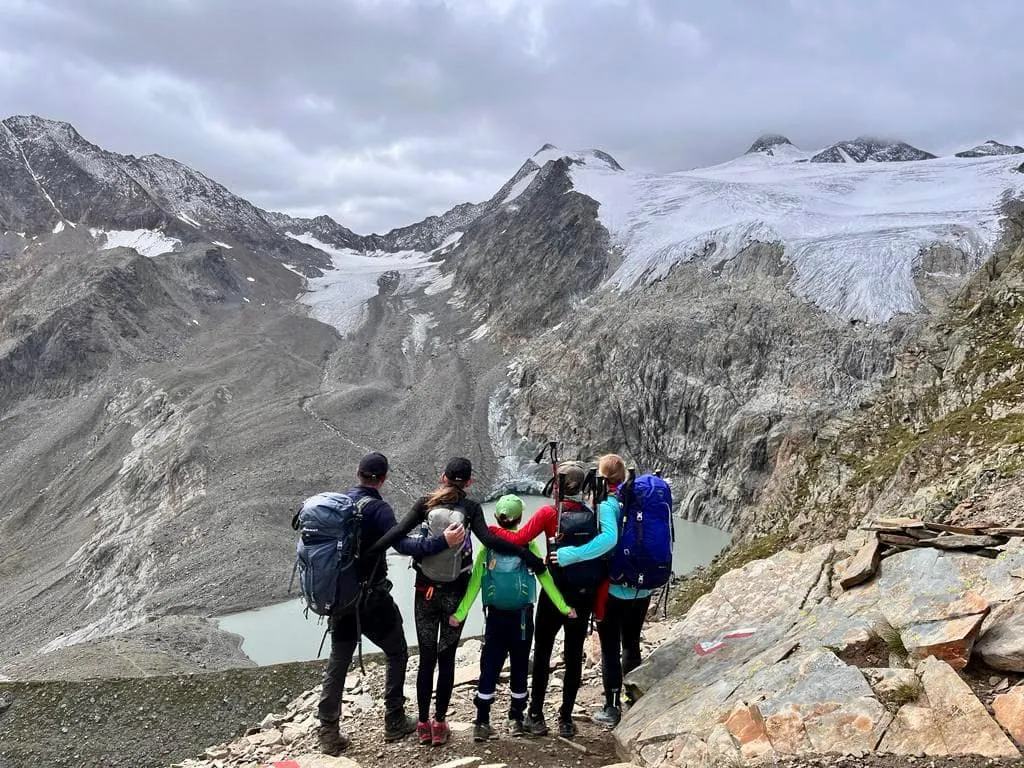
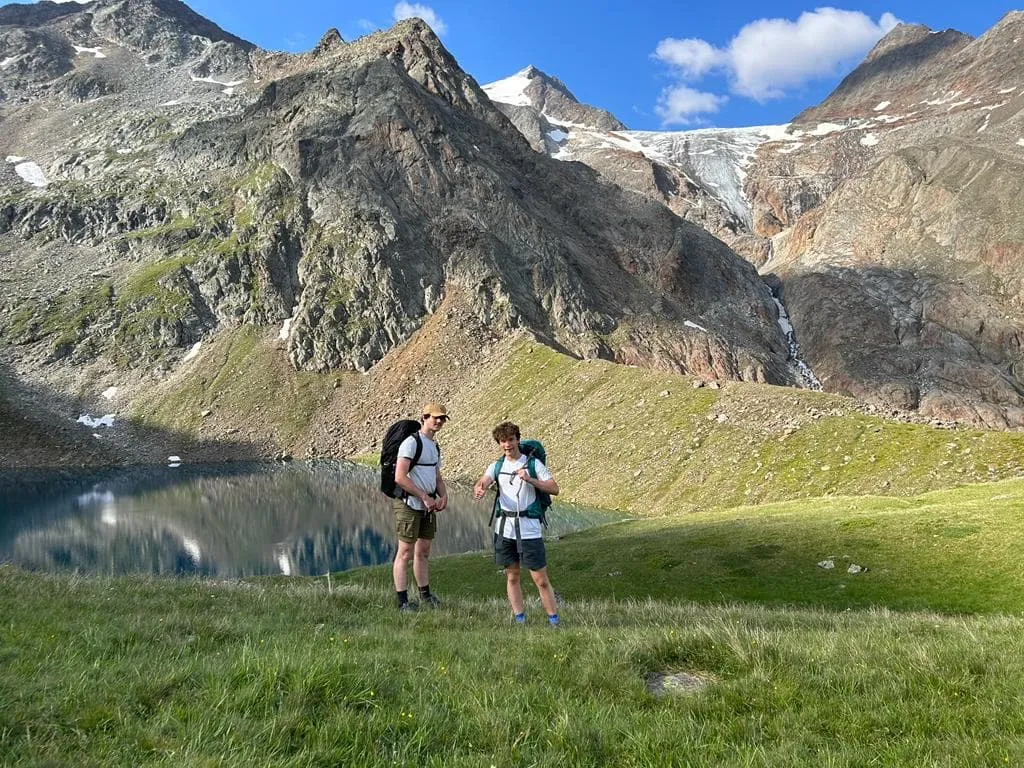
Walking here isn’t just about distance or elevation. It’s about the natural breaks along the way, the meal after a steady climb, and the relief of finally taking the weight off your shoulders. When your legs are done for the day and you can just sit back for a while, the whole experience feels balanced. It’s not dramatic or grand, just honest and satisfying in a way that makes you ready to do it all again tomorrow.

 12753
12753

What to Eat While Trekking in Austria

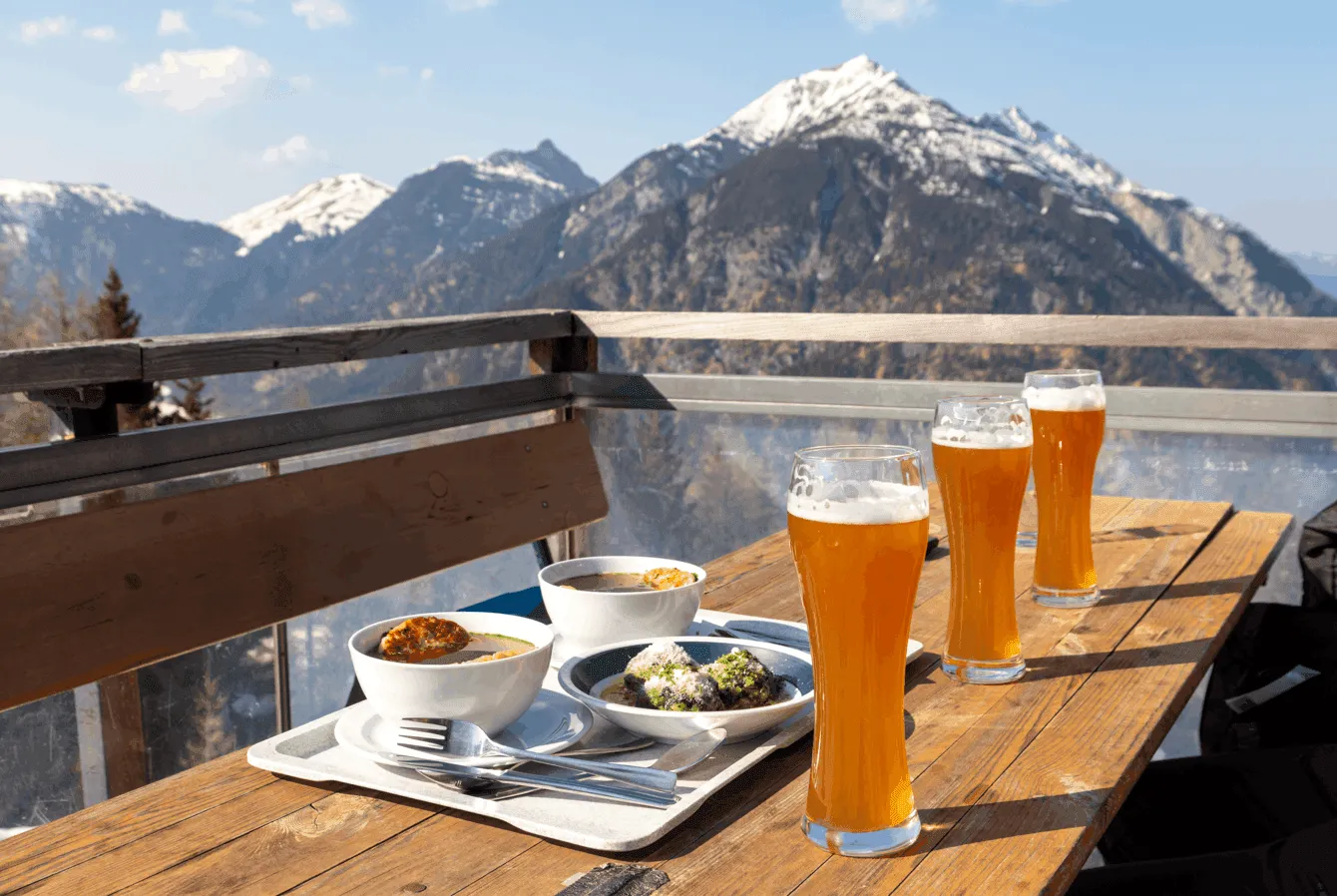
After hours on the trail, your stomach starts making the decisions. When a mountain hut appears, all you want is something hot, hearty, and already on its way.

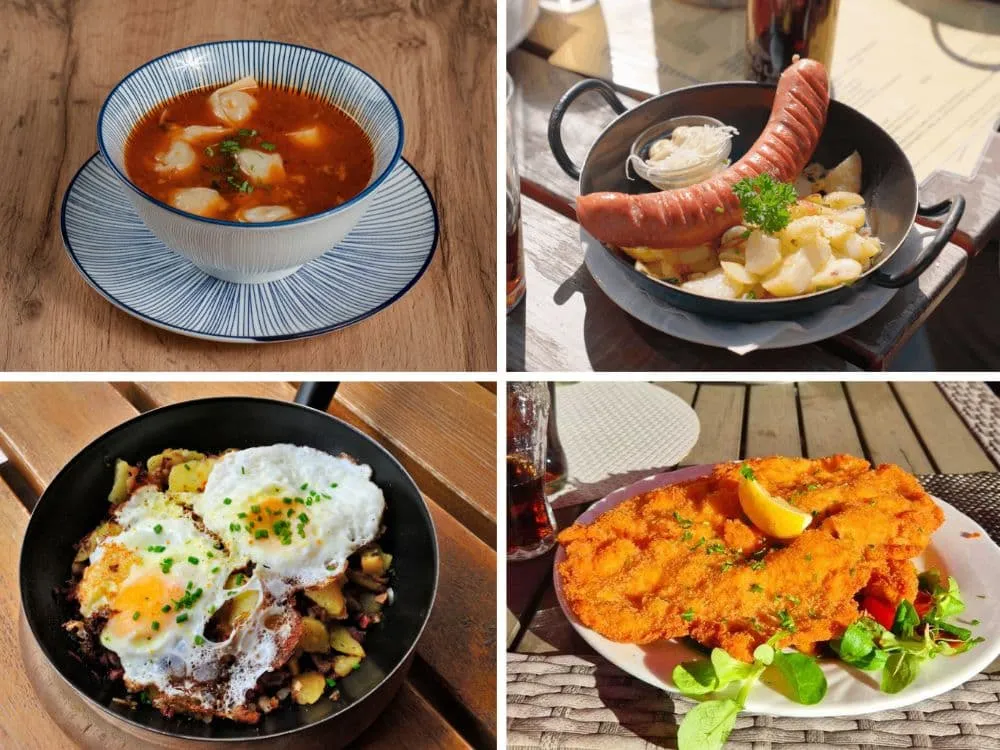
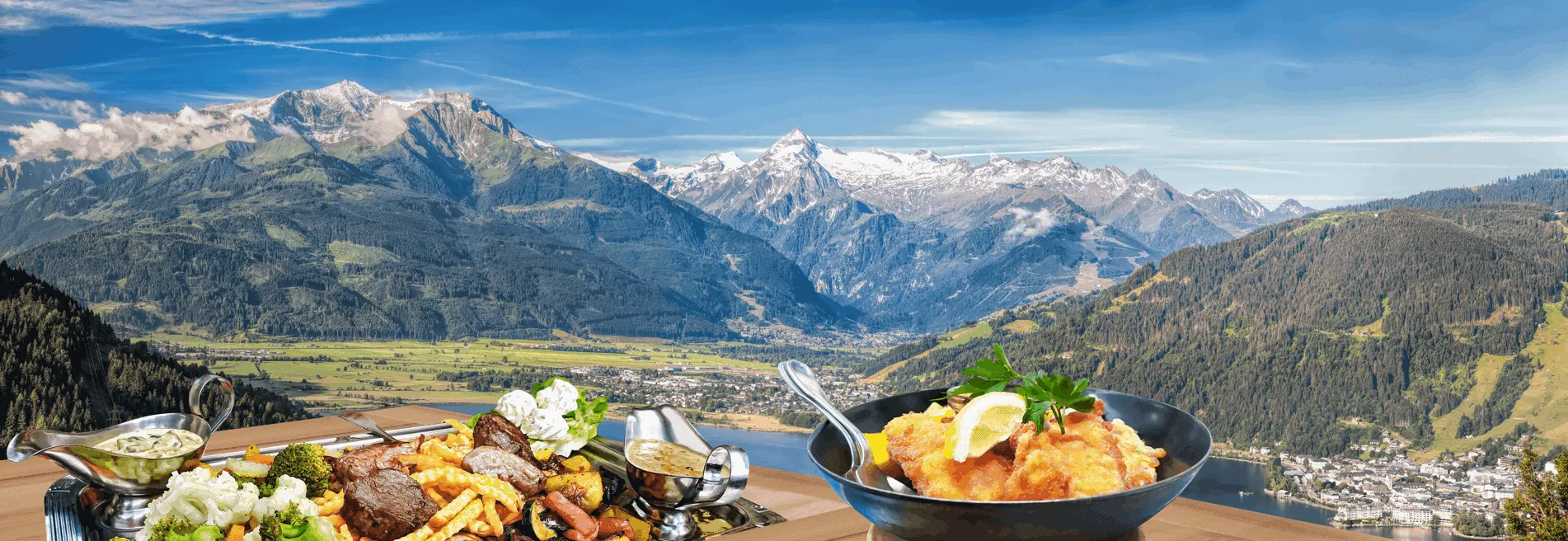
Tiroler Gröstl – Fried potatoes with beef or bacon, onions, and a fried egg on top. Crispy, salty, and deeply satisfying.
Käsespätzle – Soft egg noodles layered with melted cheese and crispy onions. Rich, comforting, and best enjoyed slowly after a long climb.
Käseknödelsuppe – Cheese dumplings floating in hot broth. Simple, warming, and surprisingly filling.
Bacon, Onion, and Sour Cream Tarte – Thin and crispy, often described as the alpine version of pizza. Common in huts near South Tyrol, and dangerously easy to finish in one sitting.

Whatever you choose, it will be exactly what your body was hoping for.

What to Eat While Trekking in Austria

Sweet Comforts from the Peaks

Dessert in the Austrian Alps is simple, warm, and well earned. After hours on the trail, something sweet feels less like a treat and more like part of the reward.

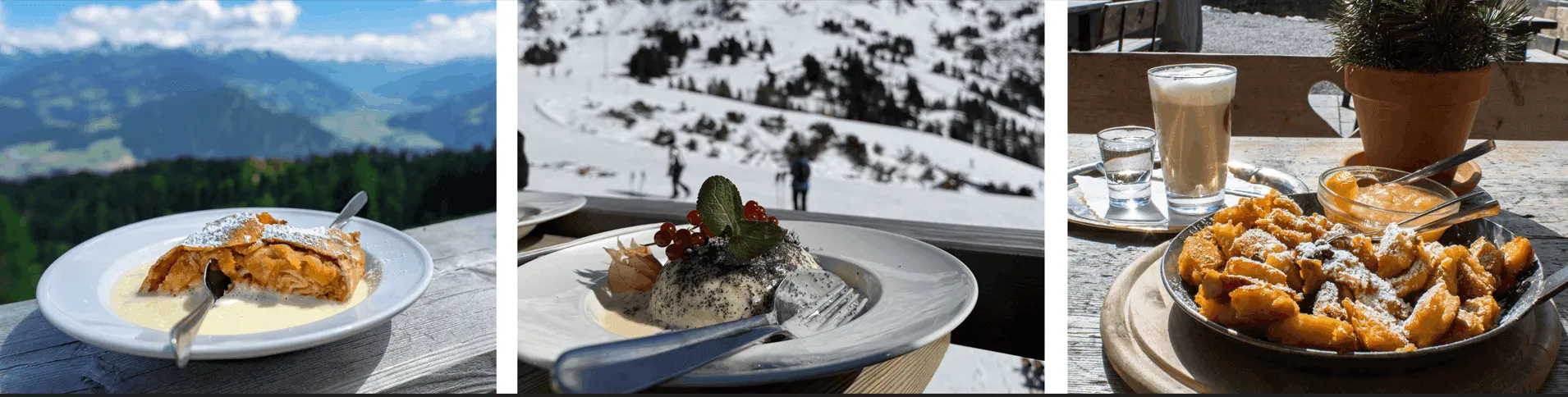
Kaiserschmarrn – Fluffy shredded pancakes dusted with powdered sugar and served with fruit compote. Big, filling, and famous for a reason.
Apfelstrudel – Thin pastry wrapped around spiced apples and raisins, usually served warm and gone quickly.
Germknödel – A soft yeast dumpling filled with plum jam and topped with poppy seeds and butter. Sweet, comforting, and surprisingly satisfying.
Kuchen and Cakes – Simple homemade cakes waiting on hut counters. Nothing fancy — just very welcome.

Up here, dessert is a good excuse to sit a little longer before heading back outside.

Drinks Along the Trail

After a long walk, the best drinks are the simple ones. The kind that cool you down, make you smile, and don’t ask too many questions. Austrian mountain huts have a few classics that do this very well.

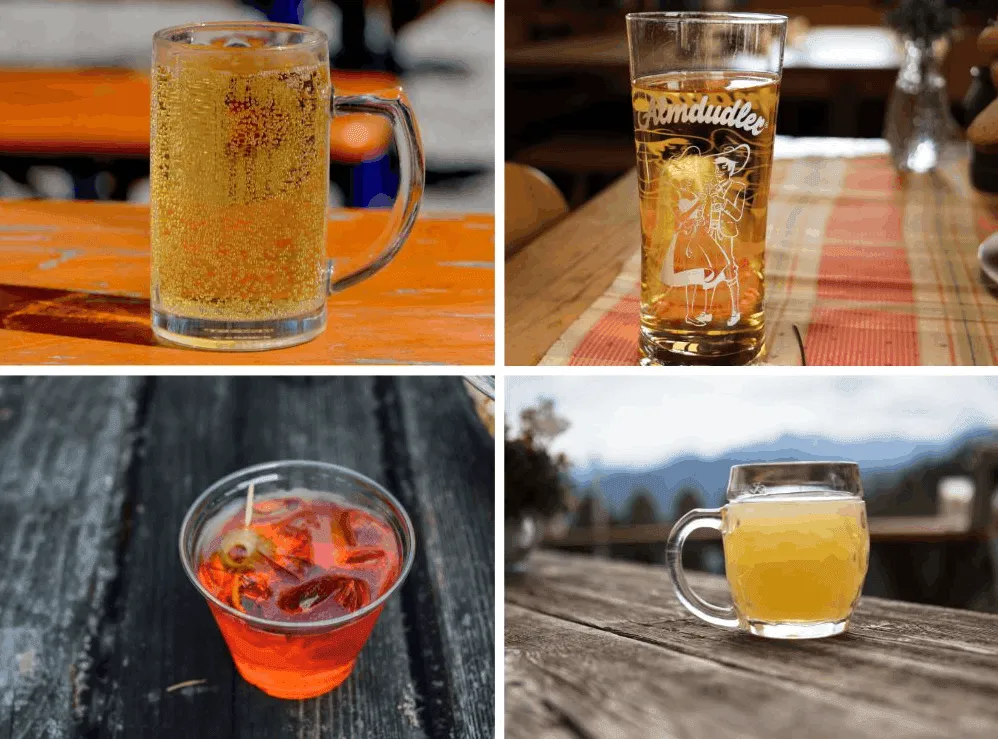
Almdudler – Austria’s famous herbal lemonade. Light, fizzy, and slightly sweet. If the mountains had a house drink, this would be it.
Skiwasser – A bright pink mix of lemon and raspberry syrup. It looks a bit wild, tastes refreshingly sweet, and somehow works perfectly after a hike.
Apfelspritz (Apfelsaft gespritzt) – Apple juice mixed with sparkling water. Fresh, not too sweet, and one of the safest — and most popular — choices on the menu.
Spezi – Cola meets orange soda. Sounds strange, tastes familiar, and usually disappears faster than expected.
Radler – Beer mixed with lemonade. Cold, easy, and best enjoyed when your boots are already off and the biggest climbs are behind you.

These drinks aren’t about making decisions. They’re about sitting down, taking a breath, and enjoying the view a little longer.

Why Mountain Food Works in the Austrian Alps

After a few meals in the mountains, you start to notice a pattern. The food is filling. Portions are generous. Nobody seems worried about light lunches or small plates. That’s not by accident.

Life in the Austrian mountains has always been physical. Long days outside, steep paths, changing weather — people needed food that could keep them warm, strong, and moving. Meals had a job to do. That’s why mountain food relies on simple ingredients that make sense up here. Potatoes, bread, cheese, dairy, and dishes that can be cooked well in small kitchens. Nothing fragile, nothing complicated — just food that works when conditions don’t always cooperate.

For trekkers, this tradition still does exactly what it was meant to do. After hours on the trail, a warm, hearty meal isn’t just nice to have — it’s exactly what your body was asking for. And once you’ve experienced it a few times, it all makes perfect sense.

Eating in Mountain Huts

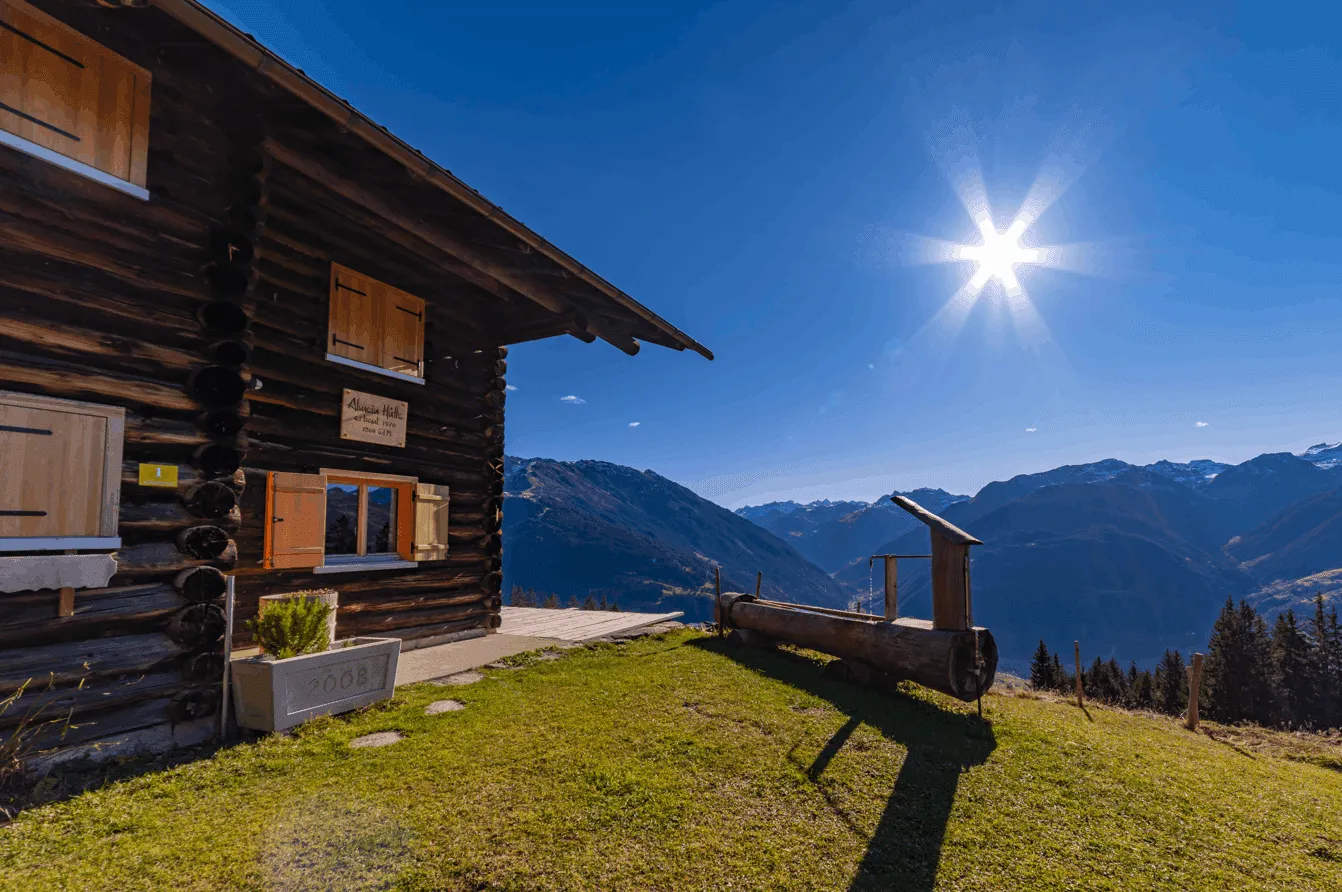
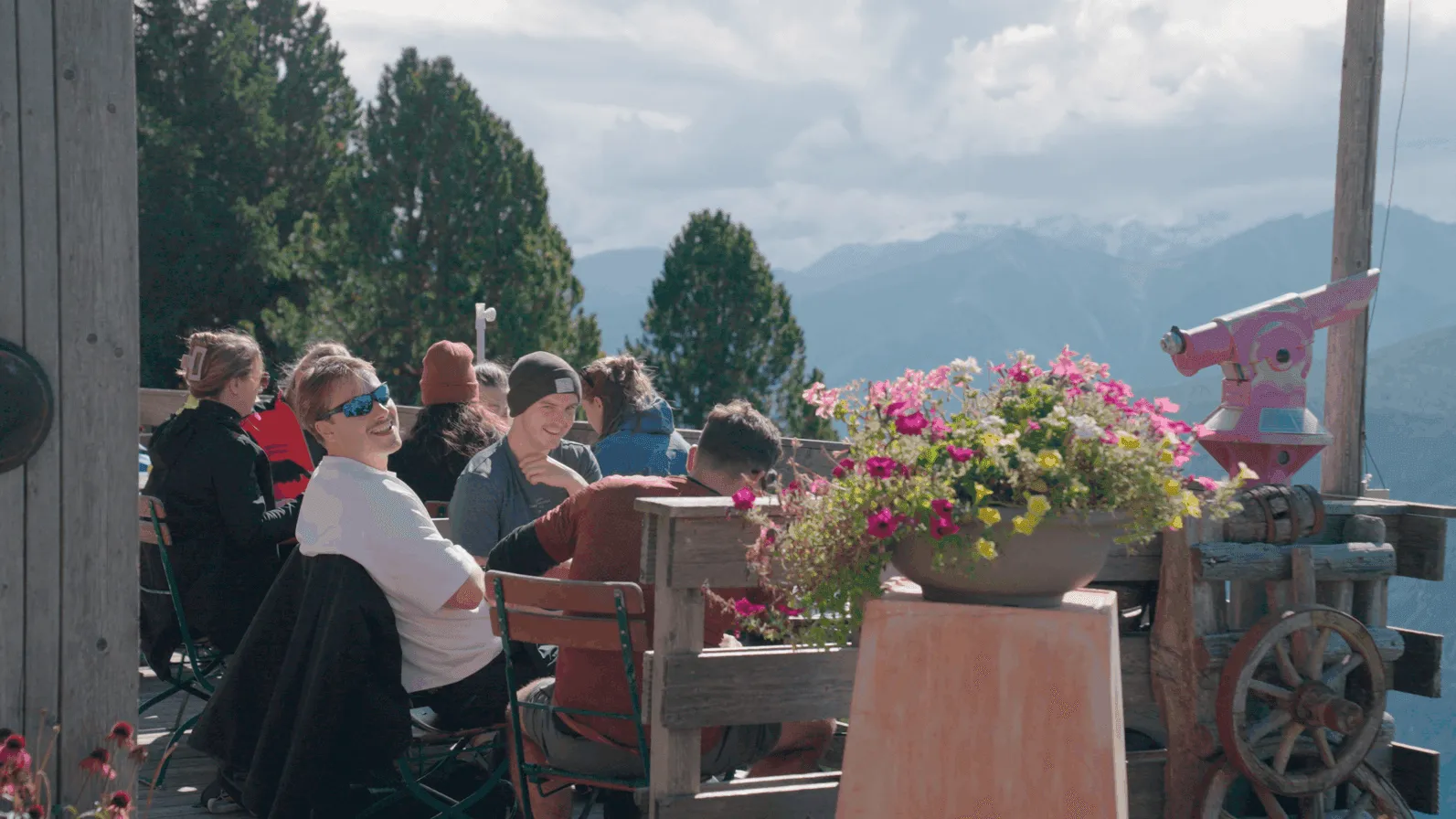
Food in the mountains is never just about eating. It’s about where it happens. Mountain huts are natural meeting points. Wet jackets hang near the stove, boots are kicked off under the table, and backpacks form a quiet pile in the corner. Everyone looks a little tired — and very satisfied.

Menus are short, kitchens run on mountain time, and cash is often still the safest bet. But none of that feels inconvenient. It feels part of the rhythm. You arrive, you sit, you eat, you breathe again. No one asks how far you walked or how fast you were. The fact that you’re here says enough. And somehow, surrounded by warm food and tired hikers, the mountains feel less demanding and more welcoming.

Food Through the Seasons

What you eat in the mountains depends a lot on when you’re there. In summer, food feels a little lighter. Fresh milk, cheese, and simple dishes show up more often, and meals are shaped around long, warm days on the trail. You eat outside when you can, move a bit slower, and stay a bit longer at the table.

As the weather cools, menus shift. Soups appear more often. Dumplings get bigger. Dishes focus on warmth and comfort, built for shorter days and colder air. The recipes don’t really change — they just lean into what the season asks for. And as a trekker, you feel the difference immediately.

Food Brings People Together

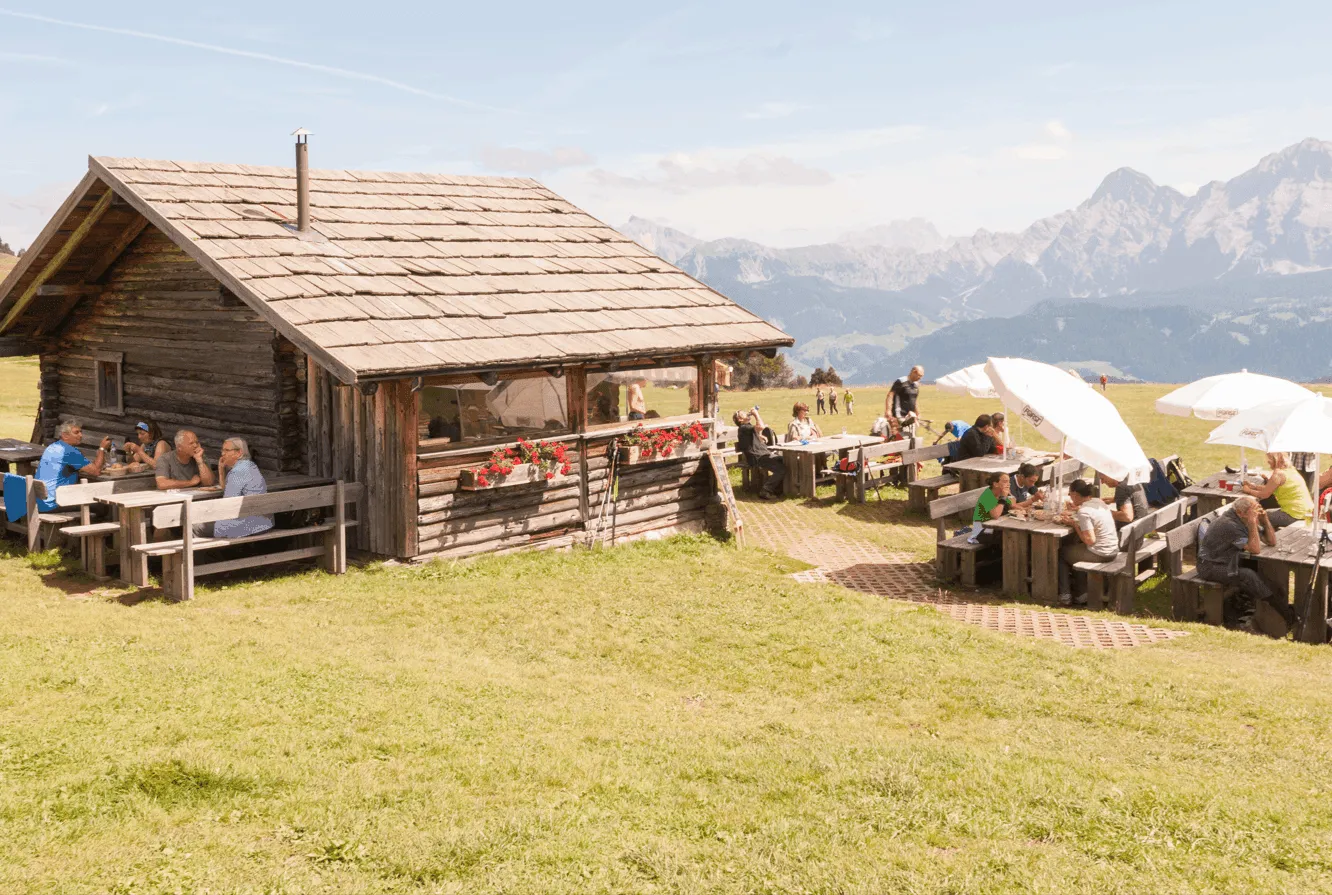
Something changes in a mountain hut toward the end of the day. Boots are off, jackets are drying, and everyone finally has time to sit still. Meals are shared tables by default. You sit next to people you’ve never met, and within minutes you’re comparing routes, weather stories, and plans for tomorrow. Conversations start easily up here — food does most of the work. It doesn’t matter where you’re from or how fast you walked. If you made it to the hut, you belong at the table. A simple meal turns strangers into familiar faces, at least for one evening. Often, it’s these moments — more than the views or the distance — that stay with you long after the trek is over.

Food as Mountain Tradition

In the Austrian mountains, food comes with habits that have been shaped over generations. Not formal rules, but simple customs that guide how meals are cooked, served, and shared. Recipes are learned by watching and doing. Dumplings are made the way someone once showed you, portions are generous because they always have been, and meals follow rhythms that belong to mountain life. Nothing is rushed, and nothing is overthought. Food is also deeply social here. Long tables and shared benches are normal, and strangers sit next to each other without hesitation. You eat what’s on the menu, talk when you feel like it, and quietly become part of the scene.

About Us

At Bookatrekking.com, you will find the trek that will make your life unforgettable. Whether you want to explore the Inca Trail or climb Kilimanjaro. Bookatrekking.com has a wide and varied range of first-class treks. No false promises are made here. Transparent prices and bookings are fixed instantly. Find, compare, book and trek!
Read more about us
About Us
About Us

Also Interesting