Flora and Fauna of the Pyrenees: Wildlife and Nature on the Trail

Flora and Fauna of the Pyrenees: Wildlife and Nature on the Trail
Trekking experts per destination
Free cancellation up to eight weeks in advance
Quick personal advice

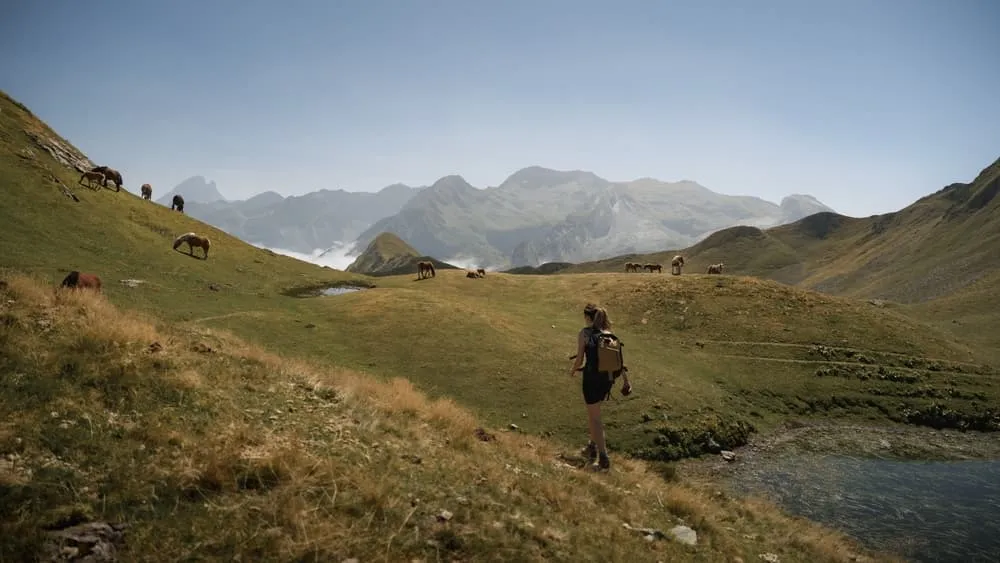
The Pyrenees do not feel wild in an obvious way. They do not overwhelm with dramatic verticality like parts of the Alps. Instead, their wildness reveals itself slowly. A whistle in the grass. A shadow moving high along a ridge. A flower growing where almost nothing else can survive.

What makes the Pyrenees remarkable is not just the species that live here, but the way altitude, climate, and geology combine to create one of western Europe’s most complex mountain ecosystems. If you want to experience this shift from valley forests to high passes firsthand, Trekking in the Pyrenees is one of the best ways to move through entire ecological worlds on foot.
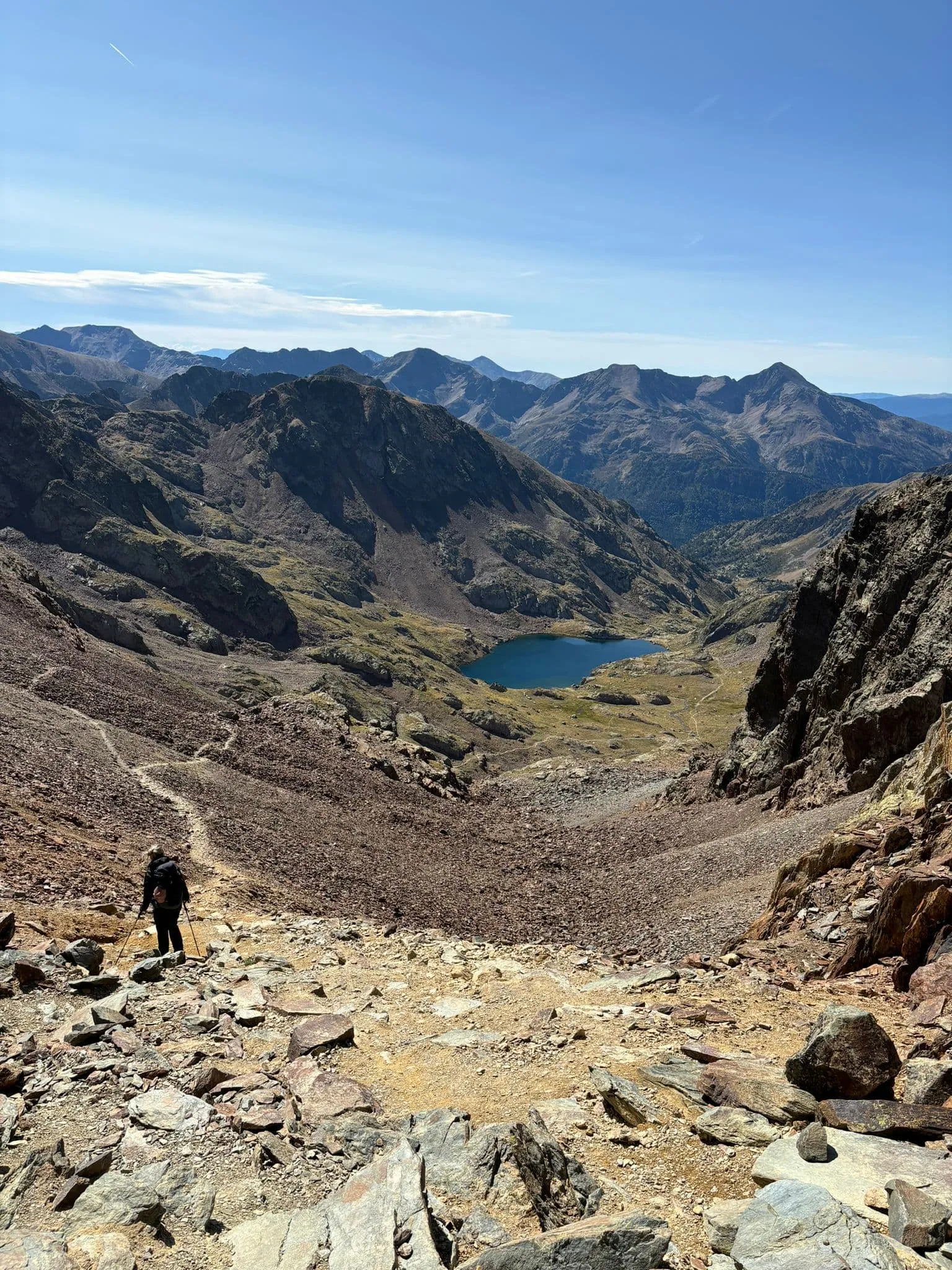
La Porta del Cel 12819

A Mountain Range Between Two Climates

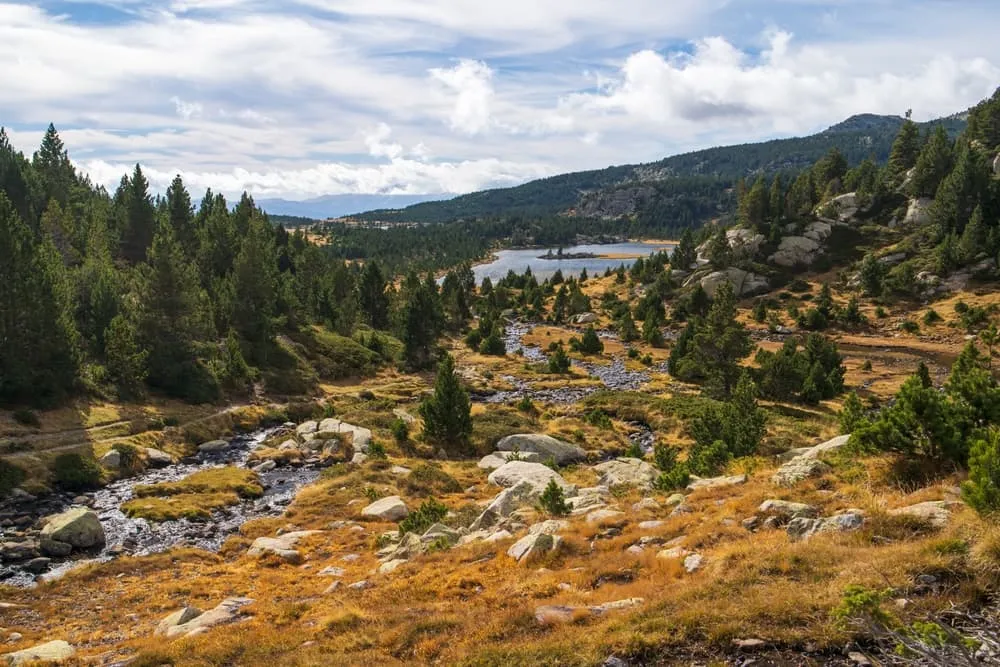
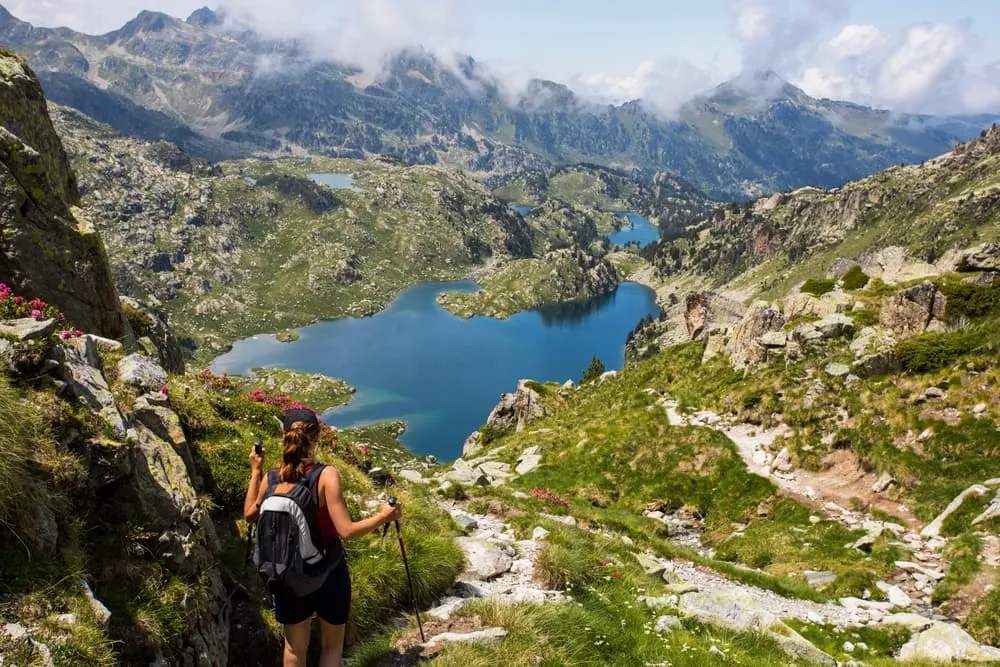
The Pyrenees stretch roughly 430 kilometres from the Atlantic Ocean to the Mediterranean Sea. This east–west orientation places the range at the meeting point of two major climatic systems.

The western Pyrenees receive moist Atlantic air. Rainfall is higher, forests are dense, and valleys remain green for much of the year. In contrast, the eastern Pyrenees are influenced by Mediterranean conditions. Summers are drier, slopes are more open, and vegetation is adapted to longer dry periods.

Altitude adds another layer of complexity. Temperatures drop significantly with elevation, snow persists longer in the central high massifs, and wind exposure increases dramatically above the tree line.

This climatic diversity is one of the main reasons biodiversity is so high. Species from Atlantic, Mediterranean, and alpine environments overlap within a relatively narrow space.

Mammals of the Pyrenees

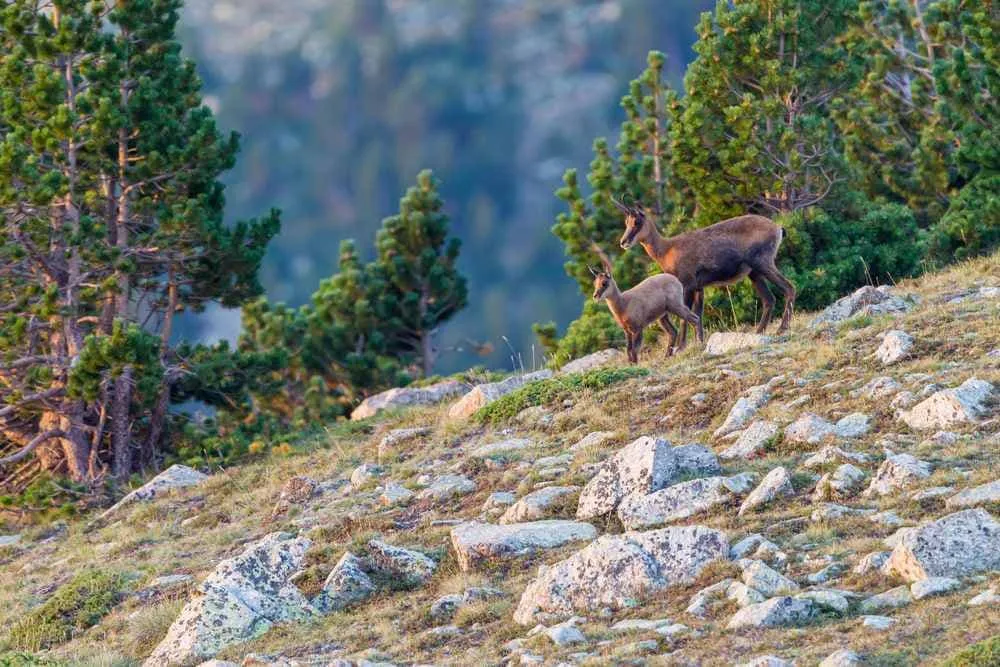
The Pyrenean Chamois: Built for Steep Ground

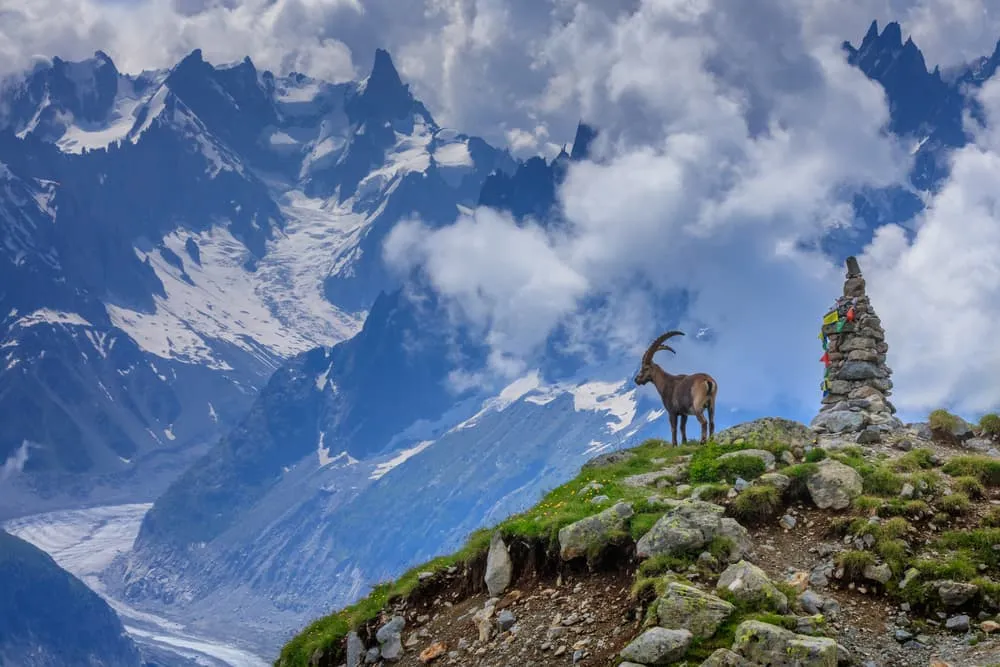
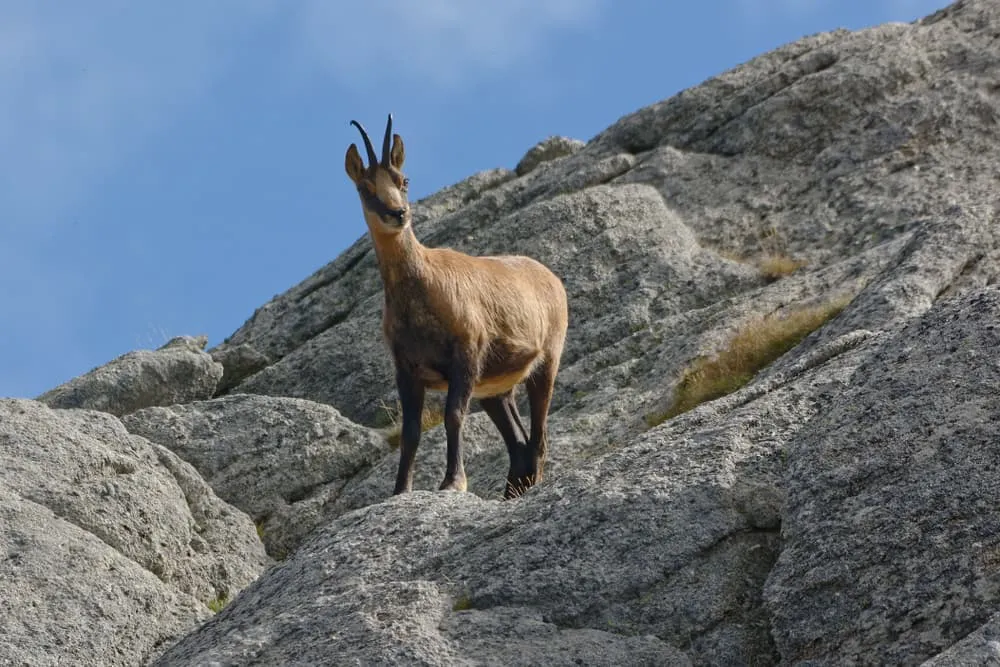
The Pyrenean chamois, known locally as the isard, is one of the most characteristic mammals of the range. It belongs to the goat-antelope family and is perfectly adapted to mountain terrain.

Its hooves have a hard outer rim for grip and a softer inner pad that acts almost like a shock absorber on rock. This allows it to move with stability across steep, uneven slopes where predators struggle to follow. Their compact bodies conserve heat, and their thick winter coats protect against sub-zero temperatures and wind exposure.

Mammals of the Pyrenees

Chamois typically graze on alpine grasses and shrubs, adjusting their range seasonally. In summer, they move higher toward open meadows. In winter, they descend slightly to avoid the deepest snow. For hikers, spotting a chamois often means scanning ridgelines and grassy slopes early in the morning or late in the afternoon, when they are most active.

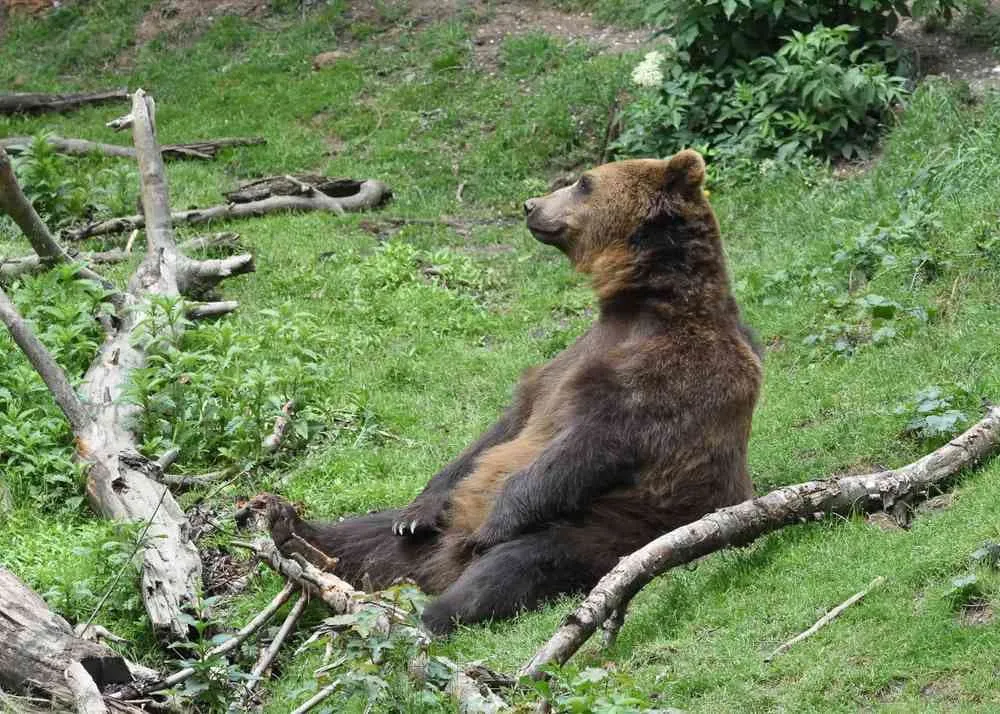
Brown Bears: Apex Predators Returning

The brown bear once roamed widely across the Pyrenees. By the late 20th century, however, hunting and habitat fragmentation had reduced the population to near extinction.

In the 1990s, conservation authorities introduced bears from Slovenia to reinforce the remaining population. Today, the number of bears has slowly increased, although the population remains small and geographically limited, mostly concentrated in remote forested valleys of the central Pyrenees.

Brown Bears: Apex Predators Returning

Ecologically, bears play an important role. As omnivores, they help regulate prey species, disperse seeds, and contribute to nutrient cycling. Their presence signals a functioning, large-scale ecosystem. For hikers, encounters are extremely rare. Bears avoid human activity and prefer dense woodland far from busy trails.

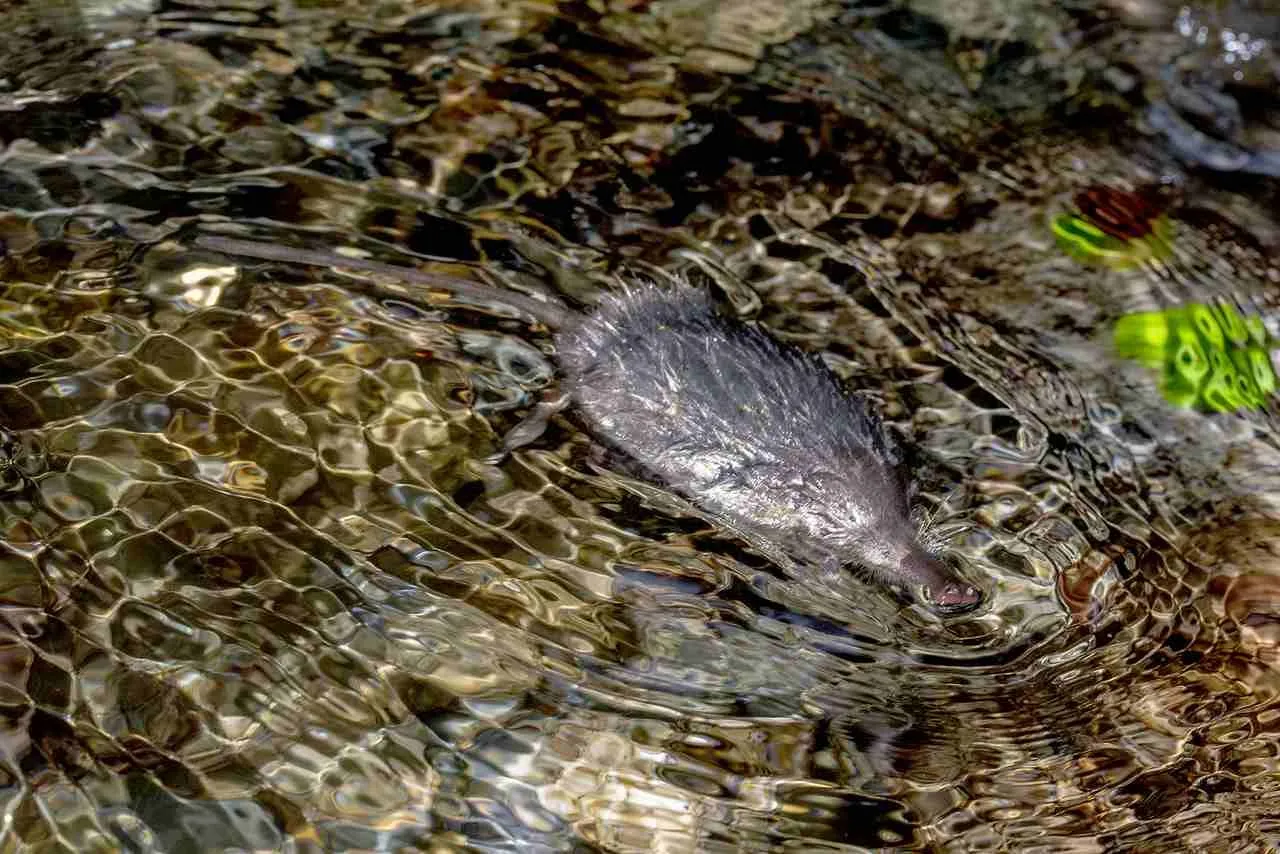
The Pyrenean Desman: A Hidden Specialist

One of the least known but most fascinating mammals of the Pyrenees is the Pyrenean desman. This small, semi-aquatic mammal resembles a cross between a mole and a shrew, with a long flexible snout adapted to detecting aquatic insects.

It lives in cold, fast-flowing mountain streams with clean, well-oxygenated water. Its presence indicates high water quality and healthy river systems. Because it is nocturnal and elusive, most hikers will never see one, but it is an important indicator species in Pyrenean river ecosystems.

The Pyrenean Desman: A Hidden Specialist

The Lost Pyrenean Ibex

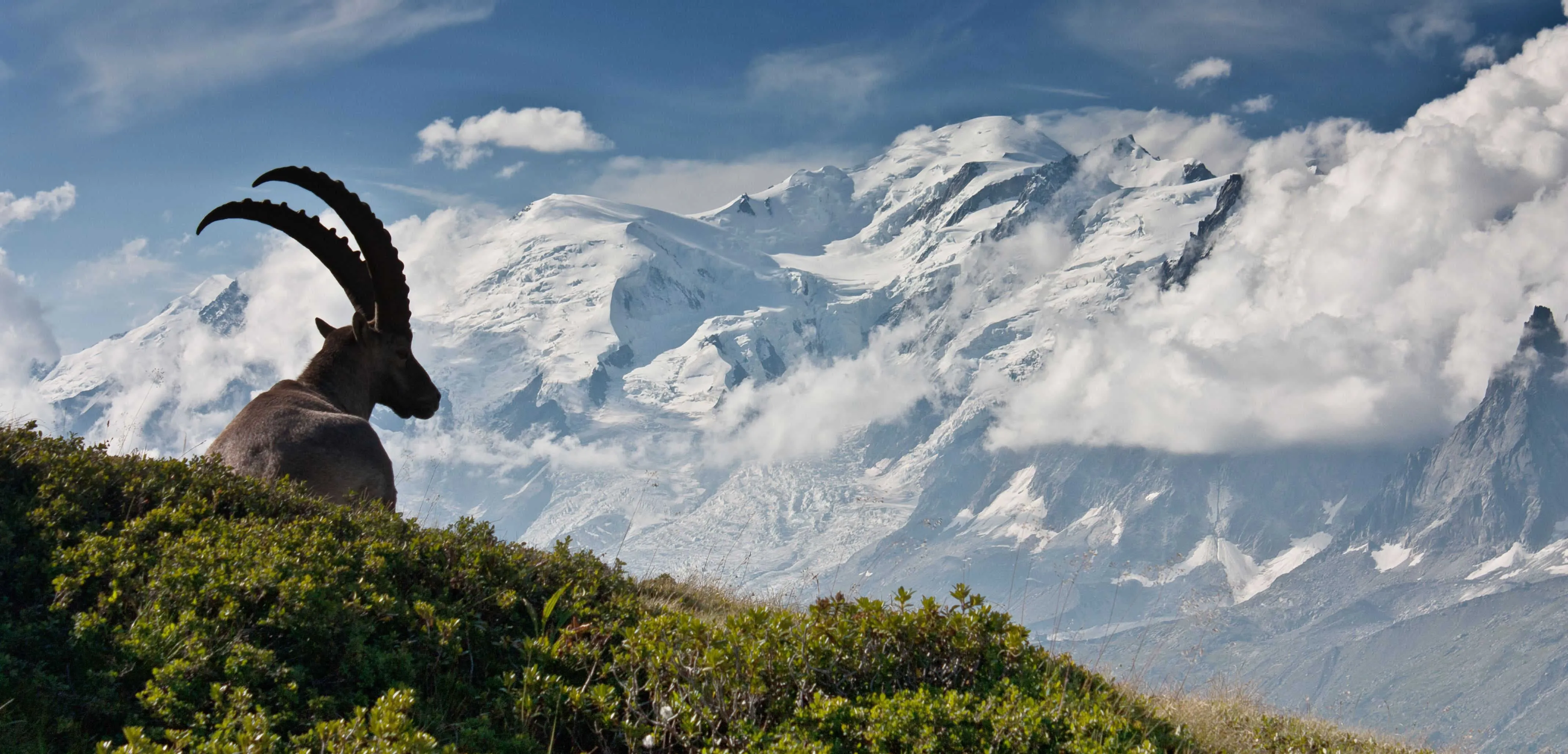
The Pyrenean ibex, a subspecies of the Iberian ibex, once inhabited these mountains but declined steadily due to overhunting and human pressure. The last individual died in 2000.

A cloning attempt in 2003 briefly produced a living specimen, but it survived only minutes. It remains the only extinct species ever briefly brought back through cloning.

The extinction of the Pyrenean ibex was not a natural disappearance. It was the result of direct human pressure in a landscape that otherwise appears resilient. Today, Iberian ibex from other populations have been reintroduced in parts of the range, but the original subspecies is permanently lost. The story underscores a clear reality: even remote mountains are not beyond human impact.

Birds of Prey and the Open Sky

The Bearded Vulture

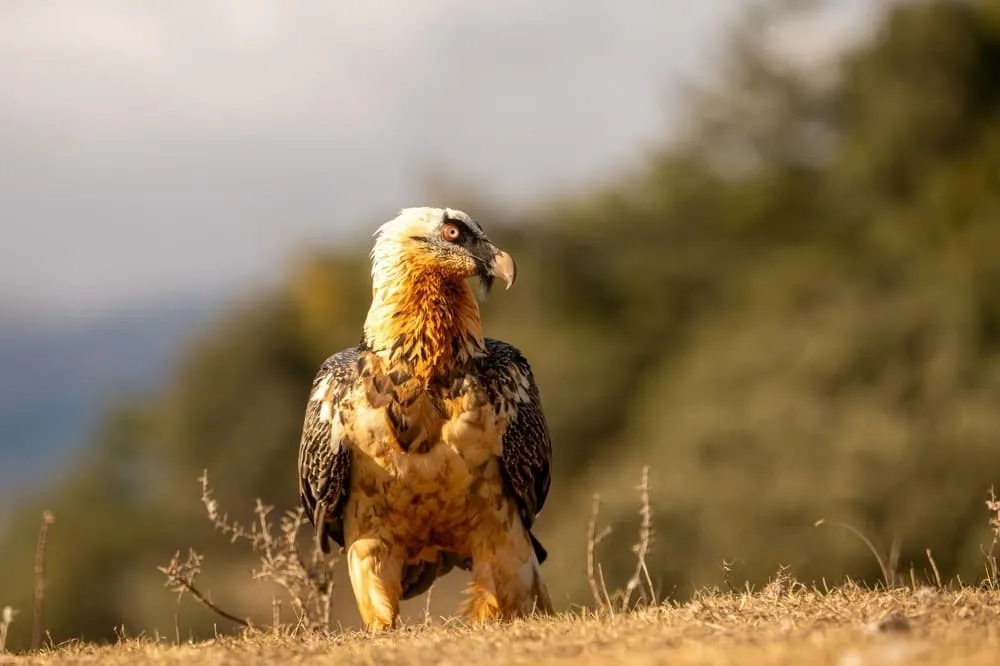
Few birds are as emblematic of the Pyrenees as the bearded vulture, also known as the lammergeier. With a wingspan approaching three metres, it is one of Europe’s largest birds of prey.

Unlike other vultures that feed mainly on flesh, the bearded vulture specialises in bone. It carries large bones high into the air and drops them onto rocks to shatter them, feeding on the marrow inside. This unusual diet reduces competition and allows it to occupy a specific ecological niche. The Pyrenees host one of Europe’s most significant populations of this species, thanks to decades of conservation and strict protection of nesting areas.

Birds of Prey and the Open Sky

Griffon Vultures and Golden Eagles

Griffon vultures are more commonly observed, riding thermals above cliffs and valleys. Their broad wings allow them to soar long distances with minimal energy expenditure, scanning the terrain for carrion.

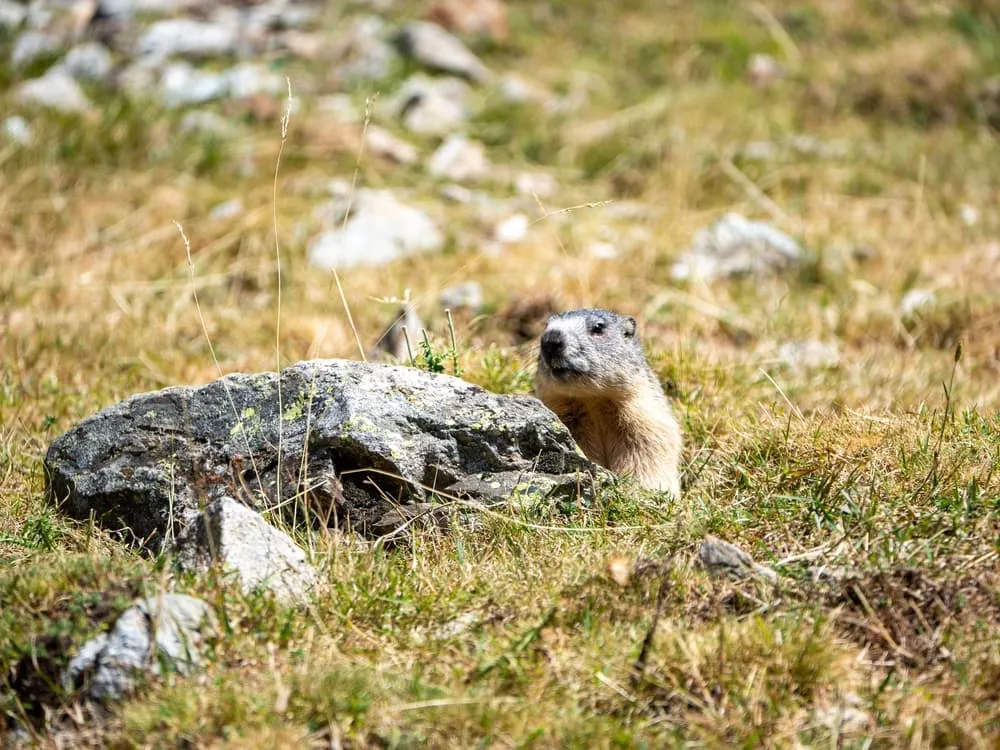
Golden eagles also inhabit the range, typically nesting on inaccessible cliff faces. As apex aerial predators, they hunt small mammals such as rabbits and marmots, maintaining ecological balance in open alpine areas.

Flora of the Pyrenees: Layered Ecosystems

Plant life in the Pyrenees follows a clear vertical pattern, shaped by temperature, moisture, soil type, and wind exposure. At lower altitudes, especially in the western Pyrenees, European beech forests dominate. These forests form dense canopies that reduce light penetration, creating cool, moist microclimates beneath. Mosses, fungi, and shade-tolerant plants thrive in this environment.

Higher up, silver fir and Scots pine appear. Conifers are better adapted to colder conditions. Their needle-like leaves reduce water loss and resist frost damage. The waxy surface of needles also helps prevent desiccation in winter winds.

Flora of the Pyrenees: Layered Ecosystems

In the subalpine zone, mountain pine becomes dominant. These trees are shorter and more resistant to snow pressure and wind exposure. Their root systems anchor them in shallow, rocky soils.

Alpine Plants: Low, Tough, and Efficient

Above the tree line, plants must endure intense UV radiation, freezing nights, strong winds, and a very short growing season.

Many alpine species grow in compact cushion shapes. This reduces wind exposure and traps warmer air close to the plant surface. Leaves are often small, thick, or covered in fine hairs, which reduce water loss and protect against cold.

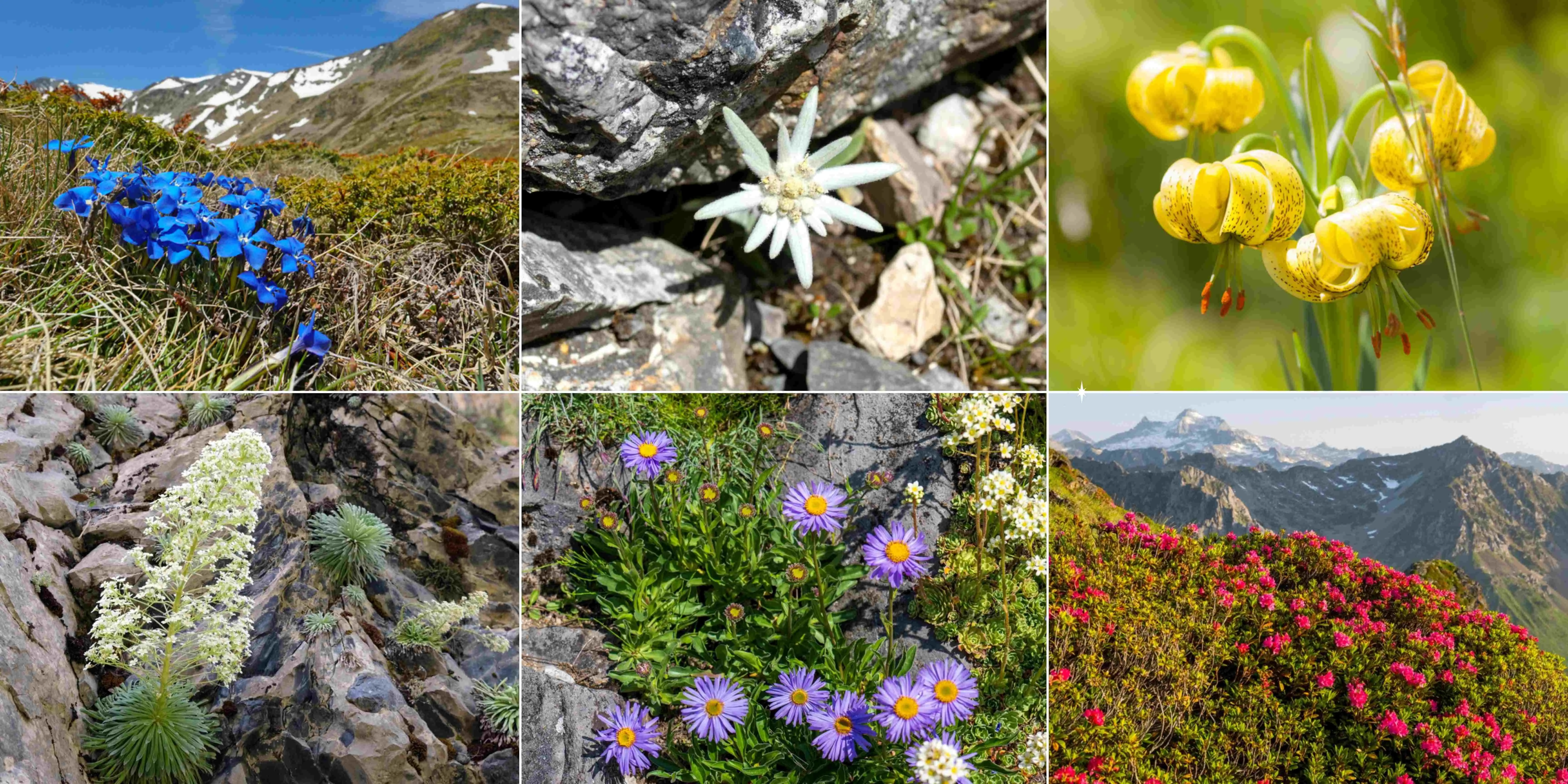
Flowering is rapid and synchronised with snowmelt. Alpine meadows can burst into colour within weeks of thaw, and you may encounter flowers such as:

  • Gentians (Gentiana spp.)
  • Edelweiss (Leontopodium alpinum)
  • Pyrenean lily (Lilium pyrenaicum)
  • Pyrenean saxifrages (Saxifraga spp.)
  • Alpine asters (Aster alpinus)
  • Alpenrose or rusty-leaved rhododendron (Rhododendron ferrugineum)
Alpine Plants: Low, Tough, and Efficient

These species take advantage of the short window before autumn returns, growing and setting seed at speed whenever conditions allow.

Geology and Plant Diversity

The Pyrenees contain both limestone and granite massifs. Limestone areas, such as Ordesa, support specialised calcicolous plants adapted to alkaline soils. Granite zones host different communities more tolerant of acidic conditions.

This geological variation increases botanical diversity. What appears to be bare rock may host highly specialised species rooted in small cracks where moisture and nutrients accumulate.

Conservation and Ecological Balance

Large areas of the Pyrenees are protected within national parks and reserves. These protected zones aim not only to preserve scenery but to maintain ecological processes.

Reintroduction of large mammals, protection of bird nesting sites, and regulation of tourism all contribute to preserving biodiversity. However, pressures remain. Climate change is reducing glacier size in the central Pyrenees. Snow cover patterns are shifting, which affects plant phenology and animal movement. The ecosystem is resilient, but not invulnerable.

Conservation and Ecological Balance

Respecting Nature on the Trail

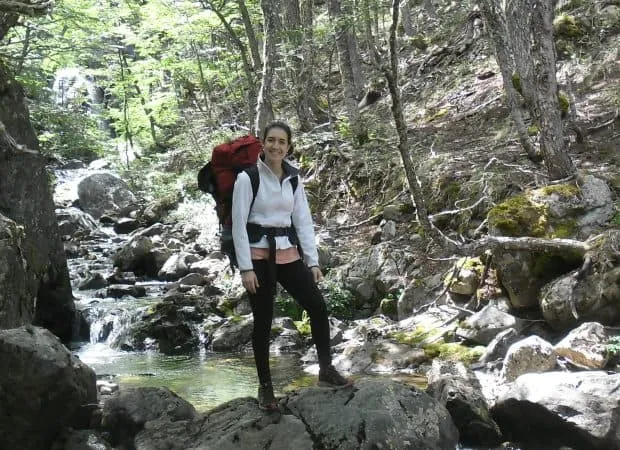
The Pyrenees may feel vast and untouched, but their ecosystems are delicate. Alpine plants grow slowly and can take years to recover from a single misplaced step, while wildlife depends on quiet, undisturbed habitats to feed, breed, and survive harsh winters. Staying on marked trails helps protect fragile vegetation, especially above the tree line where soils are thin and erosion spreads quickly. Observe animals from a distance and avoid approaching or feeding them, even if they appear accustomed to people. Carry out all waste, respect grazing livestock and shepherd dogs, and follow local park regulations. Hiking responsibly ensures that the forests, meadows, rivers, and high ridges of the Pyrenees remain as alive for future trekkers as they are today.
Respecting Nature on the Trail

A Living Mountain System

Trekking in the Pyrenees is not simply an exercise in elevation gain. It is a movement through an interconnected system of forests, rivers, cliffs, meadows, predators, prey, and plants adapted to survive at the edge of climatic limits.

The whistle of a marmot, the glide of a vulture, the resilience of a flower growing in rock. These are not isolated details. They are signs that the Pyrenees remain one of Europe’s most complex and functioning mountain ecosystems.

Walk attentively, and you begin to understand that the wilderness here is not empty. It is intricate, dynamic, and very much alive.

About Us

At Bookatrekking.com, you will find the trek that will make your life unforgettable. Whether you want to explore the Inca Trail or climb Kilimanjaro. Bookatrekking.com has a wide and varied range of first-class treks. No false promises are made here. Transparent prices and bookings are fixed instantly. Find, compare, book and trek!
Read more about us
About Us
About Us

Also Interesting