


Spanish Culture and Traditions

Spanish Culture and Traditions
Trekking experts per destination
Free cancellation up to eight weeks in advance
Quick personal advice

Life in Spain follows a different daily rhythm than in many other parts of Europe. Lunch is the main meal of the day, afternoons can slow down with a siesta, and dinner often happens late in the evening. Much of this revolves around spending time with others rather than rushing from one thing to the next.

These habits don't stay in the cities either. When you go hiking in Spain, you pass through villages where festivals stop everything for days, recipes are centuries old, and nobody seems to be in a hurry. Every region has its own story and its own way of living it.
 13092
13092

A Country That Lives at Its Own Pace

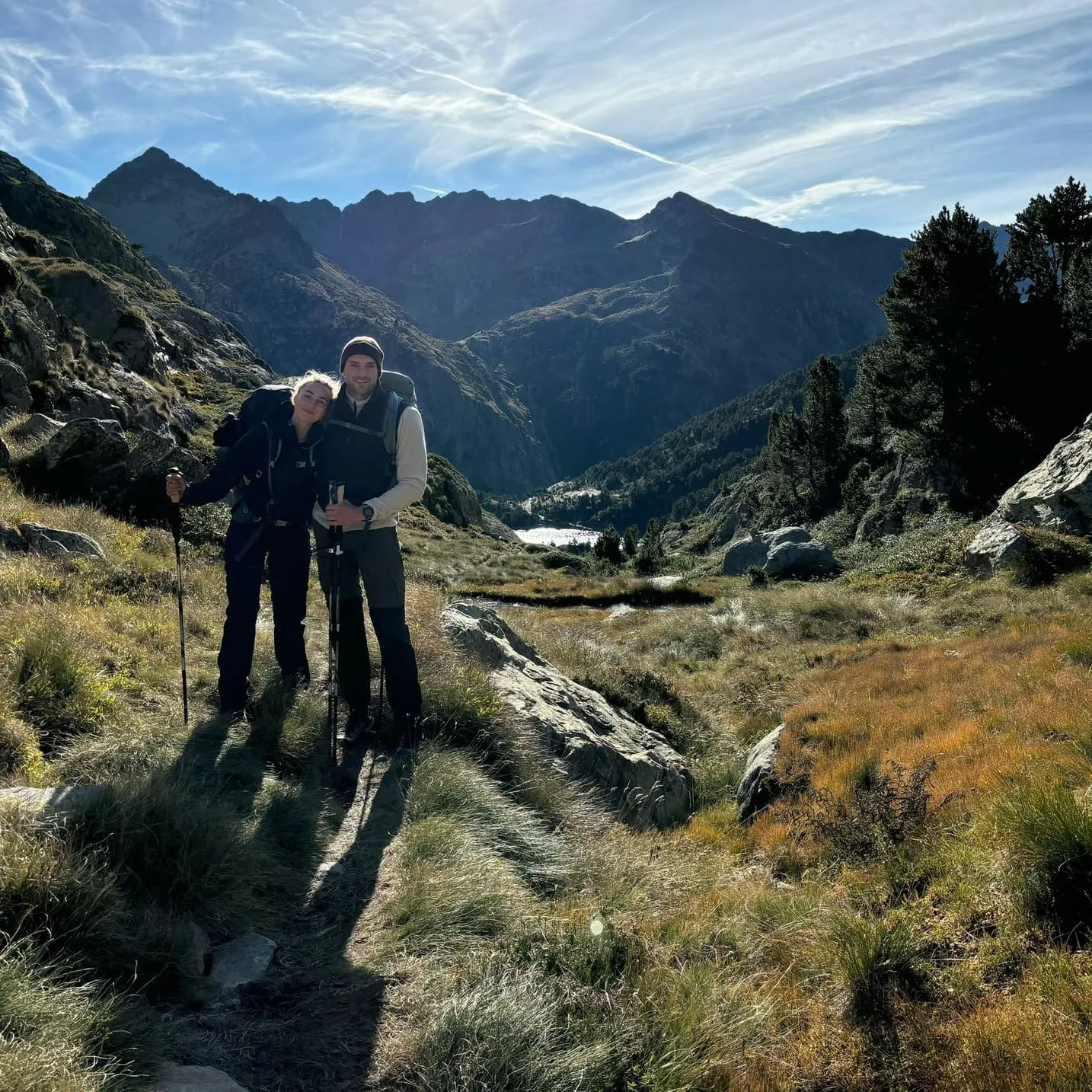
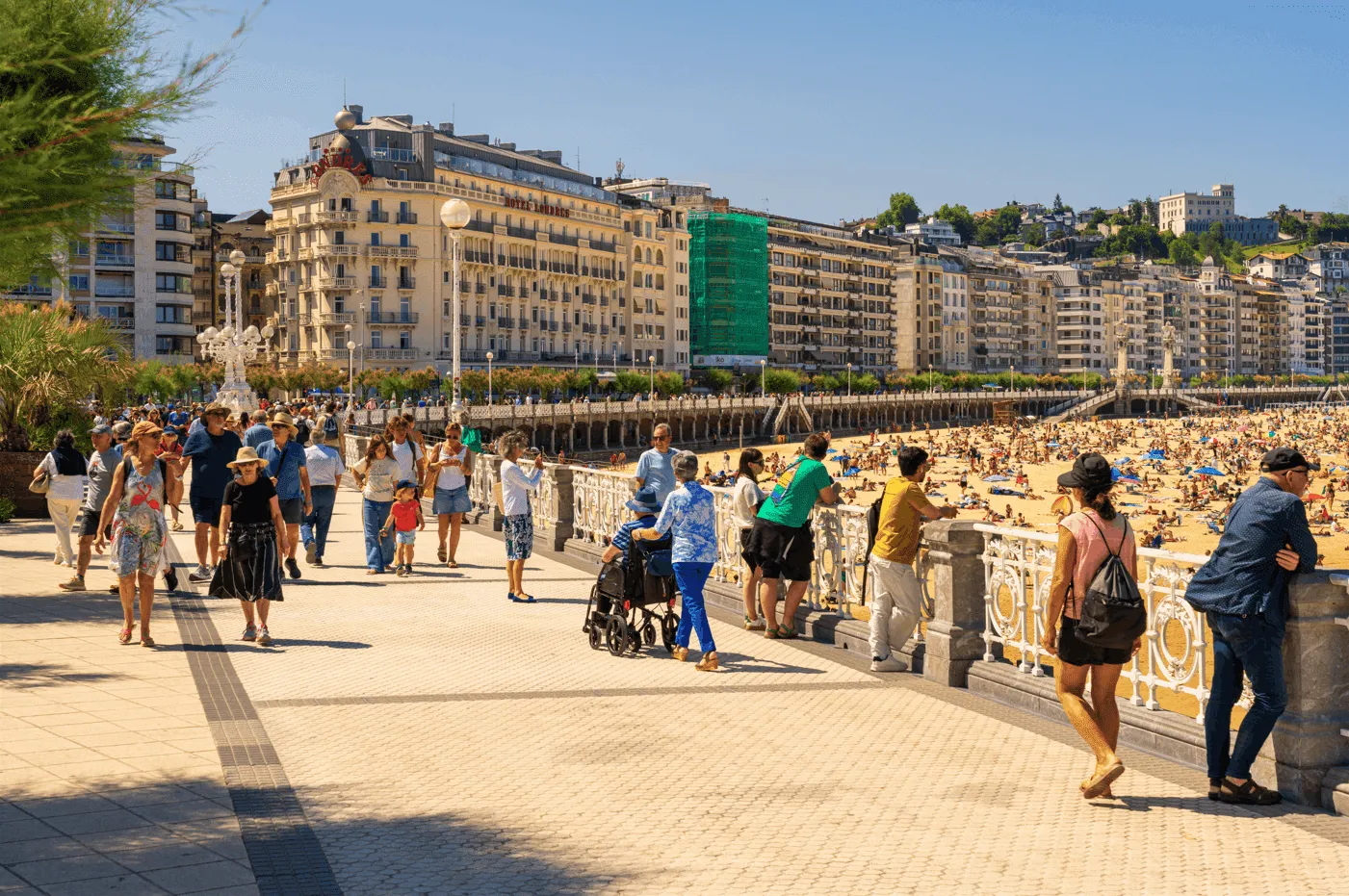
If you've ever felt guilty for taking a long lunch, Spain quickly changes that perspective. A two hour lunch is normal, dinner before 9pm is rare, and the evening paseo, a simple walk through town with no real destination, is still part of daily life in many places.

It can take a little time to adjust, especially if you're used to a faster routine. But once you settle into it, the slower pace starts to make sense, and you begin to understand why it has lasted for generations.

A Country That Lives at Its Own Pace

The Regions That Make Spain What It Is

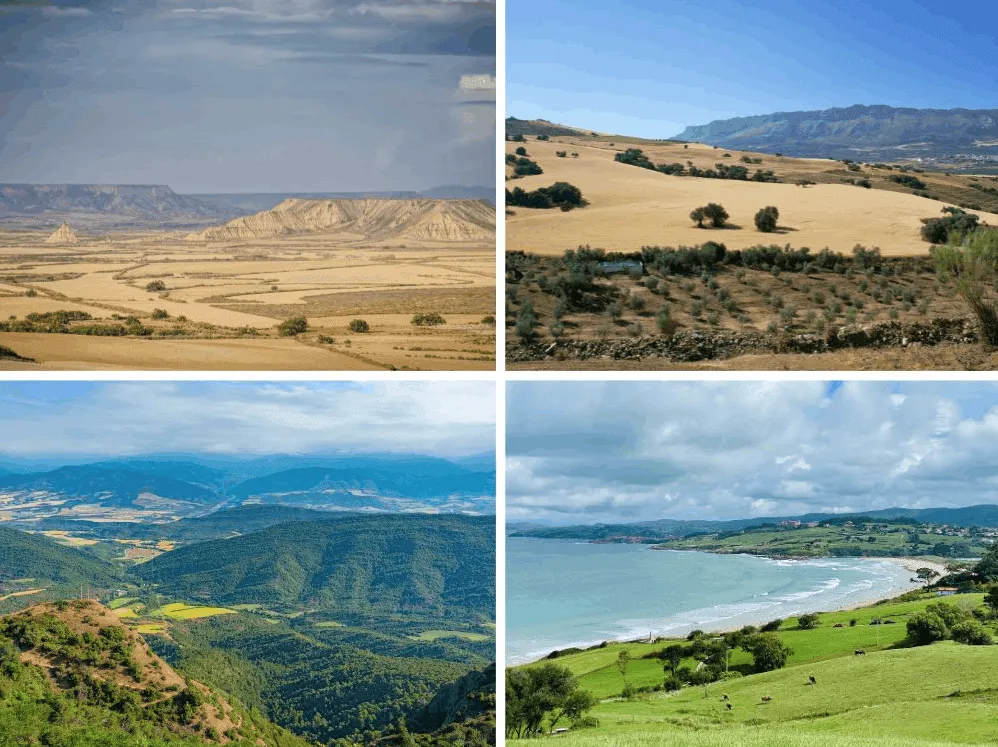
Spain is not one place, it is many. The north is green and often rainy, while the south is hotter and more intense in both climate and lifestyle. Catalonia has a strong identity of its own, and the Basque Country stands out with a language unlike any other in Europe.

Travel a few hours in any direction and things begin to change. The food is different, the accent shifts, and sometimes even the language is not the same. That is what makes exploring Spain on foot so rewarding. You are not just moving through landscapes, but through regions with their own identity and way of life.

The Regions That Make Spain What It Is

Festivals That Stop Entire Towns

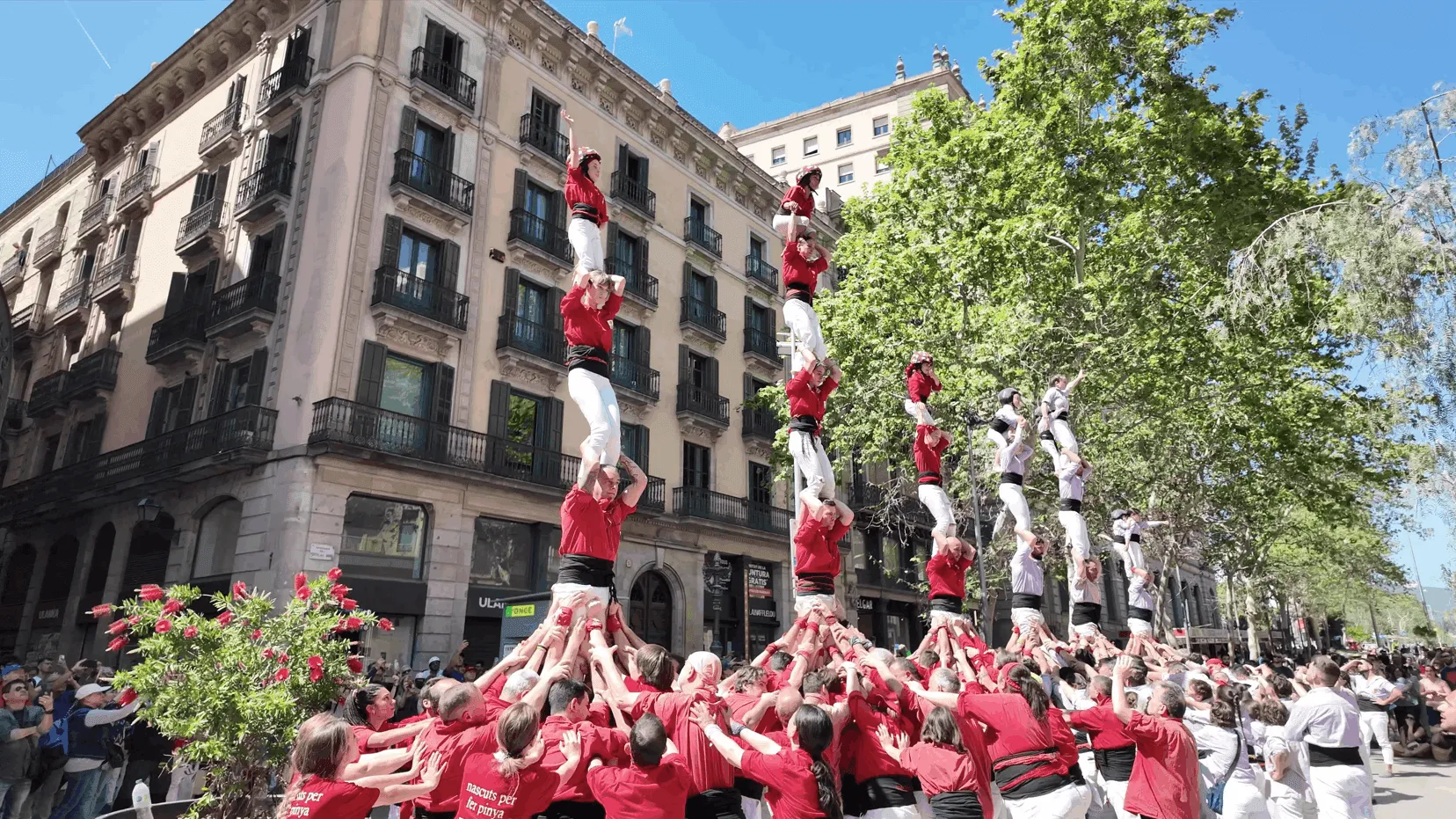
It is not unusual to arrive in a small Spanish town and find the streets closed, music playing, and locals gathered in the square. What might look unexpected at first is often just a local festival taking place.

From La Tomatina to the human towers in Catalonia, these events are not set up for visitors but are part of local tradition. Most towns have their own patron saint and their own way of marking the occasion. When it happens, daily routines pause and the focus shifts entirely to the celebration. If you pass through during one, you are simply seeing the place as it is.

Festivals That Stop Entire Towns

Food, Markets and the Art of Eating Together

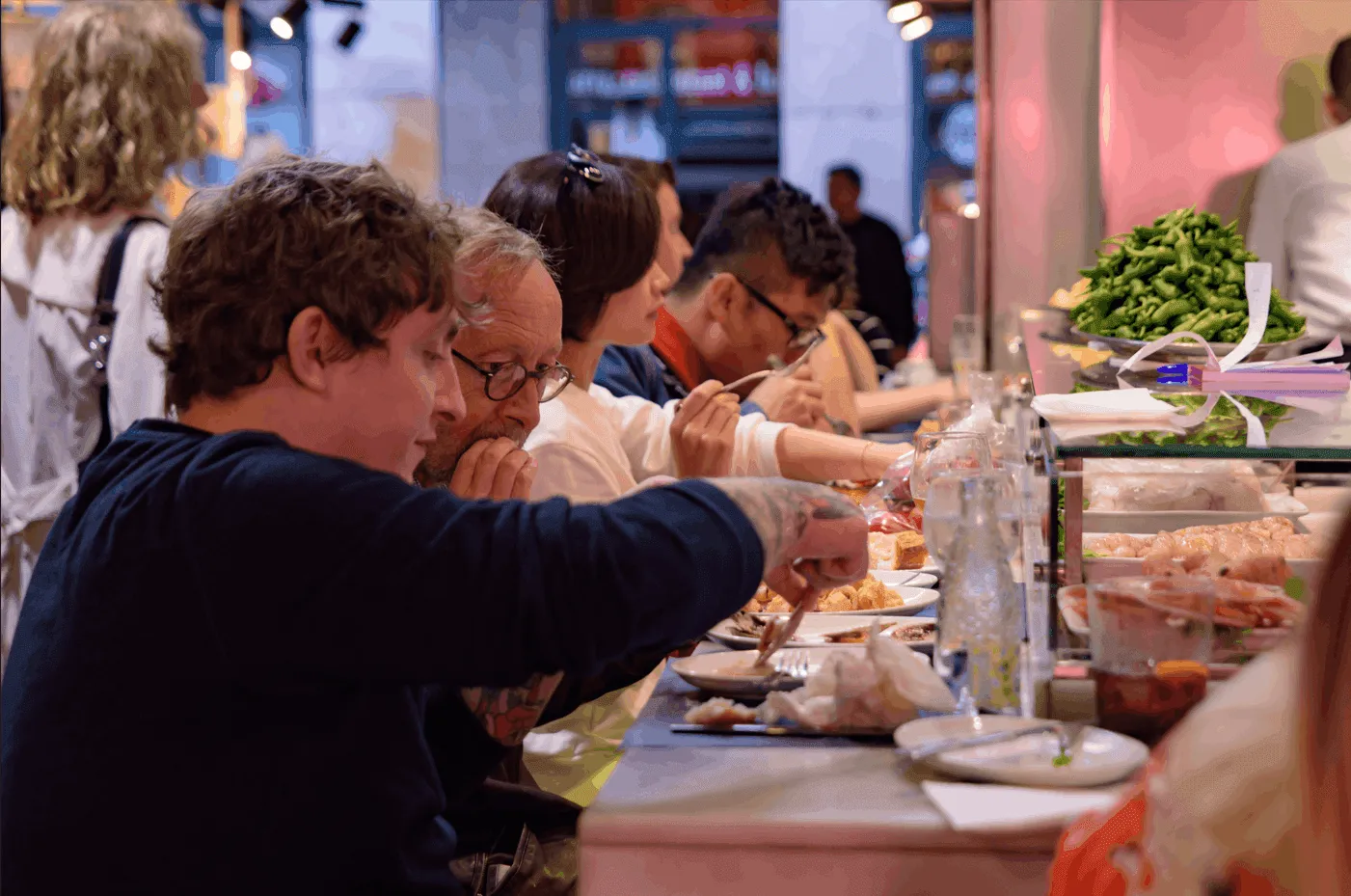
In Spain, food is not just about eating, it is also a social activity. A visit to the local market on a Saturday morning often feels more like a routine than an event, and meals are rarely rushed. A few tapas can easily turn into a long lunch, and shared tables, especially in smaller places or mountain refuges, often lead to conversations with people you did not know before.

The dishes change depending on where you are. Pintxos in the Basque Country, paella along the coast, and stews in the interior all reflect local ingredients and traditions. What stays consistent is the approach to food, taking time, eating together, and treating meals as part of the day rather than something to fit in between other plans.

Food, Markets and the Art of Eating Together

Flamenco and the Music of the South

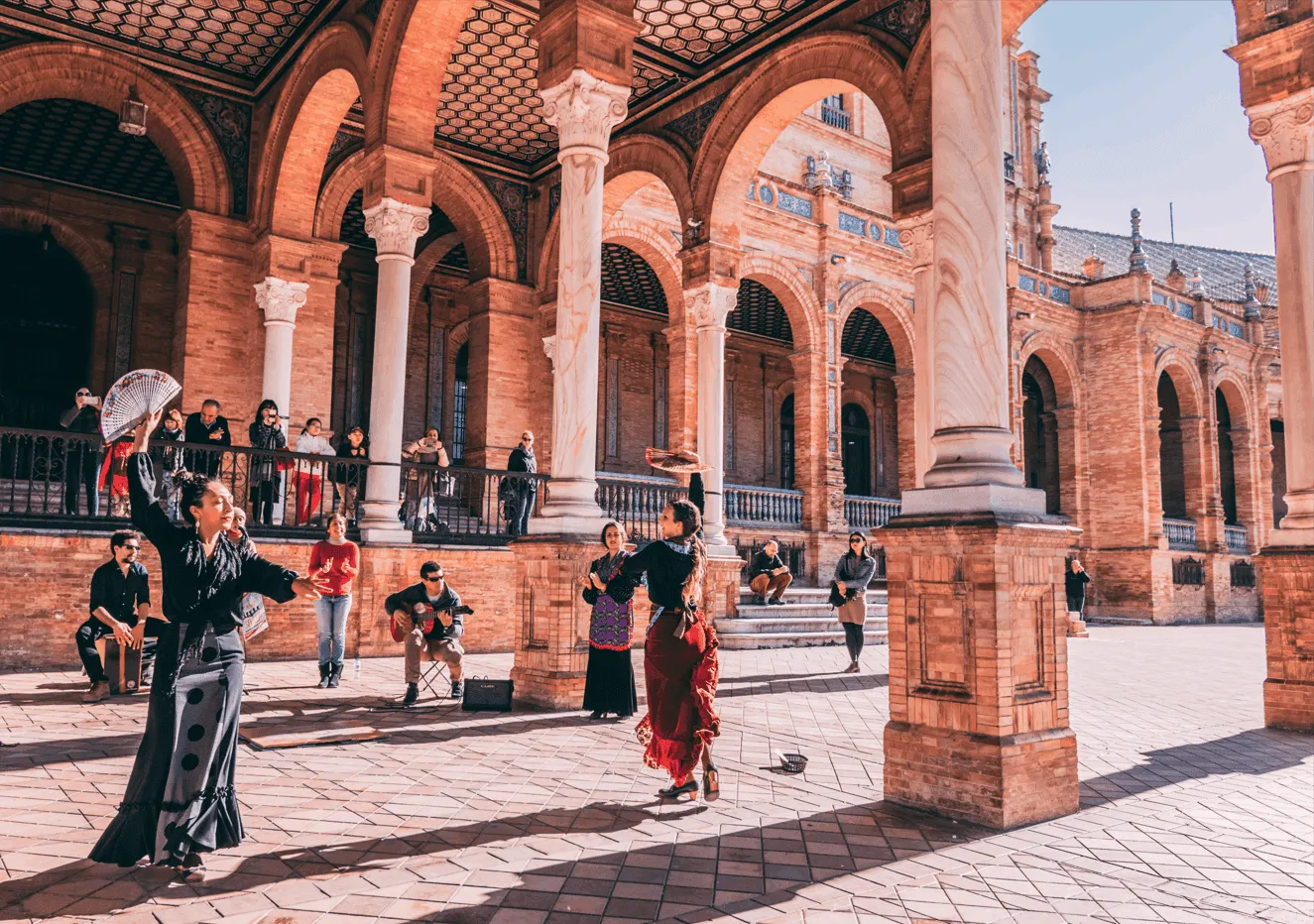
Flamenco is best understood when you see it in person, especially in smaller venues in places like Seville or Jerez, where the distance between performer and audience is minimal. The focus, the rhythm, and the pauses between movements give it a direct and sometimes intense atmosphere.

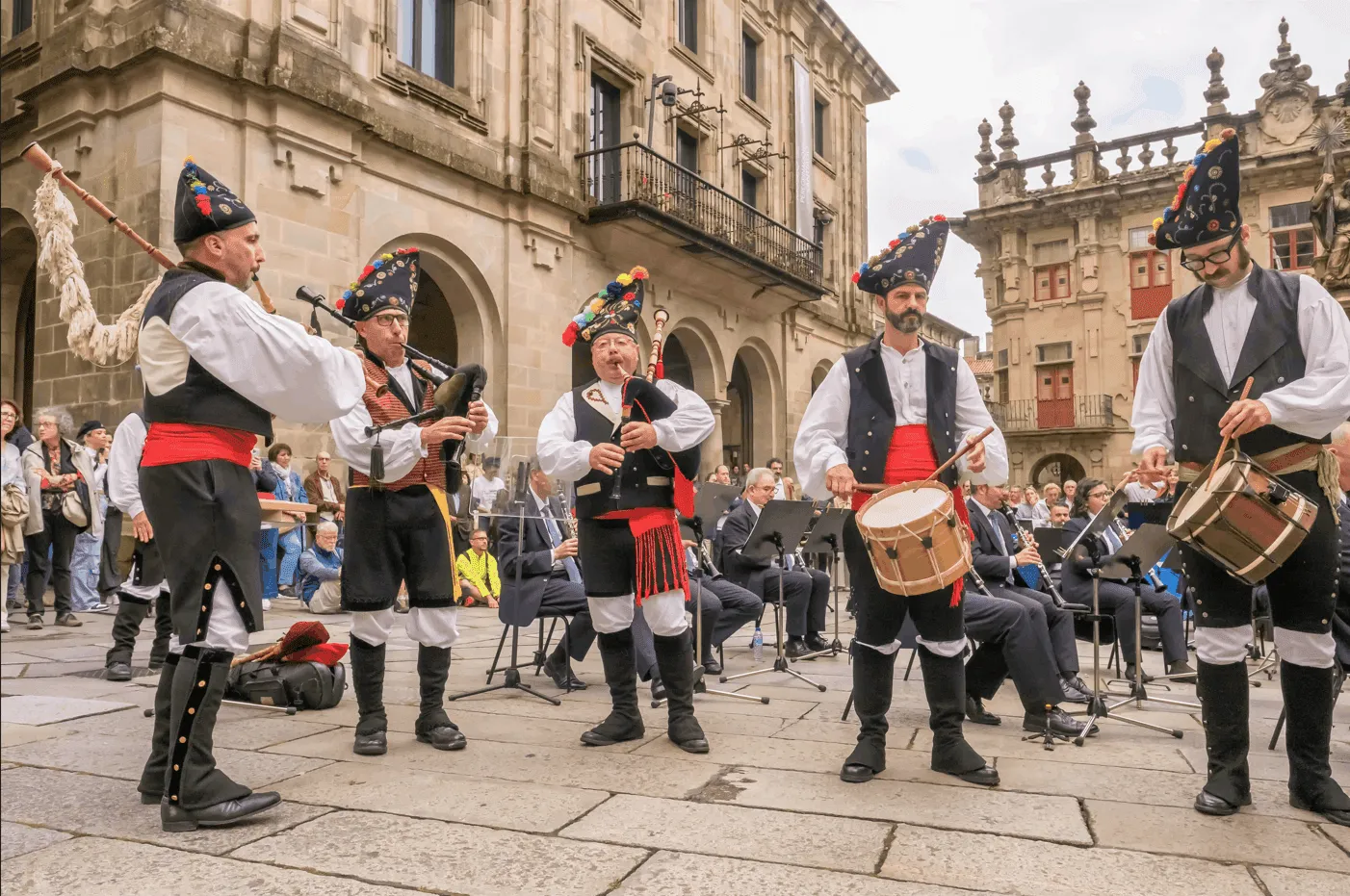
But flamenco is only one part of Spain’s musical landscape. In the north, Galicia has its own traditions with bagpipes, while the Basque Country and other regions maintain distinct forms of folk music. In many towns, especially during local festivals, music is not something you go to watch, but something that happens around you. As you move through the country, the sound changes just as much as the landscape.

Flamenco and the Music of the South

Traditional Dress and Local Celebrations

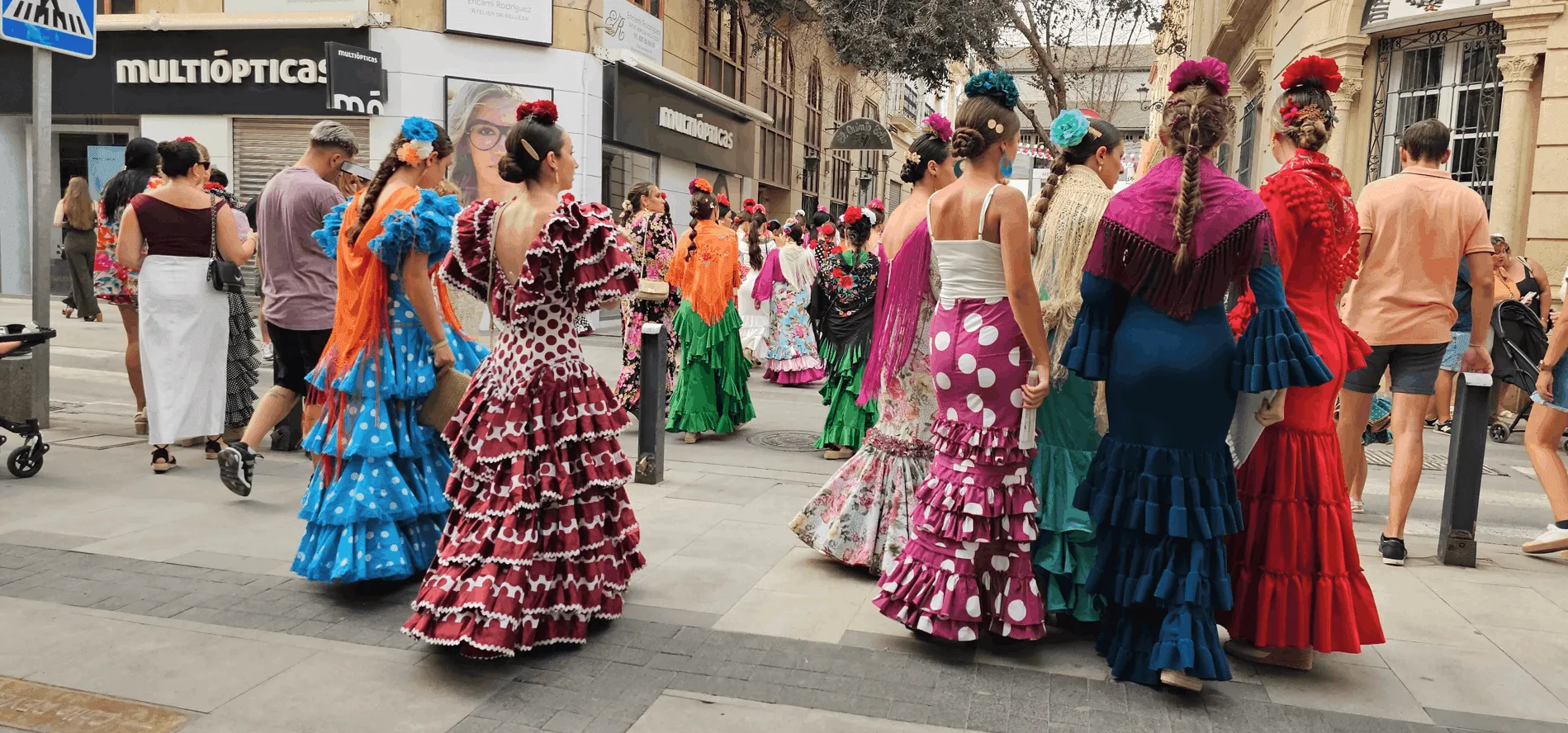
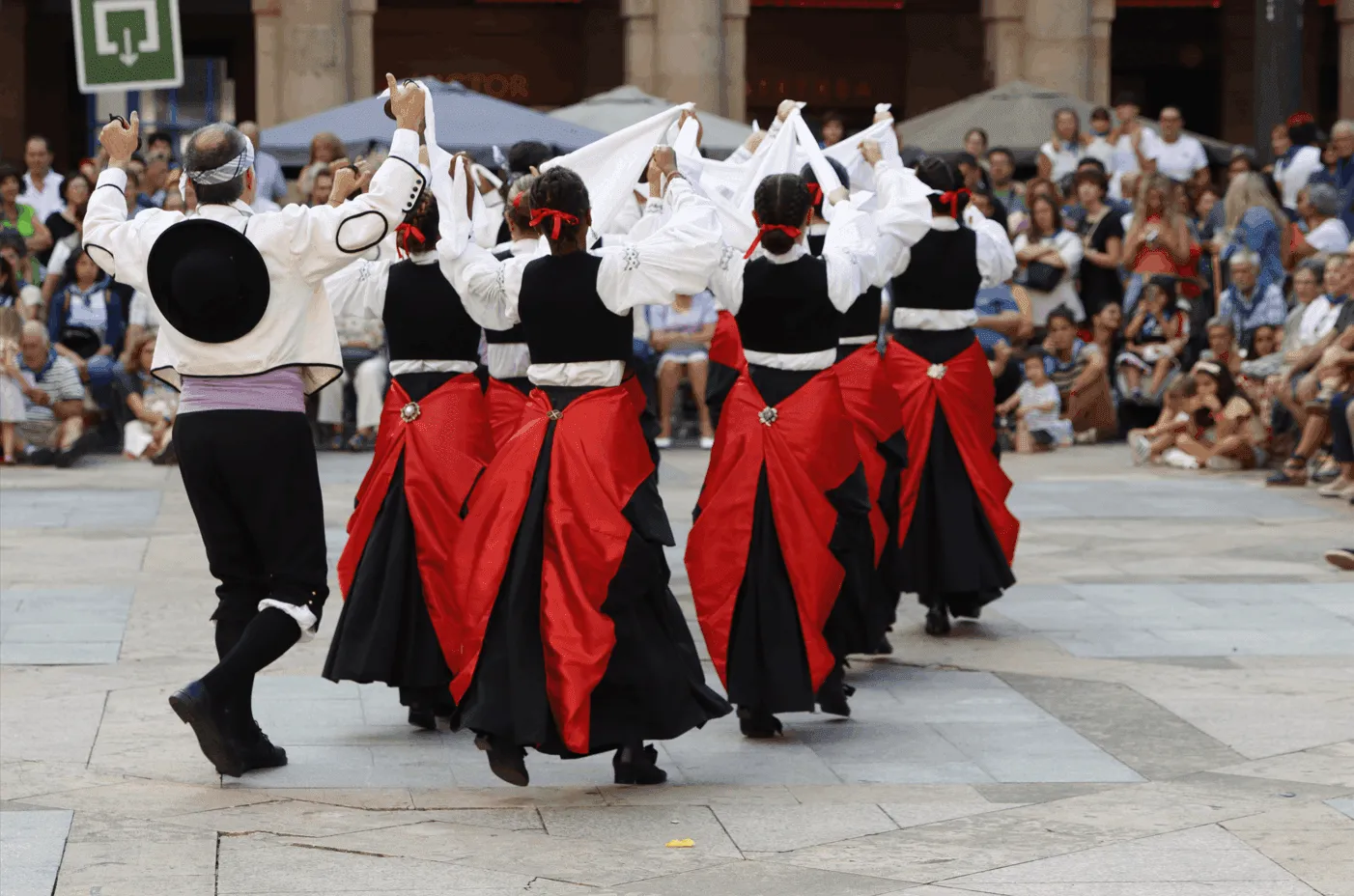
In many places, traditional clothing is mostly seen in museums. In Spain, it still appears in everyday settings, especially during local festivals, religious celebrations, and regional holidays. These are not staged events, but occasions where people wear traditional dress as part of the celebration itself.

In Andalusia, the flamenco dress is common during festivals, with its distinct shapes and colors. In Catalonia, you might come across the sardana, a circle dance where people of all ages join hands in the town square. These moments are not organized for visitors. They are part of local life, and if you happen to pass through at the right time, you simply witness them as they are.

Traditional Dress and Local Celebrations

Languages and Identity Across the Regions

Spain has one official national language, but several regional languages are widely spoken and form an important part of local identity. Catalan, Basque, Galician, and Valencian are not just variations of Spanish, but fully developed languages with their own history, literature, and daily use.

In the Basque Country, street signs often appear first in Basque. In Catalonia, Catalan is commonly used in schools, shops, and everyday conversation. As you move through these regions, the differences become noticeable not only in language, but in how people express their local identity. It adds another layer to the experience, especially when traveling on foot, where these changes are easier to observe.

Languages and Identity Across the Regions

Walking Through Spain's Living Culture

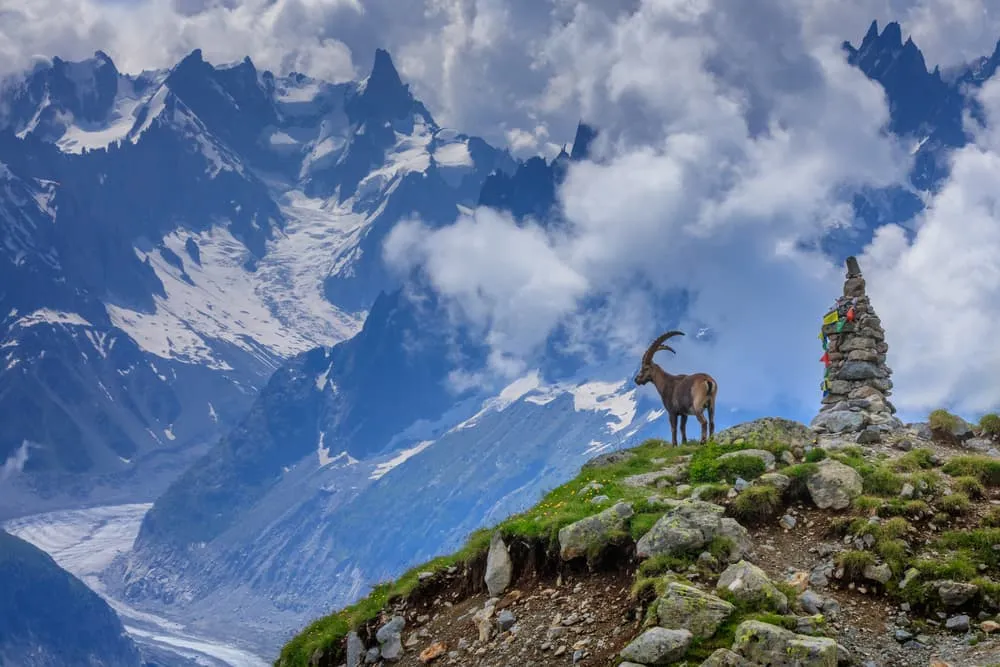
One of the most direct ways to understand Spain is on foot, moving through landscapes that shift from green mountain valleys to dry interior plains, and passing through villages where daily life continues at its own pace. Walking gives you time to notice the details that are easy to miss when moving faster.

Along the way, you eat in local places, stop in towns shaped by their history, and follow routes that have been used for generations. At Bookatrekking, we focus on trails that pass through these areas, so you experience more than just the scenery. If you want to get a better sense of how culture and landscape connect in Spain, starting on the trail makes that visible in a very practical way.

About Us

At Bookatrekking.com, you will find the trek that will make your life unforgettable. Whether you want to explore the Inca Trail or climb Kilimanjaro. Bookatrekking.com has a wide and varied range of first-class treks. No false promises are made here. Transparent prices and bookings are fixed instantly. Find, compare, book and trek!
Read more about us
About Us
About Us

Also Interesting