Wildlife and Nature in Spain: From Mountains to Mediterranean

Wildlife and Nature in Spain: From Mountains to Mediterranean
Trekking experts per destination
Free cancellation up to eight weeks in advance
Quick personal advice

Spain is a country of contrasts, where landscapes shift from green northern coastlines to dry southern plains and rugged mountain ranges. What may seem like a land of sun and beaches is in fact home to a rich and diverse natural world.

Across Spain, plants and animals have adapted to very different climates and terrains. From wildlife moving through Mediterranean scrublands to birds gathering in vast wetlands, nature here follows its own rhythm. If you want to experience this variety for yourself, hiking in Spain lets you explore these changing landscapes step by step.
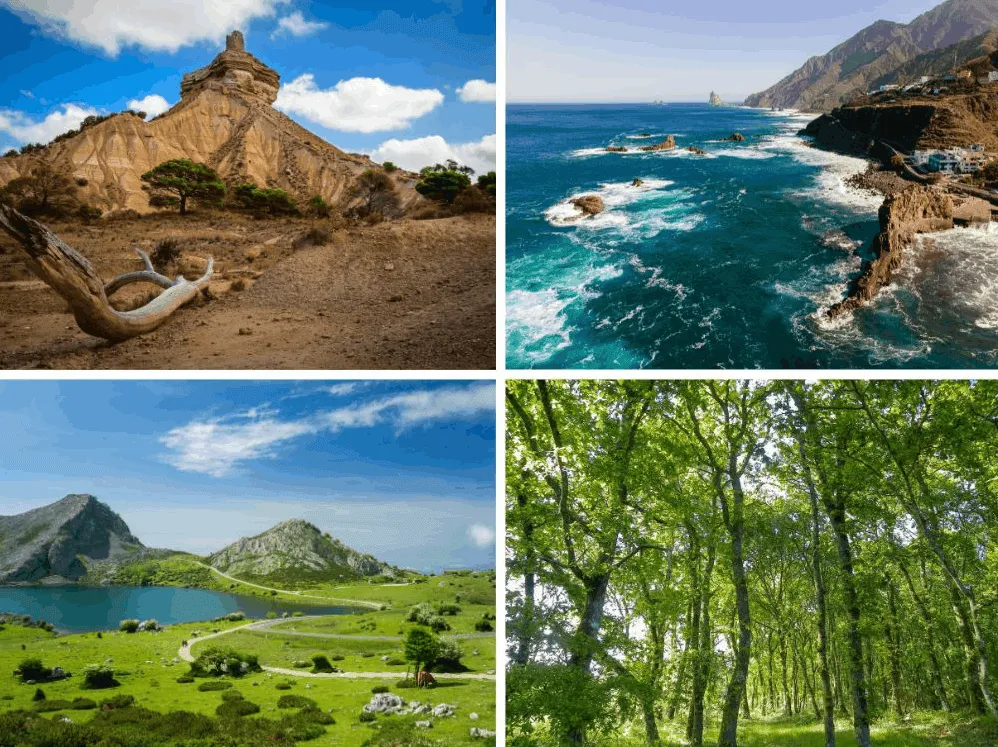
Spain’s Wild Side: A Country of Extreme Landscapes

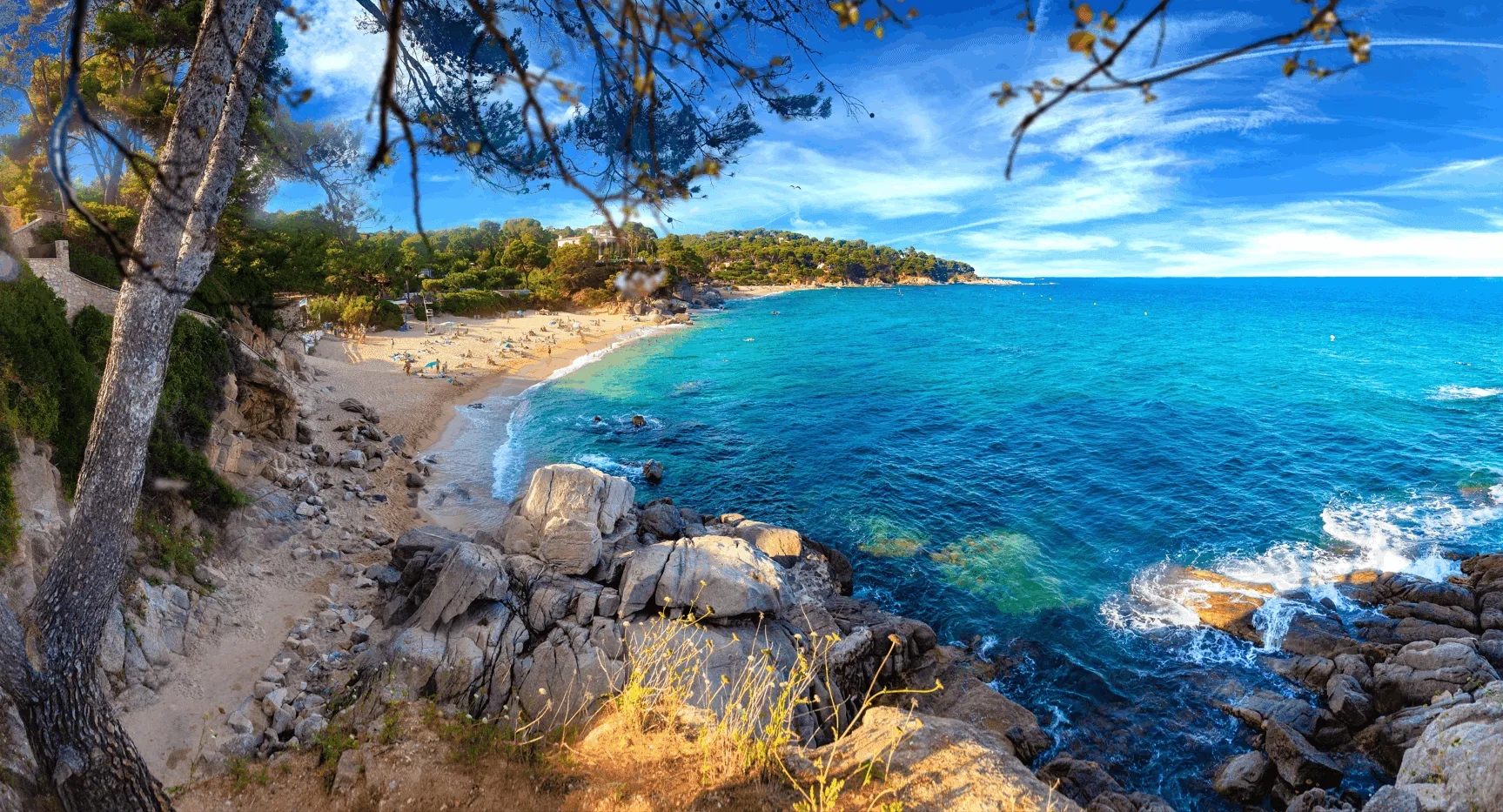
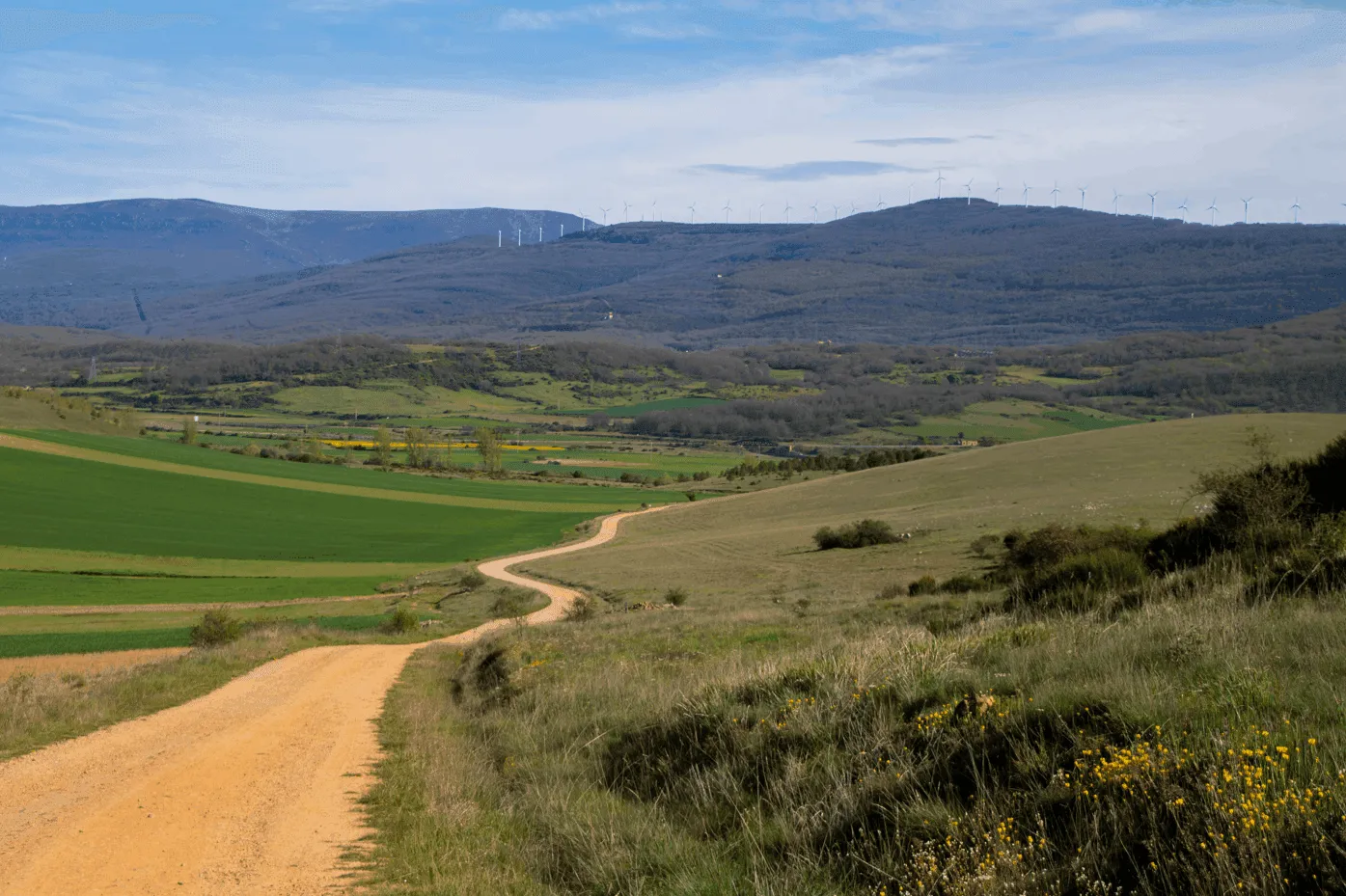
Spain is a country that keeps surprising you. In one journey, you can go from the green hills of Galicia to the dry plains of Andalusia, or from the rugged cliffs of the Costa Brava to the high peaks of the Pyrenees. These contrasts are shaped by different climates, creating a wide range of natural habitats. From forests and coastlines to mountains and semi-desert areas, each region has its own plants and animals. As you travel through Spain, it feels like stepping into different natural worlds, each with its own character.
Spain’s Wild Side: A Country of Extreme Landscapes

From Olive Groves to Scrublands: Life in Mediterranean Spain

Much of Spain is shaped by a Mediterranean climate, with hot, dry summers and mild winters. This creates landscapes of olive trees, cork oaks, and fragrant shrubs like rosemary and thyme. At first glance, these areas may seem quiet, but they are full of life. Lizards move between rocks, birds search for shade, and plants have adapted to survive with very little water. It’s a landscape that may look harsh, but it’s perfectly adapted to its conditions.
From Olive Groves to Scrublands: Life in Mediterranean Spain

The Iberian Big Three: Lynx, Wolves, and Wild Boar

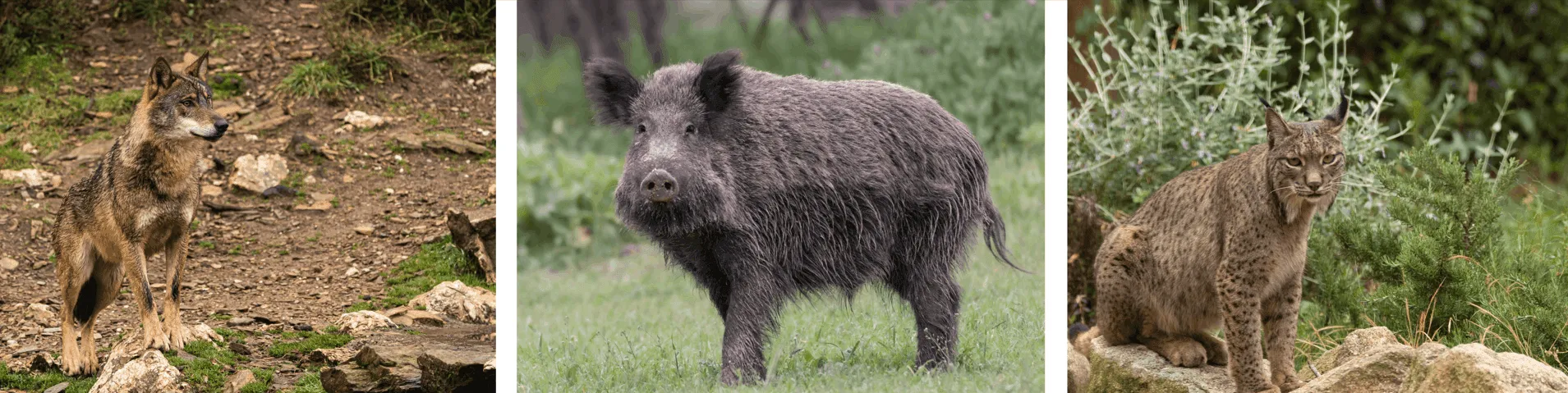
Spain is home to some of Europe’s most iconic wildlife. The Iberian lynx, once close to extinction, is now making a remarkable comeback in parts of southern Spain. Iberian wolves still roam the remote forests and mountains of the north, while wild boar can be found across much of the country. These animals are often difficult to spot, but their presence is a sign of healthy, wild ecosystems. Each plays an important role in maintaining the balance of nature.
The Iberian Big Three: Lynx, Wolves, and Wild Boar

Spain from the Sky: Flamingos, Eagles, and Migration Routes

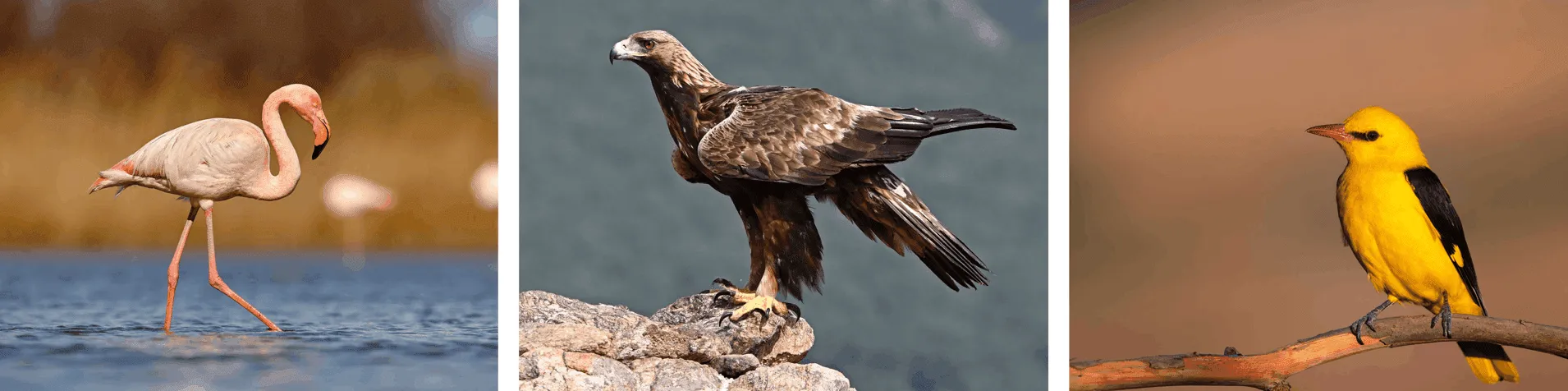
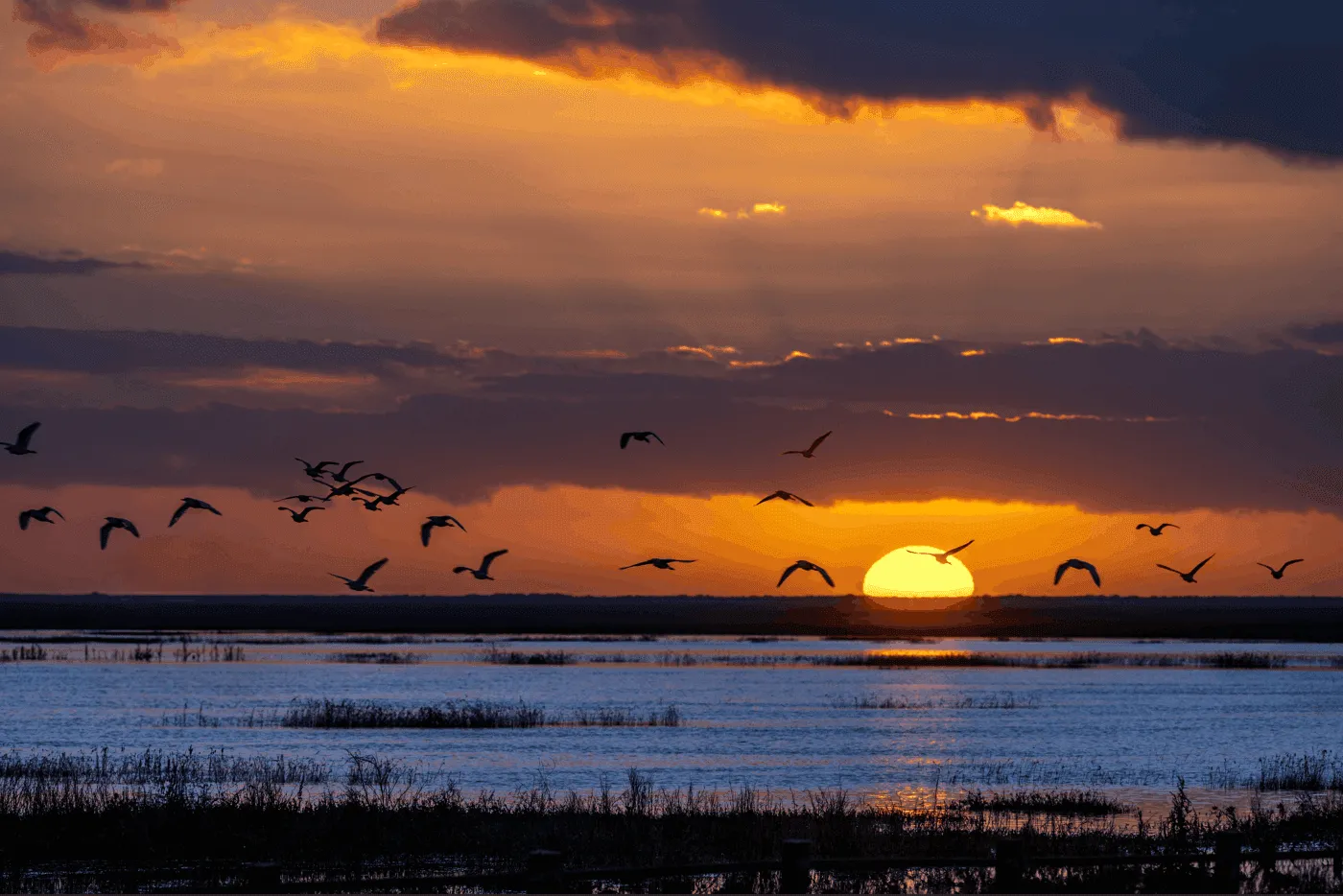
Spain is one of the best places in Europe for birdlife. Its location between Africa and Europe makes it an important stop for millions of migrating birds each year. In wetlands like Doñana, flamingos gather in large numbers, while high above mountains and cliffs, birds of prey such as golden eagles circle in the sky. Depending on where you are, you might also spot vultures, storks, or herons. For bird lovers, Spain offers something special in every season, with constantly changing species passing through or settling in its diverse landscapes.
Spain from the Sky: Flamingos, Eagles, and Migration Routes

The Dehesa: Spain’s Hidden Natural Treasure

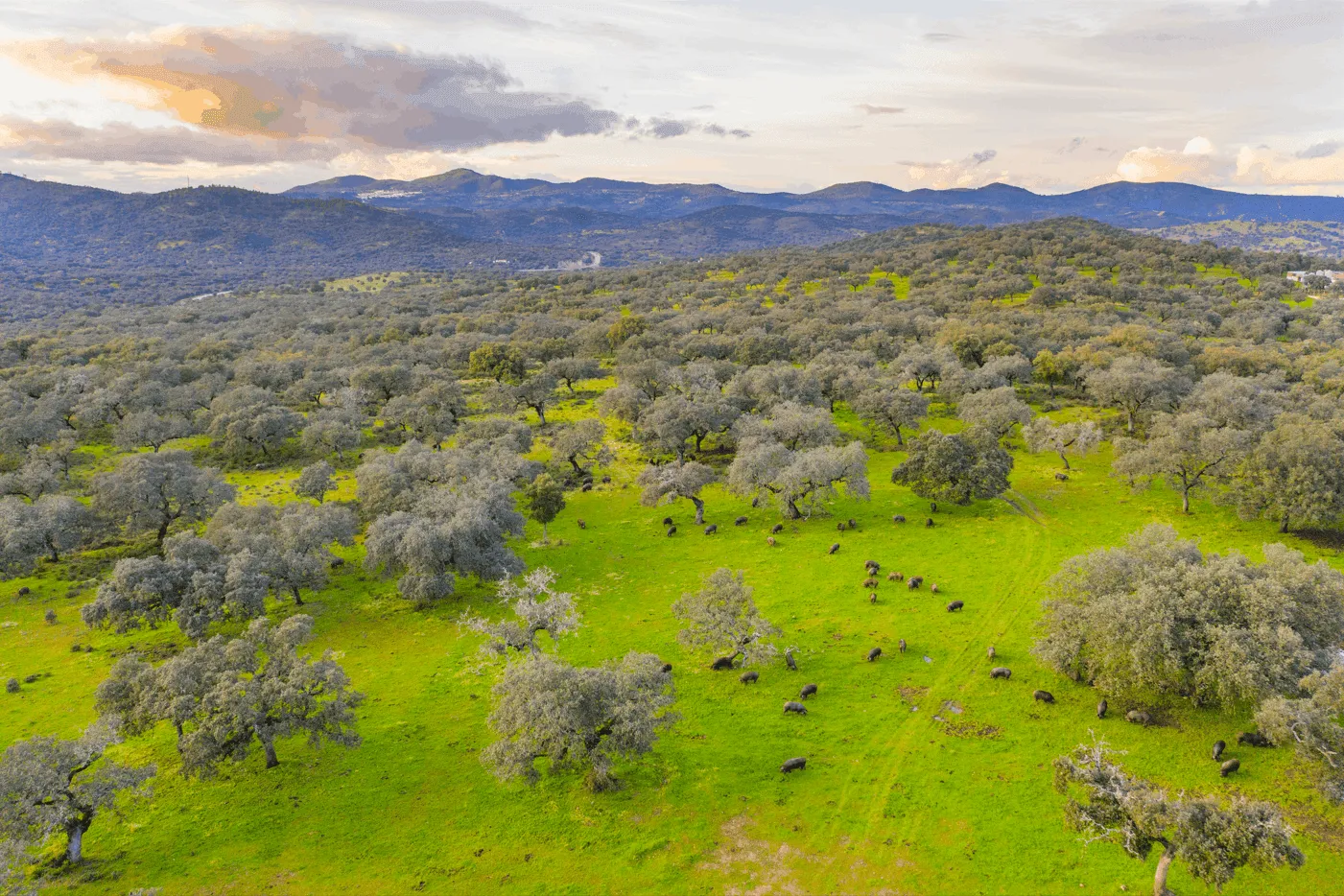
The dehesa is one of Spain’s most unique landscapes. It’s a mix of open woodland and grassland, dotted with oak trees and shaped by centuries of traditional farming and grazing. At first glance, it may look simple, but the dehesa is full of life. It provides a home for birds, insects, and mammals, and is an important habitat for species like the Iberian lynx. This balance between nature and human activity makes the dehesa a special example of how people and wildlife can coexist.
The Dehesa: Spain’s Hidden Natural Treasure

From Pyrenees to Sierra Nevada: Life in the High Mountains

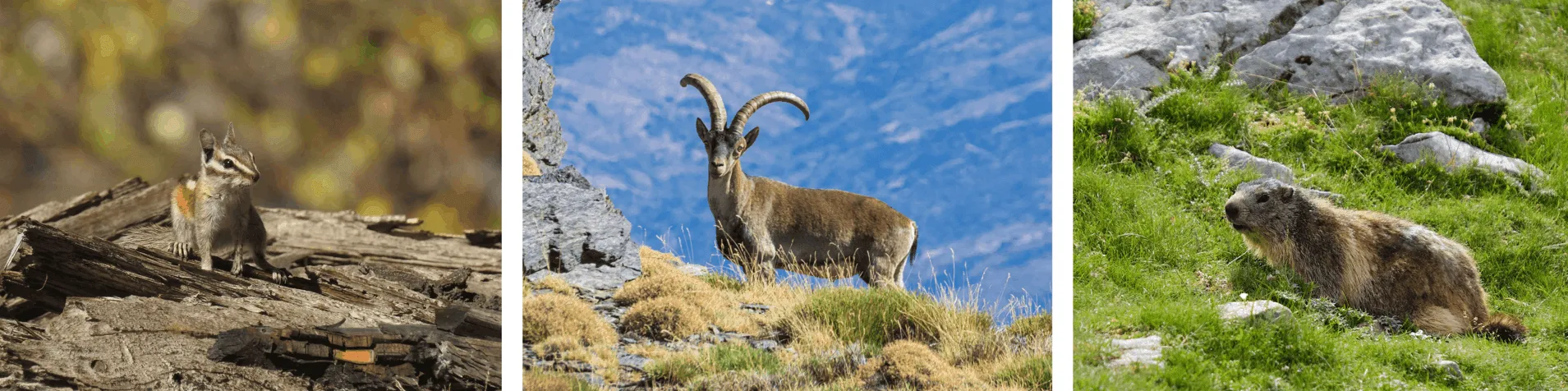
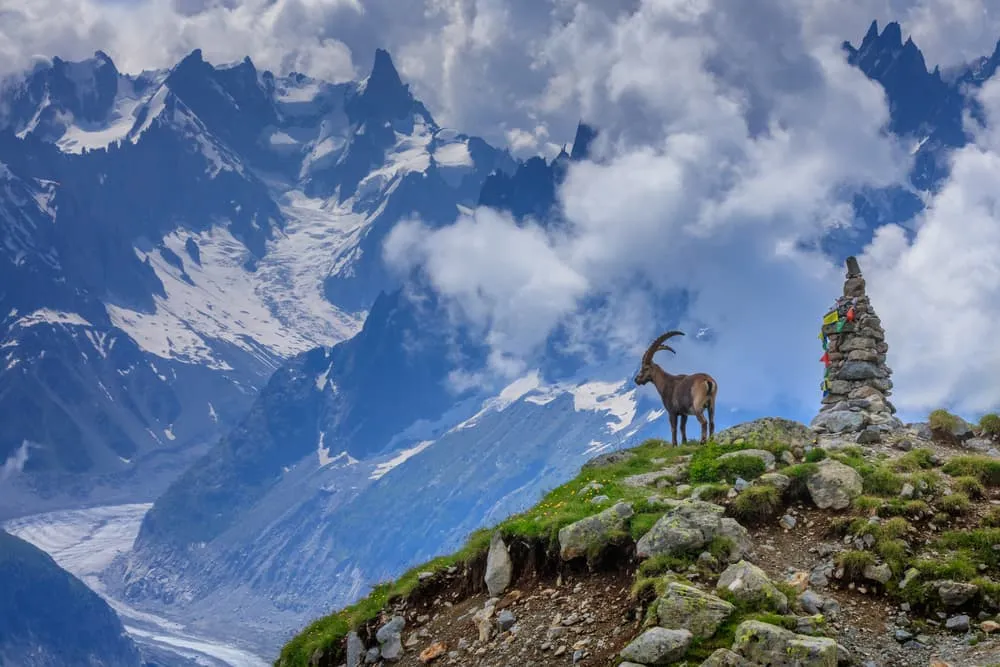
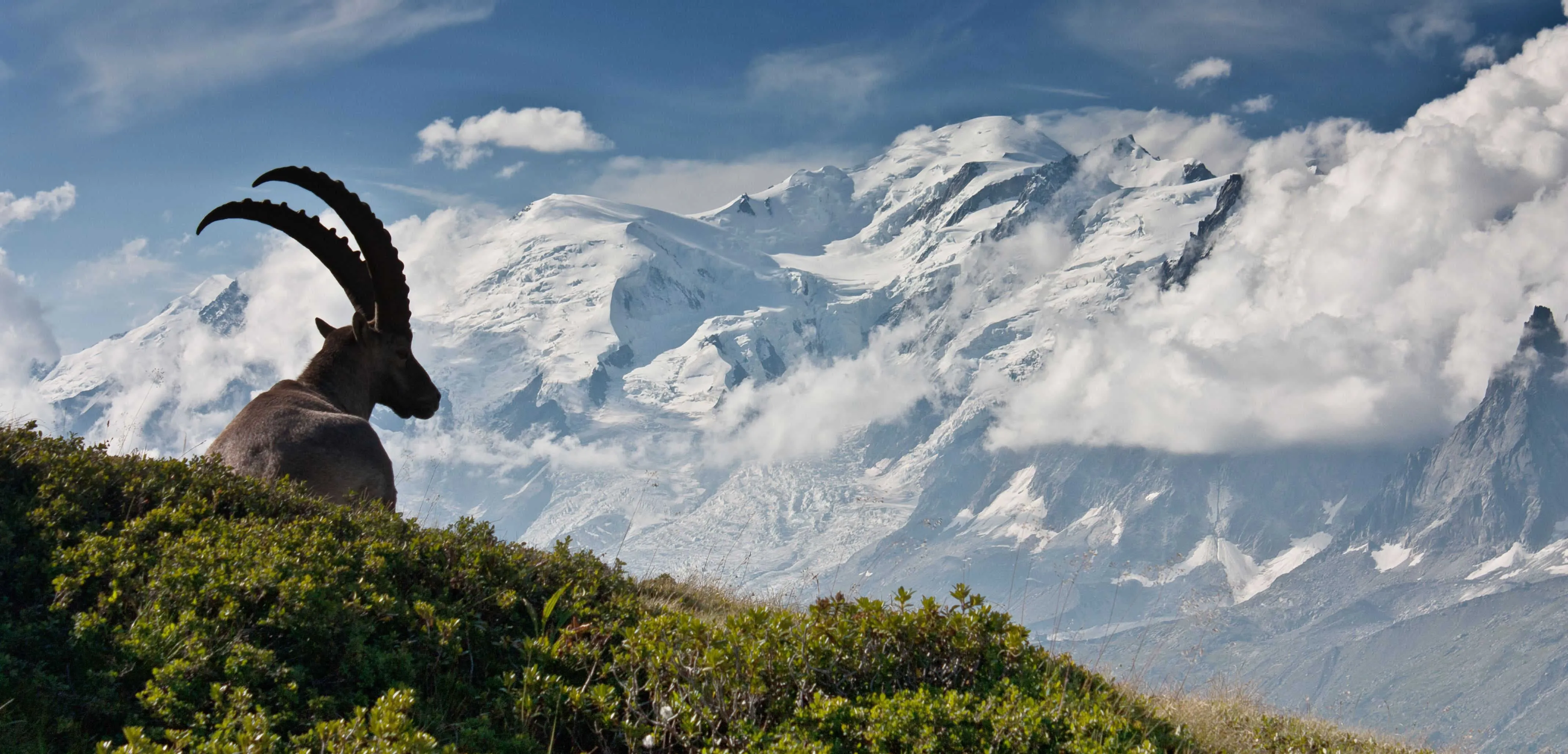
Spain’s mountains offer a completely different side of nature. In the Pyrenees and the Sierra Nevada, temperatures are cooler and the landscape becomes more rugged, with rocky slopes and high peaks. These areas are home to animals adapted to life at high altitude, such as ibex and birds of prey, as well as plants that can survive strong winds and colder conditions. It’s a harsher environment, but one where nature is perfectly adapted to life above the lowlands.
From Pyrenees to Sierra Nevada: Life in the High Mountains

Green Spain: Forests, Cliffs, and Atlantic Wildlife

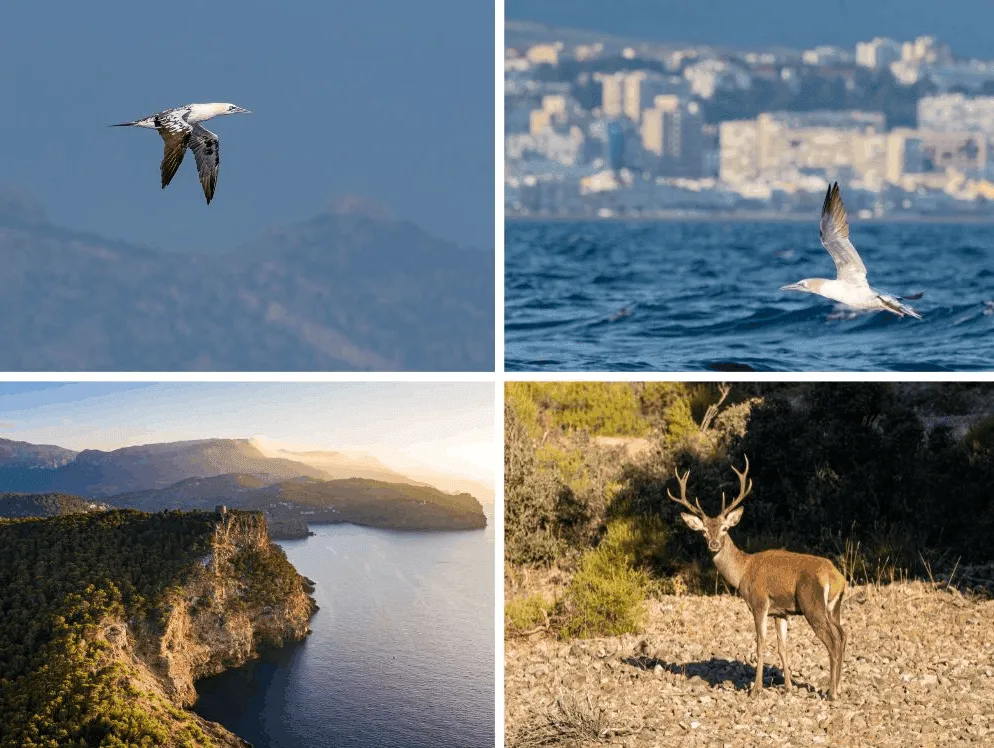
Northern Spain feels completely different from the rest of the country. Here, the Atlantic climate brings more rain, creating green hills, dense forests, and dramatic coastal cliffs. This landscape is home to a rich variety of wildlife, from deer and wild boar in the forests to seabirds along the coast. Rivers and valleys add even more life to the region. It’s a cooler, quieter side of Spain, where nature feels lush, wild, and full of movement.
Green Spain: Forests, Cliffs, and Atlantic Wildlife

Europe’s Only Desert? Life in Almería’s Drylands

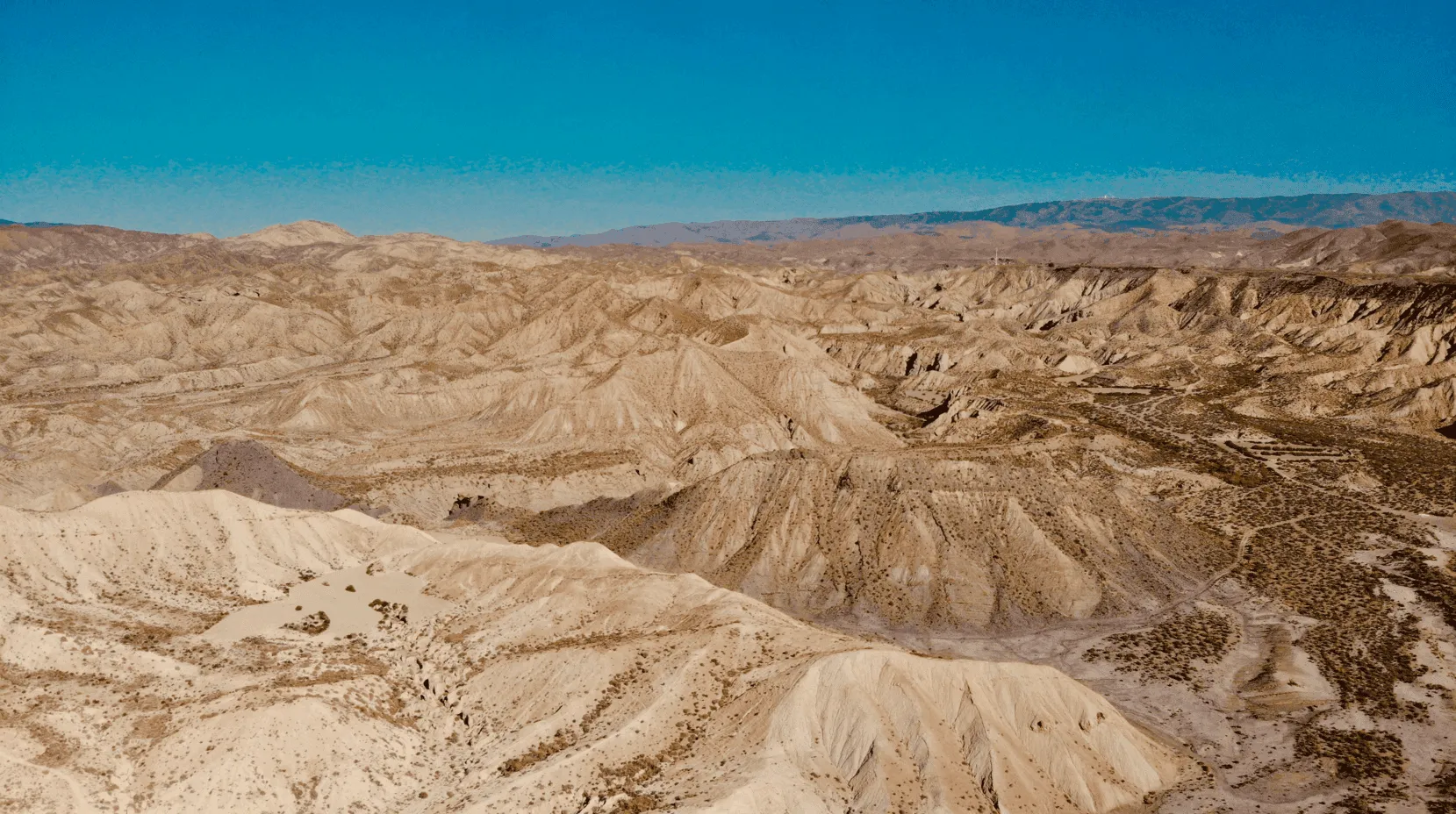
In the southeast of Spain, the landscape becomes dry and almost desert-like. Around Almería, rainfall is scarce, and the terrain is shaped by sun, wind, and erosion. It may look empty at first, but life here has adapted in clever ways. Small plants store water, and animals stay hidden during the heat of the day, becoming active in cooler hours. It’s one of the most unexpected landscapes in Europe, showing just how diverse Spain’s nature can be.
Europe’s Only Desert? Life in Almería’s Drylands

When Spain Turns Colorful: Wildflowers and Seasonal Blooms

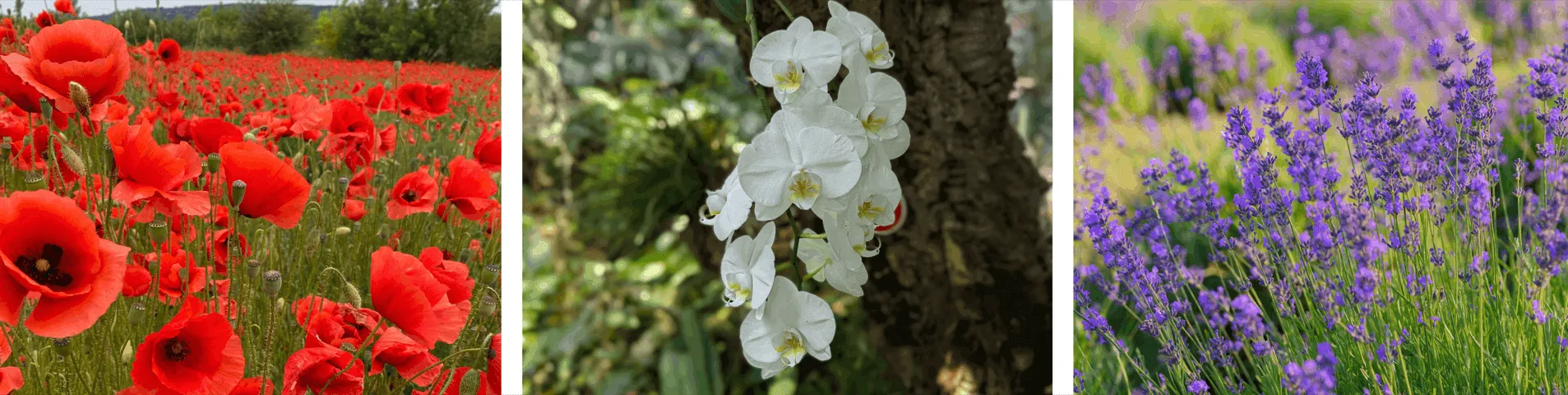
In spring, many parts of Spain come to life with color. Fields and hills are covered with wildflowers like bright red poppies, purple lavender, and delicate orchids. This short season transforms the landscape, attracting insects, birds, and other wildlife. It’s one of the best times to experience Spain’s nature at its most vibrant. For a few weeks each year, the country feels completely different, full of color, movement, and new life.
When Spain Turns Colorful: Wildflowers and Seasonal Blooms

Spain’s Wildest Places: National Parks You Should Know

Spain is home to a wide range of national parks, each protecting a different type of landscape. In Doñana National Park, wetlands attract flamingos and countless migratory birds, while Picos de Europa offers dramatic mountains, deep valleys, and rich wildlife. Other parks, like Sierra Nevada, protect high-altitude ecosystems with unique plants and animals found nowhere else. Each park gives you a different view of Spain’s natural diversity. Together, they show just how varied and protected Spain’s wild places are.
Spain’s Wildest Places: National Parks You Should Know

How to Experience Wildlife in Spain (Without Disturbing It)

Experiencing wildlife in Spain is special, but it’s important to do it with care. Many animals are shy, so staying quiet and keeping your distance often gives you a better chance of spotting them. Whether you’re in the mountains, forests, or wetlands, respecting nature not only protects wildlife, but also makes your experience more rewarding.

About Us

At Bookatrekking.com, you will find the trek that will make your life unforgettable. Whether you want to explore the Inca Trail or climb Kilimanjaro. Bookatrekking.com has a wide and varied range of first-class treks. No false promises are made here. Transparent prices and bookings are fixed instantly. Find, compare, book and trek!
Read more about us
About Us
About Us

Also Interesting