Flora and Fauna in the Dolomites

Flora and Fauna in the Dolomites
Trekking experts per destination
Free cancellation up to eight weeks in advance
Quick personal advice

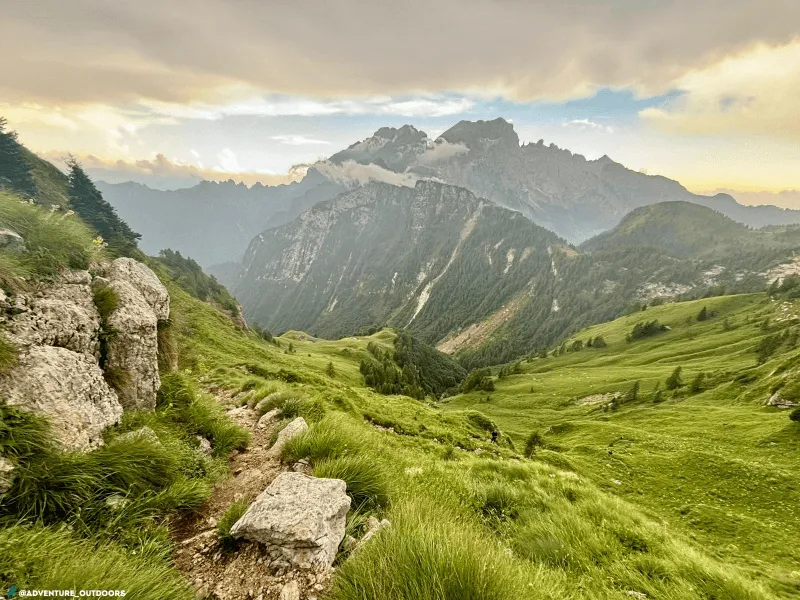
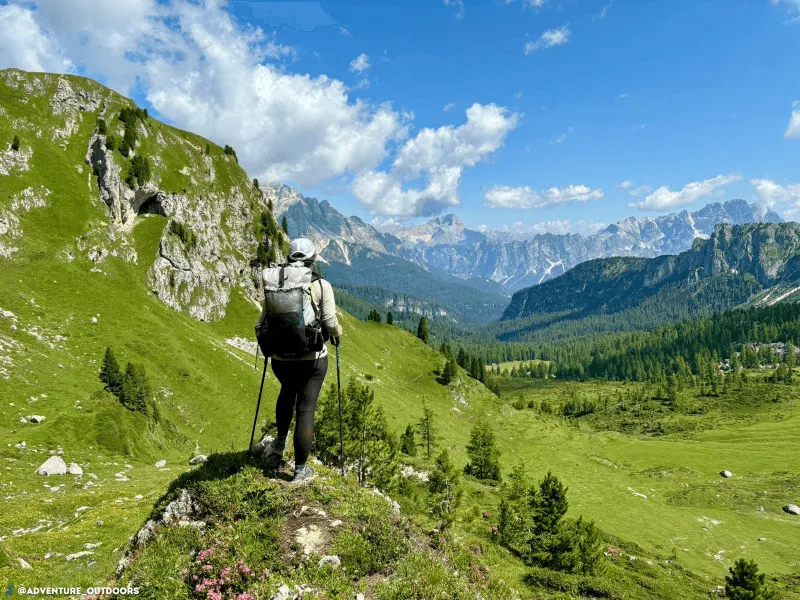
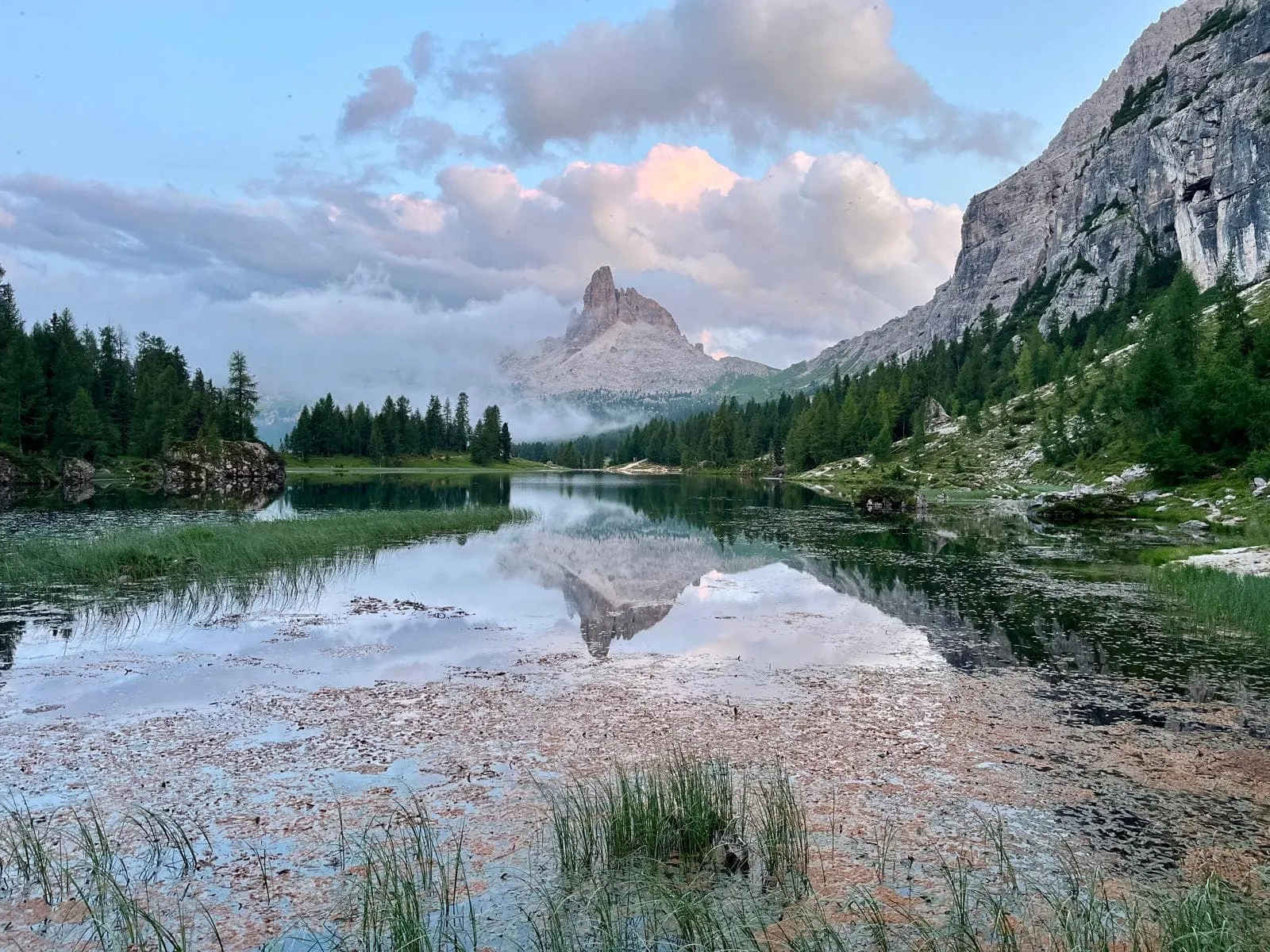
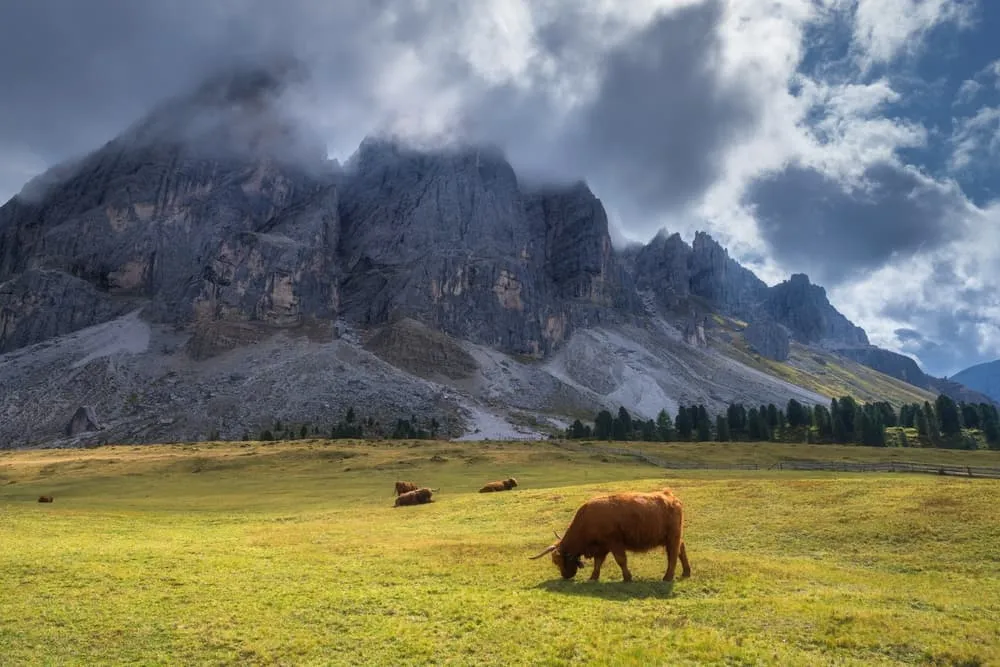
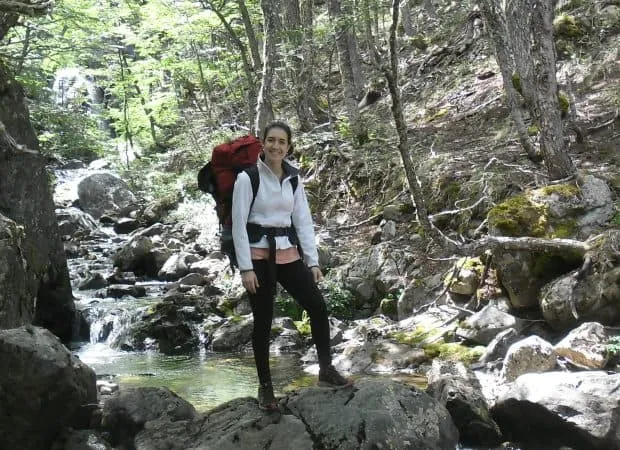
A hut-to-hut trek in the Dolomites is more than just stunning rock formations and epic panoramas; it’s also a journey through one of Europe’s richest natural habitats.

As you hike from rifugio to rifugio, you’ll be walking among unique alpine flowers, breathing in the scent of mountain pines, and maybe even catching sight of some of the Dolomites’ shy but fascinating wildlife.

 12577
12577

Alpine Flora: Colorful Carpets and Delicate Blooms

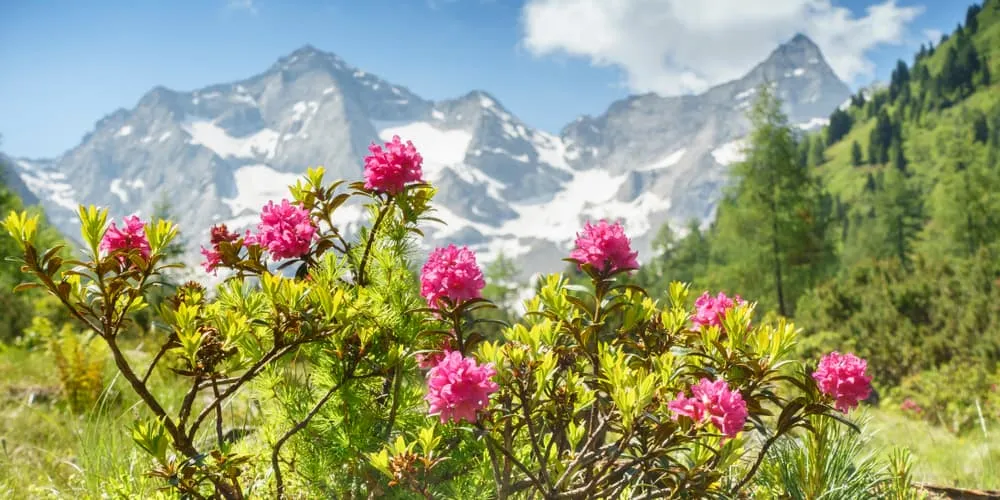
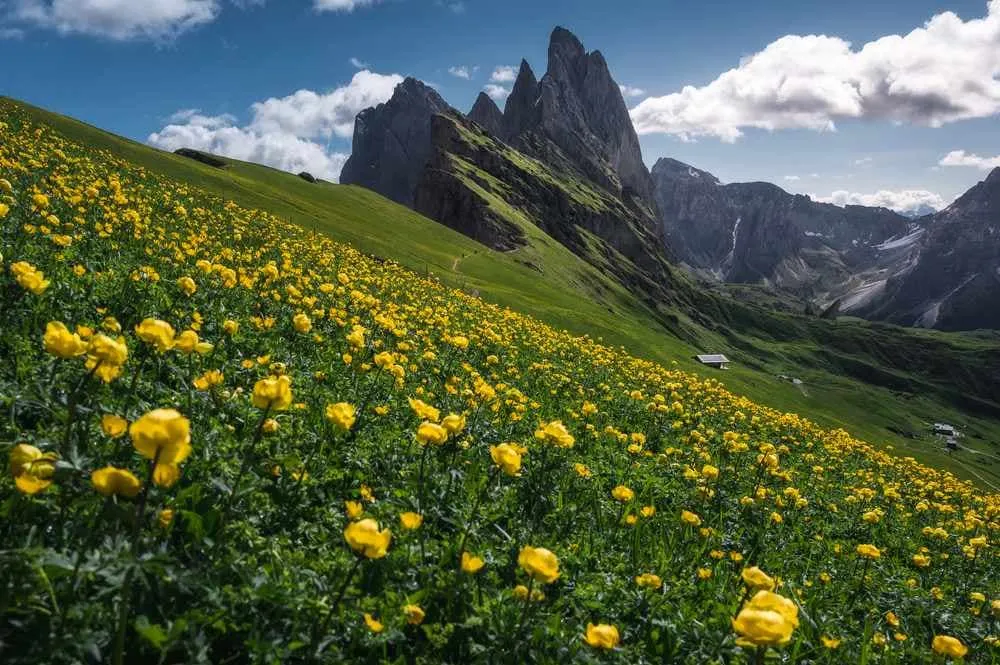
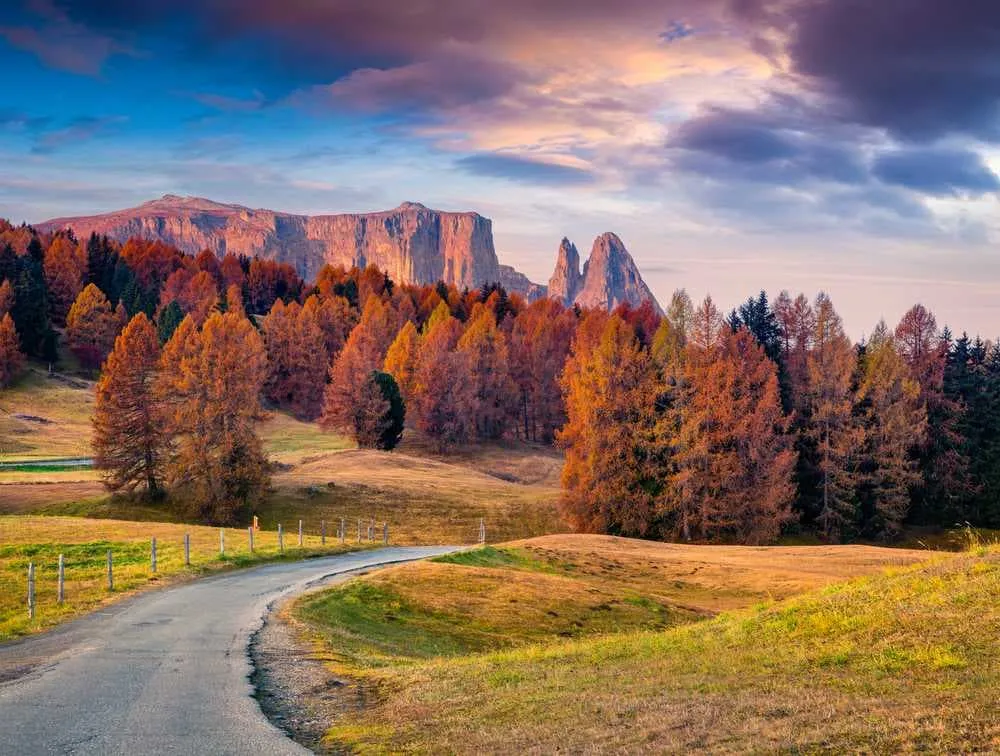
From late spring to early autumn, the meadows and slopes of the Dolomites transform into a painter’s palette. Edelweiss, the iconic star-shaped flower, can be spotted in rocky, high-altitude areas. Gentians add bursts of deep blue, while alpine roses bring a soft pink glow to the trailsides. In lower valleys, larch and spruce forests offer shade, their needles releasing a fresh, resinous scent as you pass.

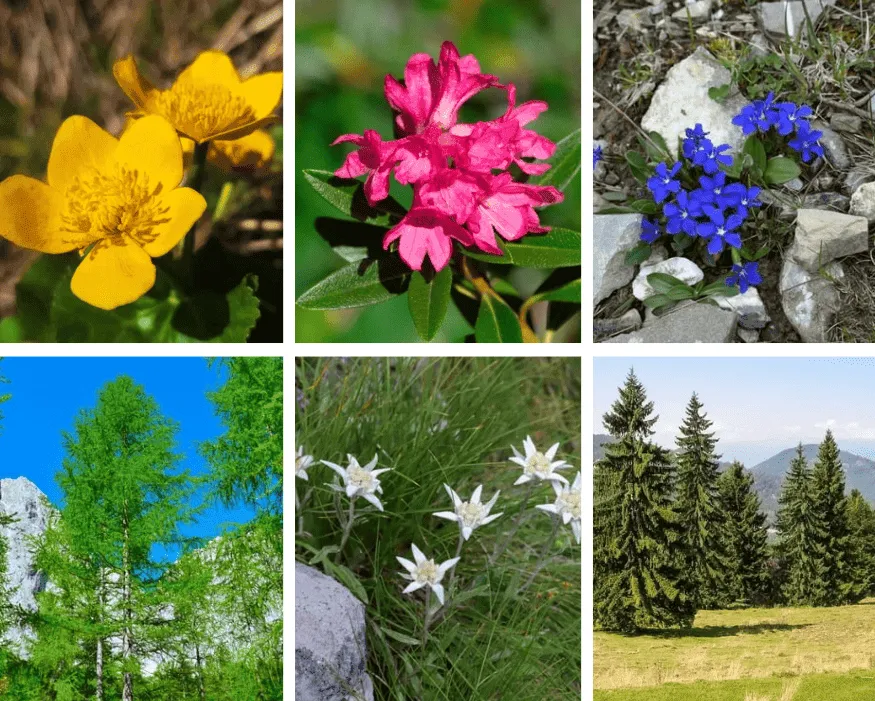
Trail Spotting Checklist – Common Alpine Plants

  • Globe flower (Trollius europaeus) – bright yellow blooms in damp meadows
  • Alpine rose (Rhododendron ferrugineum) – pink blooms in early summer
  • Spring gentian (Gentiana verna) – small, vivid blue flowers
  • Larch (Larix decidua) – turns golden in autumn
  • Norway spruce (Picea abies) – tall evergreen of the valleys
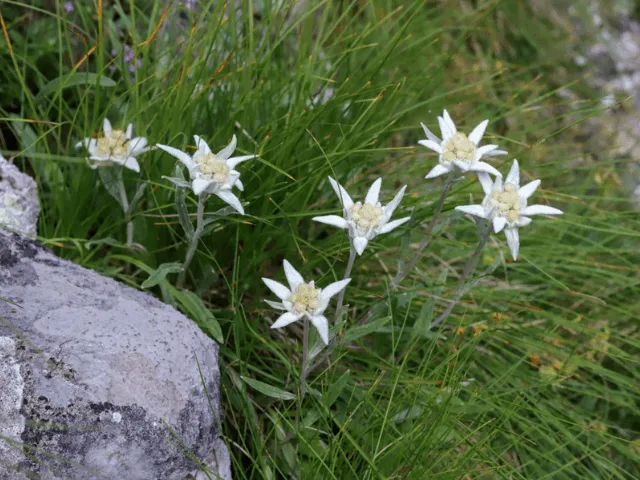
  • Edelweiss (Leontopodium nivale) – the iconic white star of the Alps

Have you seen them on the trails?

Have you seen them on the trails?
In early summer, snowmelt feeds alpine streams and brings out the first blooms. Mid-summer is peak flower season, while autumn turns the larches golden and offers crisp, clear trekking days. Each season has its own soundtrack, from buzzing bees among wildflowers to the quiet crunch of frost underfoot.

Edelweiss: A Symbol of Courage and Love

The edelweiss isn’t just a pretty flower; it is the true star of the Dolomites. With its striking, star-shaped petals and its rare appearance high up on rocky slopes, this little bloom has captured hearts for centuries. Growing in places where few other plants dare to survive, it has come to stand for purity, resilience, and the fragile balance of alpine life. It is also a symbol of courage: in the past, young men would risk climbing steep, dangerous cliffs just to pick a single edelweiss as a token of bravery and love. No wonder it became a cherished emblem in local traditions, a reminder to every trekker of both the delicate beauty and the enduring spirit of these mountains.
Edelweiss: A Symbol of Courage and Love

Wildlife Encounters: From Marmots to Golden Eagles

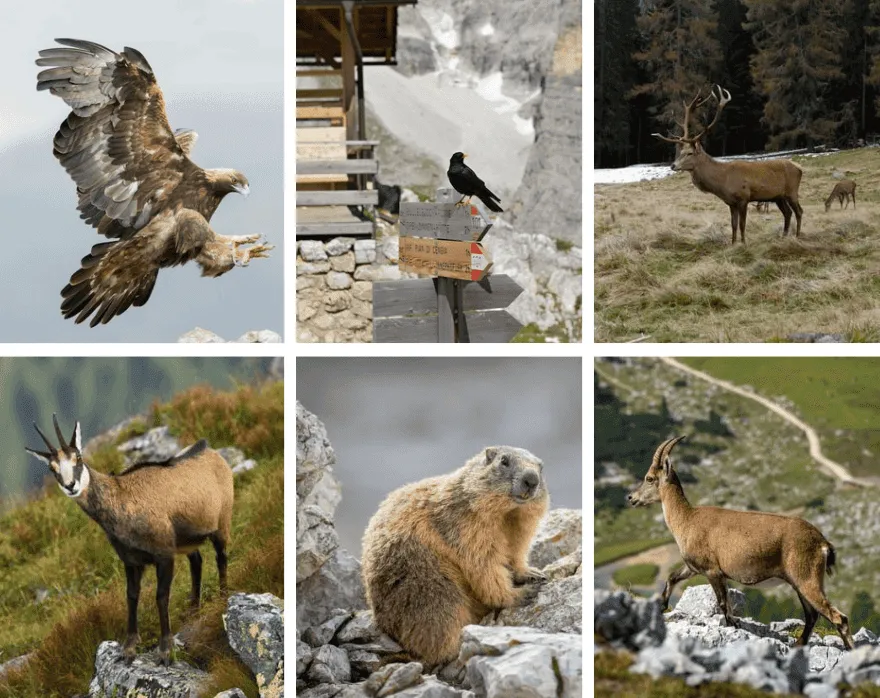
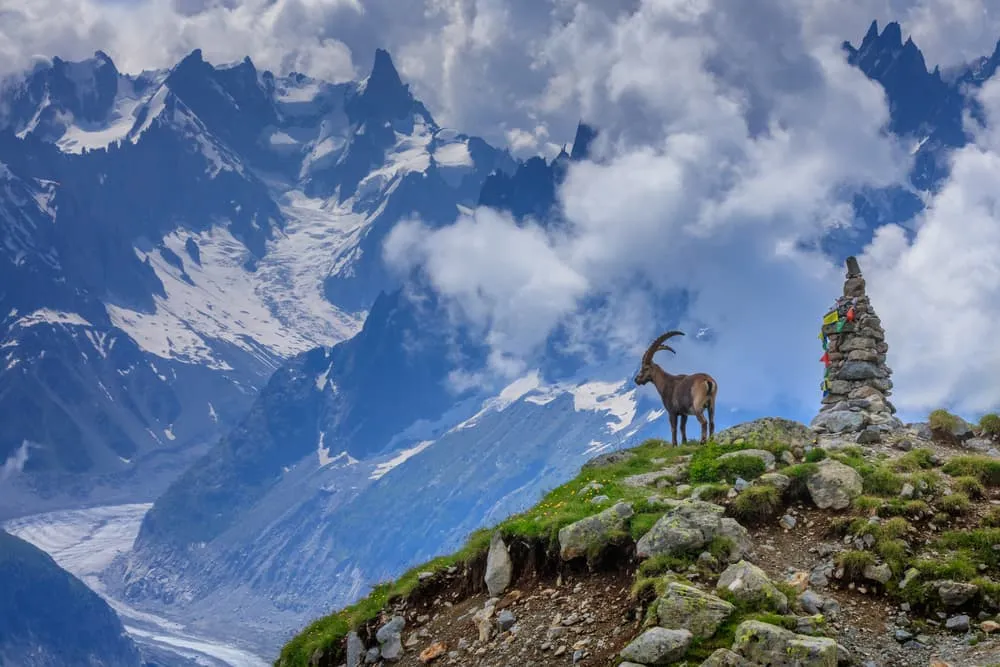
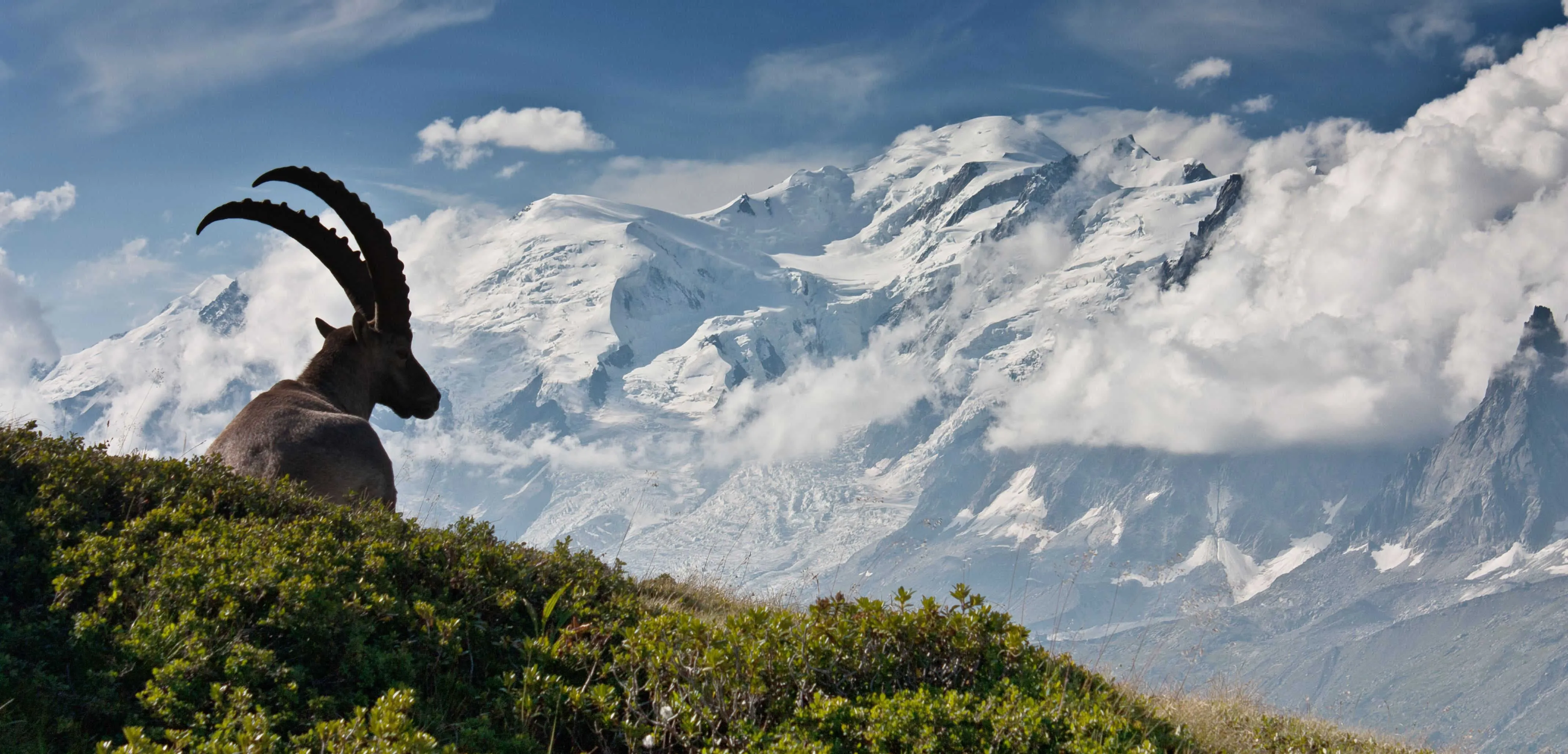
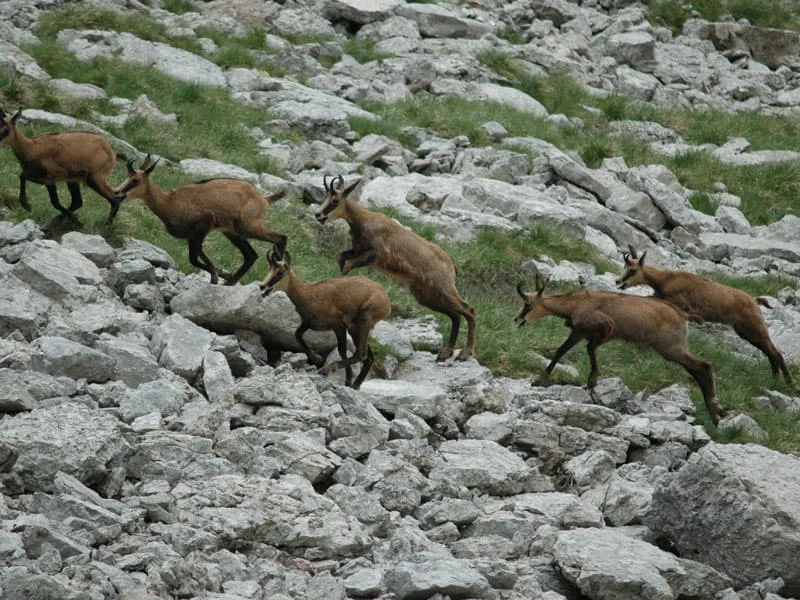
If you’re lucky, you might hear the whistle of a marmot before you see it dart into its burrow. Chamois and ibex, with their agile, sure-footed movements, can sometimes be spotted on steep slopes. Look to the skies and you may see a golden eagle circling high above, scanning the valleys for prey. Smaller, but equally charming, alpine choughs often follow hikers, hoping for a snack (though feeding wildlife is discouraged).
Wildlife Encounters: From Marmots to Golden Eagles

Trail Spotting Checklist – Common Alpine Animals

  • Golden eagle (Aquila chrysaetos) – soaring predator of the skies
  • Alpine chough (Pyrrhocorax graculus) – black bird with a yellow bill
  • Red deer (Cervus elaphus) – forest-dwelling giant of the Dolomites
  • Chamois (Rupicapra rupicapra) – agile, goat-like climber
  • Alpine ibex (Capra ibex) – majestic horns and cliffside grace
  • Marmot (Marmota marmota) – whistling, furry mountain resident

These might be a little harder to spot. Have you had any luck finding them?

These might be a little harder to spot. Have you had any luck finding them?

A Living Landscape

The Dolomites are part of a UNESCO World Heritage site, home to fragile ecosystems and centuries of mountain traditions. Preserving this balance means every trekker plays a role in protecting what makes these mountains so special.

How to Respect the Flora

  • ✓ Avoid trampling

  • ✓ Stay on marked trails

  • ✓ Look, don’t pick

How to Respect the Fauna

  • ✓ Keep a safe distance

  • ✓ Stay quiet

  • ✓ Do not feed animals

  • ✓ Respect seasonal restrictions

Comments

About Us

At Bookatrekking.com, you will find the trek that will make your life unforgettable. Whether you want to explore the Inca Trail or climb Kilimanjaro. Bookatrekking.com has a wide and varied range of first-class treks. No false promises are made here. Transparent prices and bookings are fixed instantly. Find, compare, book and trek!
Read more about us
About Us
About Us

Also Interesting