Flavors of the Dolomites: What to Eat and Drink While Hiking in Italy

Flavors of the Dolomites: What to Eat and Drink While Hiking in Italy
Trekking experts per destination
Free cancellation up to eight weeks in advance
Quick personal advice

A hut-to-hut trek in the Dolomites is not only a feast for the eyes, but also a chance to taste one of Italy’s most distinctive mountain cuisines. In this region, Italian cooking meets Tyrolean tradition, shaped by alpine life, long winters, and generations of farming in high valleys. The result is a food culture built around hearty, practical dishes made from simple ingredients like bread, cheese, cured meats, and seasonal fruit, often served warm and filling after a long day on the trail.

Whether you stop at a rifugio for lunch or settle in for dinner after a summit hike, the Dolomites offer comforting classics with a story behind them. From speck and canederli to sweet apple strudel, many recipes reflect the blend of cultures that defines South Tyrol and Trentino. Add a glass of vin brulé or a small grappa to finish, and you’ll quickly see why eating here feels like part of the trekking experience, not just something you do in between hikes.
Alta Via 1 12600
Alta Via 1 12600

Food shaped by alpine agriculture

The mountain cuisine of the Dolomites is deeply rooted in alpine agriculture and the realities of life at altitude. For centuries, farming in these valleys meant working with short growing seasons, long winters, and steep terrain. Crops that required mild climates or long summers were difficult to grow, so communities relied heavily on livestock, hardy grains, and foods that could be stored for months.

Cattle farming became central to daily life, with cows grazing on high alpine pastures during the summer months and returning to the valleys before winter. Fresh milk was quickly transformed into butter and long-keeping cheeses, while bread, potatoes, and barley formed the backbone of everyday meals. The result is a cuisine designed to be nourishing, warming, and filling, perfectly suited to physical labor and cold mountain weather.

Preservation and survival in the mountains

Because winter often meant isolation, food preservation was essential. Smoking, drying, curing, and fermenting allowed families to store food safely until spring. Meat was processed in autumn, bread was baked in large batches and dried rather than discarded, and vegetables were preserved to stretch supplies through the colder months.

This need for resourcefulness still defines many Dolomite dishes today. Bread-based dumplings, cured meats, and slow-cooked stews are not just traditional recipes, but reflections of a culture shaped by careful planning and respect for available ingredients. Even iconic products like speck combine different preservation techniques, lightly smoked like northern alpine meats but air-dried in the style of southern Europe.

Preservation and survival in the mountains

Hearty Dishes for Mountain Appetites

If there is one thing you’ll notice quickly in the Dolomites, it’s that the food is made to keep you going. These are dishes shaped by mountain life: ingredients that were easy to store, recipes that could feed a family (or a hut full of hikers), and warm, filling plates that taste even better after a long day outside. Here are a few classics you’ll see again and again on menus in villages and rifugi.


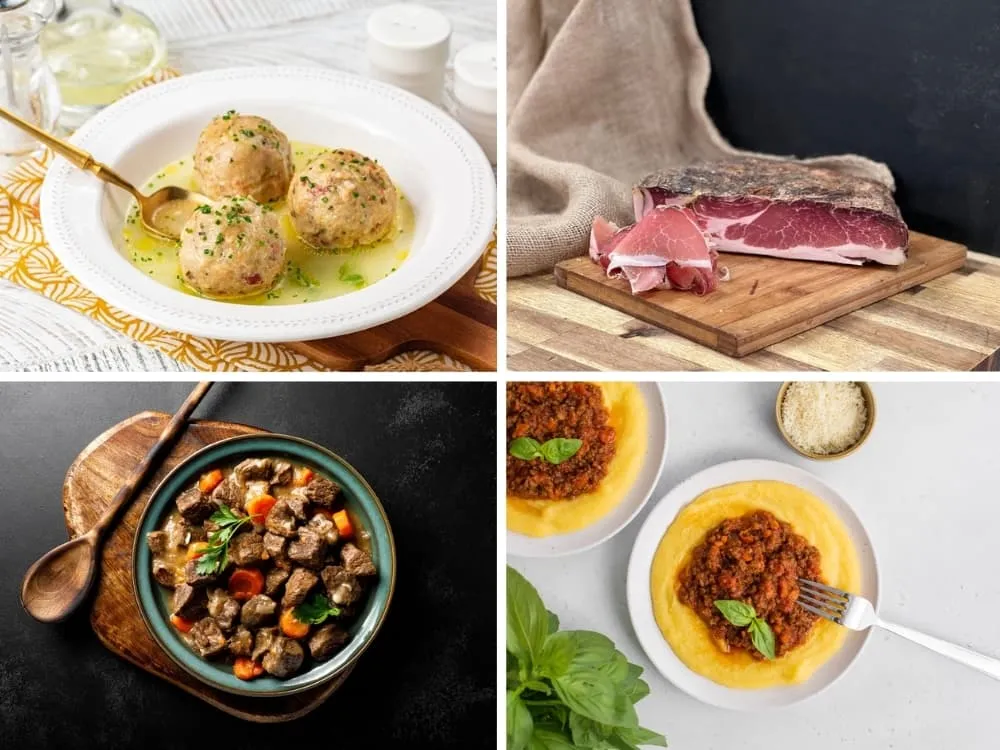
  • Canederli (Speck Dumplings) – Large bread dumplings made from day-old bread, speck (smoked ham), eggs, milk, and herbs, boiled in broth or served with melted butter and cheese. Born out of frugality, they were a way to use up leftovers and provide a filling meal for farmers and workers.

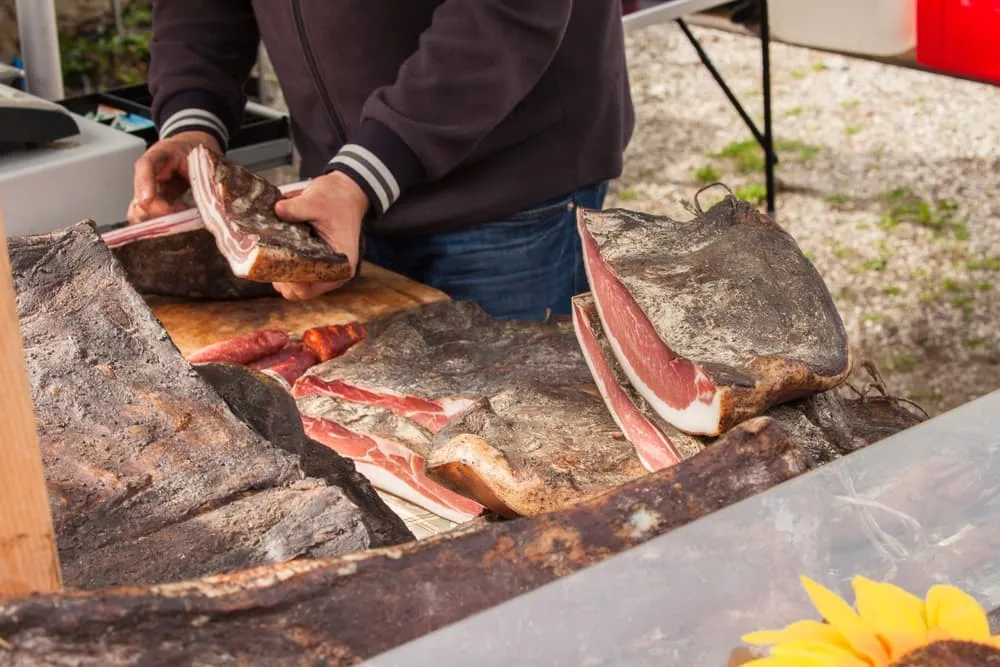
  • Speck Alto Adige IGP – Lightly smoked and air-dried ham, flavored with juniper and mountain herbs. Traditionally prepared in autumn and matured over months in cool, dry air. You’ll often find it served with fresh bread, cheese, and pickles.

  • Goulash – A slow-cooked stew of beef, onions, paprika, and red wine, inherited from the Austro-Hungarian influence. Perfect for chilly evenings in the mountains.

  • Polenta – Cornmeal cooked slowly until creamy, served as a base for stews, sausages, or wild game. In the Dolomites, polenta is a symbol of rural tradition, often cooked in a copper pot over an open fire.
Hearty Dishes for Mountain Appetites

Rifugi food culture and trekking life

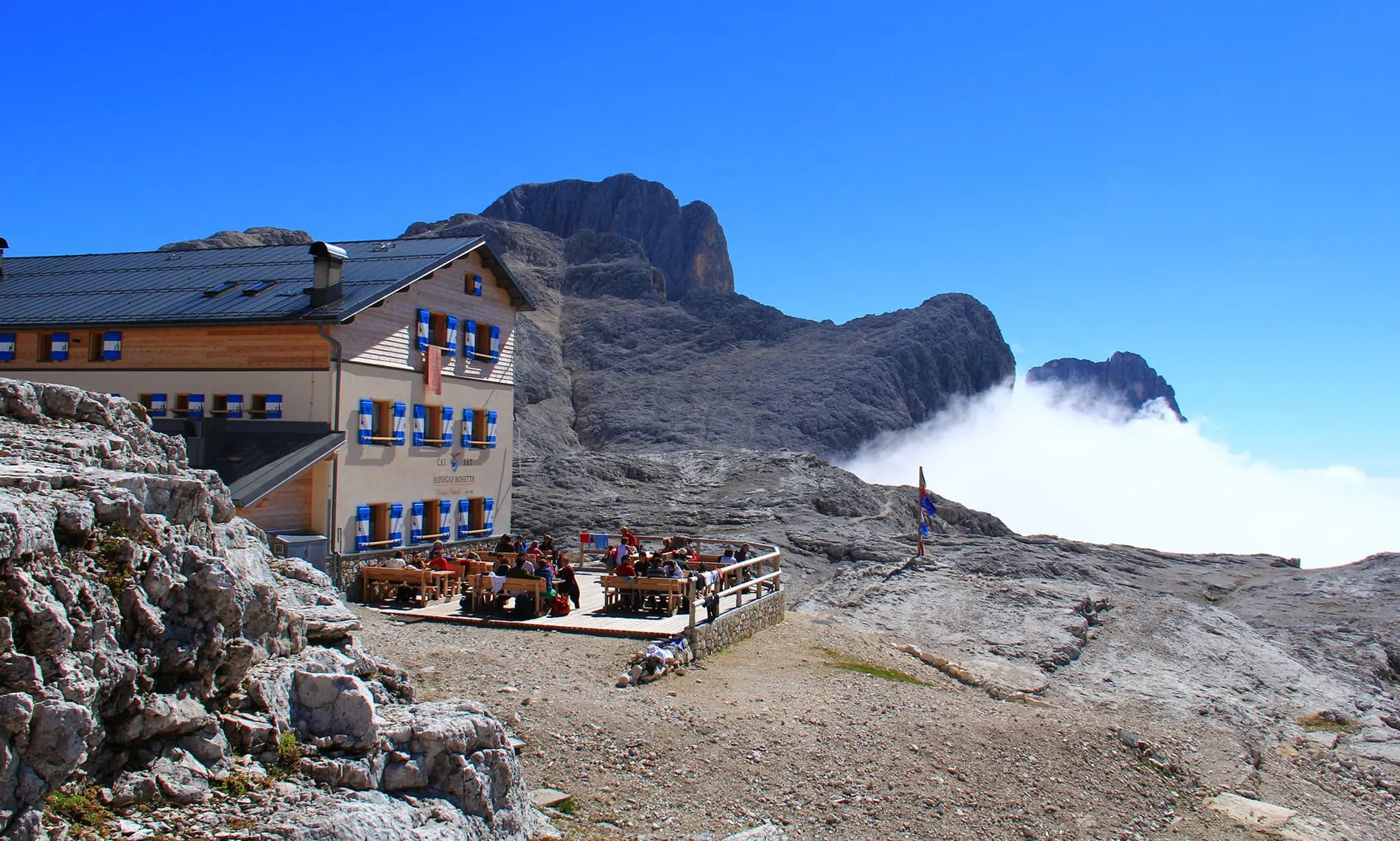
For trekkers, this food culture is most often experienced in mountain huts, or rifugi. Many of today’s rifugi developed from simple shepherd shelters and seasonal farming huts, designed to provide basic protection and nourishment in remote areas. Over time, they evolved into welcoming stopping points for hikers and climbers, while keeping their focus on practical, hearty cooking.

Rifugio menus tend to be similar across the Dolomites, not by coincidence but by necessity. Dishes are chosen for their ability to be prepared in larger quantities, served hot, and replenished with local ingredients. After a long ascent or a full day on the trail, a plate of dumplings, soup, or polenta is exactly what mountain cuisine was always meant to provide: warmth, energy, and comfort.

Rifugi food culture and trekking life

Seasonality in the Dolomites kitchen

Seasonality continues to play an important role in Dolomite cooking. Apples, grown in valley orchards, are a cornerstone of local desserts and baked goods, while berries and herbs are gathered in summer when alpine meadows are in full bloom. Autumn brings the grape harvest and traditional baking, while winter favors dried fruits, nuts, and warming spices.

Many dishes that were once tied to specific seasons or holidays are now enjoyed year-round, especially in mountain huts, where they have become part of the shared trekking experience rather than strictly festive foods.

Sweet Mountain Comforts

Dolomite kitchens have a real talent for desserts that feel like a reward. After a long hike, these sweet classics hit differently: warm, comforting, and made to be shared at the table with a coffee or a hot drink. They’re not overly fancy, but they do exactly what mountain desserts should do: feed the soul and send you back out smiling.


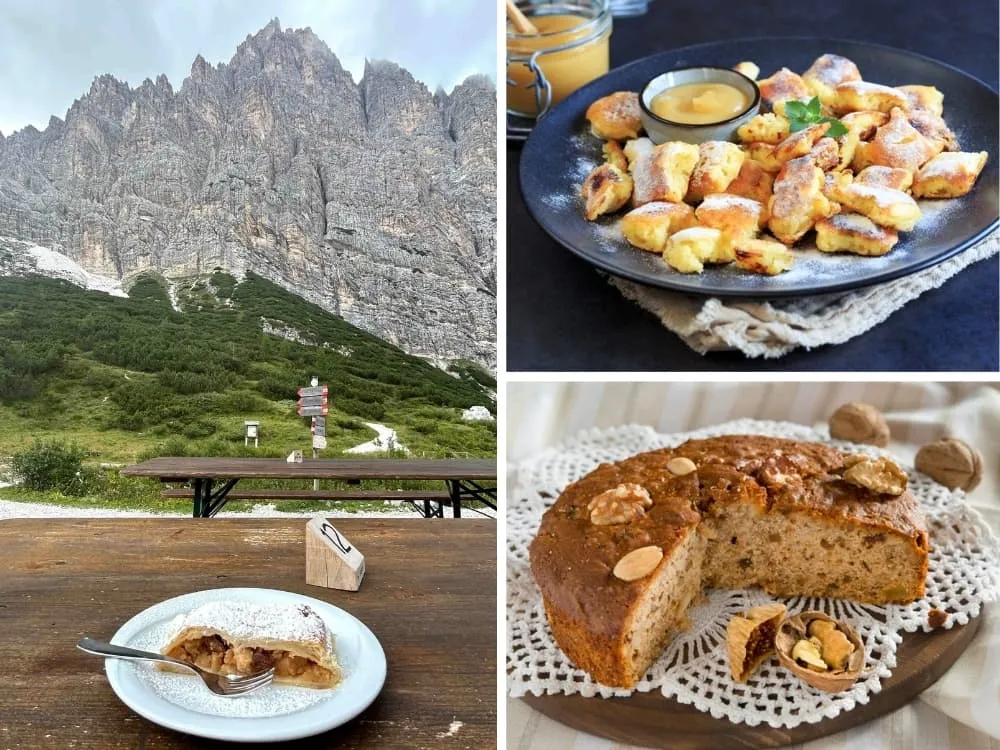
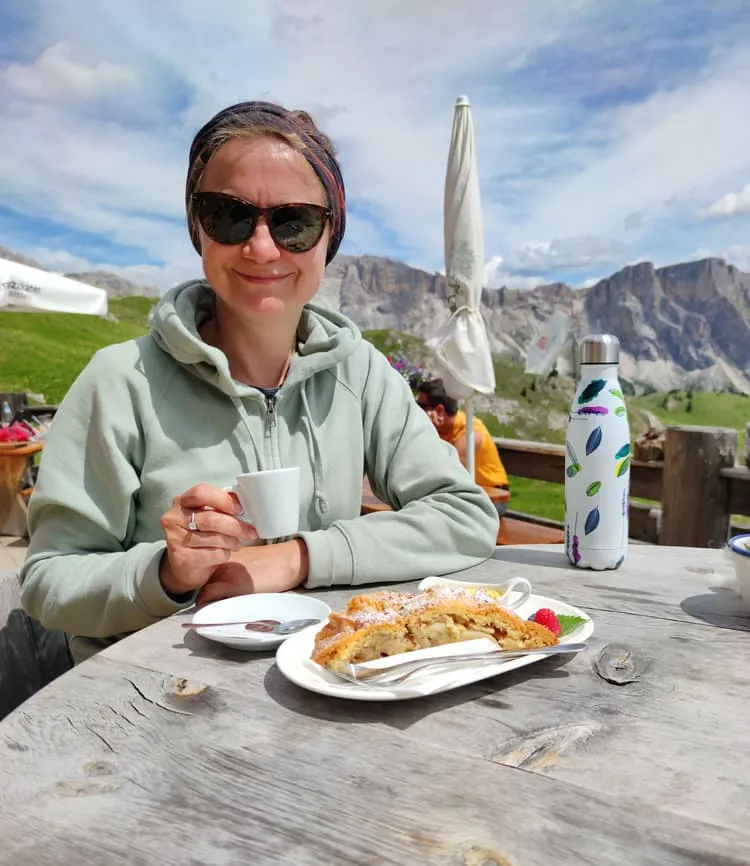
  • Strudel di Mele (Apple Strudel) – Thin layers of pastry wrapped around apples, raisins, pine nuts, sugar, and cinnamon. The recipe reflects centuries of trade routes, with spices coming from the south and apples from local orchards.

  • Kaiserschmarrn – Fluffy shredded pancakes caramelized with sugar and served with fruit compote. Legend says it was a favorite of Emperor Franz Joseph I, hence the name “Emperor’s Mess.”

  • Zelten – A traditional Christmas fruit bread with dried figs, nuts, and spices, originating from Trentino but found in huts year-round.
Sweet Mountain Comforts

Drinks to Warm the Soul

One last and important part of what mountain life means in the Dolomites is what you drink after a day outside. Whether it’s something warming to thaw your hands, or a small “one to finish” after dinner, these classic local drinks are part of the hut-and-valley ritual just as much as the food.


  • Grappa – A strong spirit distilled from grape pomace, often infused with mountain herbs or berries. Locals sip it as a digestive after a meal.

  • Vin Brulé – Mulled wine flavored with cinnamon, cloves, and citrus, a winter staple for warming cold hands after a day in the snow.

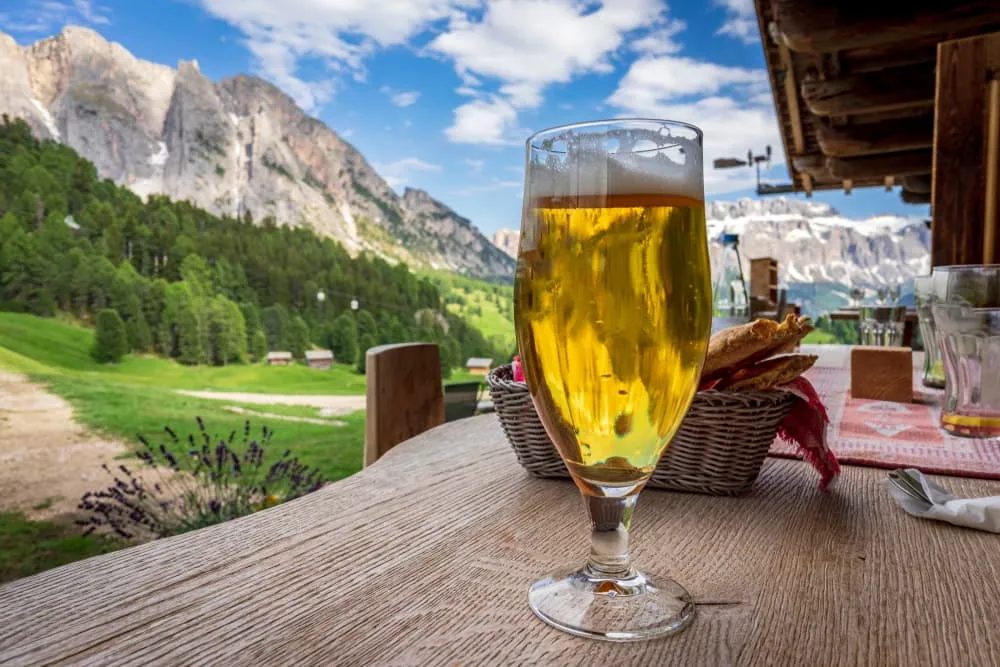
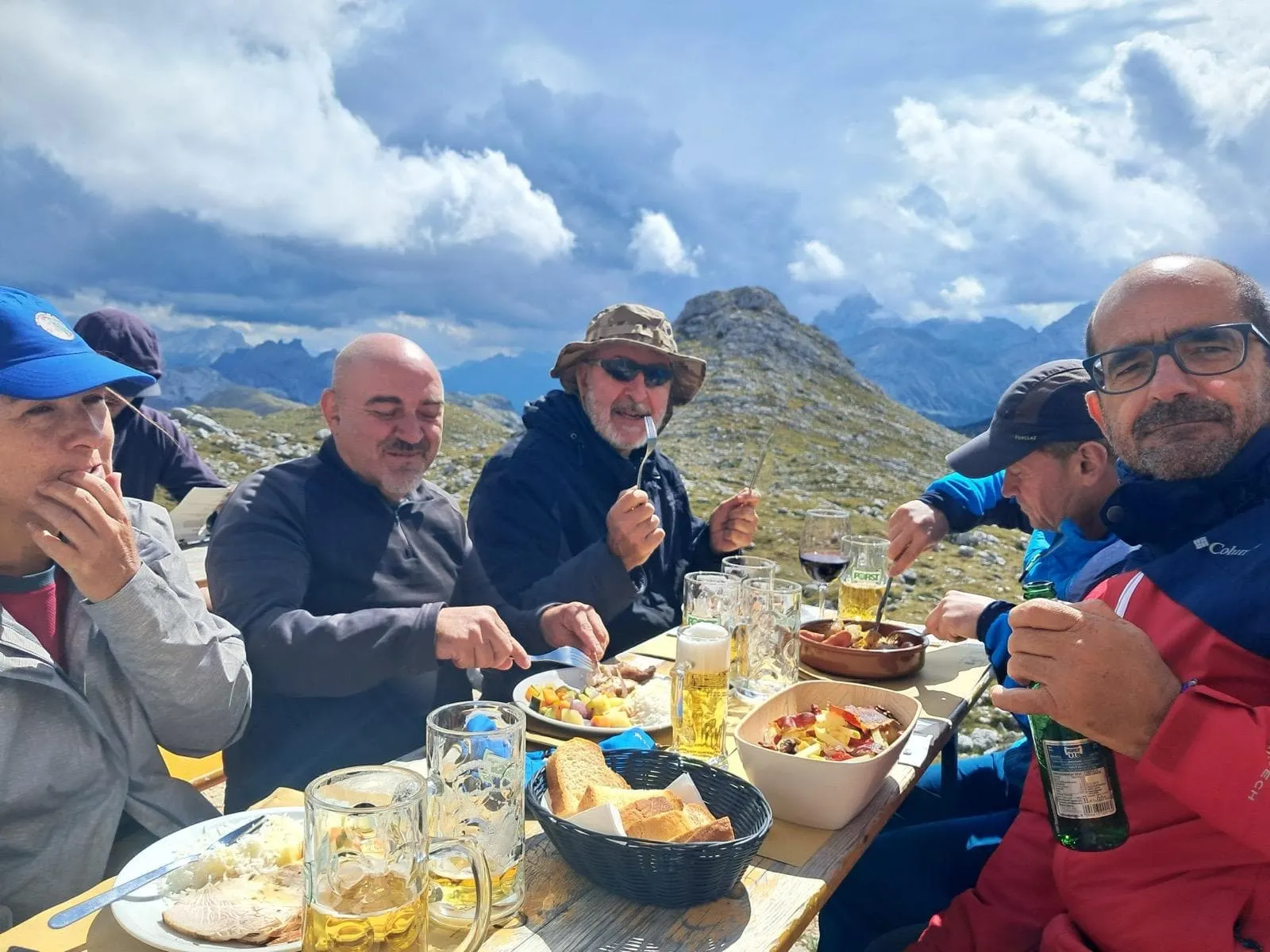
  • Forst Beer – A South Tyrolean brewery favorite, often enjoyed in huts alongside a platter of speck and cheese.
Drinks to Warm the Soul

Food as a Social Tradition

Meals in the Dolomites are more than just fuel — they are part of the social fabric of the region. In mountain huts (rifugi), hikers share long tables, swapping stories over steaming plates of dumplings or slices of apple strudel. Many dishes are served family-style, reflecting a culture where hospitality is as important as the food itself.

Trekking here means not only moving through dramatic landscapes, but also tasting the traditions of people who have lived in these valleys for centuries. Each dish tells a story — of resourcefulness, seasonality, and the blending of cultures in a region where Italy meets the Alps.

Food as a Social Tradition

About Us

At Bookatrekking.com, you will find the trek that will make your life unforgettable. Whether you want to explore the Inca Trail or climb Kilimanjaro. Bookatrekking.com has a wide and varied range of first-class treks. No false promises are made here. Transparent prices and bookings are fixed instantly. Find, compare, book and trek!
Read more about us
About Us
About Us

Also Interesting