Choosing between the routes to Machu Picchu comes down to permits, terrain preference and how many days you have. The table below compares the treks we operate; each includes Machu Picchu entry, a licensed guide, all transport on the route, and meals.
| Route |
Days |
Character |
Price from (pp, 2 travellers) |
| Inca Trail Camping Trek |
4 |
Classic permit route, Sun Gate arrival, camping |
Check current price |
| Inca Trail Slow Version |
5 |
Same classic trail, gentler daily distances, more time at ruins |
Check current price |
| Short Inca Trail Trek |
2 |
Fast option, Km 104 start, arrives via Wiñay Wayna |
Check current price |
| Alternative Inca Trail: Huchuy Qosqo |
4 |
Quieter Inca ruins, ends on Short Inca Trail |
Check current price |
| Classic Salkantay Trek |
4 |
High pass, glacial scenery, no permit needed |
Check current price |
| Ultimate Salkantay Trek |
5 |
Full Salkantay to Hidroeléctrica, 60 km total |
Check current price |
| Classic Lares Trek |
4 |
Andean villages, thermal baths, cultural immersion |
Check current price |
| Inca Jungle Trek |
4 |
Biking, rafting and hiking combined |
Check current price |
Prices as of September 2026, per person based on two travellers.
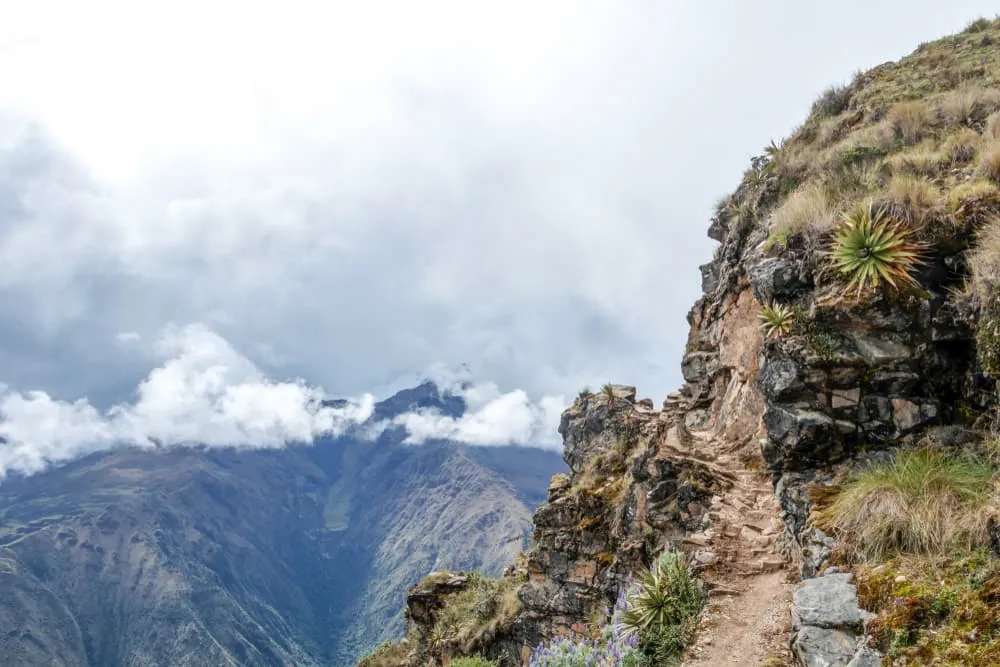
The Inca Trail is the only route that arrives through the Sun Gate and follows original Inca paving stones all the way to the citadel. Permits are limited and must be booked months ahead, particularly for the dry season. Our complete Inca Trail guide covers the permit process, packing and what to expect day by day.
The Salkantay is the most popular alternative, crossing a 4,630 m pass beneath the Salkantay glacier and descending through subtropical cloud forest. No permit is needed. Read our full Salkantay Trek guide for a day-by-day breakdown. The Lares Trek is the most culturally immersive option, passing through Quechua-speaking villages and over high passes before ending in Ollantaytambo. Our Lares Trek guide explains what makes it different. Not sure which route suits you? Our Inca Trail alternatives guide compares all the options side by side.
How long does it take to walk Machu Picchu?
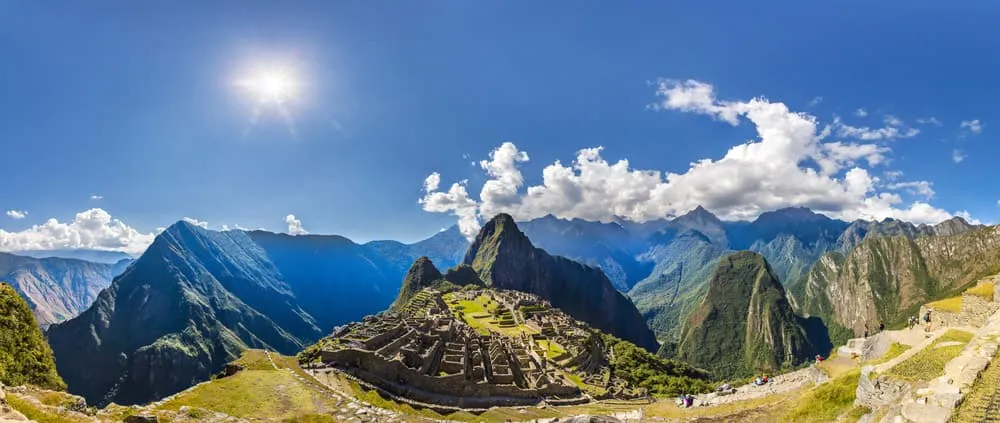
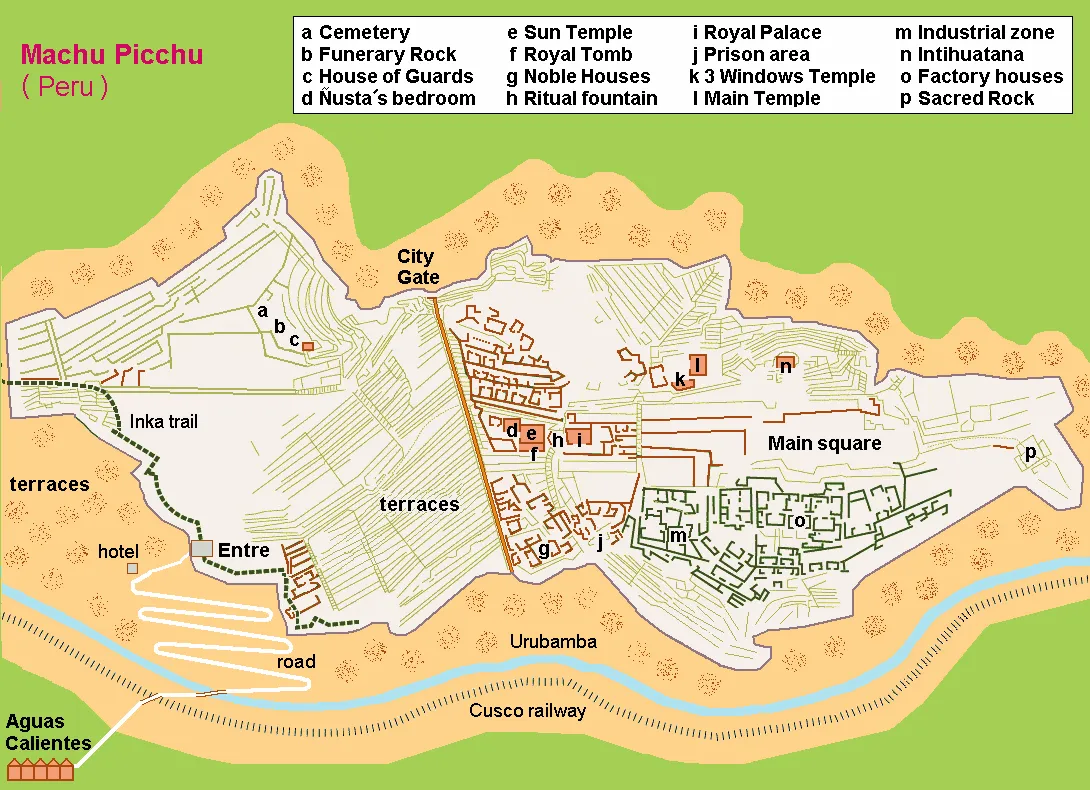
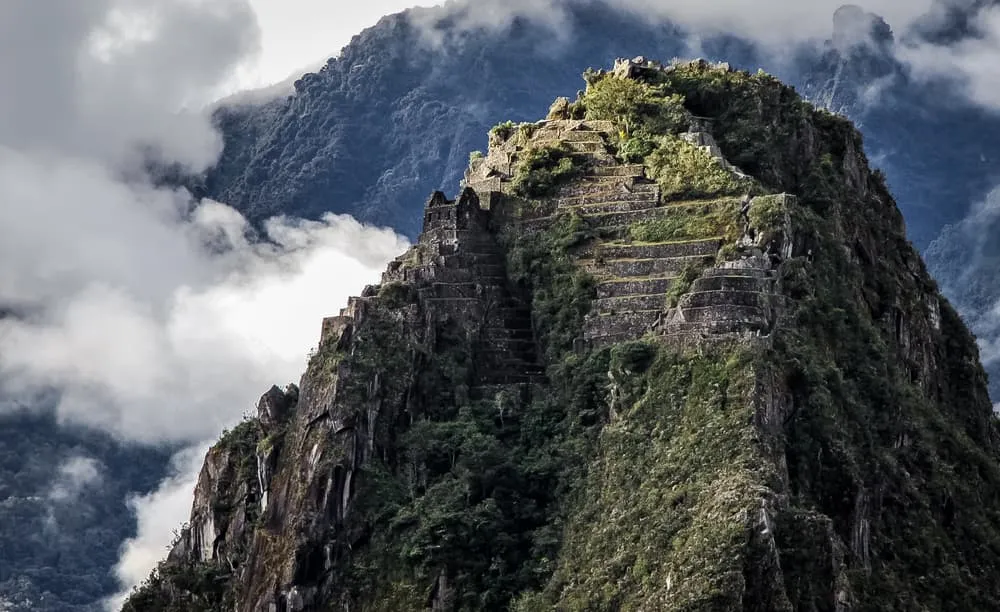
Walking one circuit inside the citadel takes roughly two to three hours at a comfortable pace. If you add a mountain hike, allow a full day: Huayna Picchu takes about two hours return, Machu Picchu Mountain closer to three to four hours return. Trekkers arriving via the Inca Trail typically spend three to four hours exploring the ruins after their guided tour.
Can a beginner hike Machu Picchu?
Yes. The citadel itself involves walking on uneven stone paths and some steep staircases, but it is manageable for most people in reasonable health. The classic Inca Trail and Salkantay routes are moderately challenging multi-day treks suitable for fit beginners who have trained for the elevation. The two-day Short Inca Trail is a good entry point for less experienced hikers.
How much money does it cost to hike Machu Picchu?
The entry ticket price varies by circuit and visitor category; check the current rate on the official Ministry of Culture site. Combining the main site with Huayna Picchu or Machu Picchu Mountain requires an additional permit purchased at the same time. When you book a Bookatrekking trek, the entry ticket is included in the package price.
How much does it cost to do a trip to Machu Picchu?
Beyond the entry ticket, a realistic budget includes flights (Lima to Cusco domestic leg), two to three nights in Cusco before the trek, the guided trek package (which covers meals, camping or lodges, guide, porters and Machu Picchu entry), and the return journey. Train tickets between Ollantaytambo and Aguas Calientes vary by class; check current prices with the rail operators PeruRail and Inca Rail.
What month is the best time to go to Machu Picchu?
May and September are widely considered the sweet spots: the dry season is underway, skies are reliably clear, morning slots at the citadel are easier to secure than in peak summer, and the trails are at their best. June, July and August offer equally good weather but significantly larger crowds and faster permit sell-outs.
How bad is altitude sickness in Machu Picchu?
At 2,430 m the citadel sits at a moderate altitude where symptoms are possible but usually mild for most visitors: a mild headache or slight breathlessness on arrival. The bigger challenge is Cusco at 3,400 m, which is why spending two nights there before visiting Machu Picchu is strongly recommended. On the high Inca Trail passes above 4,000 m, symptoms can be more pronounced.
Where do you go to the toilet on the Inca trail?
Established campsites on the Inca Trail have toilet facilities; during walking hours, leave-no-trace rules apply and guides carry a portable toilet for the group. At Machu Picchu itself, toilets are located outside the main entrance gate and require a small fee. There are no facilities inside the ruins.
What is the best tour company for Machu Picchu?
The best operator is one that holds the required government permits, employs certified local guides and pays porters fairly. Bookatrekking works exclusively with vetted in-country partners who meet these standards, and all packages include permits, Machu Picchu entry, meals and return transport, so you have one point of contact for the entire trip.
Is it safe to visit Machu Picchu right now?
Machu Picchu is generally a safe destination. The main practical risks are altitude-related, not security-related. Stick to official circuits, follow your guide's instructions on exposed paths such as Huayna Picchu, and check for any travel advisories from the UK Foreign, Commonwealth and Development Office or the US State Department before departure, particularly regarding transport strikes that occasionally affect the Cusco region.
Ready to book? Browse our full range of guided routes on the Inca Trail Camping Trek page and find the departure date that works for you.