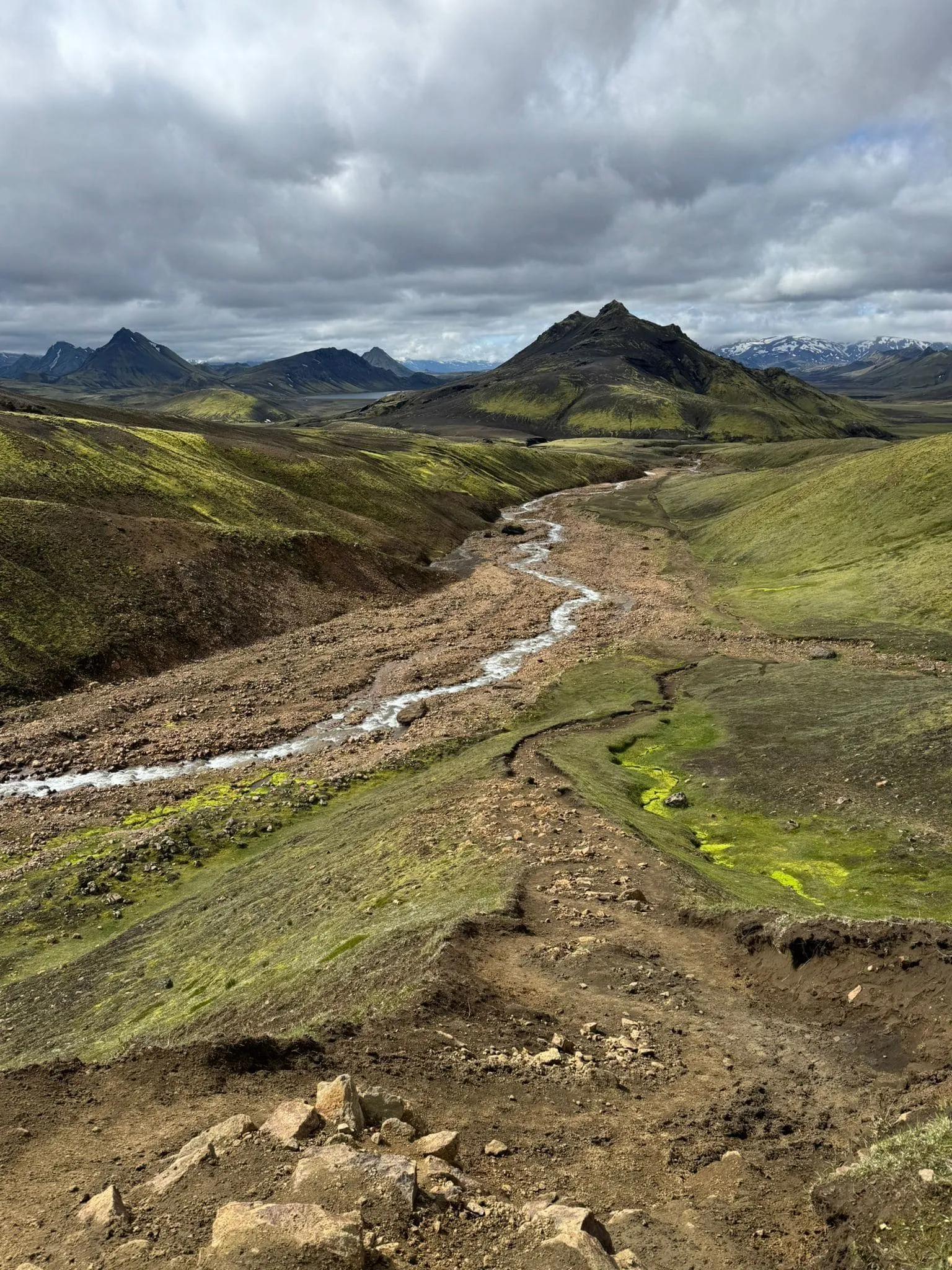
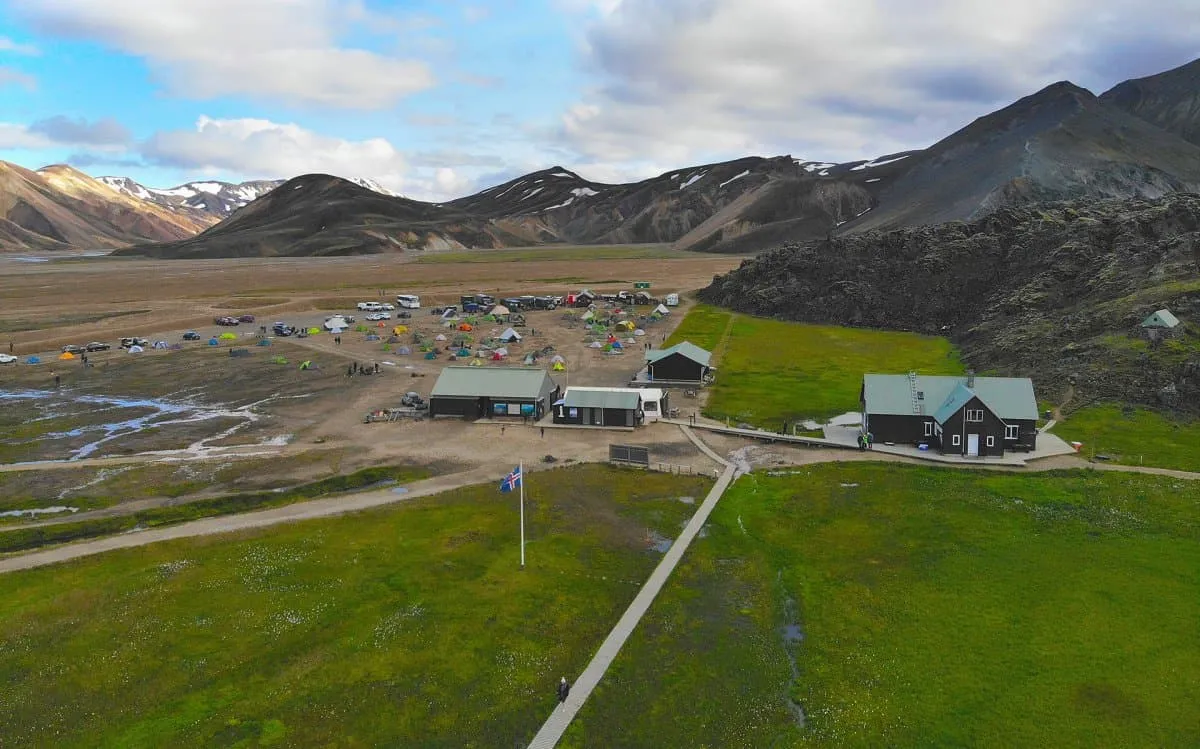
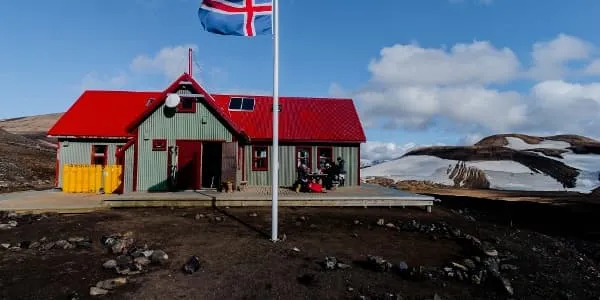
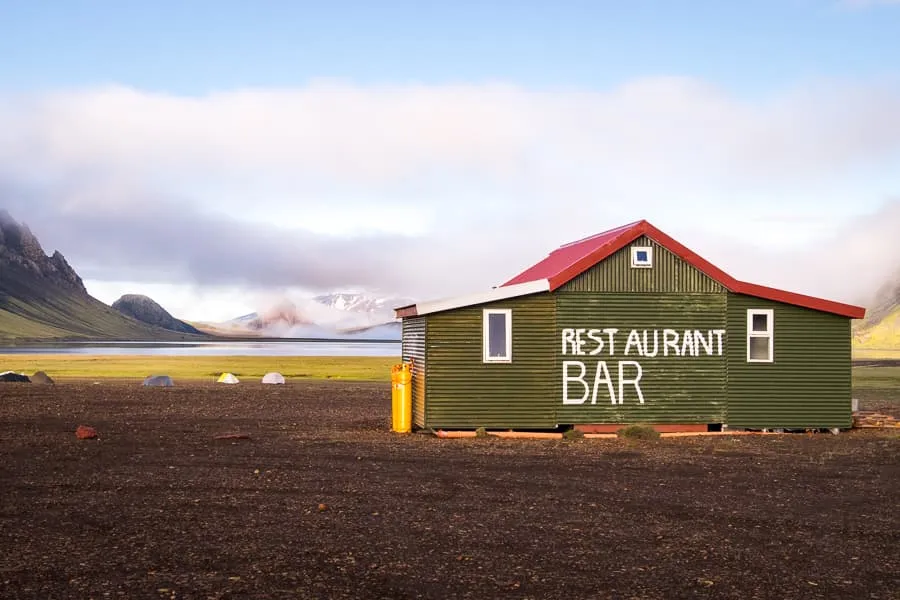
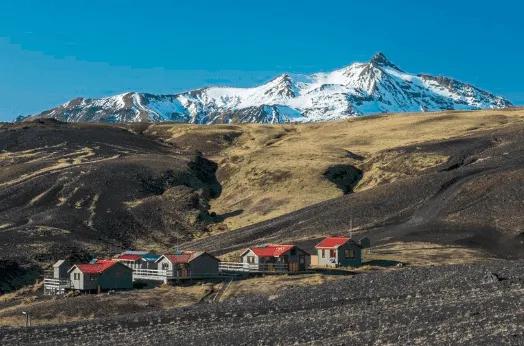
The Laugavegur Trail is moderately difficult. There are no technical climbing sections, but four consecutive days of walking with a pack, cold river fords and weather that changes quickly make it harder than the distances suggest. Our trips are graded Intermediate.
Fitness. Daily stages on the Laugavegur hike range from 10.5 to 15.8 km and take between 4 and 6 hours of walking. The first stage climbs 500 m, which many hikers find demanding on the first day. The descent from Jökultungur on the second stage is steep and rocky and requires attention. The final two stages are longer with less climbing, but come after two days of walking and include river crossings. A good preparation involves several long days of walking with your pack, ideally on consecutive days, before the trip; see our tips on training for a hut-to-hut hike.
Weather and navigation. Fog is most frequent on the first two stages, between Landmannalaugar and Álftavatn, and can reduce visibility to a few metres. In those conditions, follow the trail marker posts and do not walk on if you cannot see the next one. Talk to the warden before each stage. Phone signal is unreliable along much of the Laugavegur Trail in Iceland. The emergency number in Iceland is 112. The Bookatrekking app, included in our trips, works offline and shows your position on the day's route.
Your pack. You carry a sleeping bag, food for several days and full rain gear. The weight adds up quickly. If you camp, expect a significantly heavier load. Practise carrying your pack on training walks so you are used to the weight before you arrive.
The Laugavegur hike suits walkers in good health who are comfortable walking several days in a row. If it is your first multi-day hike, it is achievable with proper preparation and realistic expectations about the weather. Read our hut-to-hut packing list for a full breakdown of what to bring.
River crossings on the Laugavegur Trail
At least three rivers on the Laugavegur Trail must be waded, including Bláfjallakvísl (after Hvanngil) and Þröngá just before Þórsmörk. Grashagakvísl below Jökultungur sometimes has a snow bridge in early summer; otherwise you wade. The water is glacial and very cold, and levels can rise quickly after rain. Bring light shoes or sandals specifically for crossing, as walking shoes take a long time to dry. Take your time and let the current help you across. Always ask the warden about water levels before each stage with a ford.
Self-guided or with a guide?
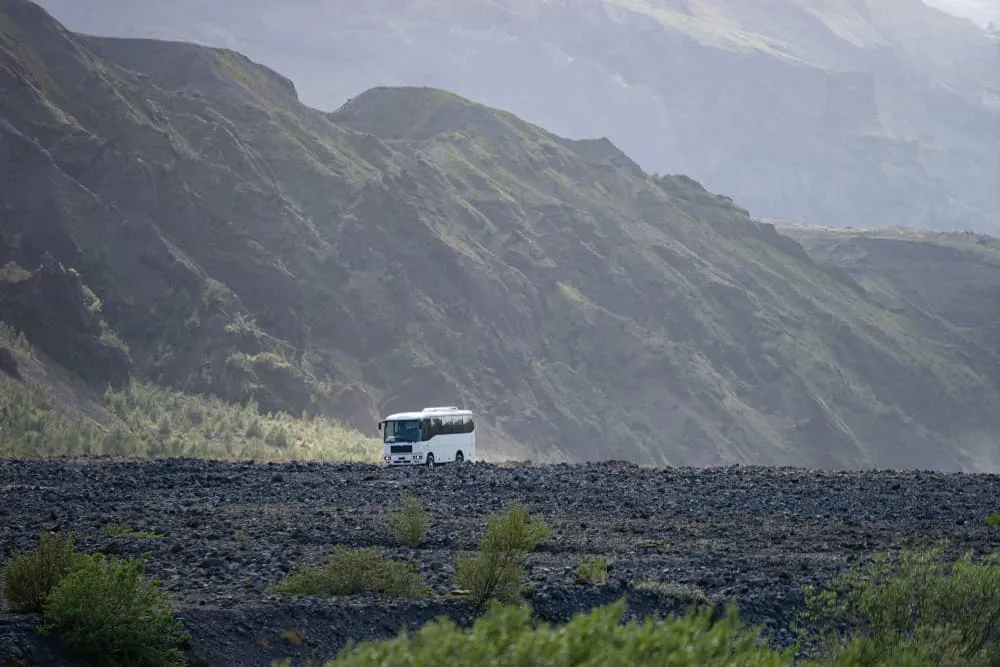
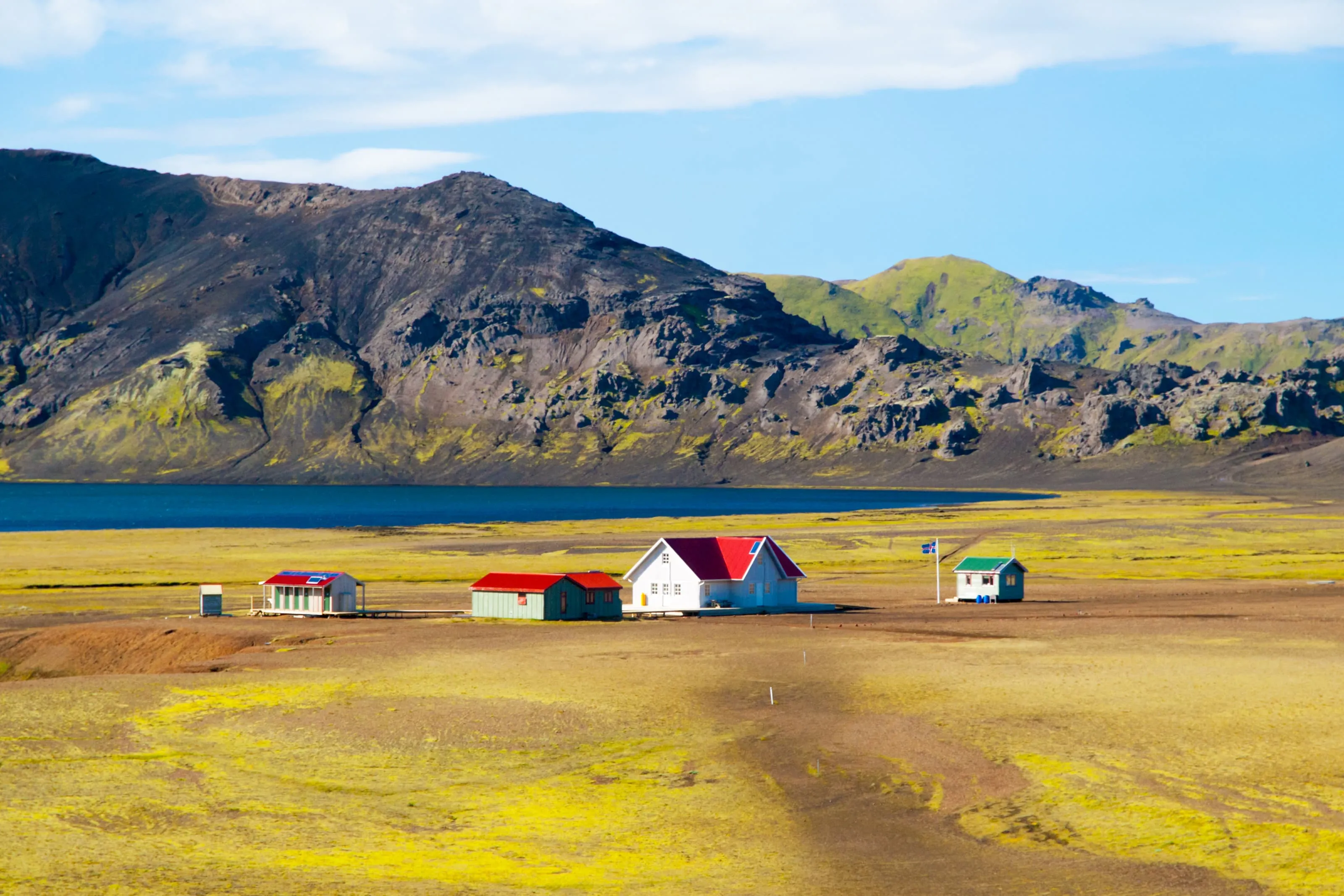
Yes, you can hike the Laugavegur Trail without a guide. In the summer season the trail is well marked and many hikers walk it on their own. What you must arrange yourself is the huts through FÍ, the highland bus tickets and thorough preparation for the weather. Our trips are self-guided: no guide walks with you, but the huts, the bus from Reykjavík to Landmannalaugar, the nights in Reykjavík, detailed stage descriptions and offline navigation through our app are all arranged. Guided group tours with other operators also exist for those who prefer more support. Book the self-guided Laugavegur Trail trip to have the logistics covered without joining a guided group.
Laugavegur Trail: frequently asked questions
How long is the Laugavegur Trail?
The Laugavegur Trail is about 55 km from Landmannalaugar to Þórsmörk; different sources give 54 to 56 km. The four walking stages range from 10.5 to 15.8 km. Adding the Fimmvörðuháls Hike to Skógar adds about 26 km in two more stages (12.7 and 13.5 km).
How many days do you need for the Laugavegur Trail?
Four walking days is the most common choice. Three is possible for fit and experienced hikers. Our 8-day trip includes the arrival day, the bus and an optional loop walk at Landmannalaugar, the four trail stages, a free morning in Þórsmörk and the nights in Reykjavík.
Can you hike the Laugavegur Trail without a guide?
Yes. In the summer season the trail is well marked and the route is straightforward in good weather. You need confirmed bookings for huts or campsites, bus tickets and appropriate gear for the conditions. Our trips are self-guided with all logistics arranged. See the Laugavegur Trail trip for details.
How much does it cost to hike the Laugavegur Trail?
When you organise it yourself, you pay for hut nights or campsite fees, two bus tickets, food and nights in Reykjavík; amounts are set each season by FÍ and the bus operators. With Bookatrekking, the 8-day trip starts from 1,725 euros per person (two or more booking together) or 2,045 euros alone; the 10-day trip with Fimmvörðuháls from 2,235 euros or 2,645 euros alone. 2027 season, as of October 2026; meals not included.
How do you book the huts on the Laugavegur Trail?
Through FÍ online, for a complete itinerary from north to south; individual hut bookings are not available. The huts sell out quickly for July and August. Flexible dates improve your chances. On our trips we book all huts for you as part of the package, so you do not need to manage the FÍ system yourself.
How crowded is the Laugavegur Trail?
Busy in July and August, particularly at Landmannalaugar. Once on the trail, hikers spread out across the stages. The number of beds in the huts limits how many people can walk each day, which is why the huts sell out quickly.
When is the best time to hike the Laugavegur Trail?
July and August offer the most stable conditions. The trail is open on average from late June to mid-September, depending on snow and the highland road opening. Expect cold nights, rain and wind in every month of the season. September is quieter but colder, with nights that can drop below freezing.
Can you combine the Laugavegur Trail with the Fimmvörðuháls Hike?
Yes. From Þórsmörk you continue in two stages over the Fimmvörðuháls pass to Skógar, adding approximately 26 km and two days. The route passes between two glaciers and the craters from the 2010 eruption before descending to Skógafoss. See our Laugavegur Trail and Fimmvörðuháls 10-day trip for the full programme.